Australia
Black Seed Hair Oil: Does It Help Hair Growth?
Black seed oil is a popular hair oil in Australia. Here is what research says about hair growth and how people use it.
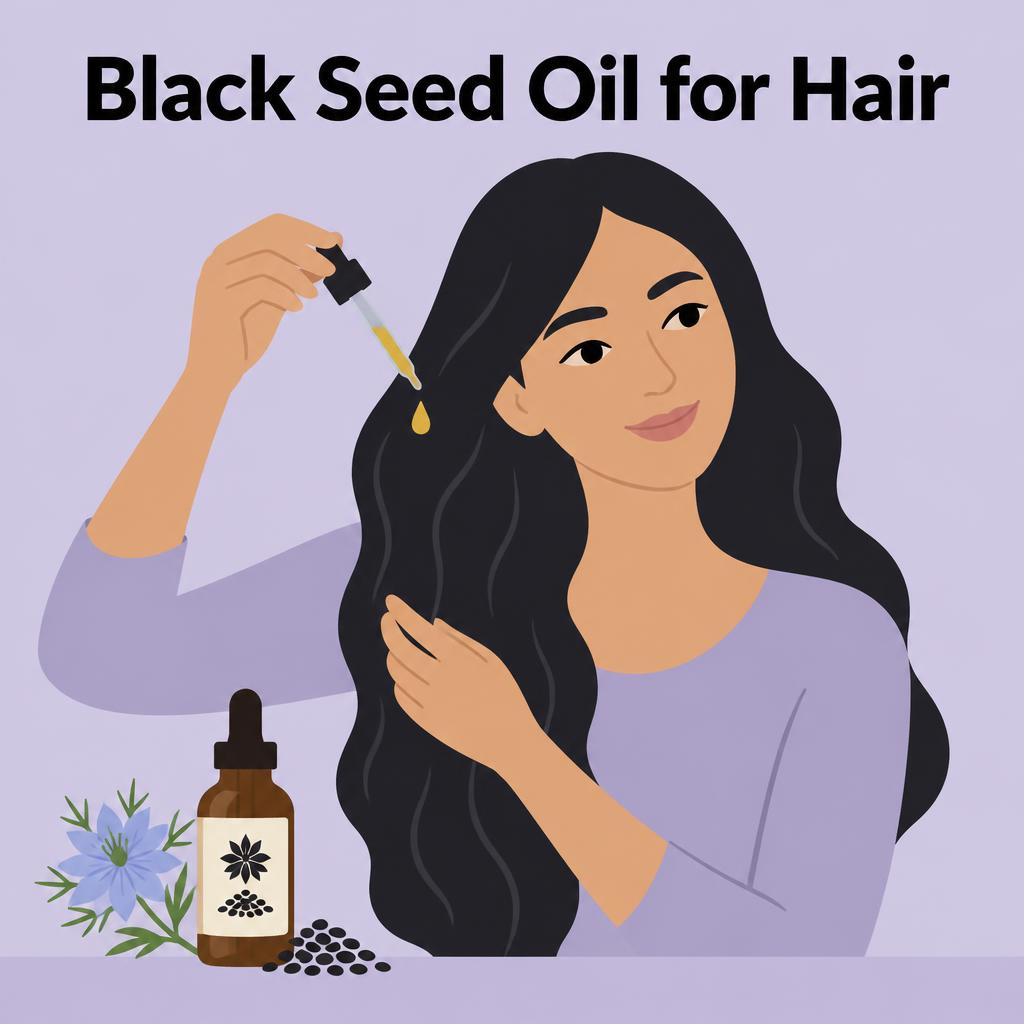
Key takeaways
- Black seed oil has a long traditional history as a hair and scalp oil.
- Early research is promising, and large human trials on hair growth are still limited.
- If your label covers skin and hair use, patch test first on a small area.
Black seed oil appears in countless hair routines. Here is what the evidence says and how people use it.
What research says
Thymoquinone, the main aromatic compound in black seed oil, shows antioxidant and anti-inflammatory activity in studies.[1][2] Small studies and traditional use suggest scalp benefits, and large human trials on hair growth are still limited.
Why people use it on hair
- As a scalp massage oil before washing.
- Mixed into a conditioner or carrier oil.
- To add shine and reduce the feel of dryness.
How to use it well
Check that your product's label covers skin and hair use. Patch test on a small area first, then massage a few drops into the scalp and wash out after 20 to 30 minutes.
Realistic expectations
Hair grows slowly, so give any routine several months. If you notice sudden or patchy hair loss, see your GP, since many causes need medical care.[3]
Antidote Supplements
Antidote Supplements Ethiopian Black Seed Oil comes as 50 mL liquid drops; follow the label directions.
The bottom line
Black seed oil is a well-loved hair oil with promising early research. Patch test first, use it consistently and see your GP about sudden hair loss.
Medical reviewer
Dr Nidham Oda
MBChB, FRACGP
Read this next
How to Use
Black Seed Oil for Hair: How to Use It and What to Expect in Australia
Separate hair conditioning from regrowth claims, choose a product intended for scalp use and know when shedding needs assessment.
Black Seed Oil
Black Seed Oil for Hair: Benefits and How to Use It
A simple scalp routine, realistic results and how it compares with hair vitamins.
Black Seed Oil
Best Vitamins for Hair Growth: What Actually Has Evidence Behind It
Hair growth vitamins only help if you're actually deficient, here's how to tell, and what the evidence supports.
Black Seed Oil
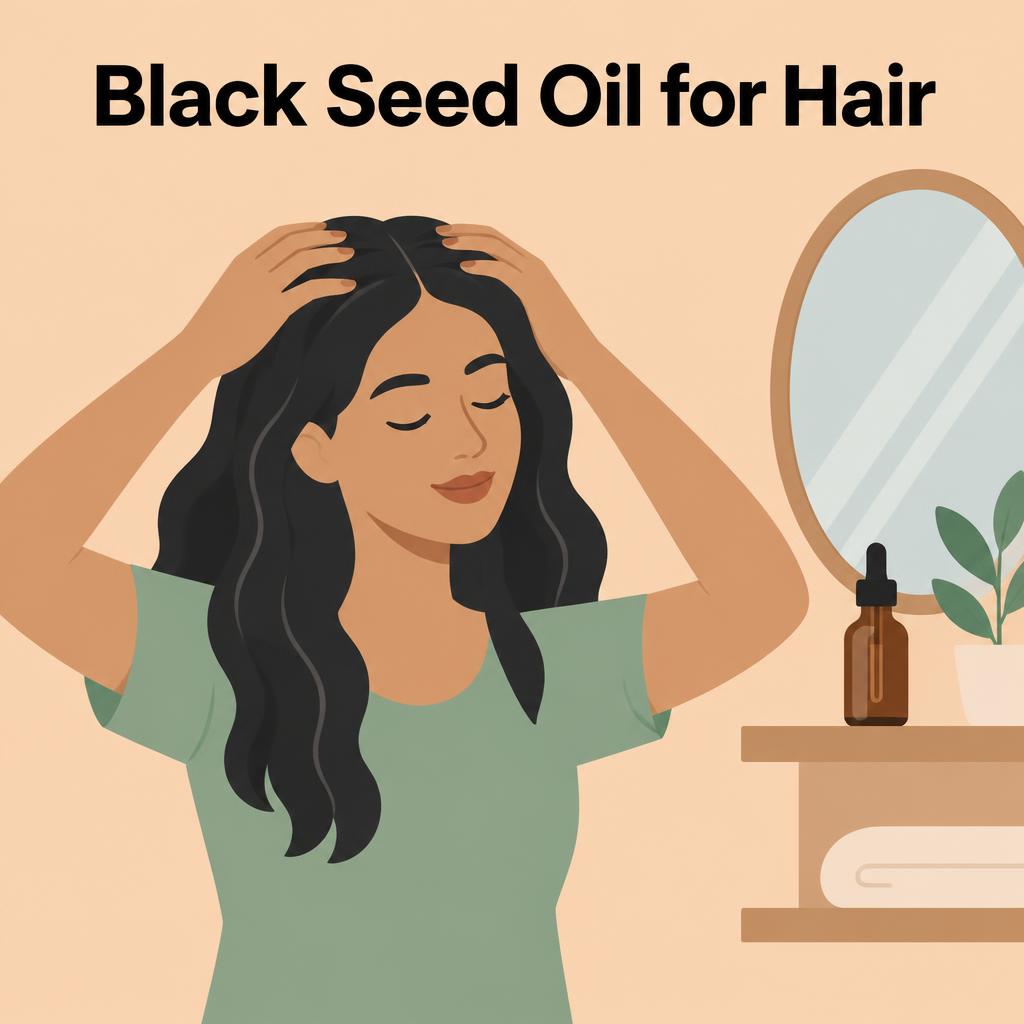
Black Seed Oil for Hair: How to Use It and What to Expect
How people use black seed oil in hair routines, what the tradition and early research suggest, and realistic expectations.
Black Seed Oil
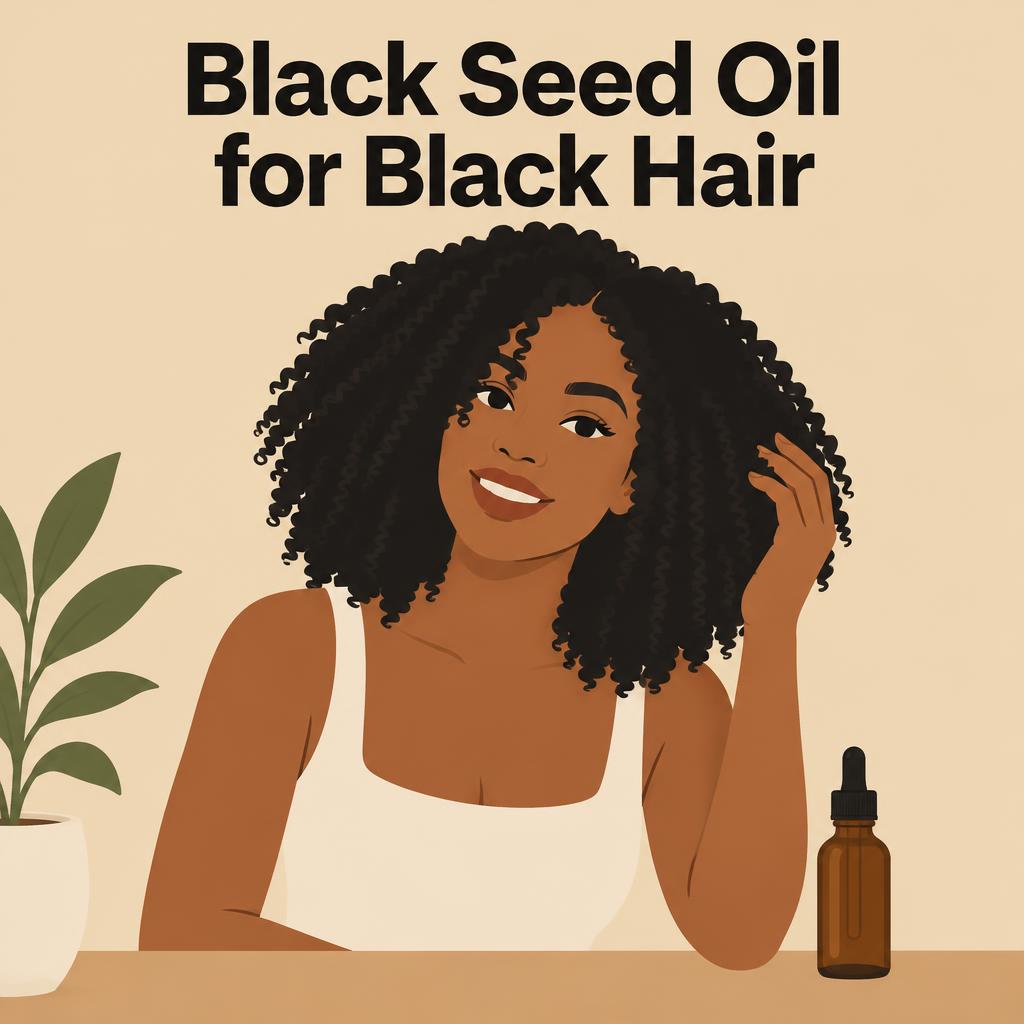
Black Seed Oil for Black Hair: Benefits and How to Use It
How black seed oil fits into natural, coily and textured hair routines, with practical ways to use it.
Black Seed Oil
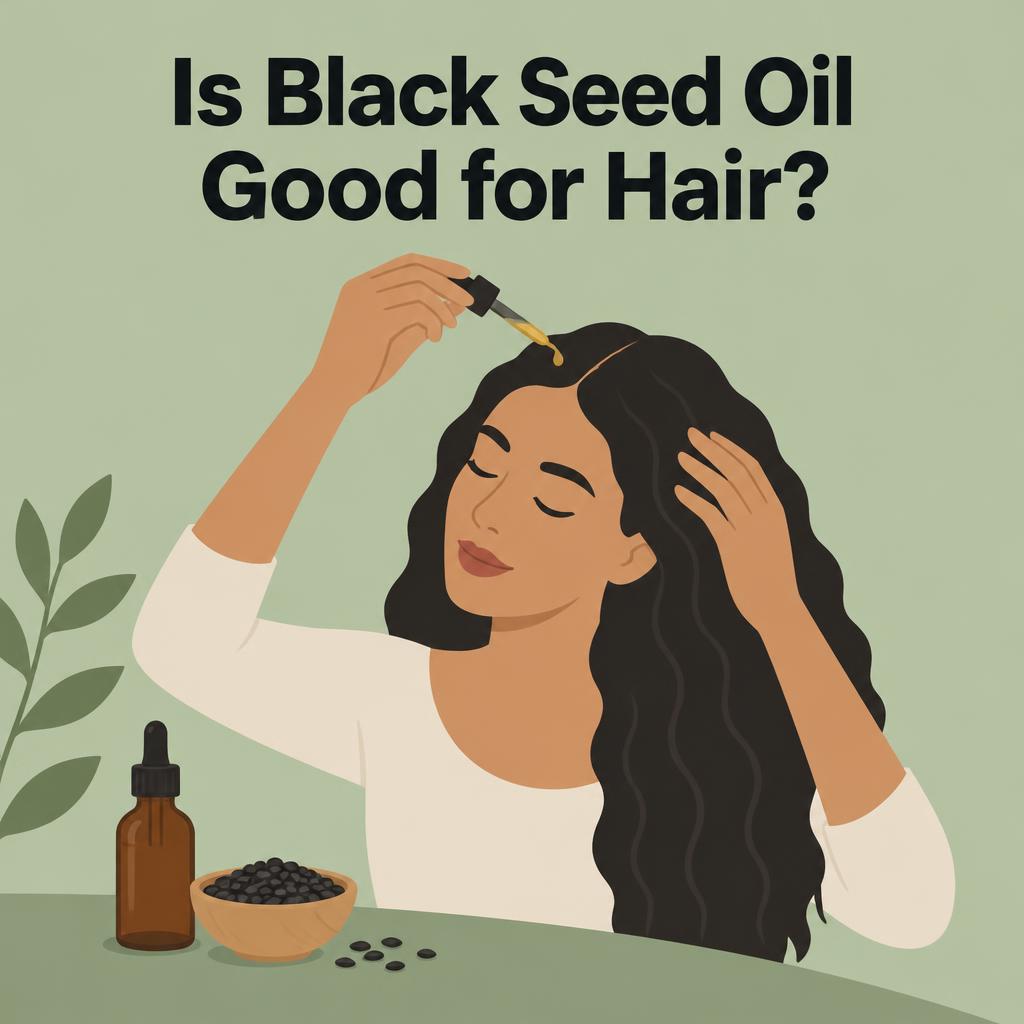
Is Black Seed Oil Good for Hair?
Black seed oil has become a staple in UK hair routines. What it does for hair, how to use it and what to expect.
Sources
- Ahmad A, et al. A review on therapeutic potential of Nigella sativa: A miracle herb. Asian Pacific Journal of Tropical Biomedicine. 2013;3(5):337–352.
- Li Z, et al. Nigella sativa and health outcomes: An overview of systematic reviews and meta-analyses. Frontiers in Nutrition. 2023;10:1107750.
- National Center for Complementary and Integrative Health. Using Dietary Supplements Wisely.
