United States
How to Make Oil of Oregano: Methods Explained
You can infuse oregano into oil at home, but true oil of oregano is steam-distilled. Here is what each method gives you and which one supplements use.

Key takeaways
- Home methods make an oregano-infused oil, which is mild and culinary in strength.
- Commercial oil of oregano is steam-distilled, then standardised for carvacrol content.
- A home infusion cannot match the concentration or consistency of a distilled extract.
- For supplemental use, a tested commercial product with a stated carvacrol level is the reliable choice.
First, two different things
When people say make oil of oregano, they usually mean one of two things. The first is an oregano-infused oil: fresh or dried oregano steeped in a carrier oil like olive oil. The second is true oil of oregano: a steam-distilled extract of the plant's aromatic compounds. They share a name but are very different products, and only the second is what supplements contain.
The home infusion method
To make an infused oil, lightly crush fresh oregano leaves, cover them with a good olive oil in a clean jar, and let the jar sit in a warm spot for one to two weeks, shaking daily. Strain through a fine sieve or cheesecloth and store in a dark bottle. The result is a pleasant, mildly aromatic oil for salad dressings and cooking. It is a kitchen project, not a supplement.
Why home infusions are mild
Carvacrol and the other aromatic compounds in oregano are only partly soluble in oil at room temperature, and a jar on a windowsill extracts a small fraction of them. There is also no way to measure what you ended up with. That is fine for flavour, but it means a home infusion cannot deliver the consistent, concentrated serving that research and supplements rely on.
How the commercial oil is made
Commercial oil of oregano is made by steam distillation: steam passes through harvested oregano, carries off the volatile aromatic compounds, and the condensed oil is separated and collected. The distiller then tests the oil and standardises it, often to a stated carvacrol percentage, before diluting it into a carrier oil at a safe, labelled strength for oral use.
Which one should you use
Make the infusion if you want a lovely cooking oil and a fun weekend project. Buy a distilled, standardised product if you want the studied benefits, because concentration, safety and dosing all depend on controlled production. Look for a stated carvacrol content, a carrier oil base, and a label that clearly says the product is for oral use.
The bottom line
You can make a pleasant oregano-infused oil at home for cooking, but true oil of oregano is steam-distilled and standardised, and that process cannot be replicated in a kitchen. For supplemental use, choose a commercial product with a stated carvacrol level and an oral-use label.
Medical reviewer
Dr Darren So
FRACGP, DCH, MBBS, BSc, RANZCOG, MYMH
Read this next
Oregano Oil
Oil of Oregano: What It Is and How to Use It
Oil of oregano is a concentrated extract of the oregano plant, rich in carvacrol. Here is what it is, what it does, and how to use it safely.

Oregano Oil
Is Oil of Oregano Good for You?
Oil of oregano is one of the most popular herbal supplements in America. Here is what it can genuinely do for you, and how to use it well.

Oregano Oil
Oregano Oil: Benefits, Uses and Side Effects (Complete Guide)
Oregano oil is one of the most popular herbal supplements in the US. Here is what the research supports, how to use it, and who should be careful.
Oregano Oil
Oregano Oil Capsules: Benefits, Dosage and How to Choose
Oregano oil capsules are the easiest way to take this potent oil. Here is what they do, how much to take, and what to check on the label.
Oregano Oil
What Is Oil of Oregano Good For?
Oil of oregano is best known for immune and gut support. Here is what it is actually good for, based on the research and traditional use.
Oregano Oil
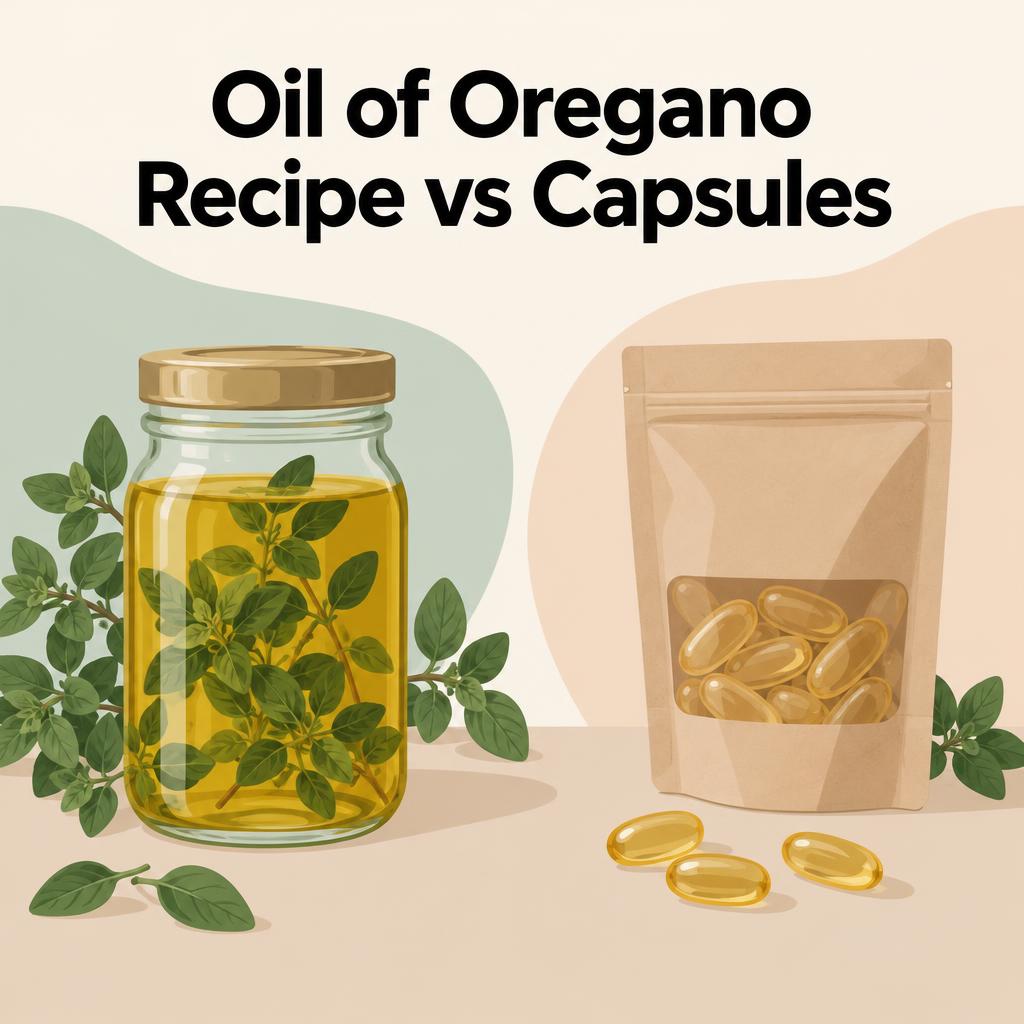
Oil of Oregano Recipe: How Homemade Compares to Capsules
A simple homemade oregano oil recipe, plus an honest comparison with capsules so you know exactly what each option can and cannot do.