United Kingdom
How to Use Oregano Oil Safely
Oregano oil is concentrated and deserves respect. Here are the simple rules for using it safely, from dilution to knowing when to check with a pharmacist.

Key takeaways
- Always dilute liquid oregano oil before swallowing it.
- Softgels remove the guesswork by providing a measured dose.
- Oregano oil can interact with blood thinners and diabetes medicines.
- Avoid oregano oil supplements in pregnancy unless a clinician advises otherwise.
Why safety comes up with oregano oil
Oregano oil is far more concentrated than the herb you cook with. A single drop can contain the aromatic compounds of a large handful of leaves. That concentration is the point, but it also means a little care goes a long way.
Dilute liquid drops properly
Never swallow undiluted oregano oil or hold it neat in your mouth. Mix the labelled number of drops into water, juice or a carrier oil such as olive oil. If it still feels too strong, dilute further rather than pushing through the burn.
Consider softgels instead
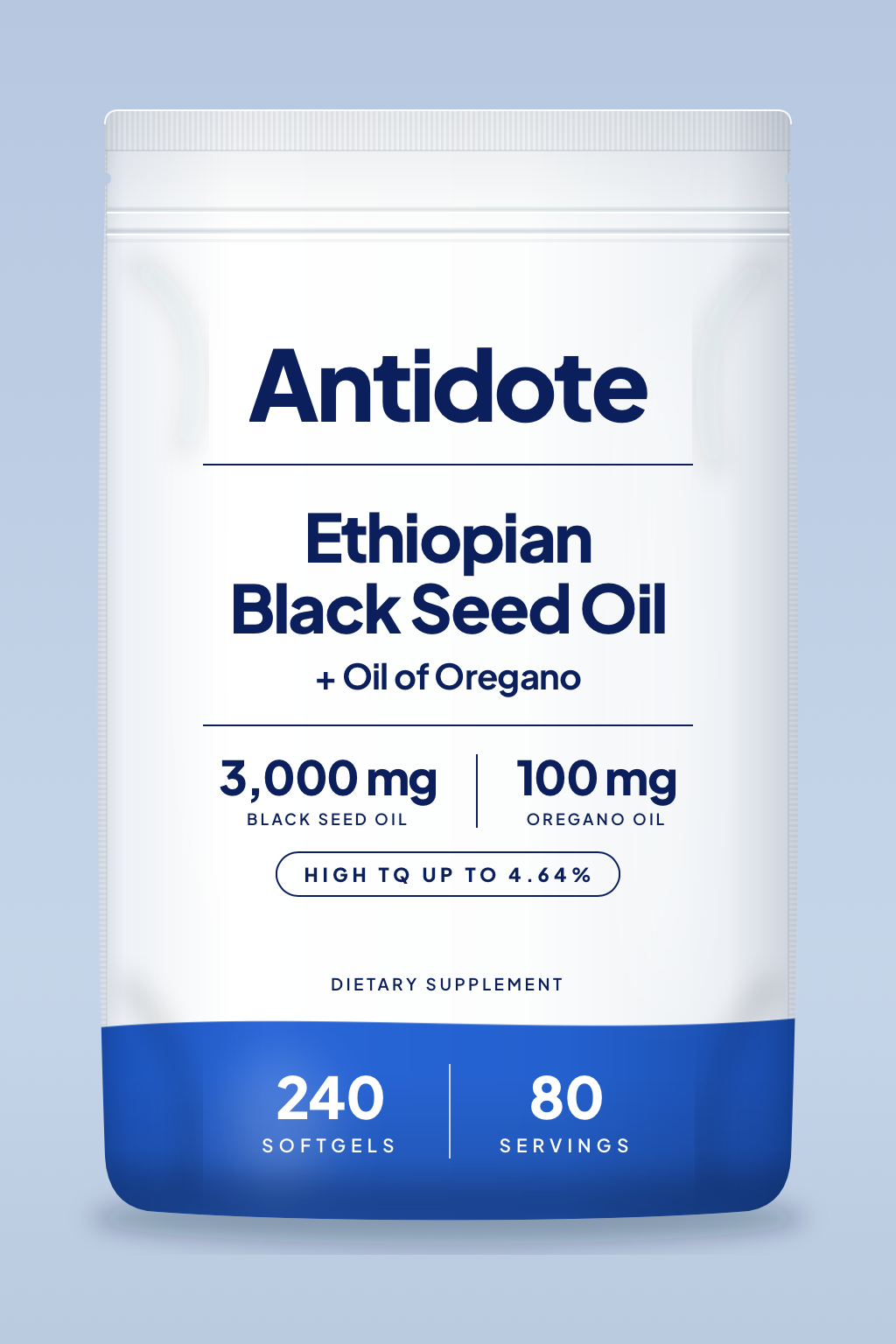
If you dislike the taste or the faff of diluting, softgels are the tidy alternative. The oil is sealed in a measured dose, so there is no contact with your mouth and no counting drops. Combination softgels with black seed oil, like those from Antidote Supplements, keep the oregano oil at a sensible, food-friendly level.
Know the interactions
Oregano oil may slow blood clotting and can add to the effect of anticoagulant and antiplatelet medicines. It may also lower blood sugar, which matters if you take diabetes medication. If you take any regular prescription, a two-minute chat with your pharmacist is time well spent.
Who should steer clear
Oregano oil supplements are not recommended in pregnancy or while breastfeeding without medical advice, and they are not for young children. People allergic to plants in the mint family, such as basil, sage or thyme, should be cautious, as oregano belongs to the same family.
Listen to your body
Stomach upset, heartburn or a rash are signs to stop and reassess. Taking oregano oil with food, lowering the dose, or switching to a gentler combination softgel usually resolves mild irritation. Persistent symptoms deserve a conversation with your GP.
The bottom line
Use oregano oil diluted or in softgels, take it with food, respect the label dose, and check with a pharmacist if you take blood thinners or diabetes medicines. Avoid it in pregnancy unless your clinician agrees.
Medical reviewer
Dr Donald Otasowie
MBBS, FRACGP
Read this next

Safety
Oregano Oil Side Effects and How to Avoid Them
Oregano oil is potent, so a little care goes a long way. The common side effects and the simple ways to avoid them.
Dosage & Timing
How to Take Oregano Oil: Drops, Capsules and Dosage
How to take oregano oil the right way: drops vs capsules, how much, when, and the mistakes to avoid.
Oregano Oil
Oregano Oil Capsules: Benefits, Dosage and How to Choose
What oregano oil capsules offer, how much to take, and the label details that separate a good product from a weak one.

Oregano Oil
Oregano Oil: Benefits, Uses and Side Effects (Complete Guide)
The complete UK guide to oregano oil: what it is, what the research shows, how to take it and who should check first.

Oregano Oil
Oil of Oregano: What It Is and How to Use It
Oil of oregano is the concentrated supplement form of the oregano herb. Here is what it is and how to use it properly.
Oregano Oil
Oregano Oil Benefits: What It Can and Can't Do
Oregano oil has real strengths and real limits. Here is an honest look at what it can and can't do.