United Kingdom
Oil of Wild Oregano: What Makes Wild Oregano Different?
Wild oregano is not just a marketing word. Here is what it means, why it matters for carvacrol content, and what to look for.
Key takeaways
- Wild oregano (Origanum vulgare) grows without cultivation, often in Mediterranean hillsides.
- Wild-harvested plants can have higher carvacrol, the oil's main active compound.
- The label should state the species and the carvacrol percentage, wild or not.
Many oregano oil products say wild on the label. It sounds appealing, but what does it actually mean, and does it make a better oil? Here is the honest answer.
What wild means
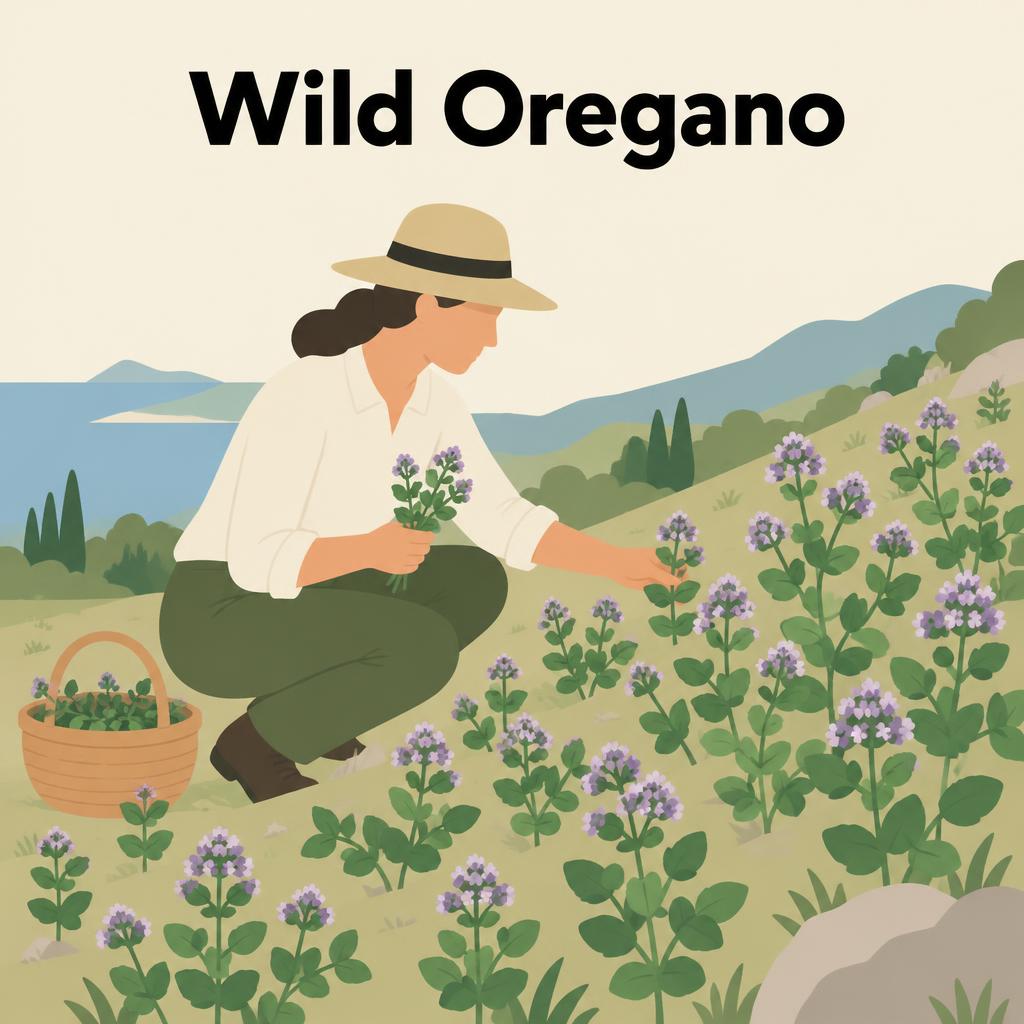
Wild oregano is harvested from plants growing naturally, typically in the Mediterranean region, rather than from farmed crops. The species used for oil of oregano is Origanum vulgare, which grows wild across southern Europe and beyond.[1]
Why it can matter
Plants grown in harsh, sunny, rocky conditions tend to produce more aromatic compounds as a natural defence. That includes carvacrol, the compound most research on oregano oil focuses on.[2] Wild-harvested oregano often tests higher in carvacrol than cultivated oregano, though this varies batch by batch.
What matters more than the word wild
- The species: it should be Origanum vulgare, not the unrelated Mexican oregano or common marjoram.
- The carvacrol percentage: a stated figure, ideally verified by testing.
- The extraction: steam distillation is the standard for a pure essential oil.
- The dilution: oil of oregano supplements are diluted in a carrier oil, and the label should say so.
A note on sustainability
Responsible wild harvesting protects wild populations. Good suppliers harvest sustainably and can tell you where their oregano comes from.
Antidote Supplements
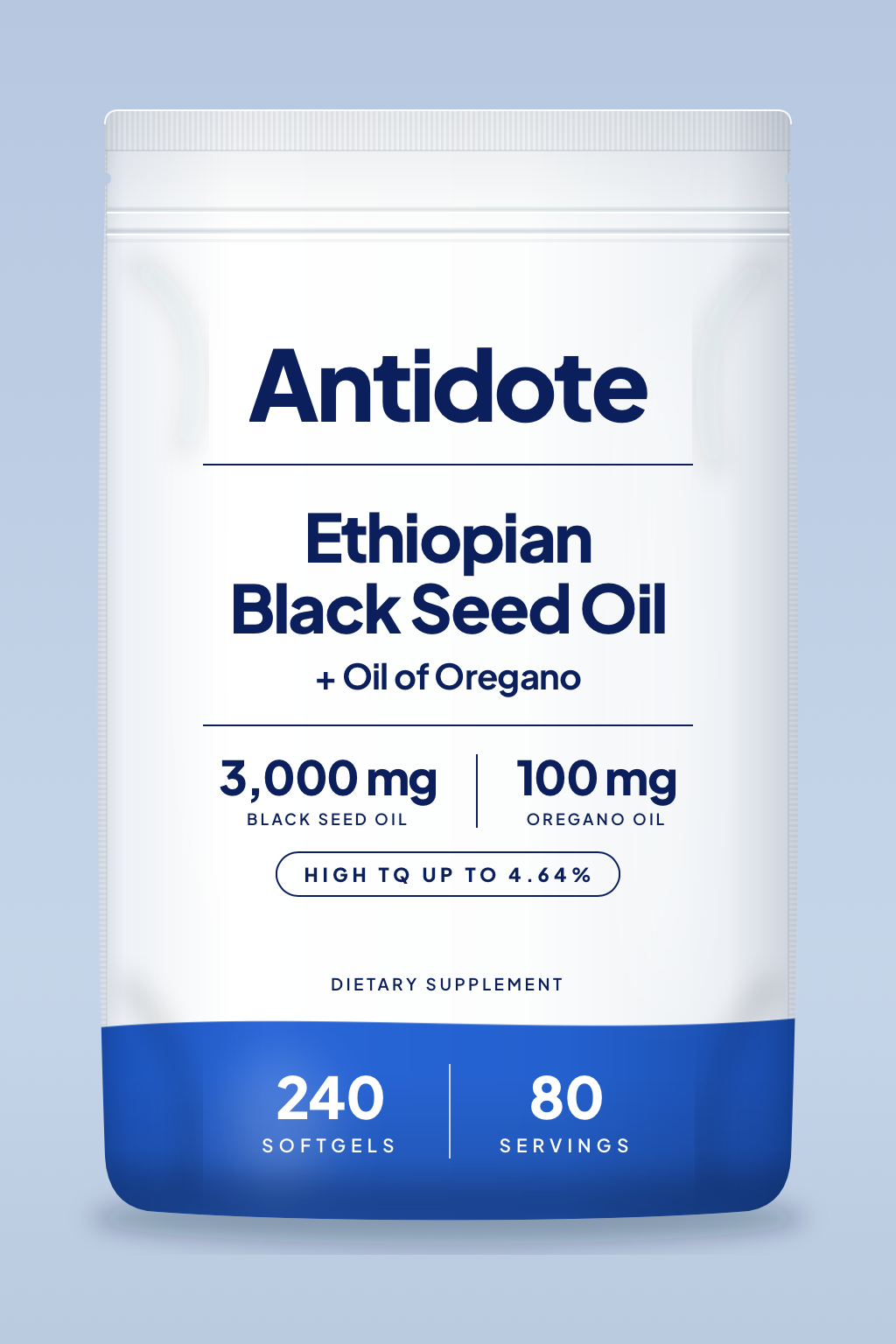
The Antidote Supplements combination softgels contain 3,000 mg black seed oil and 100 mg oregano oil extract per three-softgel serving, with up to 4.64% naturally occurring thymoquinone and 80 servings in each 240-softgel pouch.
The bottom line
Wild oregano can mean higher carvacrol, but the label details matter more than the word. Look for Origanum vulgare, a stated carvacrol percentage and a responsible source.
Medical reviewer
Dr Hemal Patel
General Practitioner
Read this next
Oregano Oil
Oregano Oil: Benefits, Uses and Side Effects (Complete Guide)
The complete UK guide to oregano oil: what it is, what the research shows, how to take it and who should check first.
Oregano Oil
Oil of Oregano: What It Is and How to Use It
Oil of oregano is the concentrated supplement form of the oregano herb. Here is what it is and how to use it properly.
Oregano Oil
Oregano Oil Benefits: What It Can and Can't Do
Oregano oil has real strengths and real limits. Here is an honest look at what it can and can't do.
Oregano Oil
Oregano Oil Capsules: Benefits, Dosage and How to Choose
What oregano oil capsules offer, how much to take, and the label details that separate a good product from a weak one.
Oregano Oil
Advantages of Oregano Oil Over Other Natural Supplements
What sets oregano oil apart from other natural supplements, and where it fits in a simple daily routine.
Oregano Oil
Wild Oregano Oil: Uses and Benefits
What wild oregano oil is used for, what the research on its compounds shows, and how people take it.
Sources
- Leyva-López N, et al. Essential oils of oregano: Biological activity beyond their antimicrobial properties. Molecules. 2017;22(6):989.
- Suntres ZE, Coccimiglio J, Alipour M. The bioactivity and toxicological actions of carvacrol. Critical Reviews in Food Science and Nutrition. 2015;55(3):304–318.
- NHS. Vitamins, supplements and nutrition: herbal remedies and supplements.