United States
Organic Oil of Oregano with Black Seed Oil: Is Organic Worth It?
Organic certification adds cost, but does it add value for these two oils? Here is when the organic label matters and when other things matter more.
Key takeaways
- Organic certification means the plants were grown without synthetic pesticides or fertilisers.
- For concentrated oils, what ends up in the bottle matters most, so third-party testing is as important as the organic label.
- Wild-harvested oregano is naturally low-input even without formal certification.
- Pay for verified potency and purity first; organic is a welcome extra on top.
What the organic label guarantees
Organic certification confirms the oregano and the Nigella sativa were grown without synthetic pesticides, herbicides or fertilisers, and that the supply chain was audited. It is a meaningful standard about how the plants were farmed. What it does not tell you is how potent the final oil is, which is why organic is only part of the quality picture.
Why testing matters as much as certification
An oil can be perfectly organic and still be weak, stale or poorly stored. The numbers that predict your experience are the carvacrol content of the oregano extract and the thymoquinone content of the black seed oil, plus a clean bill from contaminant testing. A brand that publishes batch testing gives you something an organic seal alone cannot: proof of what is actually in the softgel.
The wild oregano wrinkle
Much of the best oregano oil comes from wild-harvested plants, which grow on uncultivated hillsides with no farming inputs at all. Wild crafting is inherently low intervention, but it often carries no organic certificate simply because nobody farms the land. In practice, wild-harvested and organic are different routes to the same goal: a clean, naturally grown plant.
When paying more makes sense
If two products are equal on stated potency and testing, and one carries organic certification, the organic option is a reasonable tie-breaker, especially if avoiding pesticide residues is a priority for you. But do not pay an organic premium for a product that hides its carvacrol and thymoquinone numbers. Verified content first, certification second.
What to look for on the label
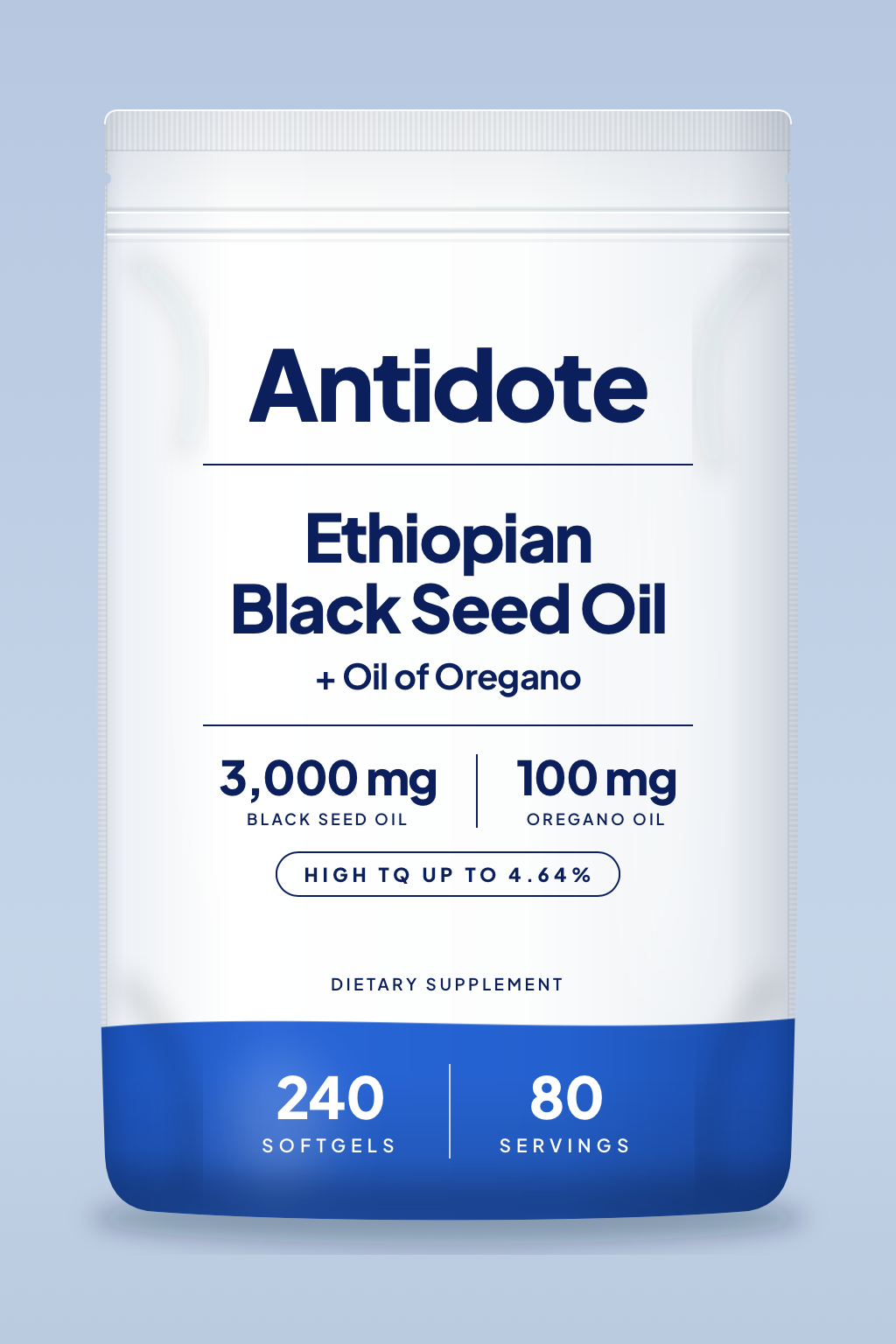
The strongest labels state the black seed oil amount per serving, the oregano oil extract amount, the thymoquinone percentage and the country of origin. Antidote Supplements Ethiopian Black Seed Oil With Oil of Oregano, for example, states 3,000mg of black seed oil and 100mg of oregano oil extract per serving, with up to 4.64% naturally occurring thymoquinone, so you know exactly what you are taking.
The bottom line
Organic certification is a genuine plus, but potency and purity testing matter more for a concentrated oil. Choose a product that states its carvacrol and thymoquinone content and per-serving amounts first, then treat organic as a welcome bonus rather than the deciding factor.
Medical reviewer
Dr Hemal Patel
General Practitioner
Read this next
Black Seed Oil
Organic Black Seed Oil: Is It Worth Paying More?
Organic black seed oil costs more than conventional. Here is what the organic label actually guarantees, what it does not, and how to decide.
Oregano Oil + Black Seed Oil
Wild Oregano Oil with Black Seed Oil: Why 'Wild' Matters
'Wild' on an oregano oil label is more than a rustic selling point. Here is what wild-crafted oregano means and why it pairs so well with black seed oil.
Oregano Oil + Black Seed Oil
Best Oil of Oregano with Black Seed Oil: How to Choose a Good One
What separates a good oil of oregano with black seed oil from a forgettable one: the label checks that actually matter, explained simply.
Oregano Oil
Oil of Oregano: What It Is and How to Use It
Oil of oregano is a concentrated extract of the oregano plant, rich in carvacrol. Here is what it is, what it does, and how to use it safely.
Oregano Oil
Oregano Oil: Benefits, Uses and Side Effects (Complete Guide)
Oregano oil is one of the most popular herbal supplements in the US. Here is what the research supports, how to use it, and who should be careful.
Oregano Oil
Oregano Oil Capsules: Benefits, Dosage and How to Choose
Oregano oil capsules are the easiest way to take this potent oil. Here is what they do, how much to take, and what to check on the label.