What Is Oil of Oregano? Uses, Benefits and How It's Made
Oil of oregano is a concentrated extract of wild oregano, not the cooking herb. Here's what it is and what it may do.
Key takeaways
- Oil of oregano is a concentrated extract, usually from wild Mediterranean oregano (Origanum vulgare), not the dried herb you cook with.
- Its main active compound, carvacrol, has antimicrobial and antioxidant properties in lab studies.
- It's sold as a diluted oil, capsules or drops — never apply or swallow it undiluted.
- Human research is limited; most strong evidence is from lab and small studies.
Oil of oregano shows up in natural health aisles as drops, capsules and softgels, often described as a strong, peppery-tasting remedy for colds, digestion or skin. But what actually is it, and how does it differ from the oregano in your spice rack?
What is oil of oregano made from?
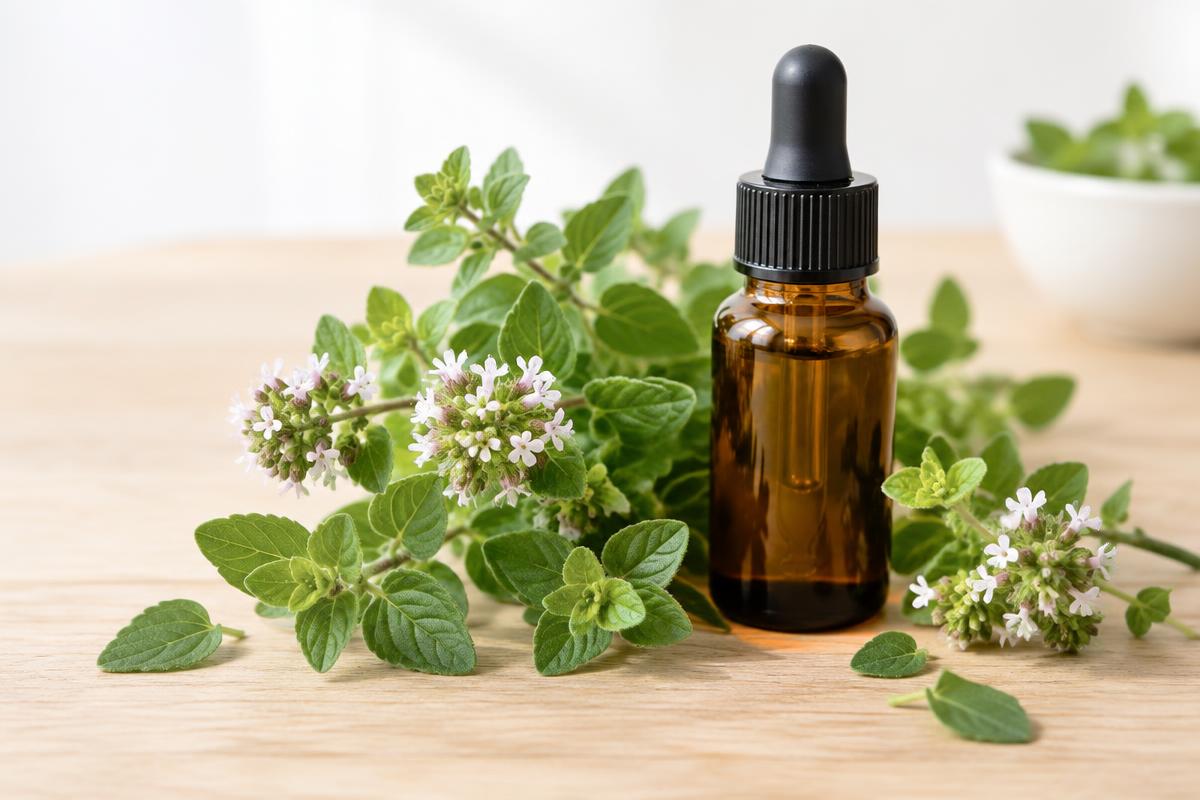
Oil of oregano is typically steam-distilled from the leaves and flowers of wild Mediterranean oregano (Origanum vulgare), sometimes called wild marjoram. This is a different, more potent plant than the milder culinary oregano used in cooking.
The distillation process concentrates the plant's volatile oils, producing a liquid rich in phenolic compounds — mainly carvacrol and thymol — at levels far higher than you'd get from eating oregano on pizza.
What does carvacrol do?
Carvacrol is the compound most researchers focus on. In lab studies, it has shown antibacterial, antifungal and antioxidant activity against a range of microbes, including Candida albicans and common foodborne bacteria.[1][2] Learn more in our guide to carvacrol.
Common uses of oil of oregano
- Immune support during colds — though evidence is mostly traditional and lab-based, not strong clinical trials.
- Digestive discomfort, including bloating sometimes linked to small intestinal bacterial overgrowth.
- Skin issues like fungal infections, used topically and heavily diluted.
- General antimicrobial use, often alongside black seed oil.
How is it different from oregano essential oil?
"Oil of oregano" sold for internal use is usually a diluted product (in olive oil or similar) meant to be taken by mouth in small drops. Pure oregano essential oil is far more concentrated and generally not meant to be swallowed undiluted — always check the label.
How to take oil of oregano safely
- Choose a product labeled for internal use with a clear carvacrol percentage.
- Dilute drops in water or juice, or take in capsule form.
- Follow label dosing — don't exceed a few weeks of continuous daily use without a break.
- Avoid if pregnant, breastfeeding, or on blood thinners, without medical advice.
When to see a doctor
Black seed oil and oregano oil are not a substitute for diagnosis or prescribed treatment. See a healthcare professional if symptoms are severe, getting worse or not improving.
Frequently asked questions
Is oil of oregano the same as the oregano you cook with?
No. It's a concentrated extract of a wild, more potent oregano variety, distilled to concentrate carvacrol and thymol far beyond culinary levels.
Can you take oil of oregano every day?
Many people cycle it — a few weeks on, then a break — rather than using it continuously for months, though research on long-term daily use is limited.
Does oil of oregano need to be diluted?
Yes, both for internal drops (in water or juice) and especially for skin use, where undiluted oil can burn.
The bottom line
Oil of oregano is a concentrated plant extract valued mainly for carvacrol's antimicrobial properties in lab research. Evidence in people is still limited, so use it as a complementary step, diluted and in moderation.
Read this next

Carvacrol
What Is Carvacrol in Oregano Oil?
Meet carvacrol — the compound behind oregano oil's reputation.
Oregano Oil
Oregano Oil Benefits and Uses
Oregano oil is potent and well studied in the lab. Here's how it may help and how to use it safely.
Oregano Oil
Is Oil of Oregano the Same as Oregano Oil?
Same oil, two names — but not every product labelled 'oregano oil' is the same.
Safety
Oil of Oregano Side Effects and Safety
The side effects to know and who should avoid oregano oil.
Oregano Oil
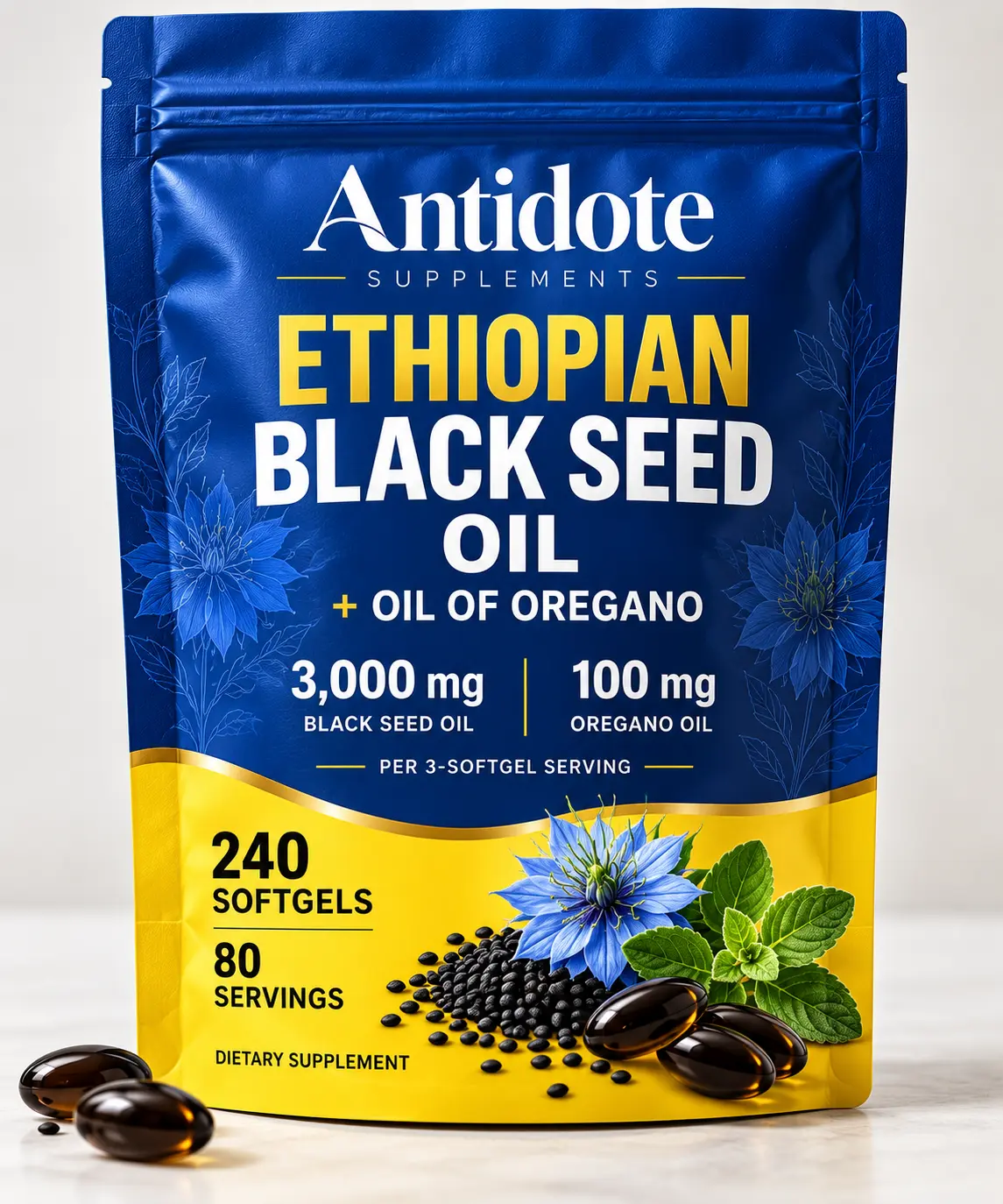
Oregano Oil Capsules vs Liquid: Which Is Better?
Softgels vs drops — taste, dosing and carvacrol content.
Oregano Oil
Oregano Oil With Carvacrol: What the Percentage Actually Means
Carvacrol percentage is the main way oregano oils are marketed. Here's how to actually interpret that number.
Sources
- Leyva-López N, Gutiérrez-Grijalva EP, Vazquez-Olivo G, Heredia JB. Essential oils of oregano: biological activity beyond their antimicrobial properties. Molecules. 2017;22(6):989.
- Suntres ZE, Coccimiglio J, Alipour M. The bioactivity and toxicological actions of carvacrol. Crit Rev Food Sci Nutr. 2015;55(3):304-318.
- Manohar V, Ingram C, Gray J, et al. Antifungal activities of origanum oil against Candida albicans. Mol Cell Biochem. 2001;228(1-2):111-117.