Australia
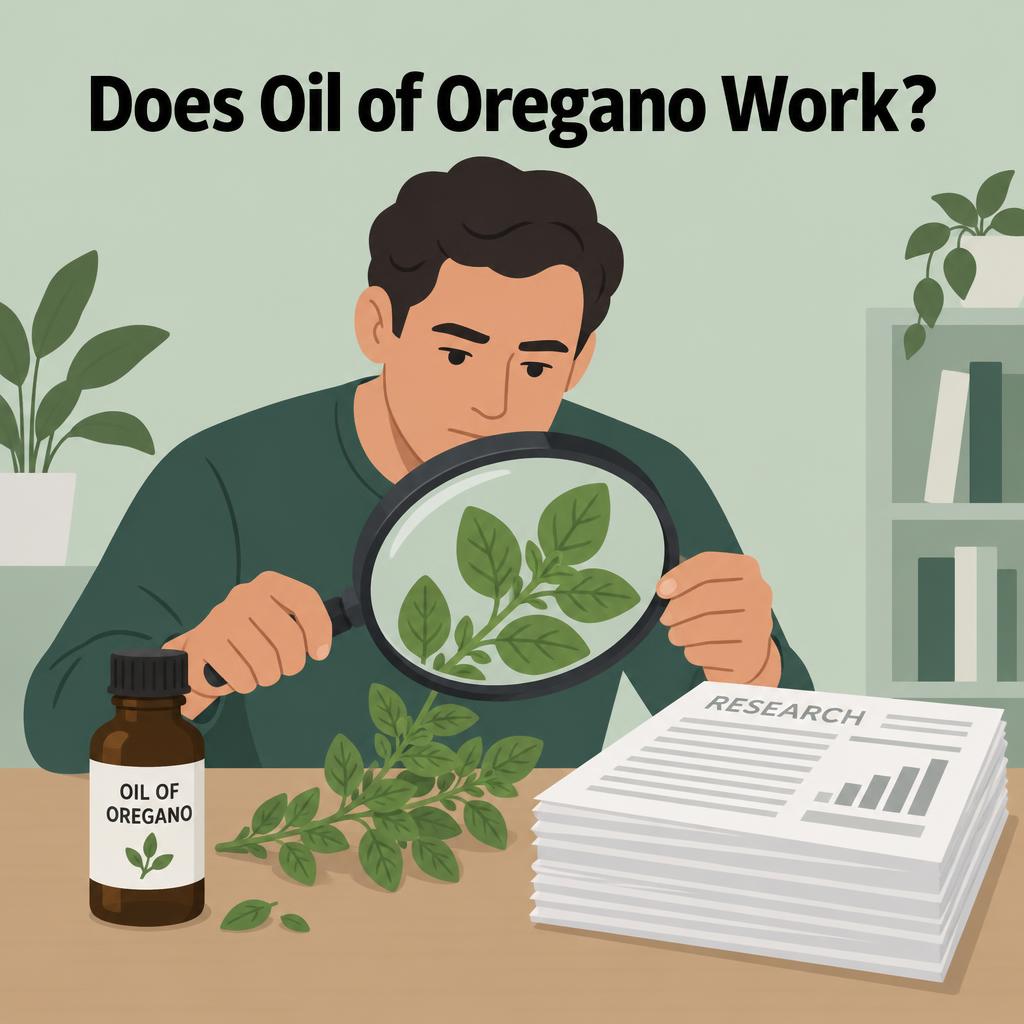
Does Oil of Oregano Actually Work? A Clear Look at the Evidence
Oregano oil's natural compounds, carvacrol and thymol, show impressive activity in the lab. Here is what that means for everyday use.
Key takeaways
- Carvacrol and thymol give oregano oil its strong antimicrobial and antioxidant activity.
- Much of the research is laboratory and animal work, with human studies growing.
- Quality and dose matter, so choose a clearly labelled product.
Oil of oregano is one of the most popular herbal oils in Australia. Its reputation rests on two powerful plant compounds.
What makes oregano oil active
Carvacrol and thymol are the main compounds in oregano oil. Reviews describe broad antimicrobial, antioxidant and anti-inflammatory activity.[1][2]
What studies have looked at
- Activity against bacteria and fungi in laboratory tests.
- Antioxidant effects.
- Gut comfort and digestive support.
- Use alongside a healthy routine for seasonal wellness.
Lab results and everyday use
Laboratory results show what oregano compounds can do, and human research continues to build. Many people enjoy oregano oil as part of their daily wellness routine.
Using it well
Take oregano oil diluted or in softgels with food, follow label directions and ask a pharmacist first if you take medicines or are pregnant.[3]
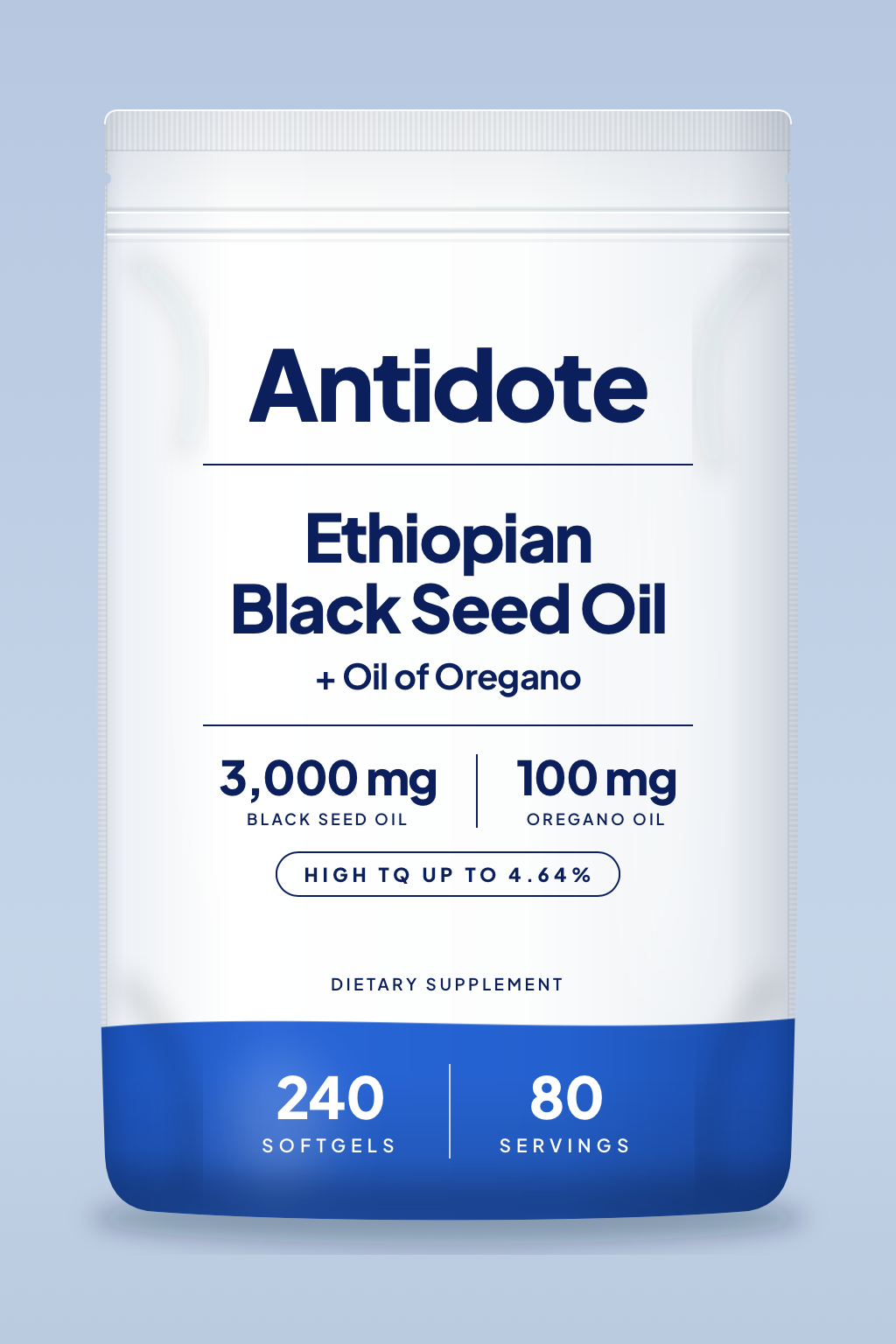
Antidote Supplements
The Antidote Supplements combination softgels contain 3,000 mg black seed oil and 100 mg oregano oil extract per three-softgel serving, with up to 4.64% naturally occurring thymoquinone and 80 servings in each 240-softgel pouch. Each serving pairs oregano with black seed oil.
The bottom line
Oil of oregano is rich in carvacrol and thymol, compounds with strong research interest. Choose a clearly labelled product, take it with food and follow the label.
Medical reviewer
Dr Ali Ziabari
MBChB, FRACGP
Read this next
Safety
Oregano Oil Side Effects and How to Avoid Them: Australian Guide
Make informed oregano supplement choices, recognise unwanted reactions and know when professional or urgent advice is needed.
Oregano Oil
Does Oregano Oil Kill Parasites? What the Evidence Says in Australia
Understand the small human oregano pilot study, why it does not establish a parasite treatment and when Australian readers should seek testing.
Oregano Oil
Oregano Oil and UTIs: What the Research Says for Australians
Laboratory interest in carvacrol is real, but a UTI needs proper diagnosis. Here is how the research and Australian care fit together.
Oregano Oil
Does Oregano Oil Help with Constipation? An Australian Guide
Oregano oil is popular for digestive wellbeing, but evidence for constipation is limited. Here are the steps that are proven to help.
Oregano Oil
Does Oil of Oregano Lower Cholesterol? An Australian Evidence Guide
A small study of oregano distillate reported changes in cholesterol markers. Here is what it means and how it fits with proven care.
Oregano Oil
Is Oregano Oil Toxic? Safe Limits Explained for Australians
Culinary oregano, oral supplements and essential oils carry very different risks. Learn how toxicity depends on form, dose and who is exposed.
Sources
- Leyva-López N, et al. Essential oils of oregano: Biological activity beyond their antimicrobial properties. Molecules. 2017;22(6):989.
- Suntres ZE, Coccimiglio J, Alipour M. The bioactivity and toxicological actions of carvacrol. Critical Reviews in Food Science and Nutrition. 2015;55(3):304–318.
- National Center for Complementary and Integrative Health. Using Dietary Supplements Wisely.