United States
Is Oil of Oregano Antiviral?
Lab studies show oregano oil and carvacrol can inactivate certain viruses in a dish. Here is what that does and does not mean for you.
Key takeaways
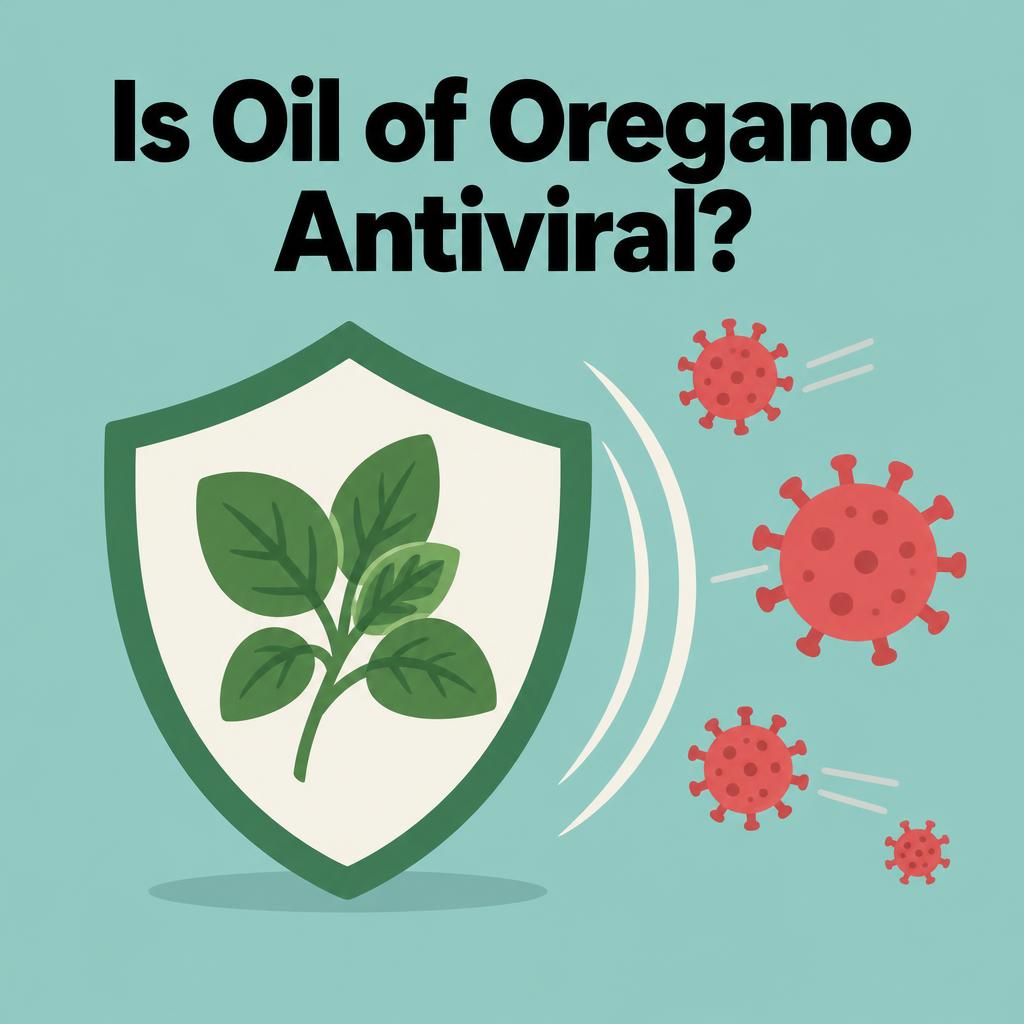
- Laboratory studies show carvacrol and oregano oil can inactivate certain viruses in test-tube settings.
- Test-tube results do not prove the same effect happens inside the human body.
- No human trials show oregano oil prevents or treats viral infections.
- Its sensible role is general immune support, not antiviral treatment.
What the lab studies found
In laboratory settings, oregano oil and its main compound carvacrol have shown genuinely interesting antiviral activity. Studies report the compounds can damage the outer envelope of certain viruses in a dish, including some cold-causing and stomach viruses, reducing their ability to infect cells. Researchers have been curious about carvacrol as a natural surface sanitiser and food preservative for exactly this reason.
Why a dish is not a body
A test tube delivers the compound directly to the virus at a controlled concentration. Your body is a very different environment: the oil is digested, metabolised and distributed in tiny amounts, and there is no established way to recreate lab conditions inside you. Many substances that are antiviral in a dish, from bleach to vinegar, are not antiviral medicines. The leap from bench to body is where most candidates fail.
What human research says
There are no quality human trials showing that taking oil of oregano prevents or treats a viral infection. What exists is a long traditional history of use during cold season, promising lab data, and early research on oregano oil's antioxidant and soothing properties, which together support its role as general immune-season wellness rather than anything more specific.
What actually protects you
The proven antiviral toolkit is boring but effective: vaccination where available, hand washing, rest, and medical care when you are genuinely unwell. Supplements can complement that foundation but never replace it. If you have a significant infection, see a doctor rather than reaching for the supplement shelf.
The sensible takeaway
Many people take oil of oregano daily through autumn and winter as part of looking after their immune system, and the traditional use and lab research make that a reasonable choice. A combination softgel with black seed oil, whose thymoquinone is itself studied for immune-relevant antioxidant activity, covers two traditional oils in one habit. Just keep expectations honest: support, not treatment.
The bottom line
Oregano oil shows antiviral activity in laboratory studies, but there is no human evidence that it prevents or treats viral infections. Its honest role is everyday immune support alongside the proven basics: vaccination, hygiene, rest and medical care when needed.
Medical reviewer
Dr Nisar Hussain
MBBS, DTCD, FRACGP
Read this next
Oregano Oil
Does Oil of Oregano Help with Colds?
Oil of oregano is a popular cold-season remedy. Here is what the research can and cannot tell us about it.
Oregano Oil
What Is Oil of Oregano Good For?
Oil of oregano is best known for immune and gut support. Here is what it is actually good for, based on the research and traditional use.
Dosage & Timing
Can You Take Oil of Oregano Daily?
Oil of oregano can be taken daily at sensible supplemental doses, and many people do. Here is how to make a daily routine work well.
Oregano Oil
Does Oil of Oregano Kill Parasites? What the Research Says
Oil of oregano has a long folk reputation against parasites, and one small human trial exists. Here is what the evidence actually shows.
Oregano Oil
Can Dogs Have Oil of Oregano?
Oil of oregano is popular in human wellness, but dogs are not small humans. Here is what to know before sharing it with your pet.
Oregano Oil
Does Oil of Oregano Make You Poop?
Some people notice looser stools when they start oil of oregano. Here is why that can happen and when it is a sign to adjust.