Anti-Inflammatory Supplements: Best Options and What to Avoid
Chronic inflammation is linked to many health conditions, and diet plays a bigger role than most supplements.
Key takeaways
- Chronic low-grade inflammation is linked to conditions like heart disease, diabetes, and joint pain.
- Diet changes often have a bigger impact on inflammation than any single supplement.
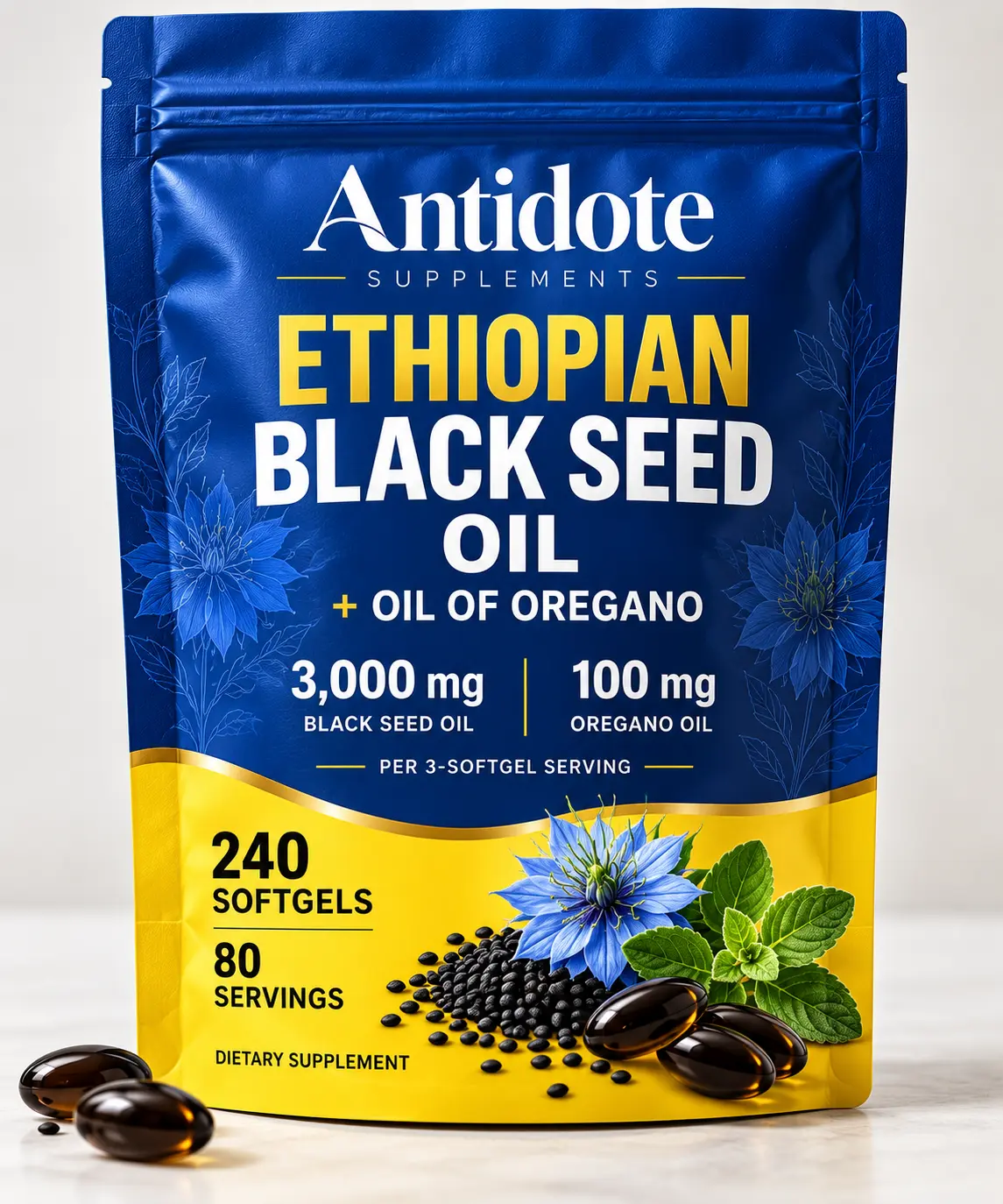
- Black seed oil's thymoquinone and oregano oil's carvacrol both show anti-inflammatory activity in lab and animal studies.
- Some foods, including refined carbs and certain fried foods, are more consistently linked to higher inflammation than bananas or other whole fruits.
Inflammation is a normal, necessary process — but when it becomes chronic and low-grade, it's linked to a wide range of health conditions. Here's what the evidence says about managing it.
What is the best supplement for inflammation?
There's no single 'best' supplement, since inflammation has many causes and no supplement is a complete fix. That said, some options with reasonable evidence include omega-3 fatty acids, curcumin (from turmeric), and plant compounds like thymoquinone found in black seed oil.[1] Oregano oil's carvacrol has shown anti-inflammatory activity in lab studies as well.[2]
What foods are linked to inflammation?
| Food/Drink | Link to inflammation |
|---|---|
| Refined carbs & sugary drinks | Consistently linked to higher inflammatory markers |
| Fried & processed foods | Associated with increased inflammation in observational studies |
| Excess alcohol | Linked to higher inflammation markers with regular heavy use |
| Bananas | Not linked to increased inflammation — contain fiber and antioxidants |
Bananas are often searched as a possible inflammatory food, but there's no solid evidence they increase inflammation. They contain fiber, potassium, and antioxidant compounds.
Can you test for inflammation?
Blood tests like C-reactive protein (CRP) or erythrocyte sedimentation rate (ESR) can indicate cellular or systemic inflammation, though they aren't disease-specific. If you're concerned about chronic inflammation, these are worth discussing with a doctor rather than relying on symptoms alone.
Where do black seed oil and oregano oil fit?
Both have shown anti-inflammatory effects in lab and animal research, largely through their active compounds thymoquinone and carvacrol. Human trial data is more limited, so they're best viewed as a complementary step alongside diet and lifestyle changes, not a replacement for anti-inflammatory medication when that's needed.
When to see a doctor
Black seed oil and oregano oil are not a substitute for diagnosis or prescribed treatment. See a healthcare professional if symptoms are severe, getting worse or not improving.
Frequently asked questions
Do bananas cause inflammation?
No — there's no good evidence bananas increase inflammation. They contain fiber and antioxidants.
Is there a reliable cellular inflammation test?
Blood markers like CRP and ESR can indicate inflammation, though they're general markers, not specific diagnoses. Ask a doctor about testing if you're concerned.
Can black seed oil replace anti-inflammatory medication?
No. It shows anti-inflammatory activity in studies but hasn't been proven as a substitute for prescribed medication.
The bottom line
Managing inflammation starts with diet and lifestyle — limiting refined carbs, processed foods and excess alcohol — rather than relying on any single supplement. Black seed oil and oregano oil may offer a complementary boost, backed mostly by lab and animal evidence so far.
Read this next
Black Seed Oil
Black Seed Oil Benefits: What the Research Says
From skin health to blood sugar, here's what studies on black seed oil actually show.
Black Seed Oil
Antioxidant Supplements: What Can They Actually Do?
Antioxidants help neutralize unstable molecules called free radicals, but not every supplement delivers meaningful benefits.
Inflammation & Immune Health
Black Seed Oil and Oregano Oil for Inflammation
How thymoquinone and carvacrol act on inflammation, and what helps most.
Black Seed Oil
What Does Black Seed Oil Taste Like?
Bold, bitter and peppery — here's what to expect from black seed oil's taste, and how to skip it.
Black Seed Oil
Is Black Seed Oil a Binder? What the Term Actually Means
'Binder' is a wellness term, not a medical one. Here's where black seed oil and oregano oil fit.
Black Seed Oil
Black Seed Oil for Hair: Benefits and How to Use It
A simple scalp routine, realistic results and how it compares with hair vitamins.