United Kingdom
Black Cumin Seed Oil: A Complete Guide
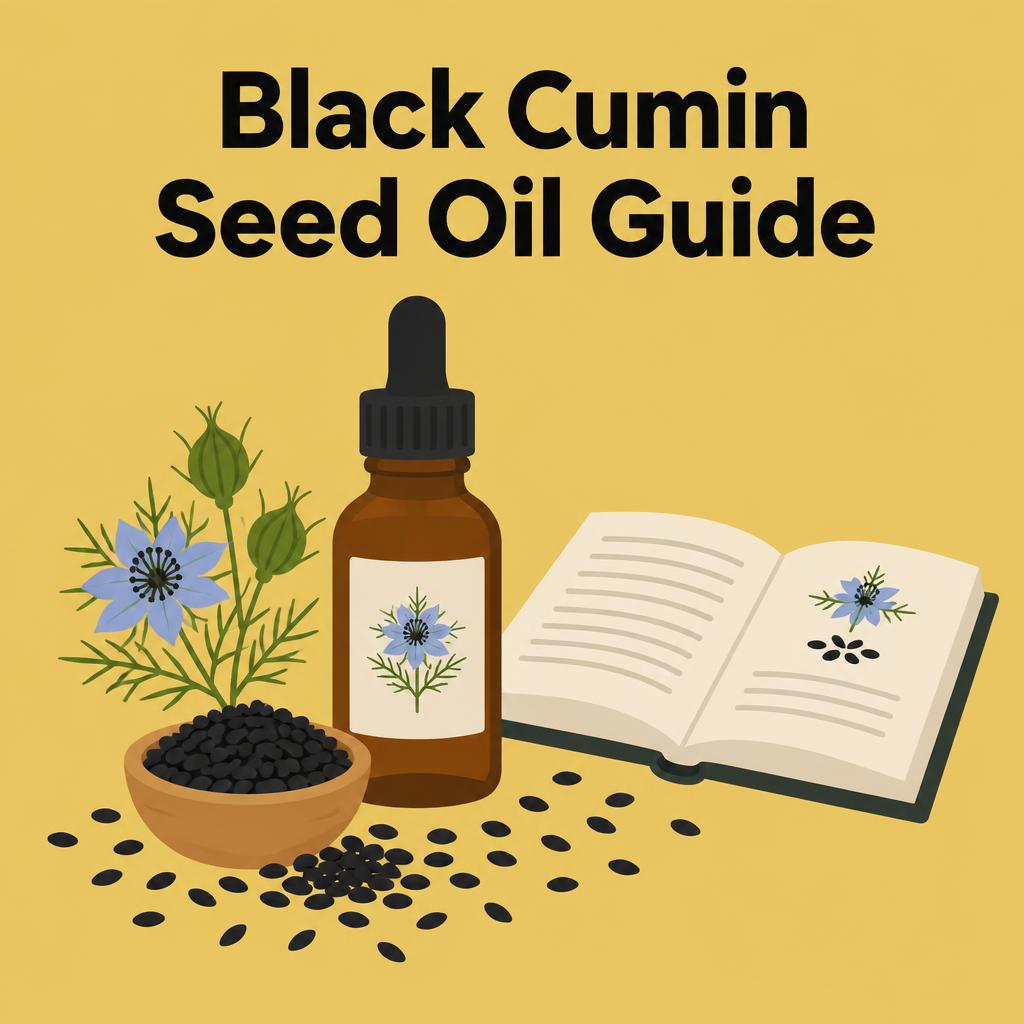
Black cumin seed oil is black seed oil by another name. This guide covers what it is, the research and how to take it.
Key takeaways
- Black cumin seed oil comes from Nigella sativa, the same plant as black seed oil.
- It is not the same as kitchen cumin.
- Human trials link it to favourable metabolic markers.
Black cumin seed oil is one of the most searched names for this supplement, and one of the most misunderstood. This guide clears it up and covers everything you need to know.
What it is
Black cumin seed oil is pressed from the seeds of Nigella sativa. Despite the name, it has nothing to do with the cumin in your spice rack. It is exactly the same oil sold as black seed oil.[1]
What the research shows
A 2023 overview of systematic reviews linked Nigella sativa to favourable changes in blood sugar, cholesterol, blood pressure and some inflammation markers.[2] Its key compound, thymoquinone, is a well studied antioxidant.[1]
How to take it
Follow the label serving and take it with food each day. Liquid drops have a strong, peppery taste; many people mix them into a little juice or honey.
How to choose a quality product
- The label states Nigella sativa.
- The amount of oil per serving is clear.
- The thymoquinone content is stated, a mark of a serious brand.[3]
Who should check first
Ask a GP or pharmacist first if you are pregnant, breastfeeding or take medicines, especially for blood sugar or blood pressure.[3]
Antidote Supplements
Antidote Supplements Ethiopian Black Seed Oil comes as 50 mL liquid drops; follow the label directions.
The bottom line
Black cumin seed oil is black seed oil under another name: the same Nigella sativa oil with the same research behind it. Check the Latin name, take the label serving and stay consistent.
Medical reviewer
Dr Nisar Hussain
MBBS, DTCD, FRACGP
Read this next
Nigella sativa
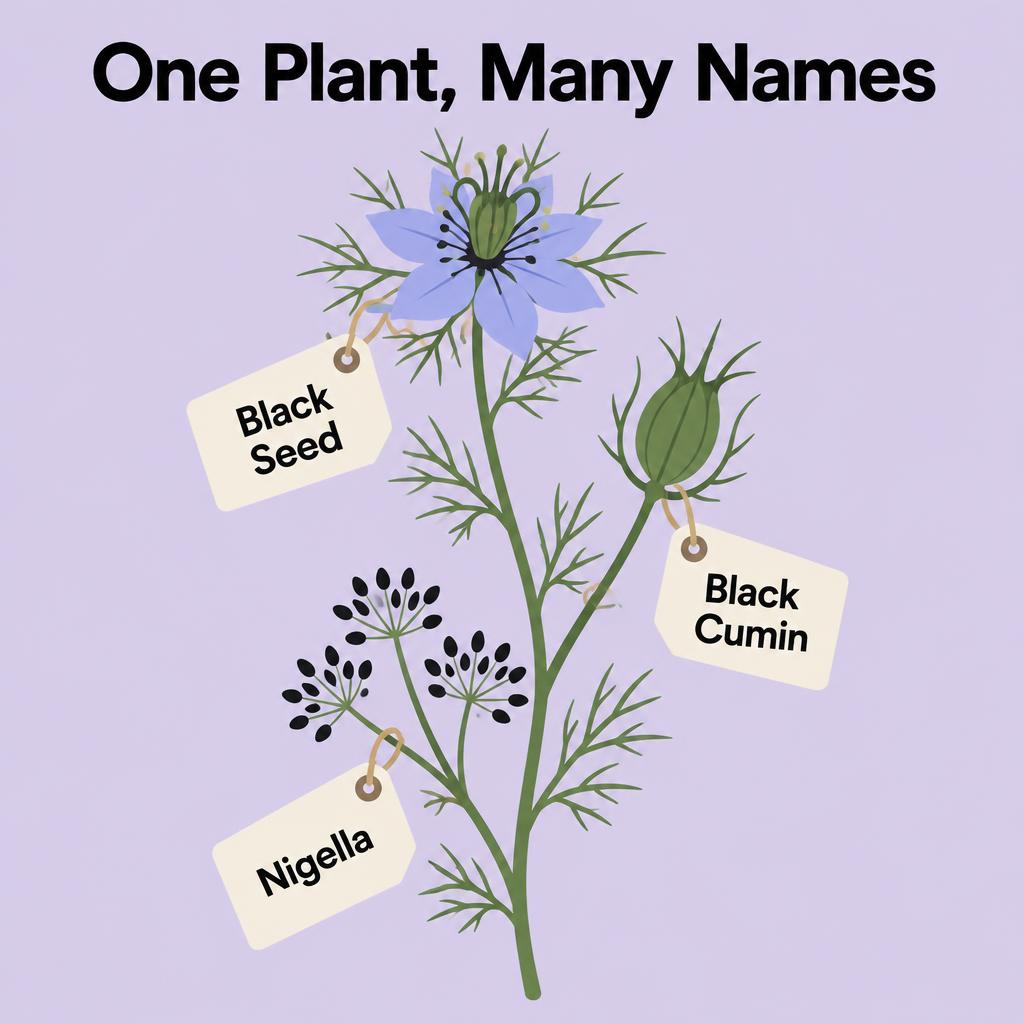
Black Seed vs Black Cumin Seed Oil: One Plant, Many Names
Black seed oil and black cumin seed oil come from the same plant, Nigella sativa. Here is why the two names exist and what to look for.
Black Seed Oil
Black Seed Oil: Benefits, Uses and Side Effects (Complete Guide)
The complete UK guide to black seed oil: what it is, what the research shows, how to take it and who should check first.
Black Seed Oil
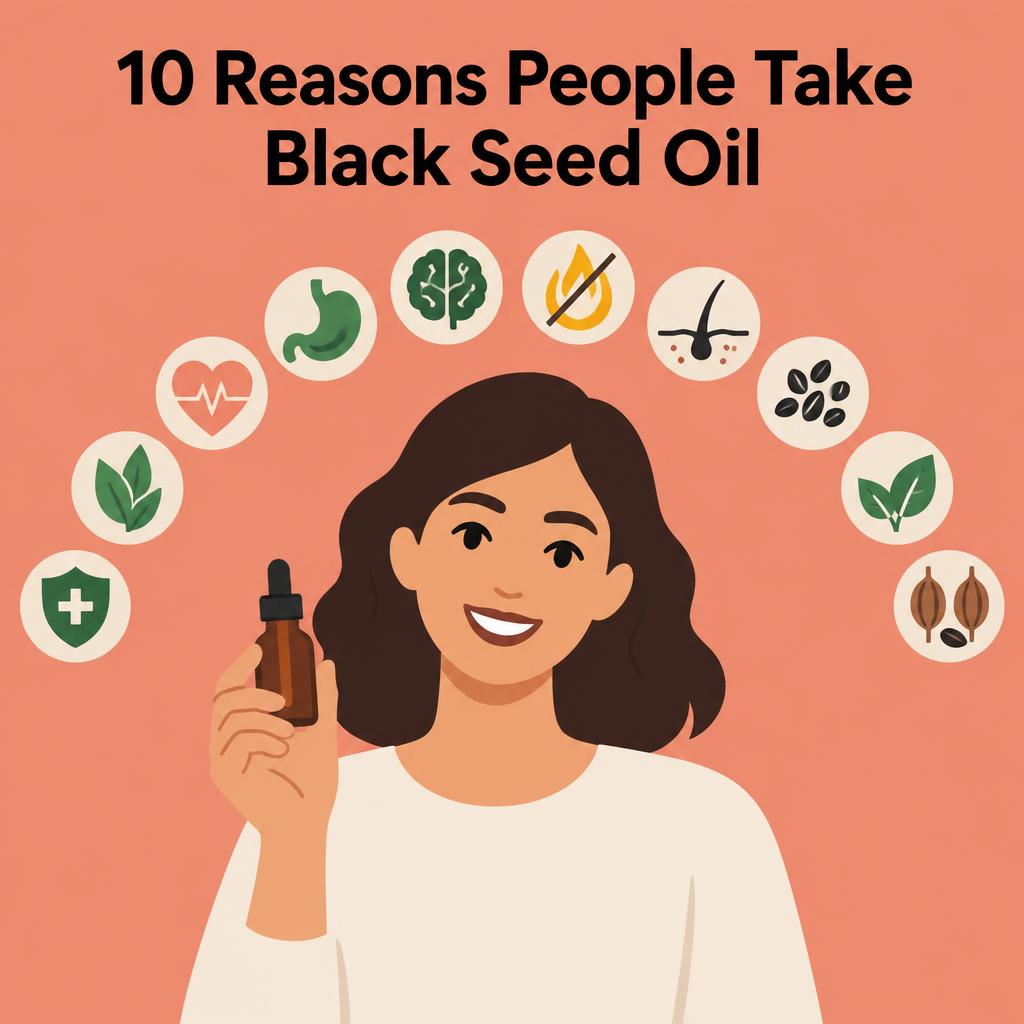
Black Seed Oil Benefits: 10 Reasons People Take It
From metabolic support to antioxidant intake, here are the ten most common reasons people take black seed oil every day.
Black Seed Oil
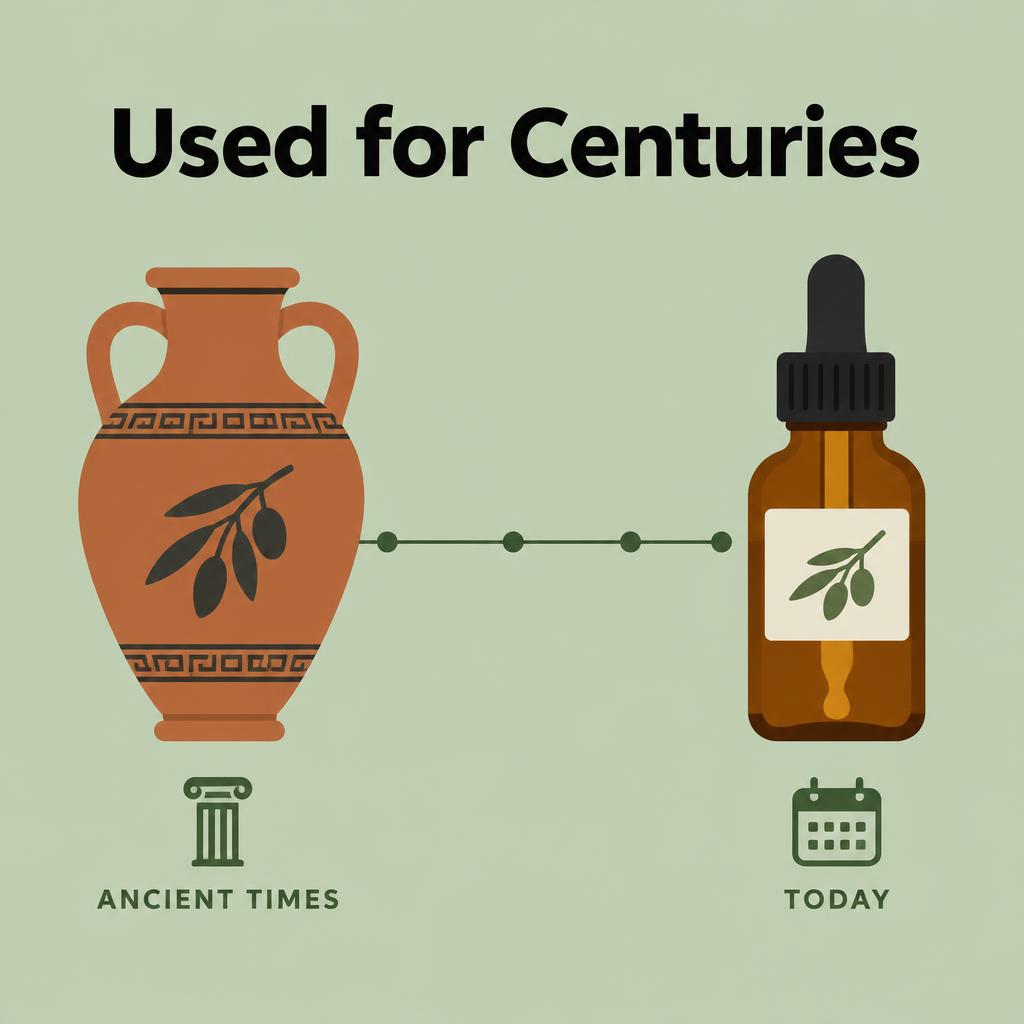
Advantages of Black Seed Oil: Why It's Been Used for Centuries
Black seed oil has been used for over two thousand years. Here is why it has lasted, and what modern research adds.
How to Use
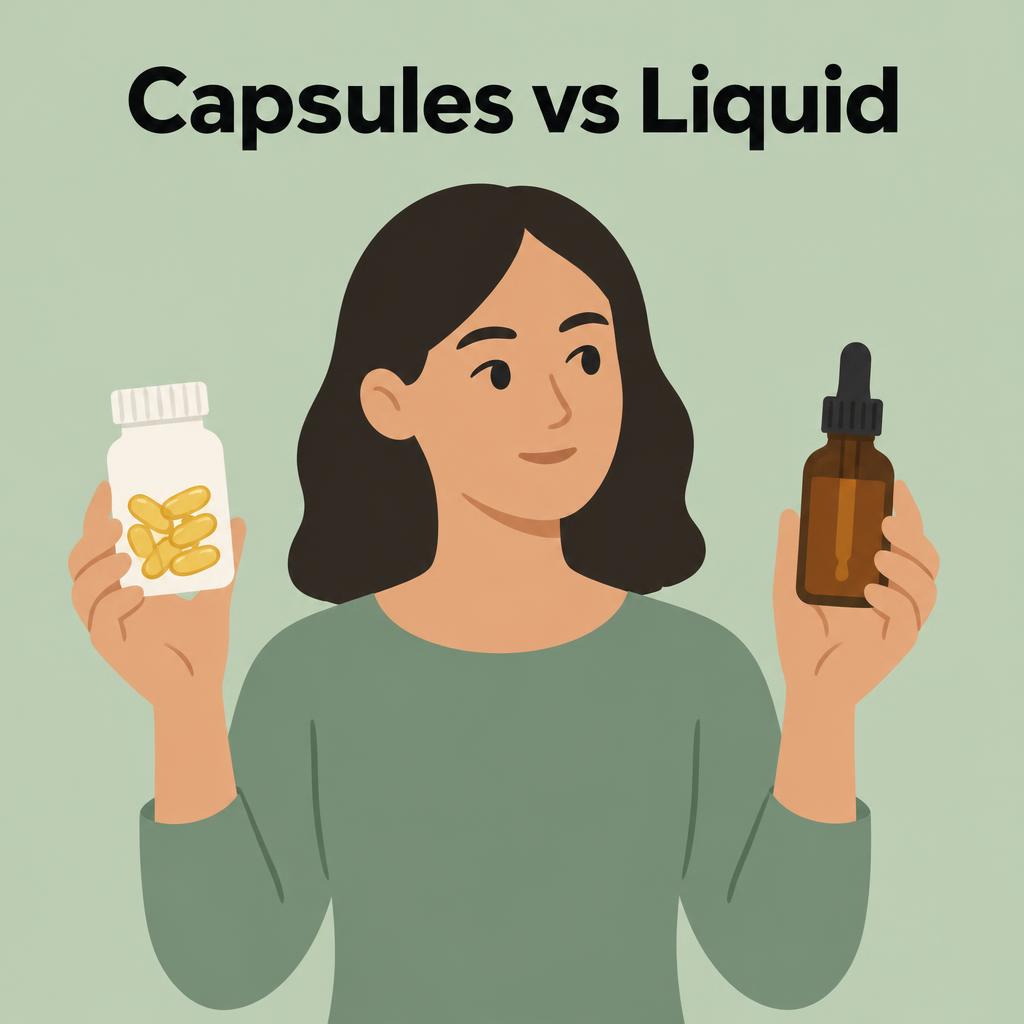
Black Seed Oil Capsules vs Liquid: Which Is Better?
Capsules or liquid drops? Here is how the two formats compare on taste, convenience, dose control and value.

Dosage & Timing
Black Cumin Seed Oil Pills: Dose, Timing and Quality
How much black cumin seed oil to take, when to take it, and how to tell a quality pill from a poor one.
Sources
- Ahmad A, et al. A review on therapeutic potential of Nigella sativa: A miracle herb. Asian Pacific Journal of Tropical Biomedicine. 2013;3(5):337–352.
- Li Z, et al. Nigella sativa and health outcomes: An overview of systematic reviews and meta-analyses. Frontiers in Nutrition. 2023;10:1107750.
- NHS. Vitamins, supplements and nutrition: herbal remedies and supplements.
