United Kingdom
Black Seed Oil: Benefits, Uses and Side Effects (Complete Guide)
The complete UK guide to black seed oil: what it is, what the research shows, how to take it and who should check first.
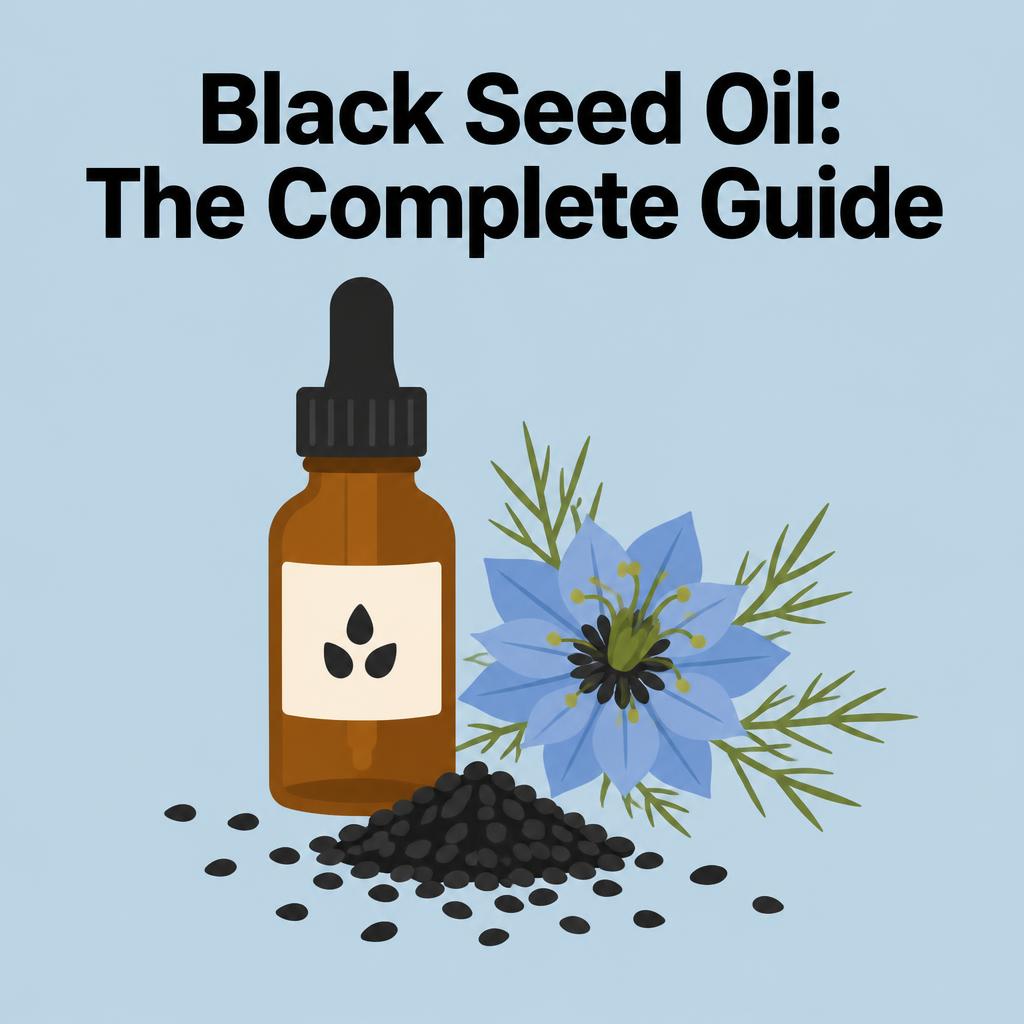
Key takeaways
- Black seed oil comes from Nigella sativa seeds and supplies thymoquinone.
- Human trials link it to favourable changes in blood sugar and cholesterol.
- Most adults tolerate it well at label amounts; some should check with a GP first.
Black seed oil is one of the most researched herbal supplements in the world. This complete guide covers what it is, what the evidence shows, how to take it and who should check with a doctor first.
What is black seed oil?
Black seed oil is pressed from the seeds of Nigella sativa, a flowering plant grown across the Middle East, Africa and South Asia. Its best known active compound is thymoquinone, an antioxidant that researchers have studied for decades.[1]
What the research shows
A 2023 overview of systematic reviews and meta-analyses found Nigella sativa was associated with favourable changes in blood sugar, cholesterol, blood pressure and some inflammation markers.[2] These are supportive benefits, not treatments.
Common uses
- Daily metabolic support.
- Antioxidant intake.
- Digestive comfort, its longest traditional use.
- Skin and hair care, where the liquid oil is applied or added to routines.
How to take it
Follow the serving size on your product's label and take it with food. Consistency matters more than timing; most studies run for eight to twelve weeks of daily use.[2]
Side effects and who should check first
Most healthy adults tolerate black seed oil well. Some people notice mild stomach upset, which taking it with food usually settles. Ask a GP or pharmacist first if you are pregnant, breastfeeding, or take medicines for blood sugar, blood pressure or blood clotting.[3]
Antidote Supplements
Antidote Supplements Ethiopian Black Seed Oil comes as 50 mL liquid drops; follow the label directions.
The bottom line
Black seed oil is a well researched supplement that supports metabolic and antioxidant health. Take the label serving daily with food, and check with a GP if you take medicines or are pregnant.
Medical reviewer
Dr Darren So
FRACGP, DCH, MBBS, BSc, RANZCOG, MYMH
Read this next

Nigella sativa
Black Seed Oil (Nigella Sativa): The Science Behind the Seed
What makes Nigella sativa so studied? A look at the science behind black seed oil, from thymoquinone to human trials.
Black Seed Oil
Black Seed Oil Benefits: 10 Reasons People Take It
From metabolic support to antioxidant intake, here are the ten most common reasons people take black seed oil every day.
Black Seed Oil
Black Cumin Seed Oil: A Complete Guide
Black cumin seed oil is black seed oil by another name. This guide covers what it is, the research and how to take it.
Black Seed Oil
Advantages of Black Seed Oil: Why It's Been Used for Centuries
Black seed oil has been used for over two thousand years. Here is why it has lasted, and what modern research adds.
How to Use
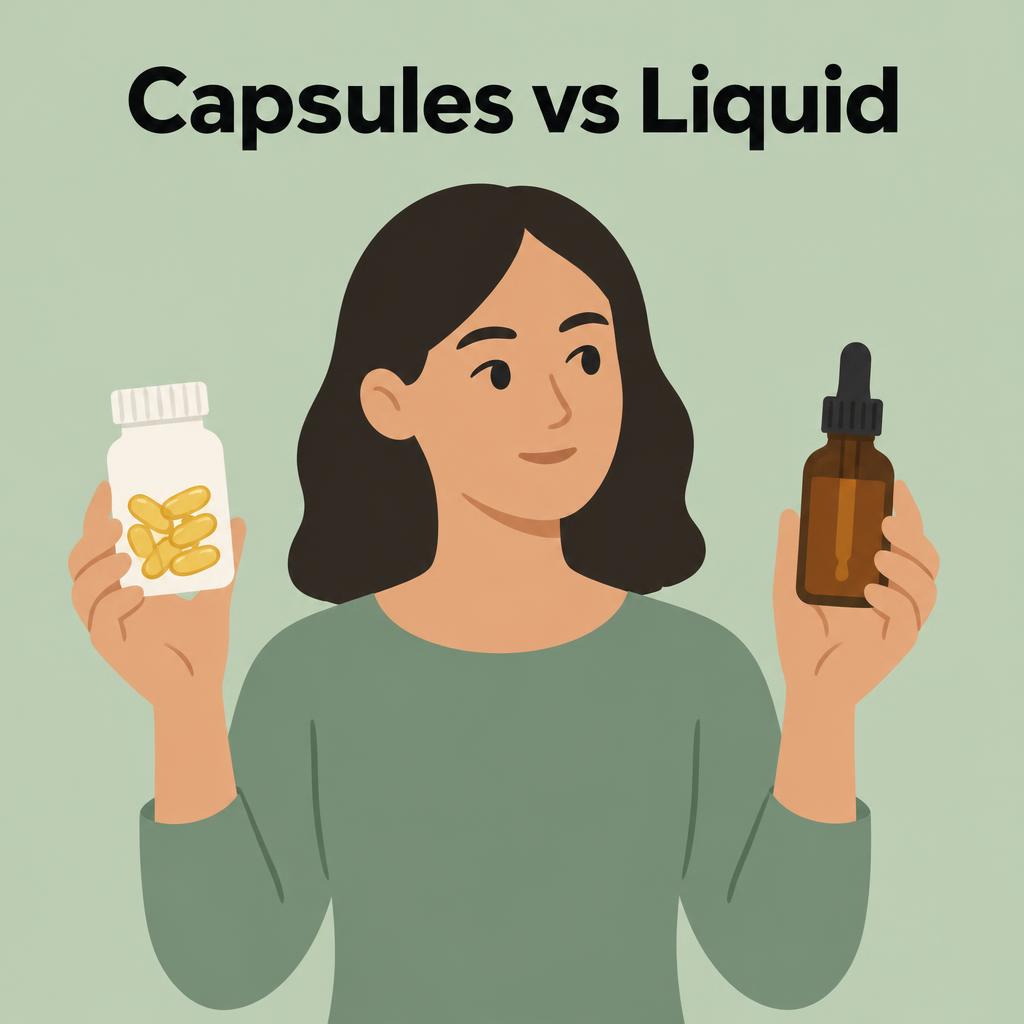
Black Seed Oil Capsules vs Liquid: Which Is Better?
Capsules or liquid drops? Here is how the two formats compare on taste, convenience, dose control and value.
Dosage & Timing
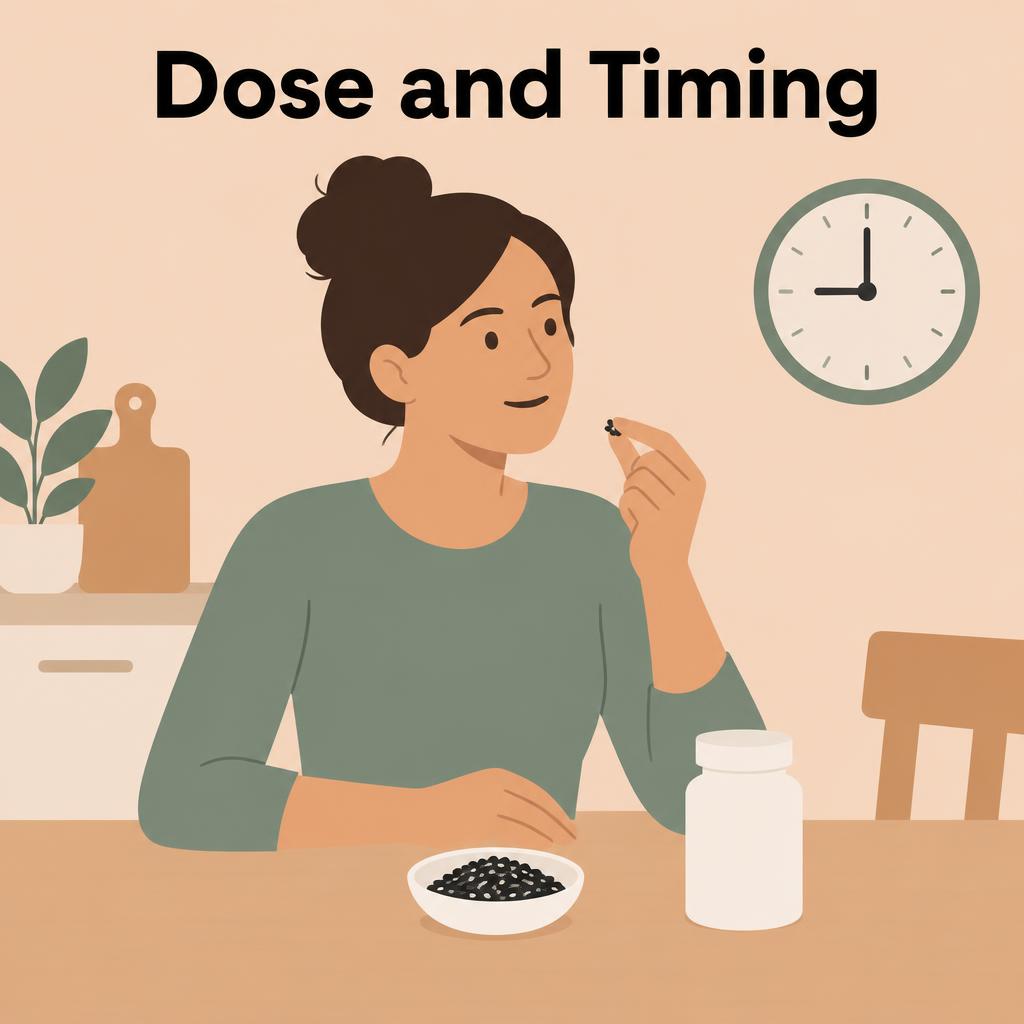
Black Cumin Seed Oil Pills: Dose, Timing and Quality
How much black cumin seed oil to take, when to take it, and how to tell a quality pill from a poor one.
Sources
- Ahmad A, et al. A review on therapeutic potential of Nigella sativa: A miracle herb. Asian Pacific Journal of Tropical Biomedicine. 2013;3(5):337–352.
- Li Z, et al. Nigella sativa and health outcomes: An overview of systematic reviews and meta-analyses. Frontiers in Nutrition. 2023;10:1107750.
- NHS. Vitamins, supplements and nutrition: herbal remedies and supplements.
