United Kingdom
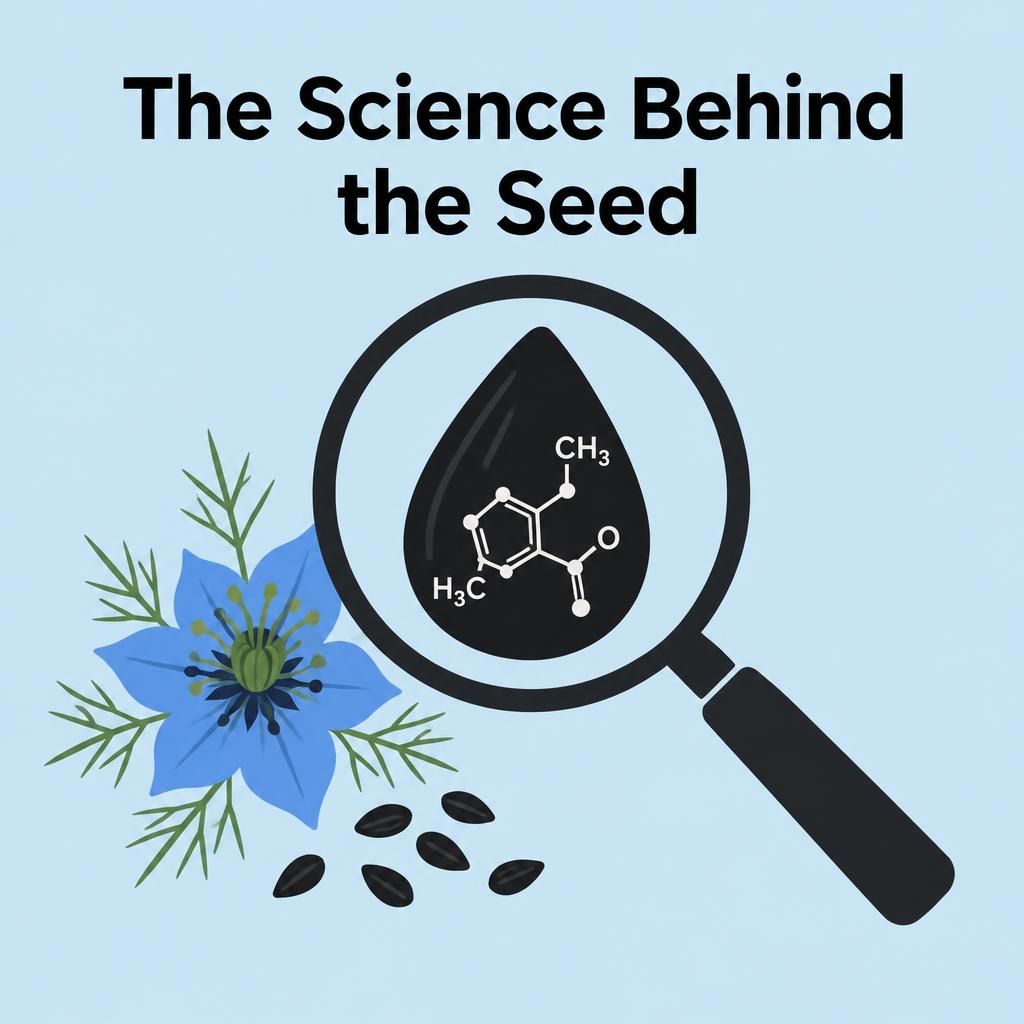
Black Seed Oil (Nigella Sativa): The Science Behind the Seed
What makes Nigella sativa so studied? A look at the science behind black seed oil, from thymoquinone to human trials.
Key takeaways
- Nigella sativa's signature compound is thymoquinone, a studied antioxidant.
- Human trials link the oil to favourable metabolic and inflammation markers.
- It is one of the most researched herbal supplements in the world.
Few herbal supplements have attracted as much scientific attention as Nigella sativa. Here is what researchers have actually found, in plain language.
The plant
Nigella sativa is a flowering plant whose small black seeds have been used in traditional practices for over two thousand years. Modern science has focused on what gives the seeds their activity.[1]
Thymoquinone
The standout compound is thymoquinone, an antioxidant that accounts for much of the oil's studied activity. Researchers have examined its role in managing oxidative stress and supporting normal inflammatory responses.[1]
What human trials show
A 2023 overview of systematic reviews and meta-analyses, the strongest level of evidence, found Nigella sativa was associated with favourable changes in blood sugar, cholesterol, blood pressure and some inflammation markers.[2]
What the science does not say
The evidence supports black seed oil as daily supportive nutrition. It does not support using it to treat, cure or prevent any disease, and it never replaces medical care.[3]
Why quality matters
Thymoquinone content varies widely between products. A label that states its thymoquinone percentage tells you the brand measures what matters.
Antidote Supplements
Antidote Supplements Ethiopian Black Seed Oil comes as 50 mL liquid drops; follow the label directions.
The bottom line
The science behind Nigella sativa is genuinely strong for a herbal supplement, with human-trial evidence for metabolic markers. Choose a product that states its thymoquinone content.
Medical reviewer
Dr Shafiqul Islam
MBBS, FRACGP
Read this next
Nigella sativa
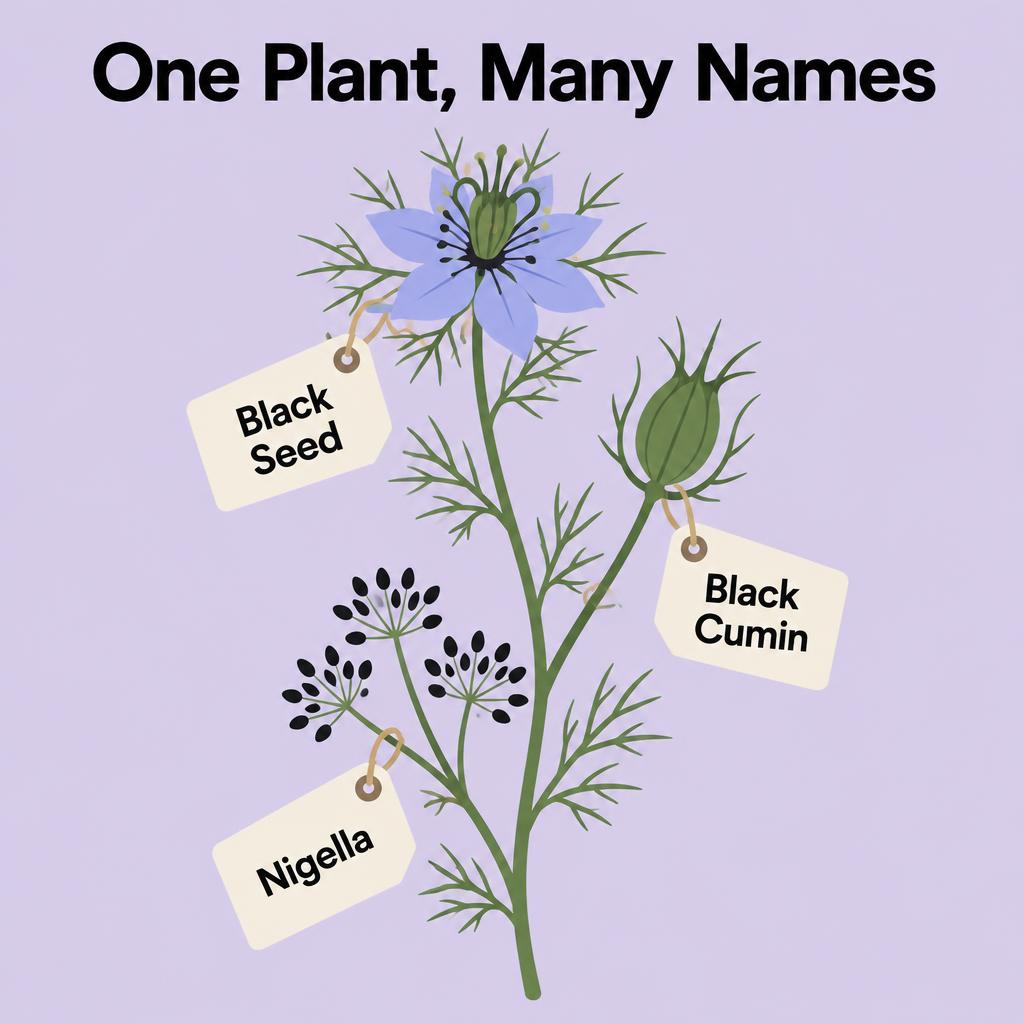
Black Seed vs Black Cumin Seed Oil: One Plant, Many Names
Black seed oil and black cumin seed oil come from the same plant, Nigella sativa. Here is why the two names exist and what to look for.
Black Seed Oil
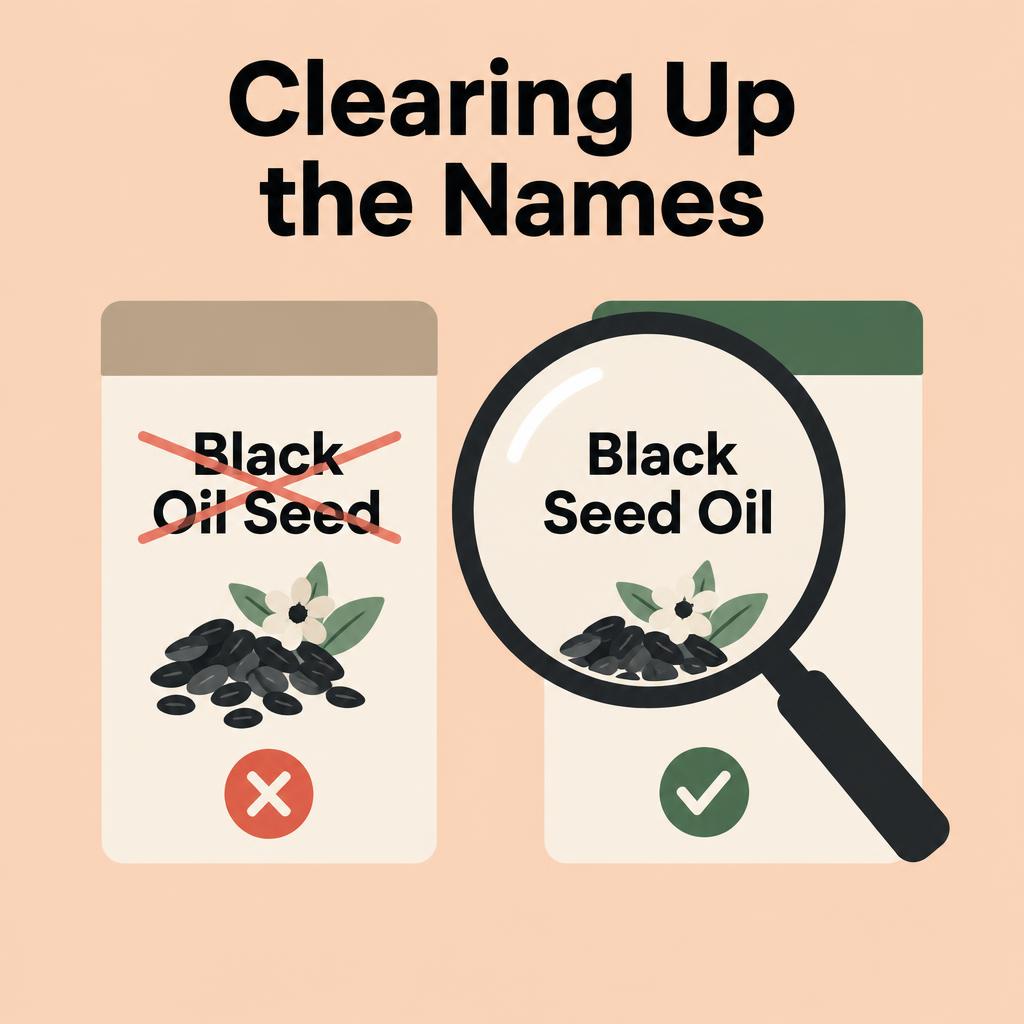
Black Oil Seed Oil or Black Seed Oil? Clearing Up the Names
Black oil seed oil, black seed oil, black cumin: the names get tangled. Here is what each one actually means.
Nigella sativa
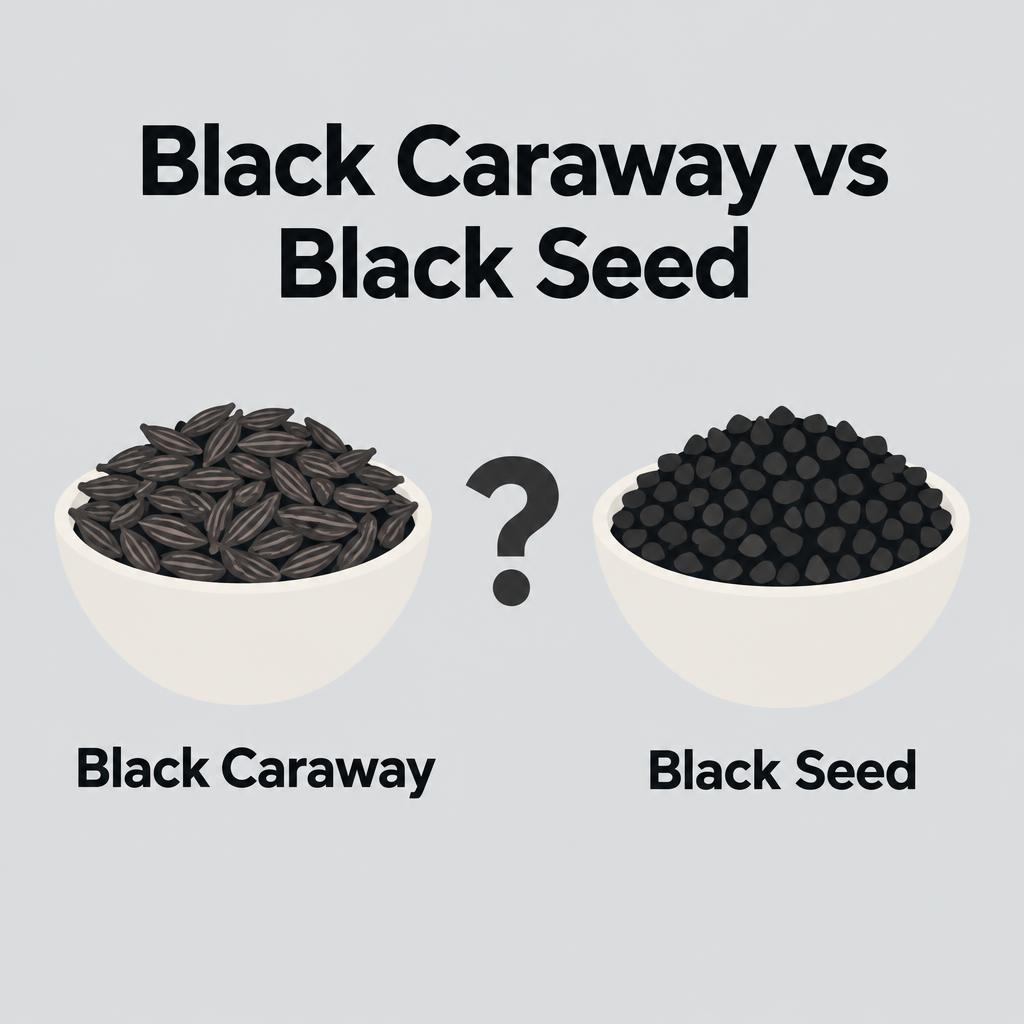
Black Caraway Seed Oil: Is It the Same as Black Seed Oil?
Black caraway and black seed are two different plants that share a confusing nickname. Here is how to tell them apart.
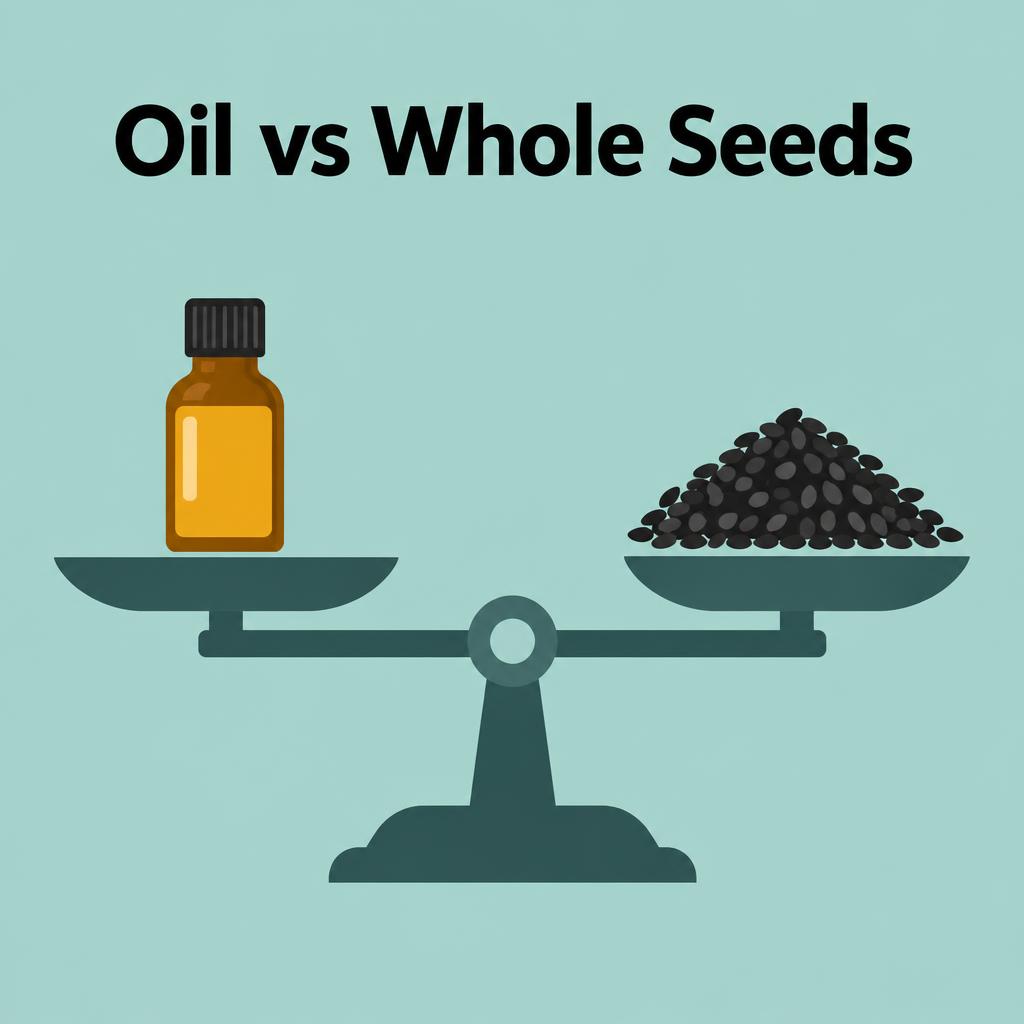
Nigella sativa
Black Seed Oil vs Whole Black Seeds: Which Is Better?
Whole black seeds or the pressed oil? Here is how they compare on active compounds, convenience and research.
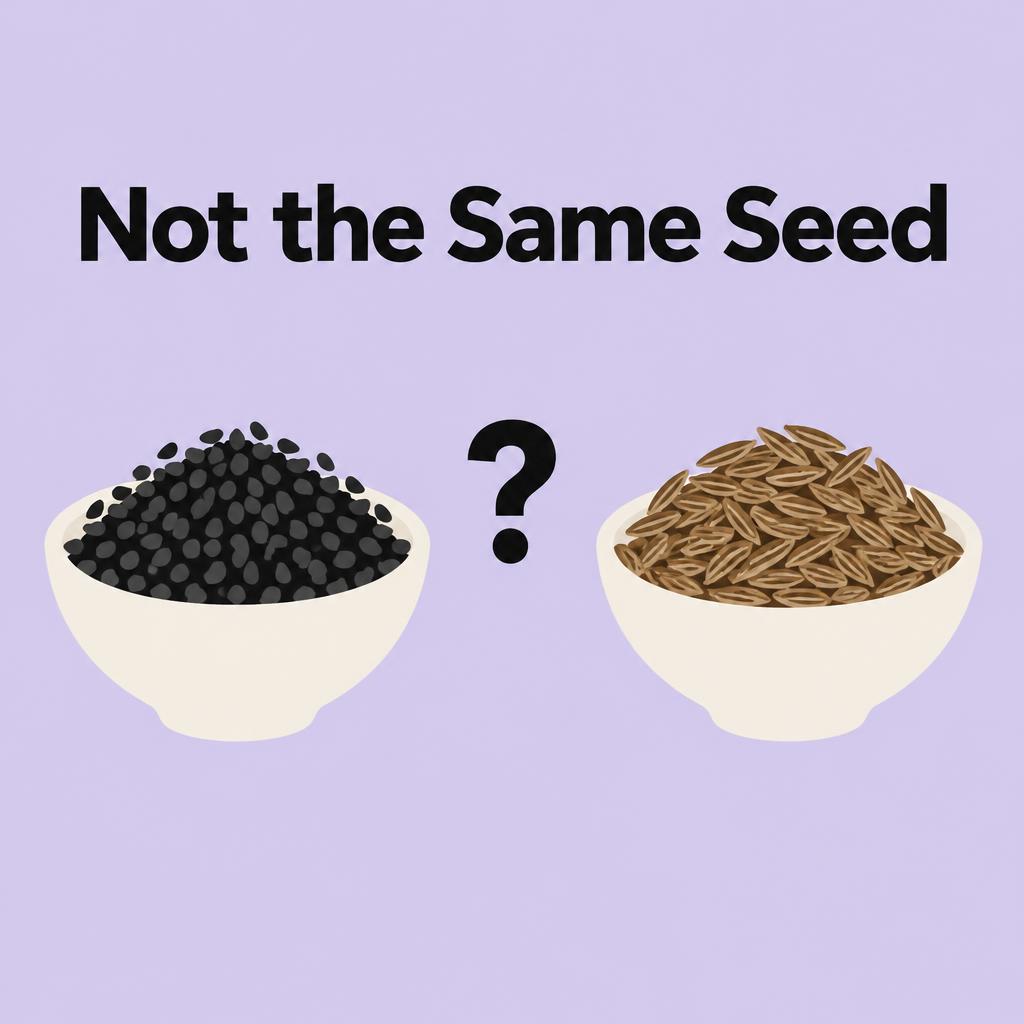
Nigella sativa
Is Black Seed Oil Made from Cumin? The Naming Mix-Up Explained
Black seed oil is not made from cumin. Here is why the names get mixed up and how to tell the two seeds apart.
Nigella sativa
Black Cumin Seed Oil Benefits: What Studies Show
What human studies and research reviews actually show about black cumin seed oil, explained in plain English.
Sources
- Ahmad A, et al. A review on therapeutic potential of Nigella sativa: A miracle herb. Asian Pacific Journal of Tropical Biomedicine. 2013;3(5):337–352.
- Li Z, et al. Nigella sativa and health outcomes: An overview of systematic reviews and meta-analyses. Frontiers in Nutrition. 2023;10:1107750.
- National Center for Complementary and Integrative Health. Using Dietary Supplements Wisely.
