Canada
Black Seed Oil in Canada: Benefits, Uses and Side Effects (Complete Guide)
Black seed oil has become one of the most talked-about natural oils in Canada. Here is what it is, why people take it, how to use it and what to watch for.

Key takeaways
- Black seed oil is pressed from Nigella sativa seeds and has a long history in traditional wellness.
- Thymoquinone is its best-studied compound, and a stated TQ percentage is a useful quality marker.
- Canadians use it daily as liquid drops or softgels, usually with food.
- In Canada, an NPN on the label shows the product is licensed by Health Canada.
What black seed oil is
Black seed oil comes from the small black seeds of Nigella sativa, a flowering plant grown across North Africa, the Middle East and South Asia. The seeds have been used in food and traditional wellness for more than two thousand years. Today the cold-pressed oil is one of the fastest-growing natural products on Canadian shelves.
Why Canadians take it
People reach for black seed oil for everyday wellness: immune support through long Canadian winters, healthy digestion, comfortable joints, and skin and hair care. Research reviews link these effects mainly to thymoquinone, an antioxidant compound found naturally in the oil. Clinical trials have looked at cholesterol, blood sugar, inflammation markers and more, with encouraging results across many studies.
Choosing a quality oil
Look for cold-pressed oil, a clear thymoquinone percentage and a stated seed origin. Ethiopian black seed is prized for its rich natural thymoquinone. Antidote Supplements Ethiopian Black Seed Oil states up to 4.64% naturally occurring TQ, well above the typical range many oils report. In Canada, also check for an eight-digit NPN, which shows Health Canada has licensed the product.
How to use it
Most adults take about a teaspoon a day (roughly 1,000 to 3,000 mg) with a meal. Liquid drops suit people who like to mix the oil into honey, smoothies or warm water, or apply it to skin and hair. Softgels suit people who want a measured dose with no taste. Start with a smaller amount for the first week, then build up.
Side effects and who should check first
Black seed oil is well tolerated by most healthy adults. Mild stomach upset is the most common complaint and usually settles when the oil is taken with food. Pregnant or breastfeeding women, people on blood thinners, diabetes or blood pressure medication, and anyone with surgery planned should speak with their doctor or pharmacist before starting.
The bottom line
Black seed oil is a time-honoured natural oil that many Canadians now take daily for overall wellness. Choose a cold-pressed oil with stated thymoquinone, look for an NPN, take it with food and check with your doctor if you take regular medication.
Medical reviewer
Dr Hossein Samaei
MD, FRACGP
Read this next

Nigella sativa
Black Seed Oil vs Black Cumin Seed Oil in Canada: Are They the Same Thing?
Canadian shoppers see both names on the shelf. Good news: black seed oil and black cumin seed oil are the same oil from the same plant.
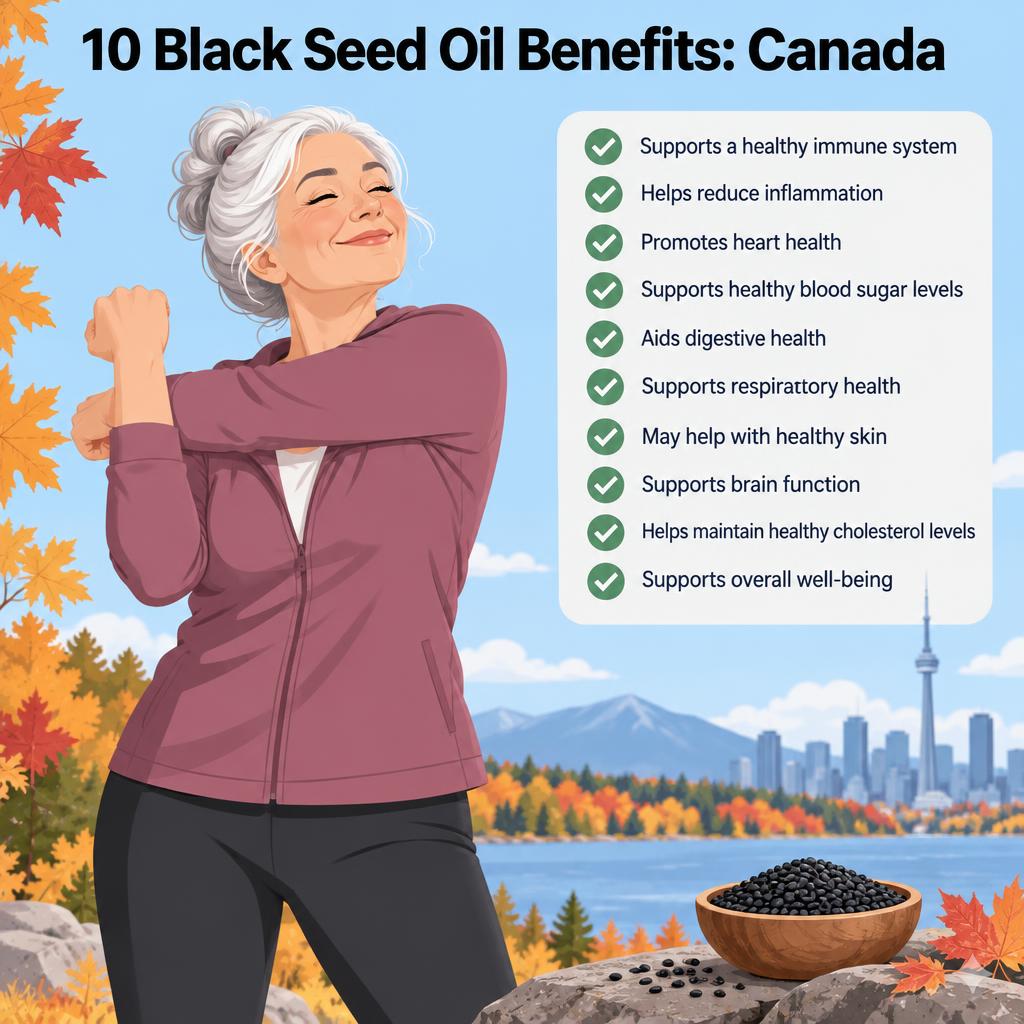
Black Seed Oil
Black Seed Oil Benefits in Canada: 10 Reasons People Take It
From winter immunity to glowing skin, here are ten reasons black seed oil has earned a place in so many Canadian daily routines.
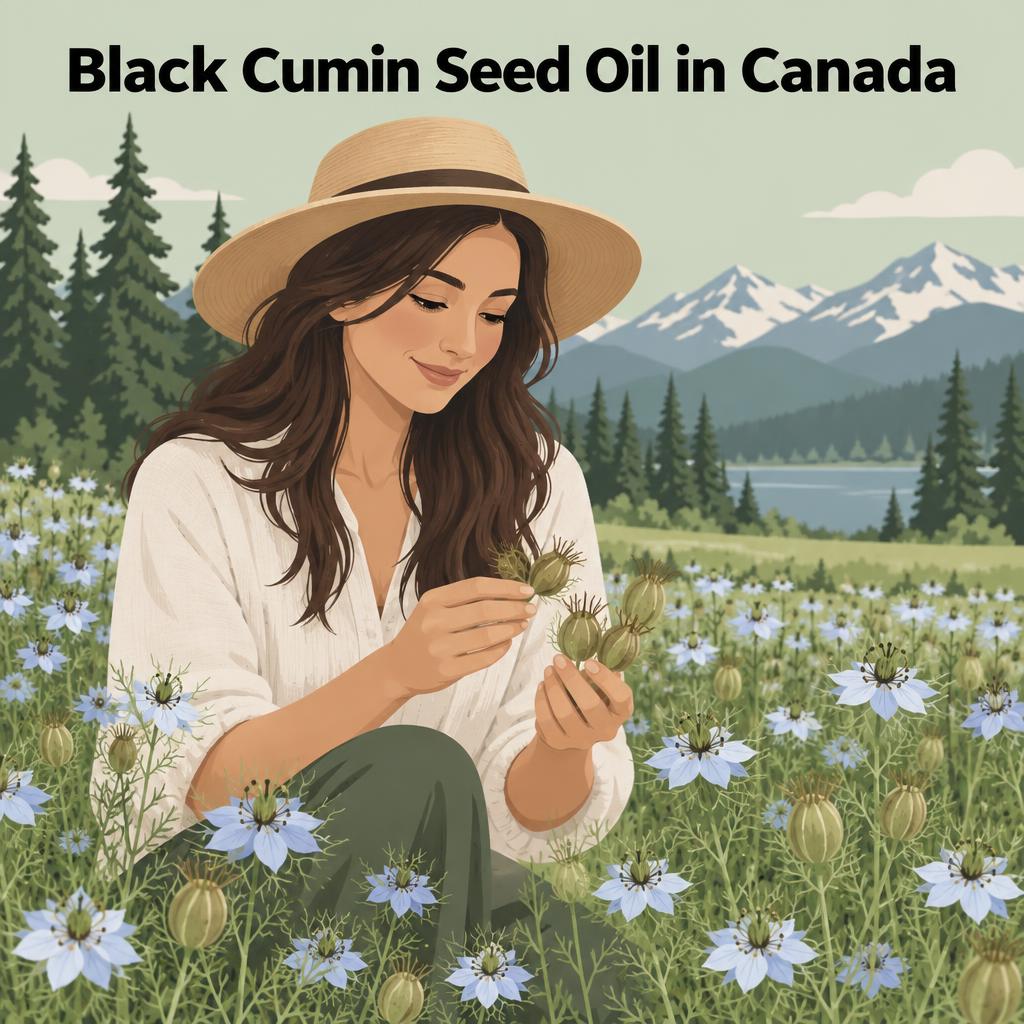
Nigella sativa
Black Cumin Seed Oil in Canada: A Complete Guide
Everything Canadians need to know about black cumin seed oil, from the plant and its key compounds to daily use and smart buying.
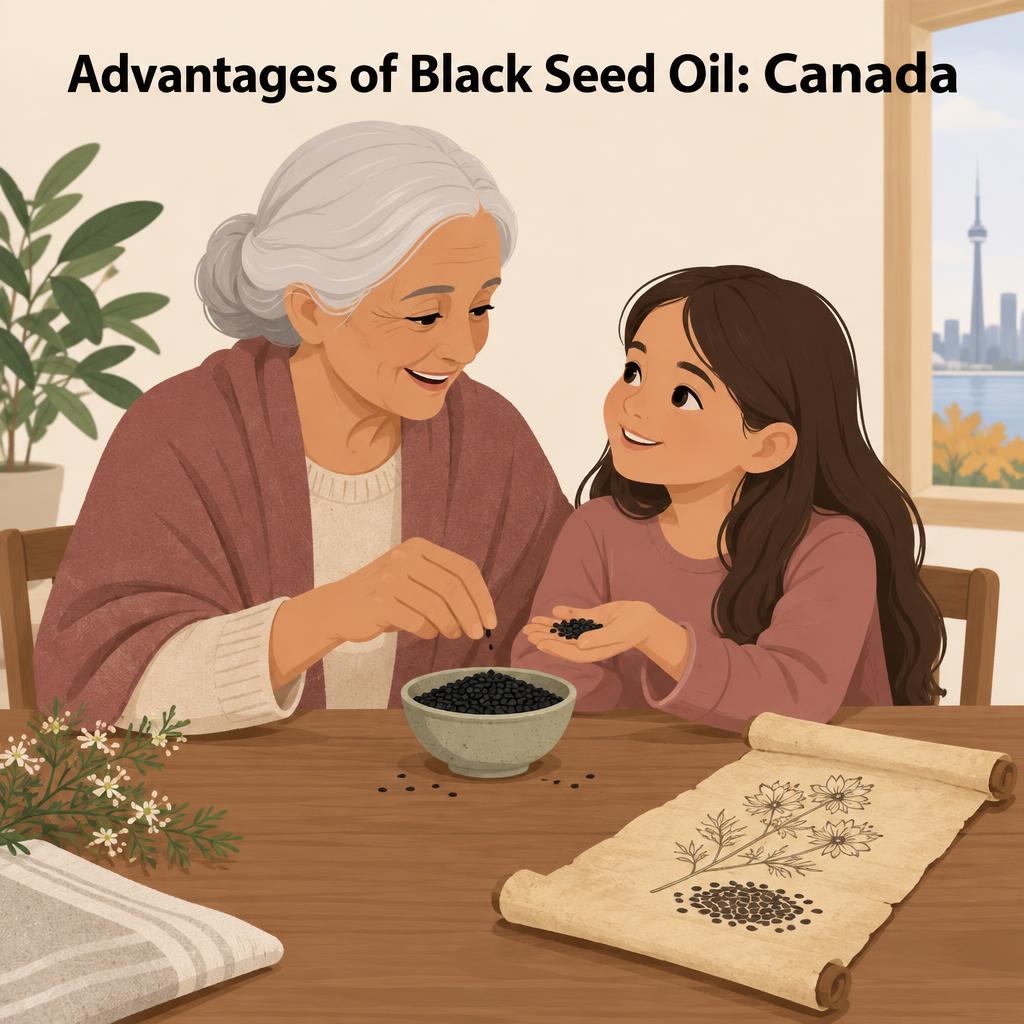
Black Seed Oil
Advantages of Black Seed Oil in Canada: Why It's Been Used for Centuries
Black seed oil has been treasured for thousands of years. Discover the advantages that keep it popular, from ancient tradition to modern Canadian routines.
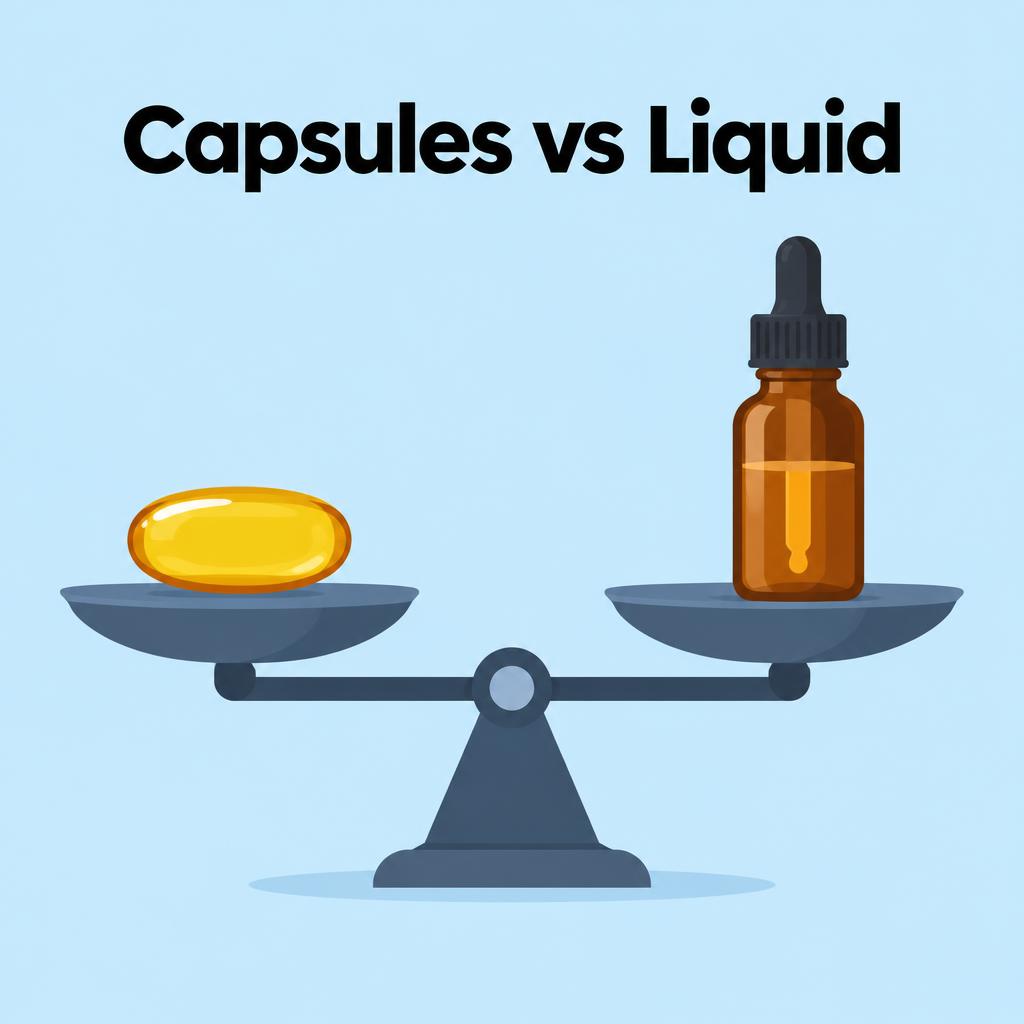
Black Seed Oil
Black Seed Oil Capsules vs Liquid in Canada: Which Is Better?
Capsules or liquid drops? A practical Canadian comparison of the two ways to take black seed oil, and how to pick the one that suits your routine.

Black Seed Oil
Black Seed Oil Benefits for Women in Canada
Why so many Canadian women add black seed oil to their routines: skin, hair, everyday wellness and the research behind its popularity.
Sources
- Tavakkoli A, et al. Review of clinical trials of black seed (Nigella sativa) and its active constituent, thymoquinone. Journal of Pharmacopuncture, 2017.
- Ahmad A, et al. A review on therapeutic potential of Nigella sativa: a miracle herb. Asian Pacific Journal of Tropical Biomedicine, 2013.
- Health Canada. Licensed Natural Health Products Database (LNHPD).
