Canada
Black Cumin Seed Oil in Canada: A Complete Guide
Everything Canadians need to know about black cumin seed oil, from the plant and its key compounds to daily use and smart buying.
Key takeaways
- Black cumin seed oil is pressed from Nigella sativa, the same plant as black seed oil.
- It contains thymoquinone, linoleic acid and other beneficial compounds.
- Typical daily use is 1 to 3 teaspoons or the equivalent in softgels, with food.
- Ethiopian seed is valued for rich natural thymoquinone.
The plant behind the oil
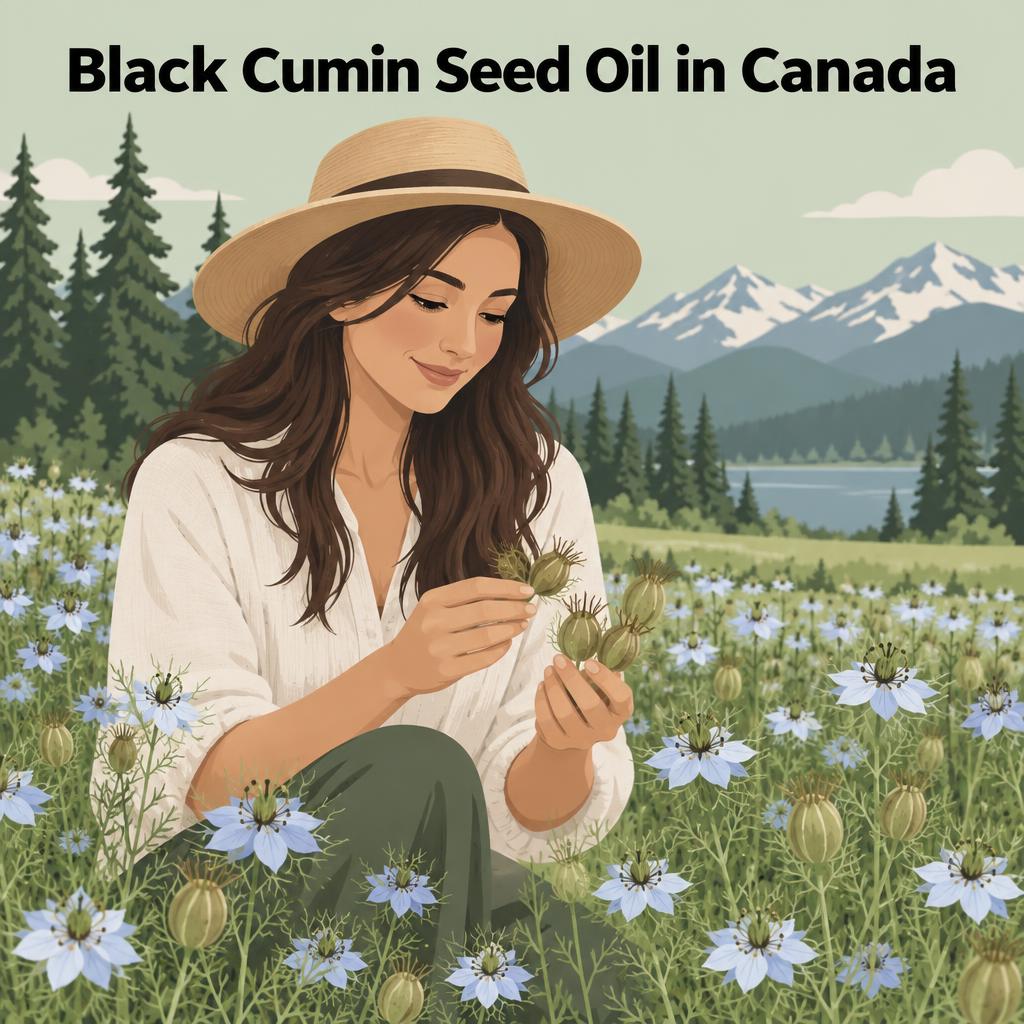
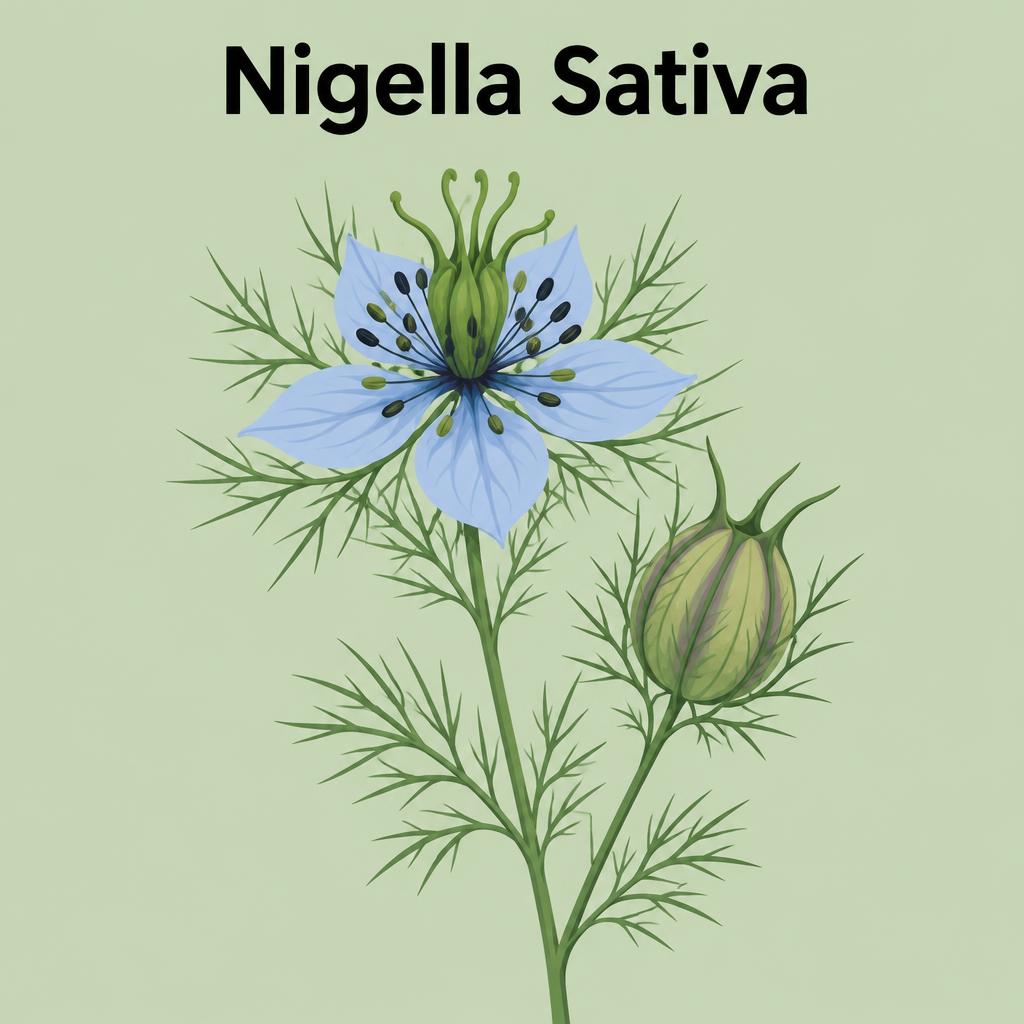
Nigella sativa is a delicate annual with pale blue flowers and inflated seed pods. Each pod holds dozens of small black seeds. Pressed cold, those seeds give a golden-amber oil with a peppery, herbal aroma.
What is inside
The oil is rich in unsaturated fatty acids, especially linoleic acid, plus a volatile fraction containing thymoquinone. Thymoquinone is the compound researchers study most, and it is the reason quality brands state its percentage on the label.
How people use it
Inside the body, people take it for immune support, heart health, digestion and balanced blood sugar. On the outside, the drops are massaged into dry skin, scalp and hair. Canadian users often add a little to their winter skin routine.
Daily amounts
Most adults use about 1 teaspoon a day, building up to 2 or 3 if comfortable, always with food. Softgel products such as the Antidote Supplements combination provide 3,000 mg of black seed oil across three softgels.
Buying black cumin seed oil in Canada
Check for an NPN, a cold-pressed process, a named origin and a TQ percentage. Ethiopian oils stand out here; Antidote Supplements states up to 4.64% naturally occurring TQ. Store the oil away from heat and light to keep it fresh.
The bottom line
Black cumin seed oil is the same treasured Nigella sativa oil as black seed oil. A cold-pressed, high-TQ Ethiopian oil taken daily with food is an easy way to make it part of your routine.
Medical reviewer
Dr Darren So
FRACGP, DCH, MBBS, BSc, RANZCOG, MYMH
Read this next
Nigella sativa
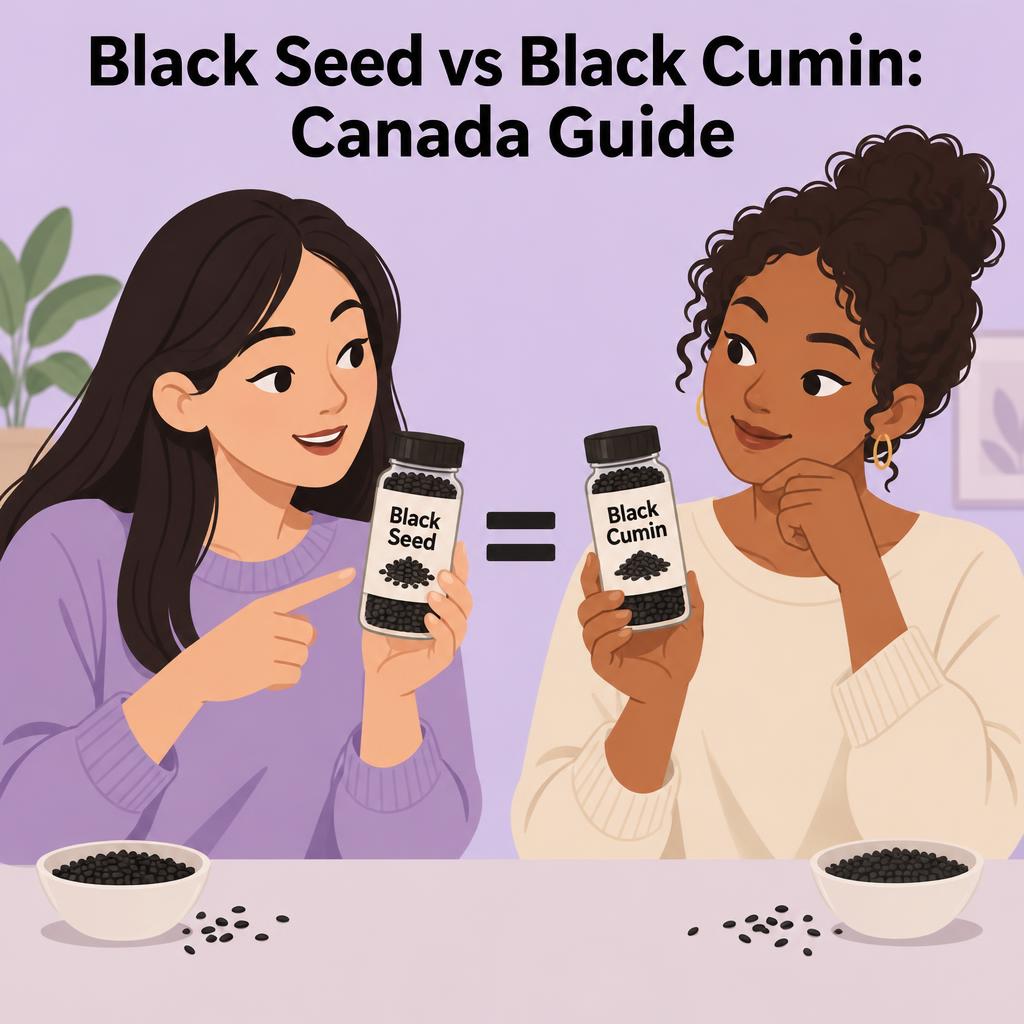
Black Seed Oil vs Black Cumin Seed Oil in Canada: Are They the Same Thing?
Canadian shoppers see both names on the shelf. Good news: black seed oil and black cumin seed oil are the same oil from the same plant.
Black Seed Oil
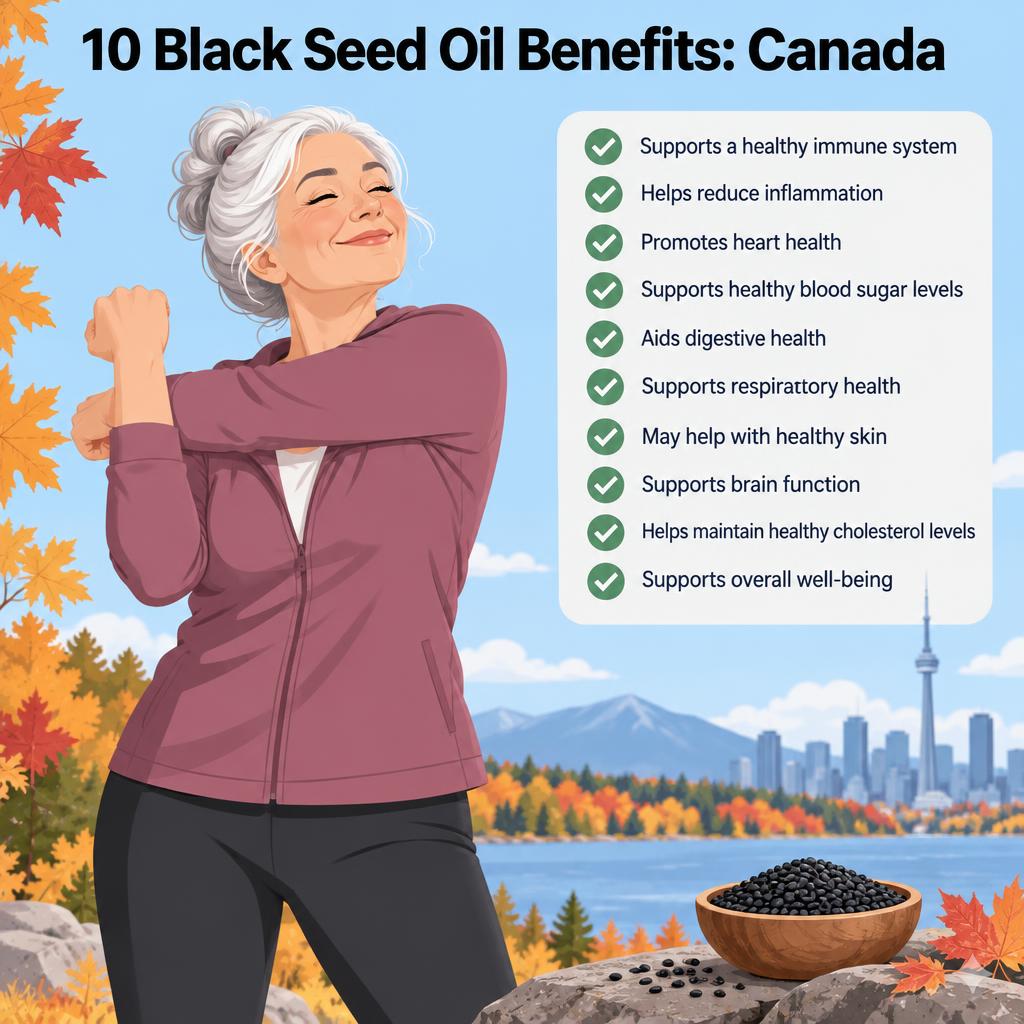
Black Seed Oil Benefits in Canada: 10 Reasons People Take It
From winter immunity to glowing skin, here are ten reasons black seed oil has earned a place in so many Canadian daily routines.
Black Seed Oil
Black Oil Seed Oil or Black Seed Oil? Clearing Up the Names in Canada
Searching for black oil seed oil? You are looking for black seed oil. Here is a simple guide to every name Canadians come across.
Black Seed Oil
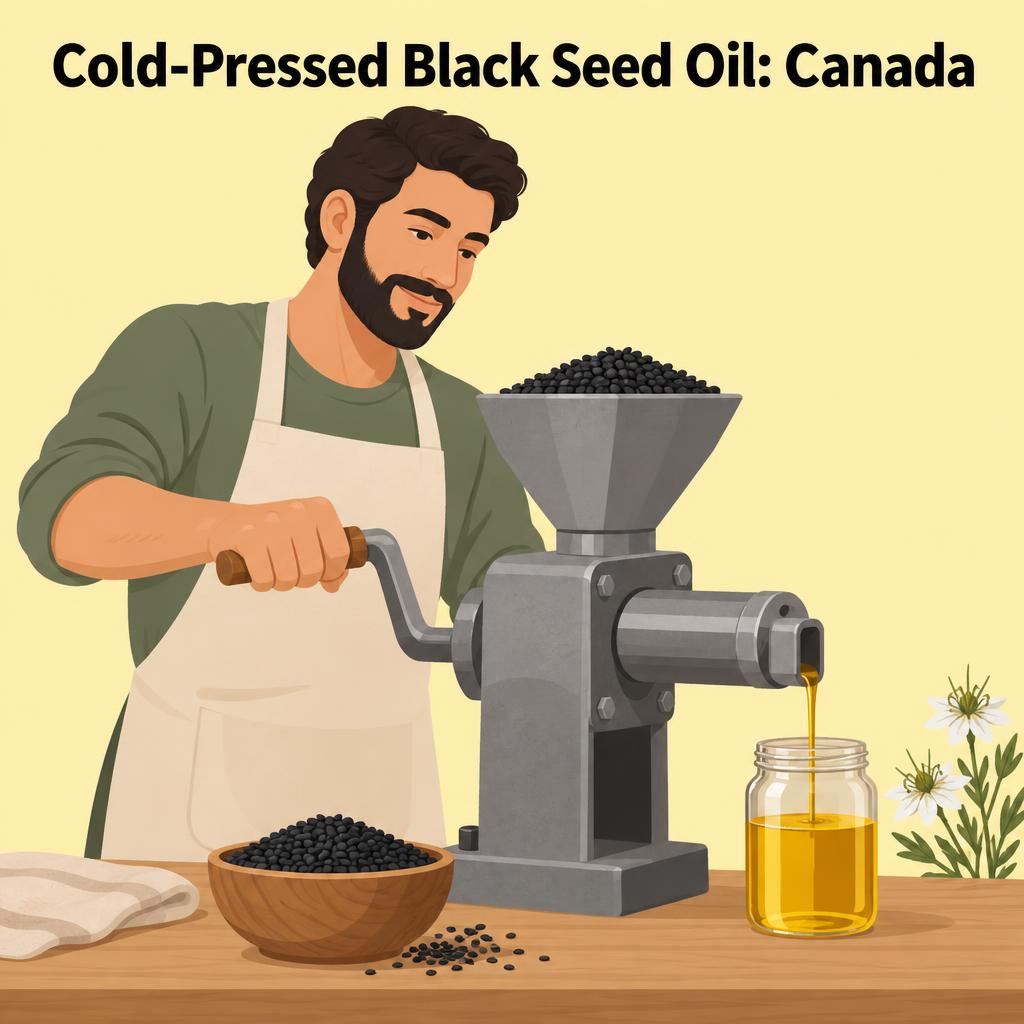
Cold-Pressed Black Seed Oil in Canada: Why the Extraction Method Matters
How black seed oil is extracted shapes its quality. Here is why cold pressing matters and what Canadian shoppers should look for.
Black Seed Oil
Nigella Sativa in Canada: The Plant Behind Black Seed Oil
Meet Nigella sativa, the flowering plant behind black seed oil. Its history, its seeds and the science that made it famous, explained for Canadian readers.
Black Seed Oil
Black Cumin Seed Oil Benefits in Canada: What Studies Show
What does the research actually say about black cumin seed oil? A Canadian guide to the best-studied benefits and the compound behind them.
Sources
- Ahmad A, et al. A review on therapeutic potential of Nigella sativa: a miracle herb. Asian Pacific Journal of Tropical Biomedicine, 2013.
- Tavakkoli A, et al. Review of clinical trials of black seed (Nigella sativa) and its active constituent, thymoquinone. Journal of Pharmacopuncture, 2017.
- Health Canada. Licensed Natural Health Products Database (LNHPD).
