Canada
Cold-Pressed Black Seed Oil in Canada: Why the Extraction Method Matters
How black seed oil is extracted shapes its quality. Here is why cold pressing matters and what Canadian shoppers should look for.
Key takeaways
- Cold pressing squeezes oil from seeds mechanically without high heat.
- Gentle extraction helps preserve thymoquinone and fresh flavour.
- Solvent or heat extraction can raise yield but may reduce delicate compounds.
- Look for cold-pressed, origin and TQ details on the label.
What cold pressing means
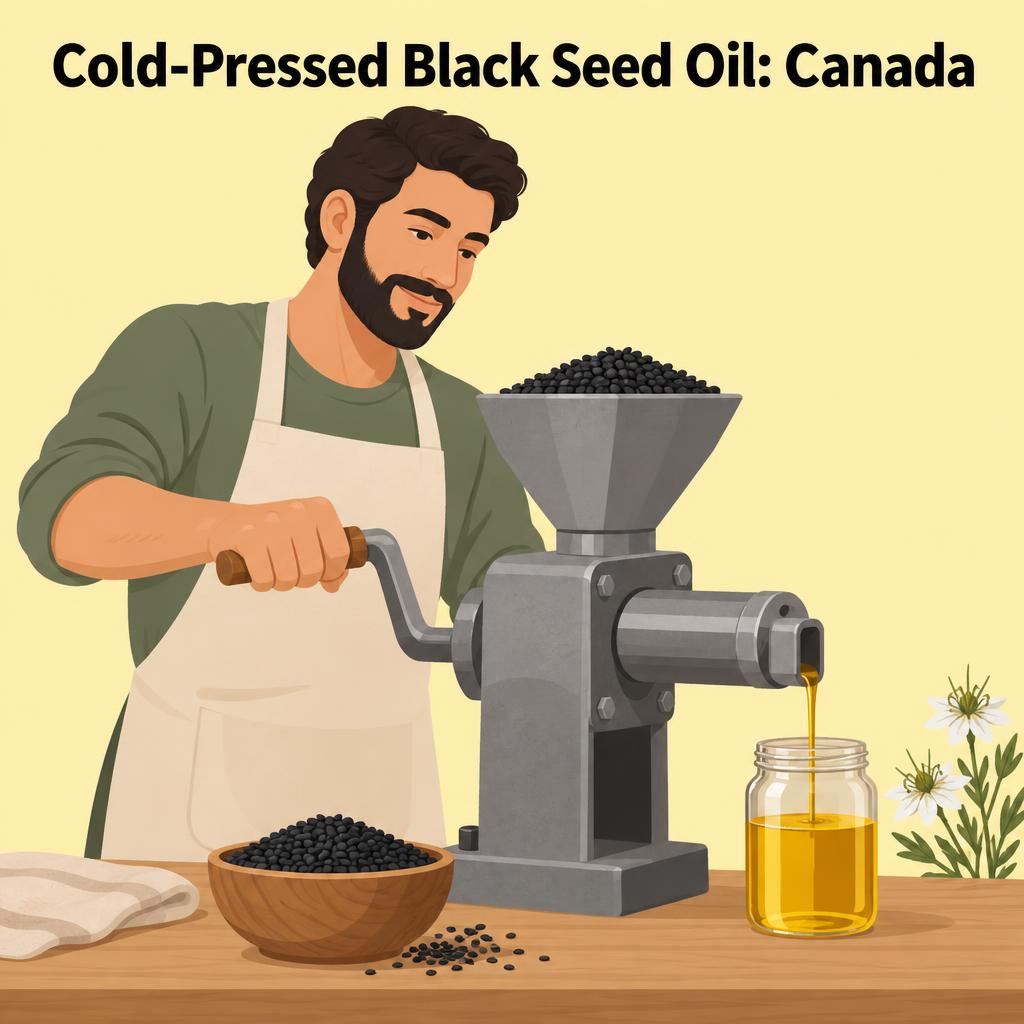
Cold pressing uses a mechanical press to squeeze oil from whole seeds while keeping temperatures low. Nothing is added; the oil is simply pressed, settled and filtered. It is the traditional way black seed oil has been made for generations.
Why heat matters
Thymoquinone is a volatile compound, and high heat can reduce it. Some large-scale methods use heat or chemical solvents to pull more oil from each kilo of seed. That raises yield, but gentle pressing is preferred when the goal is a rich, full-spectrum oil.
What you notice in the bottle
Good cold-pressed black seed oil is amber to dark gold, with a peppery, herbal aroma and a slightly bitter finish. That bold character is a sign of the compounds you are paying for.
Origin and pressing work together
Great pressing cannot make up for average seed. Ethiopian black seed is known for high natural thymoquinone, and Antidote Supplements Ethiopian Black Seed Oil states up to 4.64% naturally occurring TQ. Pairing quality seed with careful extraction gives you the best of both.
Buying and storing in Canada
Look for cold-pressed on the label, a named origin, a TQ percentage and an NPN. Store the bottle away from heat and light, keep the cap tight and use it within the time stated on the label.
The bottom line
Cold pressing protects the delicate compounds that make black seed oil valuable. Choose a cold-pressed oil from high-TQ seed, and store it away from heat and light to keep it at its best.
Medical reviewer
Dr Nisar Hussain
MBBS, DTCD, FRACGP
Read this next
Black Seed Oil
Advantages of Black Seed Oil in Canada: Why It's Been Used for Centuries
Black seed oil has been treasured for thousands of years. Discover the advantages that keep it popular, from ancient tradition to modern Canadian routines.
Nigella sativa
Black Cumin Seed Oil in Canada: A Complete Guide
Everything Canadians need to know about black cumin seed oil, from the plant and its key compounds to daily use and smart buying.
Black Seed Oil
Black Seed Oil in Canada: Benefits, Uses and Side Effects (Complete Guide)
Black seed oil has become one of the most talked-about natural oils in Canada. Here is what it is, why people take it, how to use it and what to watch for.
Nigella sativa
Black Seed Oil vs Black Cumin Seed Oil in Canada: Are They the Same Thing?
Canadian shoppers see both names on the shelf. Good news: black seed oil and black cumin seed oil are the same oil from the same plant.
Black Seed Oil
Black Oil Seed Oil or Black Seed Oil? Clearing Up the Names in Canada
Searching for black oil seed oil? You are looking for black seed oil. Here is a simple guide to every name Canadians come across.
Black Seed Oil
Nigella Sativa in Canada: The Plant Behind Black Seed Oil
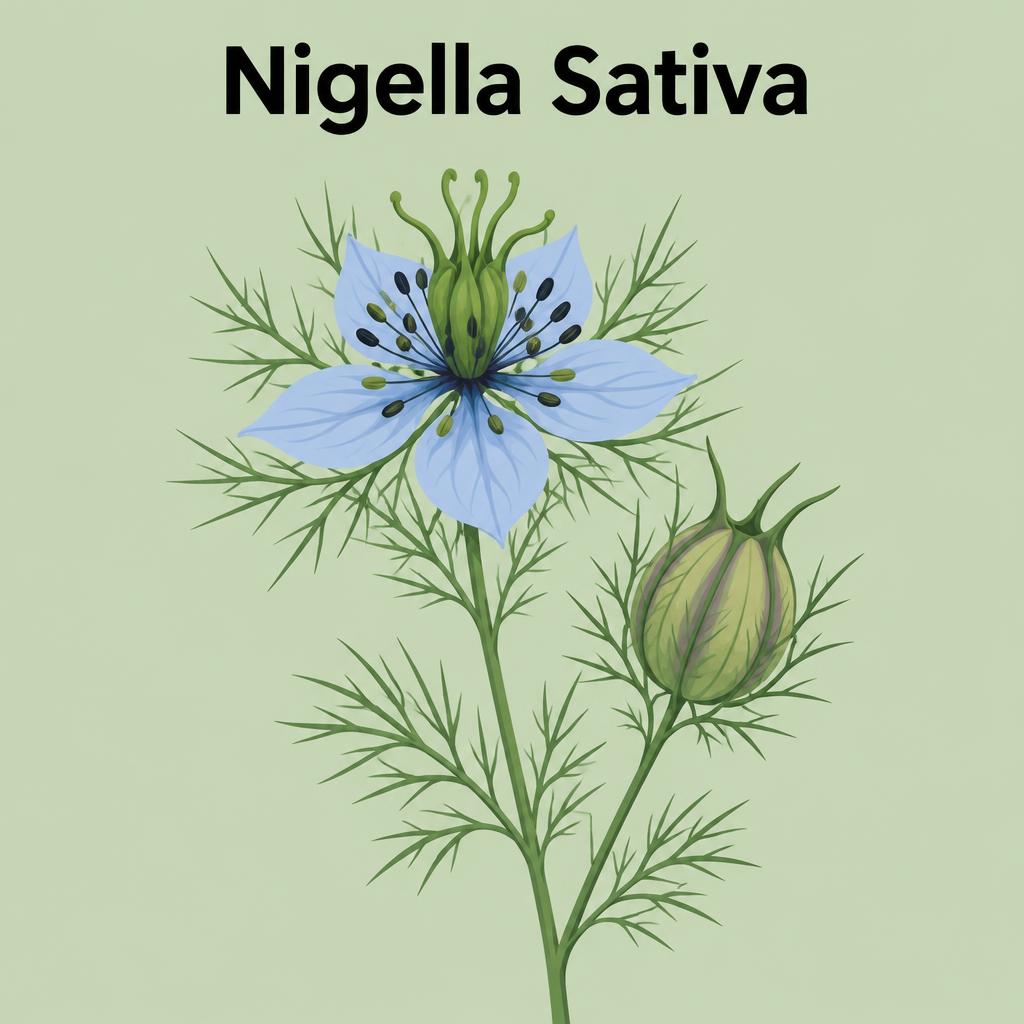
Meet Nigella sativa, the flowering plant behind black seed oil. Its history, its seeds and the science that made it famous, explained for Canadian readers.
Sources
- Ahmad A, et al. A review on therapeutic potential of Nigella sativa: a miracle herb. Asian Pacific Journal of Tropical Biomedicine, 2013.
- Tavakkoli A, et al. Review of clinical trials of black seed (Nigella sativa) and its active constituent, thymoquinone. Journal of Pharmacopuncture, 2017.
- Health Canada. Licensed Natural Health Products Database (LNHPD).
