Canada
Nigella Sativa in Canada: The Plant Behind Black Seed Oil
Meet Nigella sativa, the flowering plant behind black seed oil. Its history, its seeds and the science that made it famous, explained for Canadian readers.
Key takeaways
- Nigella sativa is a flowering plant whose small black seeds yield black seed oil.
- It has been used traditionally for more than two thousand years.
- Thymoquinone, its signature compound, is the focus of most modern research.
- Seed origin and growing conditions influence the oil's quality.
A plant with a long history
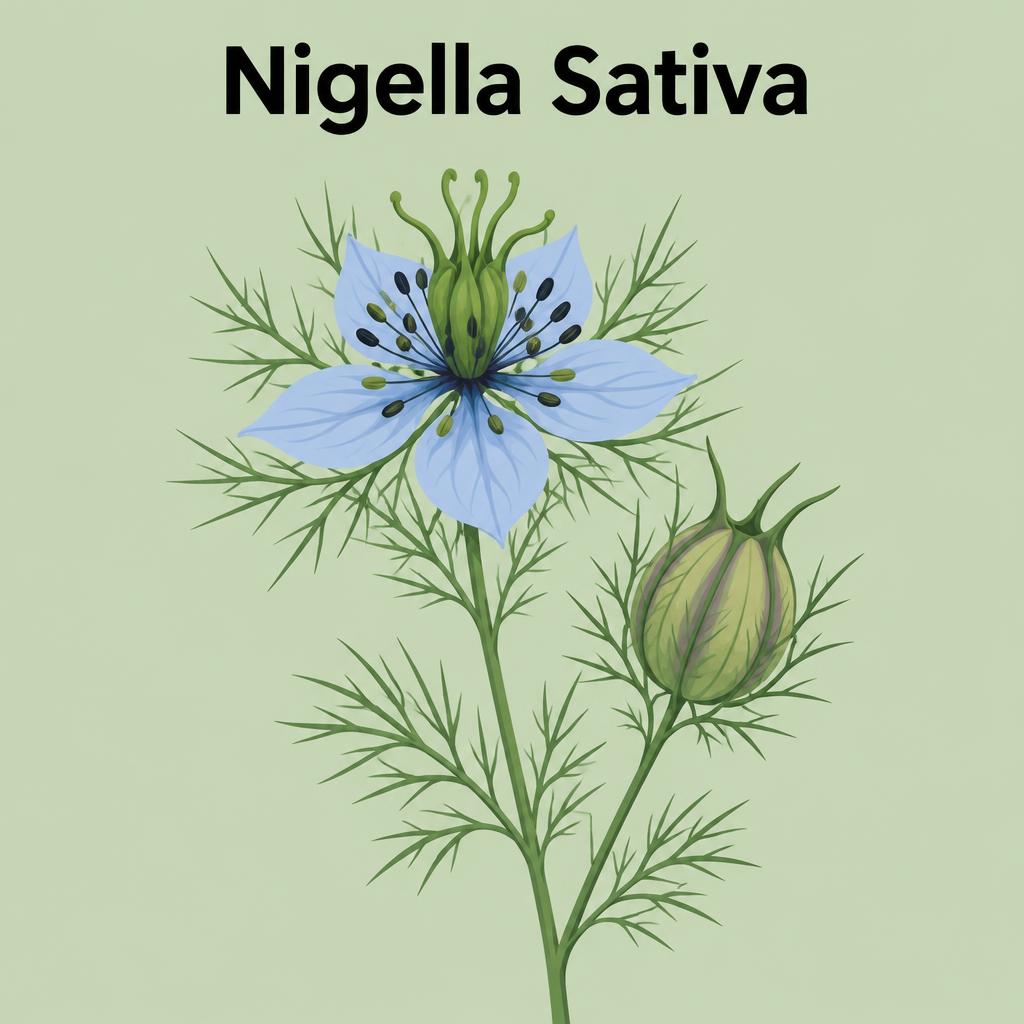
Nigella sativa is an annual flowering plant in the buttercup family, with delicate pale blue flowers and a seed pod full of small black seeds. Those seeds, sometimes called black cumin or kalonji, have been used in food and traditional wellness practices for over two thousand years.
From seed to oil
The seeds are pressed to produce black seed oil. Cold pressing, without high heat or solvents, is the preferred method because it protects the oil's delicate aromatic compounds. The result is an amber oil with a peppery, herbal character.
The compound scientists study most
Thymoquinone, often shortened to TQ, is the seed's signature active compound and the subject of a large and growing research literature. Reviews of clinical trials describe black seed and thymoquinone as among the most studied natural products of the past decades.
Why origin matters
Like wine grapes, Nigella sativa reflects where it is grown. Ethiopian black seed is especially prized for high natural thymoquinone content. Antidote Supplements Ethiopian Black Seed Oil is pressed from Ethiopian seed and states up to 4.64% naturally occurring TQ.
Choosing nigella products in Canada
Look for the botanical name Nigella sativa on the label, a named origin, a TQ percentage and an NPN. Whether you prefer liquid drops or softgels, those markers tell you far more than packaging claims.
The bottom line
Nigella sativa is the ancient plant behind black seed oil, and thymoquinone is the compound that made it famous. Choose oil from quality seed, clearly labelled, and you are getting the best of what this plant offers.
Medical reviewer
Dr Monzer Adba
MBBS, FRACGP
Read this next
Nigella sativa
Black Cumin Seed Oil in Canada: A Complete Guide
Everything Canadians need to know about black cumin seed oil, from the plant and its key compounds to daily use and smart buying.
Black Seed Oil
Black Seed Oil in Canada: Benefits, Uses and Side Effects (Complete Guide)
Black seed oil has become one of the most talked-about natural oils in Canada. Here is what it is, why people take it, how to use it and what to watch for.
Nigella sativa
Black Seed Oil vs Black Cumin Seed Oil in Canada: Are They the Same Thing?
Canadian shoppers see both names on the shelf. Good news: black seed oil and black cumin seed oil are the same oil from the same plant.
Black Seed Oil
Black Oil Seed Oil or Black Seed Oil? Clearing Up the Names in Canada
Searching for black oil seed oil? You are looking for black seed oil. Here is a simple guide to every name Canadians come across.
Black Seed Oil
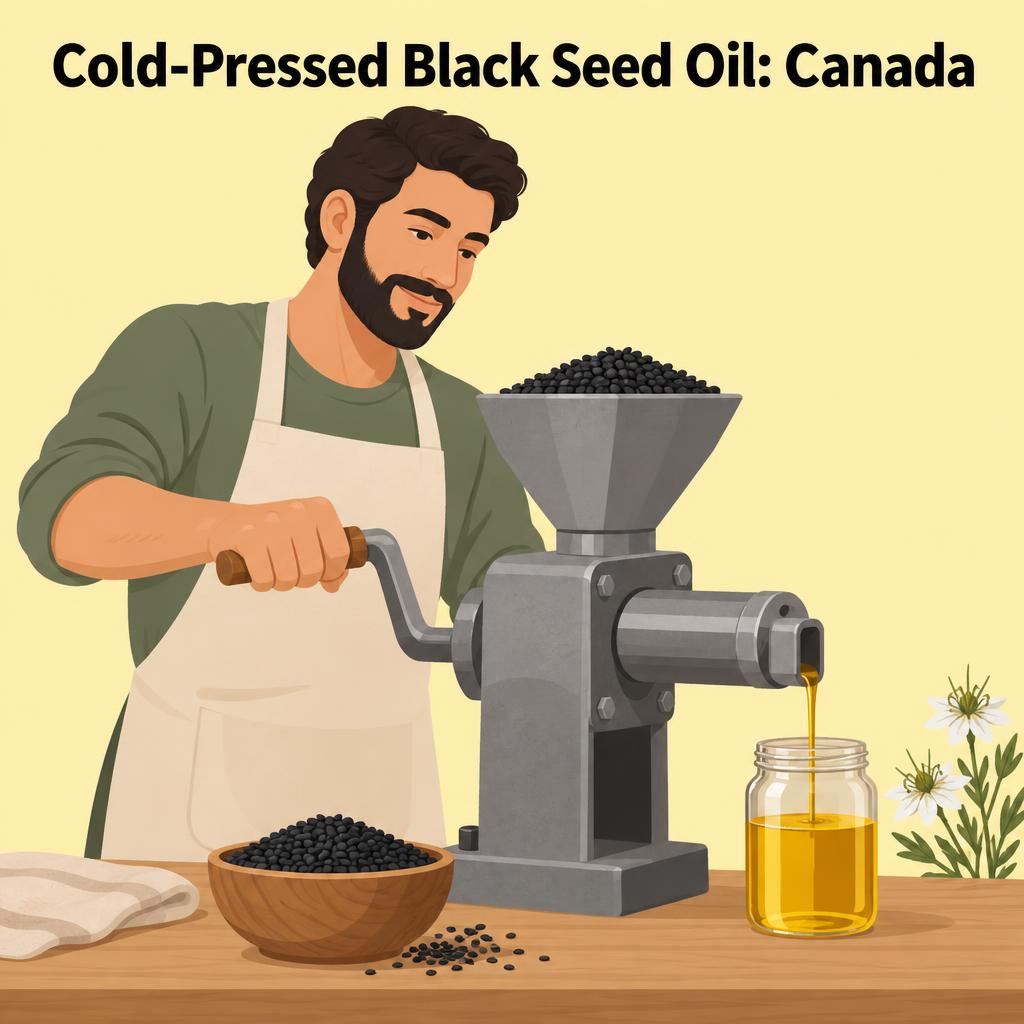
Cold-Pressed Black Seed Oil in Canada: Why the Extraction Method Matters
How black seed oil is extracted shapes its quality. Here is why cold pressing matters and what Canadian shoppers should look for.
Black Seed Oil
Black Cumin Seed Oil Benefits in Canada: What Studies Show
What does the research actually say about black cumin seed oil? A Canadian guide to the best-studied benefits and the compound behind them.
Sources
- Ahmad A, et al. A review on therapeutic potential of Nigella sativa: a miracle herb. Asian Pacific Journal of Tropical Biomedicine, 2013.
- Tavakkoli A, et al. Review of clinical trials of black seed (Nigella sativa) and its active constituent, thymoquinone. Journal of Pharmacopuncture, 2017.
- Health Canada. Licensed Natural Health Products Database (LNHPD).
