Canada
Black Seed Oil Side Effects in Canada: Who Should Be Careful
Black seed oil is well tolerated by most people, but a few groups should take extra care. A clear Canadian guide to using it safely.

Key takeaways
- Most people tolerate black seed oil well at label servings.
- Mild stomach upset is the most commonly reported issue, usually avoided by taking it with food.
- People on blood-thinning, blood pressure or diabetes medication should check with a doctor first.
- Pregnant and breastfeeding women should seek medical advice before use.
Generally well tolerated
Black seed oil has a long history of traditional use and a reassuring safety record in clinical research. Most people who take it at the label serving report no problems at all, which is part of why it has become such a popular daily supplement in Canada.
The most common complaint
The issue reported most often is mild stomach upset or a repeating peppery taste, especially when the oil is taken on an empty stomach. Taking it with a meal usually solves this. Softgels remove the taste entirely, which is one reason many people prefer them.
Medication interactions to know about
Black seed oil may add to the effect of blood-thinning, blood pressure and blood sugar medications. If you take any of these, speak with your doctor or pharmacist before starting, so they can advise on timing and monitoring. This is sensible practice with any concentrated herbal oil.
Pregnancy, breastfeeding and surgery
Pregnant and breastfeeding women should check with a healthcare professional before using black seed oil, since research in these groups is limited. If you have surgery planned, mention your supplements to your surgical team, as they may ask you to pause them beforehand.
Choosing a quality product reduces surprises
A licensed product with an NPN, a named seed origin and a stated thymoquinone content gives you confidence that what is on the label is in the bottle. Antidote Supplements Ethiopian Black Seed Oil states up to 4.64% naturally occurring TQ from Ethiopian seed, with clear serving guidance on the label.
The bottom line
Black seed oil is well tolerated by most people, especially when taken with food at the label serving. If you are pregnant, breastfeeding, scheduled for surgery or taking medication, a quick conversation with your doctor is the smart first step.
Medical reviewer
Dr Akhter Hossain
MBBS, FRACGP
Read this next
Black Seed Oil
Black Seed Oil in Canada: Benefits, Uses and Side Effects (Complete Guide)
Black seed oil has become one of the most talked-about natural oils in Canada. Here is what it is, why people take it, how to use it and what to watch for.
Black Seed Oil
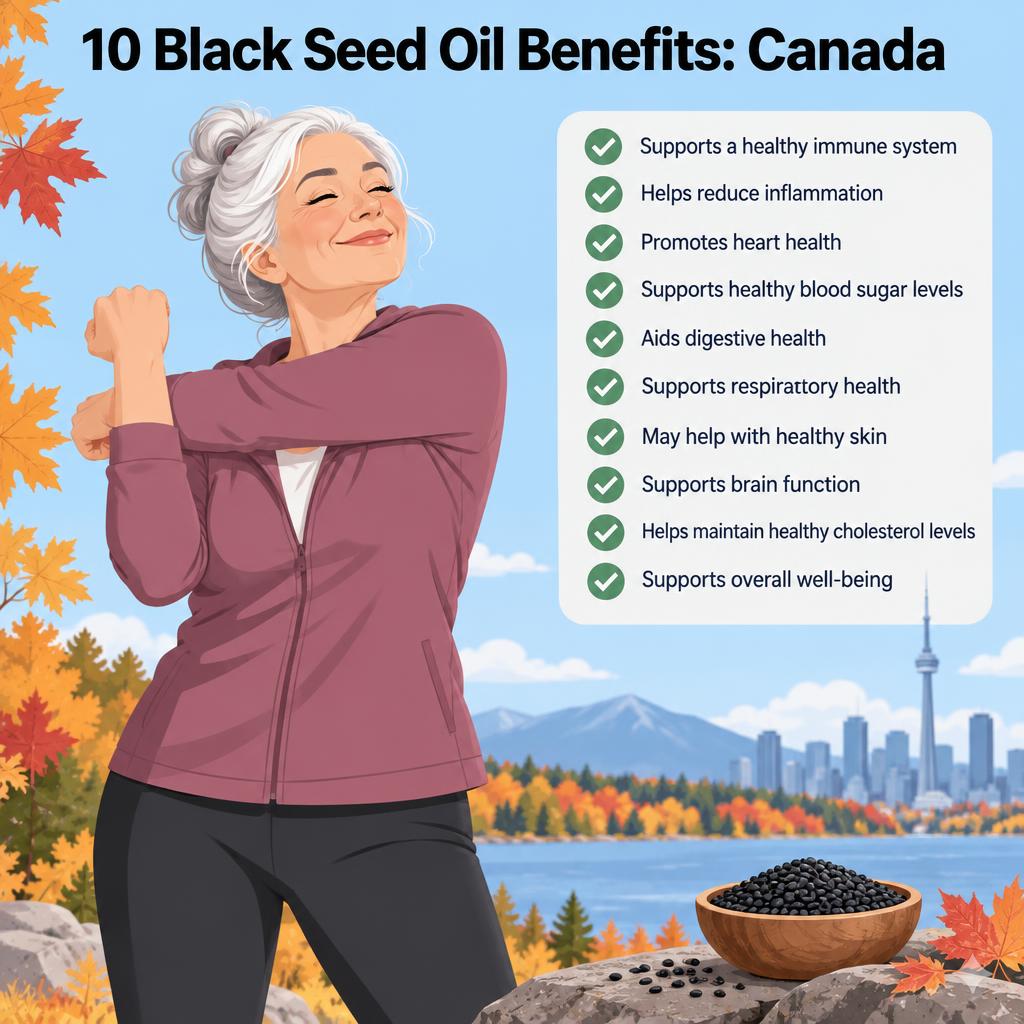
Black Seed Oil Benefits in Canada: 10 Reasons People Take It
From winter immunity to glowing skin, here are ten reasons black seed oil has earned a place in so many Canadian daily routines.

Black Seed Oil
Black Seed Oil Benefits for Women in Canada
Why so many Canadian women add black seed oil to their routines: skin, hair, everyday wellness and the research behind its popularity.
Black Seed Oil
Advantages of Black Seed Oil in Canada: Why It's Been Used for Centuries
Black seed oil has been treasured for thousands of years. Discover the advantages that keep it popular, from ancient tradition to modern Canadian routines.
Black Seed Oil
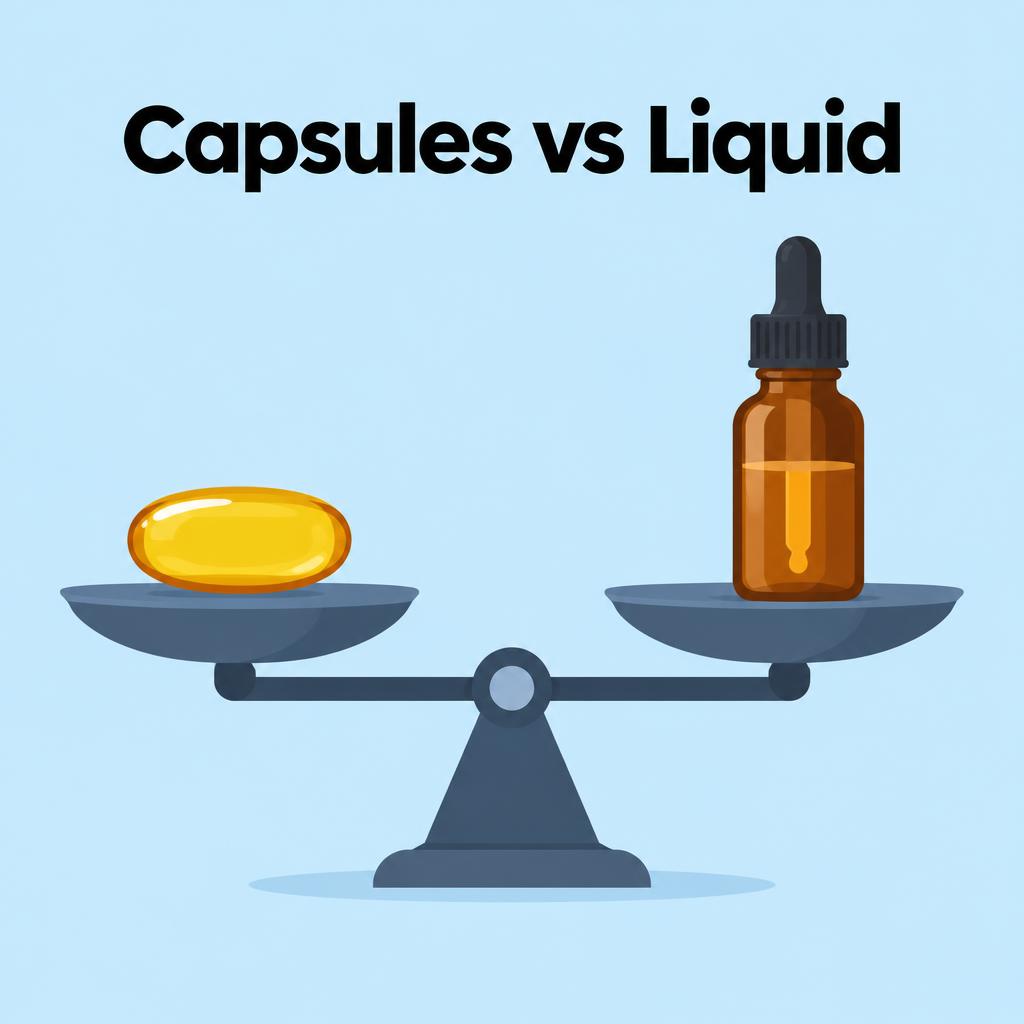
Black Seed Oil Capsules vs Liquid in Canada: Which Is Better?
Capsules or liquid drops? A practical Canadian comparison of the two ways to take black seed oil, and how to pick the one that suits your routine.
Black Seed Oil
What Is Black Seed Oil Good For in Canada? The Most Common Uses
The most common reasons Canadians take black seed oil, from everyday wellness to skin and hair, with the research context behind each one.
Sources
- Tavakkoli A, et al. Review of clinical trials of black seed (Nigella sativa) and its active constituent, thymoquinone. Journal of Pharmacopuncture, 2017.
- Ahmad A, et al. A review on therapeutic potential of Nigella sativa: a miracle herb. Asian Pacific Journal of Tropical Biomedicine, 2013.
- Health Canada. Licensed Natural Health Products Database (LNHPD).
