Australia
How to Take Oregano Oil by Mouth Safely: An Australian Guide
Choose an oral product, take it with food and avoid essential oil mistakes. Practical steps for taking oregano oil safely.
Key takeaways
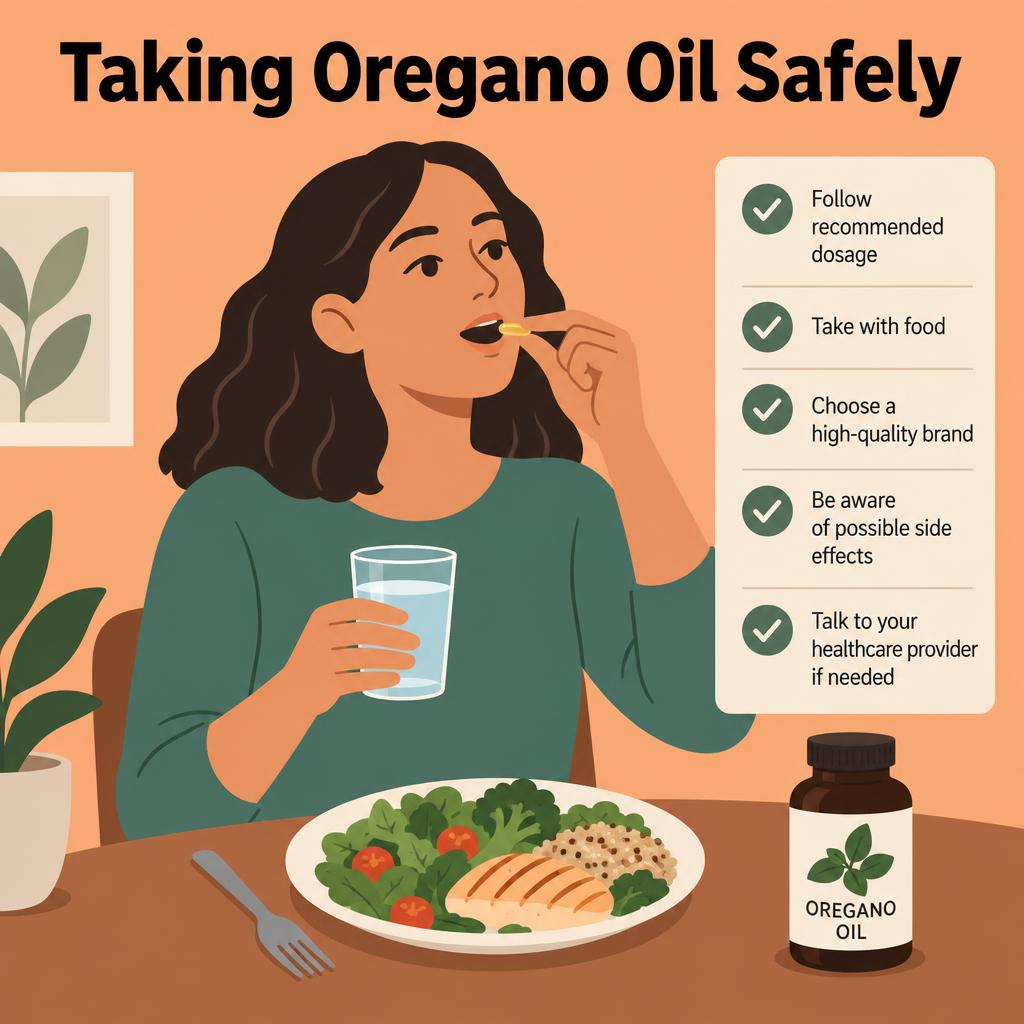
- Only swallow products labelled for oral use.
- Never swallow undiluted essential oil.
- Take with food and follow the label.
Oregano oil can fit easily into a daily routine when you start with the right product. A few simple steps keep things comfortable.
Choose an oral product
Essential oils sold for aromatherapy are not designed to be swallowed. Choose a supplement labelled for oral use, with clear directions. In Australia, listed medicines carry an AUST L number and directions.[1]
Take it with food
Carvacrol can irritate the gut at higher exposures.[2] A meal helps buffer this, and softgels avoid contact with the mouth and throat.
Simple safety checklist
- Follow the label serving.
- Swallow softgels whole with water.
- Do not combine several oregano products.
- Stop for rash, swelling or ongoing stomach pain.
Who should ask first
Ask a GP or pharmacist first if you are pregnant, breastfeeding, have a bleeding disorder, take blood thinners or have a chronic illness.[3]
If someone swallows essential oil
Call the Poisons Information Centre on 13 11 26, or 000 in an emergency.
Antidote Supplements softgels
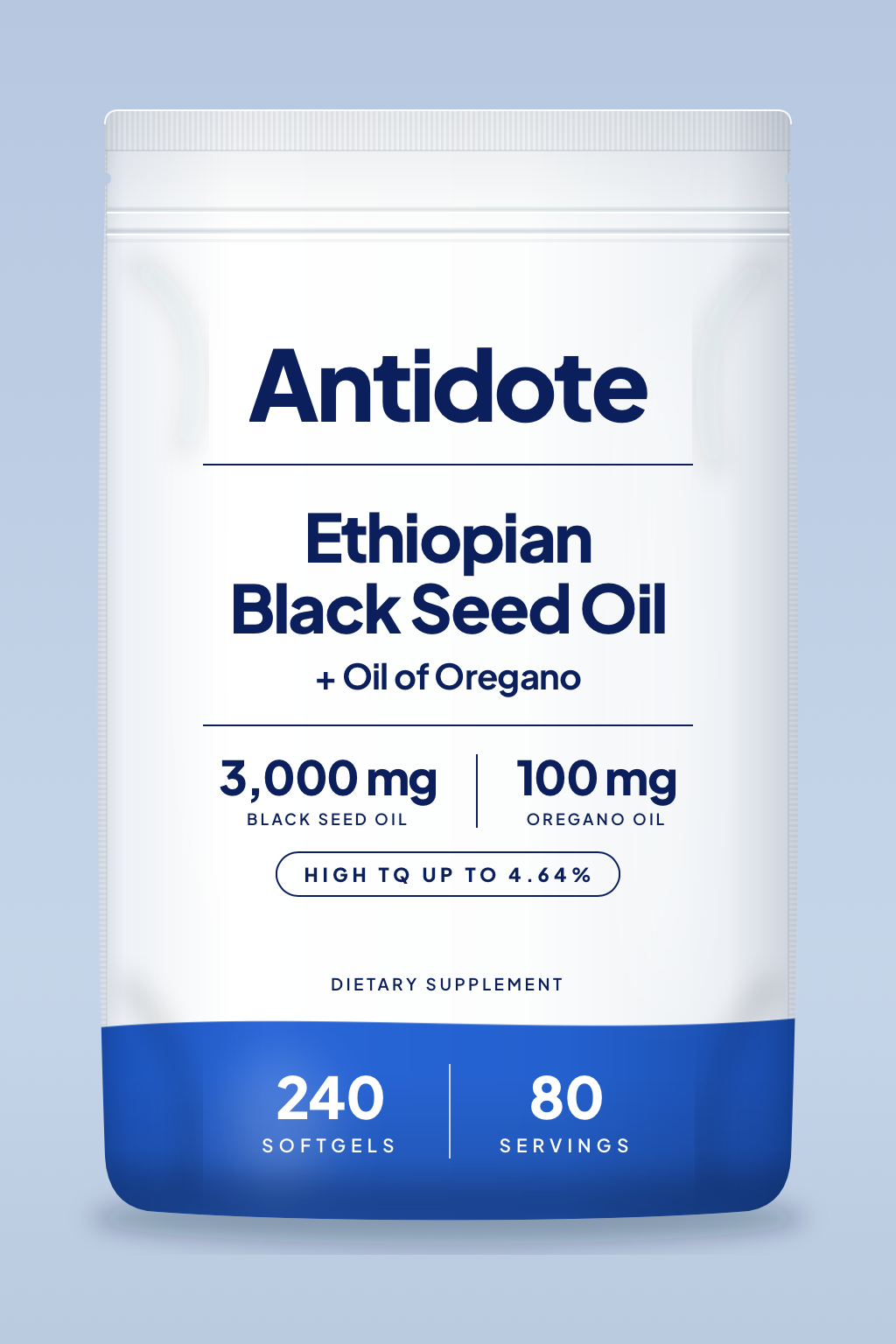
The Antidote Supplements combination softgels contain 3,000 mg black seed oil and 100 mg oregano oil extract per three-softgel serving, with up to 4.64% naturally occurring thymoquinone and 80 servings in each 240-softgel pouch.
The bottom line
Take oregano oil by mouth only as a product labelled for oral use, with food and as directed. Never swallow essential oil, and call 13 11 26 if it happens.
Medical reviewer
Dr Shafiqul Islam
MBBS, FRACGP
Read this next
Safety
How Much Oregano Oil Is Too Much? Australian Safety Guide
Signs you may be taking too much oregano oil, why label directions matter and when to seek help in Australia.
Dosage & Timing
Can You Take Oil of Oregano on an Empty Stomach? Australian Guide
Oregano oil can feel strong on an empty stomach. Learn why many people prefer it with food and what your label says.
How to Use
Oil of Oregano: What It Is and How to Use It in Australia
Understand oregano supplements, essential oils and kitchen infusions before choosing a format or following a serving instruction.
Oregano Oil
Oregano Oil: Benefits, Uses and Side Effects (Complete Guide for Australia)
What oregano's plant compounds can do in research, what remains uncertain in people, and what Australians should check before use.
Oregano Oil
Oil of Wild Oregano: What Makes Wild Oregano Different? Australia Guide
Understand what wild describes, why species and testing still matter, and which claims a source label cannot establish.
Dosage & Timing
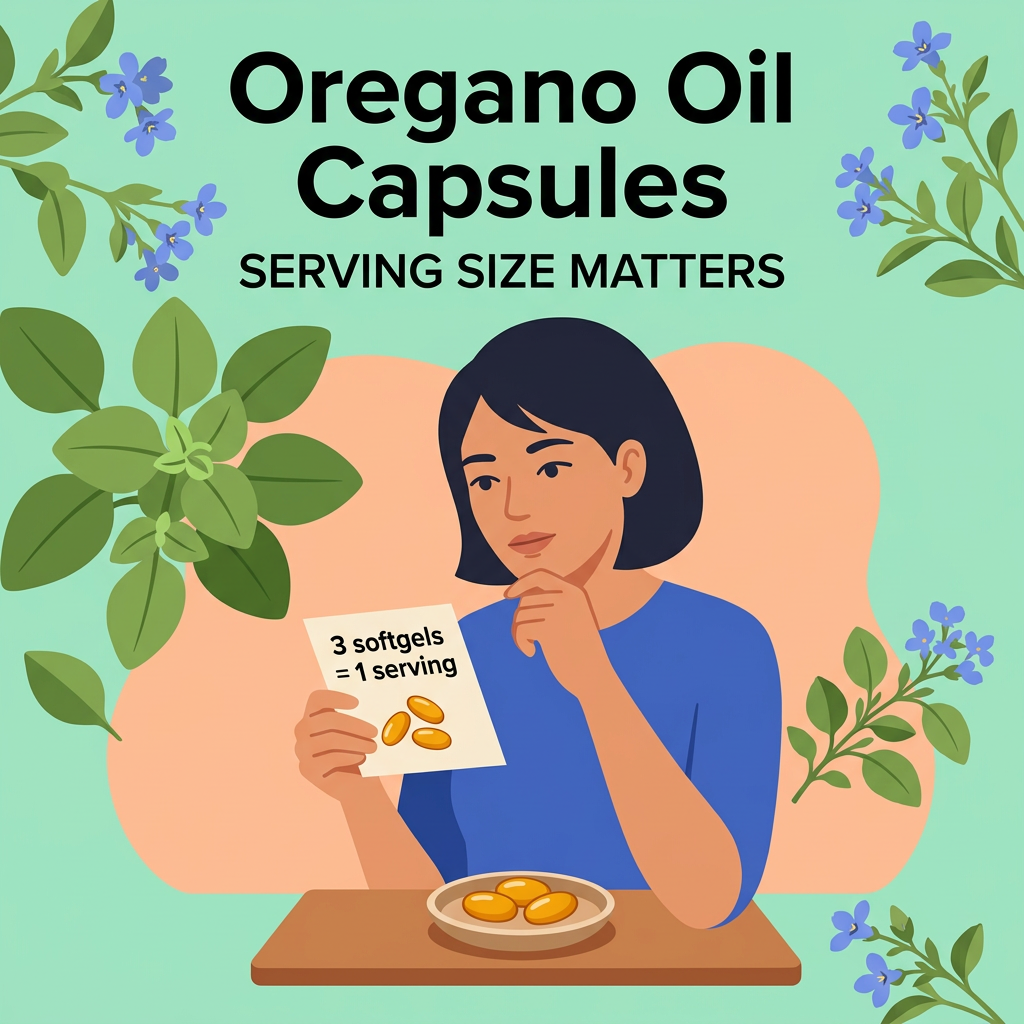
Oregano Oil Capsules: Benefits, Dosage and How to Choose in Australia
Learn how to read capsule servings, separate oregano extract from blend weight and choose a convenient format without guessing a dose.
Sources
- Therapeutic Goods Administration. Understanding listed and registered complementary medicine regulation.
- Suntres ZE, Coccimiglio J, Alipour M. The bioactivity and toxicological actions of carvacrol. Critical Reviews in Food Science and Nutrition. 2015;55(3):304–318.
- National Center for Complementary and Integrative Health. Using Dietary Supplements Wisely.