Australia
Oil of Wild Oregano: What Makes Wild Oregano Different? Australia Guide
Understand what wild describes, why species and testing still matter, and which claims a source label cannot establish.
Key takeaways
- Wild usually describes a sourcing claim, not a standardised concentration.
- Species, processing and batch information remain important.
- Wild-grown does not automatically mean organic, safer or clinically more effective.
Wild oregano has an appealing connection to plants growing in their natural setting. For someone interested in botanical ingredients, knowing where a plant came from can be part of choosing a product thoughtfully.
The word wild needs a closer look, however. It does not answer every question about an oregano oil's identity, composition or suitability. This Australian guide explains the sourcing question without turning it into an unsupported health ranking.
What does wild oregano usually mean?
A seller may use wild to describe plants harvested outside cultivation or a particular variety associated with wild growth. Because marketing descriptions vary, ask the seller what the term means for the actual ingredient.
Origanum vulgare is a botanical species with a documented native distribution. That botanical record identifies a plant; it does not certify how a retail product's ingredients were harvested.[1]
Wild and cultivated are not clinical categories
Growing conditions and processing can affect a plant preparation's composition. That is a reason to request specifications, not a reason to assume every wild oil has a higher useful concentration than every cultivated oil.
A wild-source label is also not an organic certificate. If organic production or sustainable harvesting matters to you, ask for information that specifically supports those claims. One sourcing word should not stand in for several different checks.
Does wild mean more carvacrol?
Not necessarily. A carvacrol claim needs composition information for the relevant preparation or batch. Species, plant material and extraction details help you understand what is being measured.
Carvacrol research includes biological activity in laboratory settings. A percentage cannot, on its own, show how a retail oil will affect a person's health. It also does not establish a safe homemade dose.[2]
Questions worth asking the seller
- Which species supplies the oregano ingredient?
- What does wild mean in the product specification?
- Where was the plant harvested and where was the oil processed?
- What preparation is used and are carrier oils included?
- Is any composition or contaminant testing tied to the current batch?
If the seller cannot explain the term, focus on the information they can substantiate. A clearly labelled cultivated ingredient may be easier to assess than a product with an attractive but unexplained sourcing claim.
Australian checks still apply
For complementary-medicine registration claims, consult the TGA's listed and registered medicine guidance. Wild harvesting does not establish an AUST L or AUST R listing and does not make a product exempt from relevant requirements.[3]
Read the route-of-use directions carefully. A concentrated essential oil intended for aromatic use should not be swallowed because the source plant grows wild. Natural origin and oral suitability are separate questions.
How the Antidote Supplements example fits
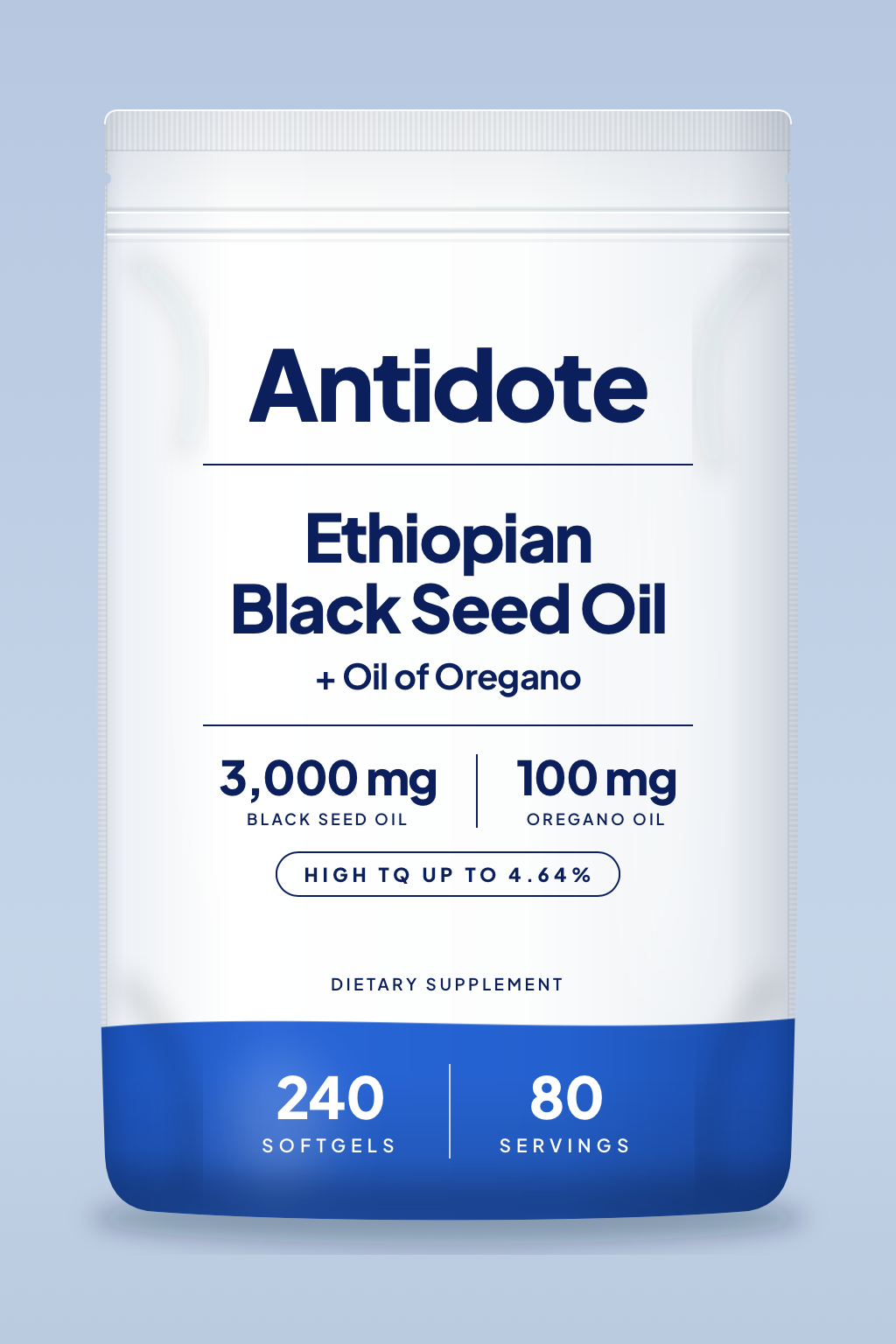
Antidote Supplements offers combination softgels containing black seed oil and oregano oil extract. We do not verify wild harvesting for its oregano ingredient in this article, so it is not presented as a certified wild oregano product.
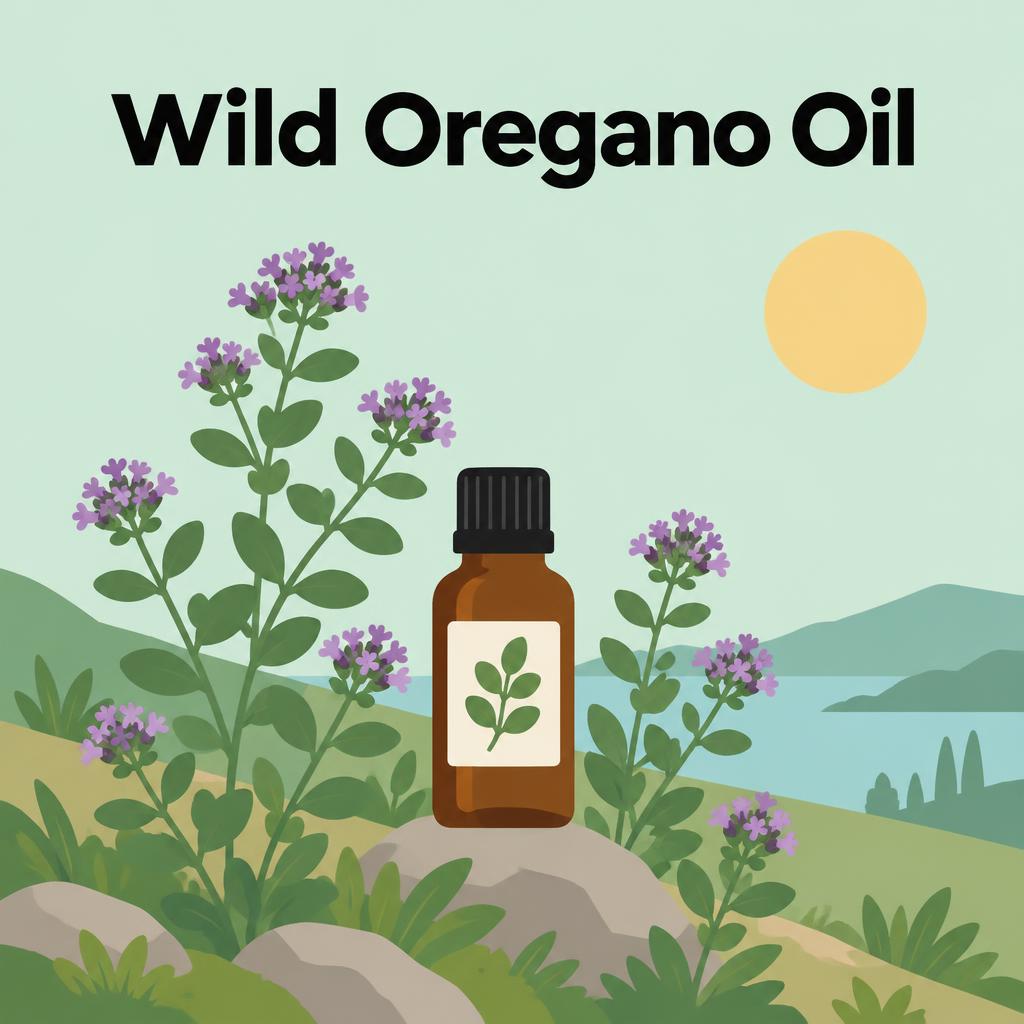
Its labelled three-softgel serving contains 3,000 mg black seed oil and 100 mg oregano oil extract. The owner confirms delivery to Australia. Check current ingredient specifications and checkout terms rather than inferring source claims from a botanical illustration.
Keep the research in perspective
A source description can help you compare transparency, but it cannot prove that an oil treats an illness. If you want to use a supplement alongside medicines or for persistent symptoms, discuss the actual formulation with a pharmacist or doctor.
The bottom line
Wild oregano describes a source or plant claim that needs explanation. Compare species, formulation and batch information before paying for the word wild. It does not automatically establish higher carvacrol, organic certification or better health effects.
Medical reviewer
Dr Mackie Abu-Bakr
MBBS, MRCS, MRCGP, FRACGP
Read this next
Buying Guides
Oil of Oregano in Australia: How to Choose a Quality Product
A practical checklist for oregano identity, concentration, intended use and Australian registration claims before you order.
Oregano Oil
Oregano Oil: Benefits, Uses and Side Effects (Complete Guide for Australia)
What oregano's plant compounds can do in research, what remains uncertain in people, and what Australians should check before use.
How to Use
Oil of Oregano: What It Is and How to Use It in Australia
Understand oregano supplements, essential oils and kitchen infusions before choosing a format or following a serving instruction.
Dosage & Timing
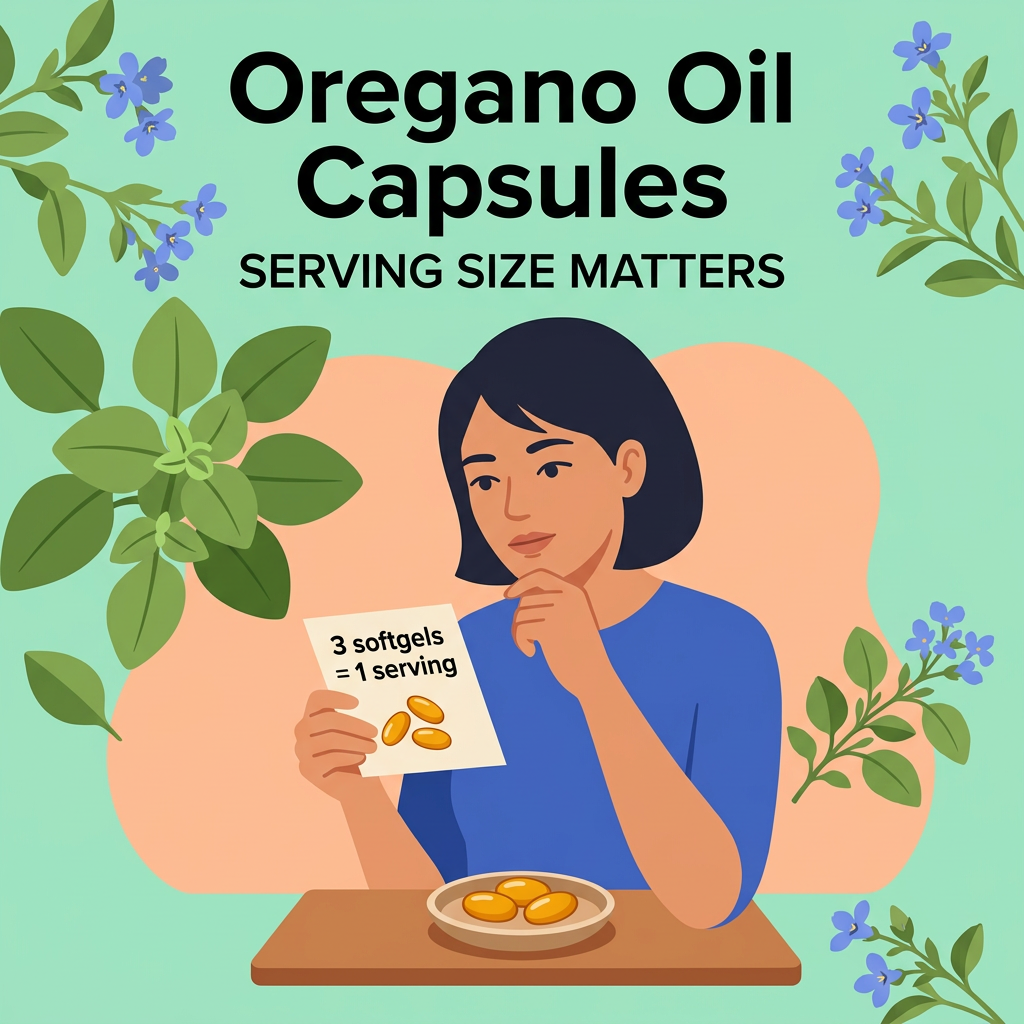
Oregano Oil Capsules: Benefits, Dosage and How to Choose in Australia
Learn how to read capsule servings, separate oregano extract from blend weight and choose a convenient format without guessing a dose.
Safety
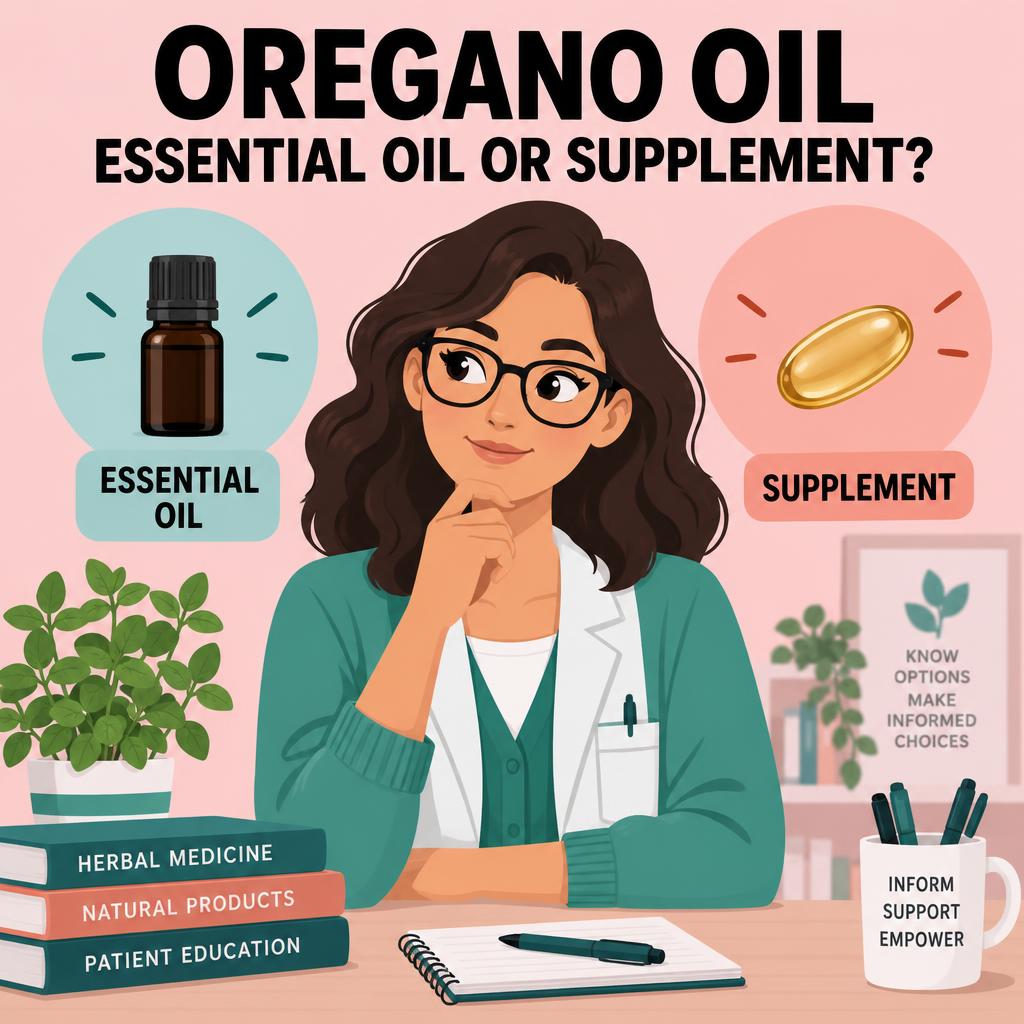
Oregano Essential Oil vs Oil of Oregano Supplements: What's the Difference in Australia?
Distinguish aromatic essential oils from products with oral supplement directions, and avoid transferring dosing advice between them.
Safety
Oregano Oil Side Effects and How to Avoid Them: Australian Guide
Make informed oregano supplement choices, recognise unwanted reactions and know when professional or urgent advice is needed.
Sources
- Royal Botanic Gardens, Kew. Plants of the World Online: Origanum vulgare L. distribution and botanical classification.
- Suntres ZE, Coccimiglio J, Alipour M. The bioactivity and toxicological actions of carvacrol. Critical Reviews in Food Science and Nutrition. 2015;55(3):304–318.
- Therapeutic Goods Administration. Understanding listed and registered complementary medicine regulation.