Australia
Oil of Oregano in Australia: How to Choose a Quality Product
A practical checklist for oregano identity, concentration, intended use and Australian registration claims before you order.
Key takeaways
- Choose by intended use and disclosed ingredients before comparing strength.
- Carvacrol percentage and extract weight describe different things.
- An imported label does not prove Australian medicine registration.
Choosing oregano oil becomes easier when you know what the product is intended to do in your routine. A culinary oil, an aromatic essential oil and an oral supplement answer different needs, even if their front labels use similar words.
For Australian buyers, this guide is about purchase checks rather than a national best-brand ranking. Antidote Supplements is sold on this site and appears as a clearly disclosed combination-product example. We have not independently tested the whole market.
Start with the route of use
Look for explicit oral directions if you are buying a supplement to swallow. Do not infer oral suitability from a dropper bottle or from the words natural and pure. Products sold for aromatherapy or external use need to remain within those directions.
If you want oregano for cooking, choose a food product. Kitchen-infused oil is not a substitute for a concentrated supplement. Our oregano use guide explains the differences in more detail.
Check the botanical source
A helpful label identifies the botanical ingredient and the preparation. Origanum vulgare is a recognised oregano species, but the general term oregano does not by itself tell you the exact plant or its chemical profile.[1]
Ask the seller to clarify whether the product contains an essential oil, an extract or an infused oil. Also check the carrier oil and capsule ingredients. These details matter for concentration, dietary preferences and allergies.
Understand the strength figures
An extract amount in milligrams is not the same as a carvacrol percentage. To compare them, you need to know what the percentage applies to and how much of that material is in a serving. A total blend weight cannot supply the missing information.
A claim such as high carvacrol may describe composition, but it does not establish better clinical outcomes. Carvacrol has laboratory biological activity; those findings do not establish a treatment dose for infections in people.[2]
Look for practical transparency
- A complete ingredient list and serving size.
- Directions for the intended use.
- A batch number and expiry date.
- Seller contact details and product specifications.
- Test information that matches the claims being made.
If a seller advertises independent testing, check what was tested and which batch it covers. A certificate for ingredient identity is not automatically evidence for every contaminant or every health claim.
Check local registration language
The TGA distinguishes listed and registered complementary medicines. If a seller displays an AUST L or AUST R number, check it against the matching product. Do not assume TGA approval from an Australian web address or a shipping option.[3]
This guide does not verify an Australian medicine listing for Antidote Supplements. Imported supplement facts describe the product, but do not establish Australian regulatory status.
Consider whether you want a combination
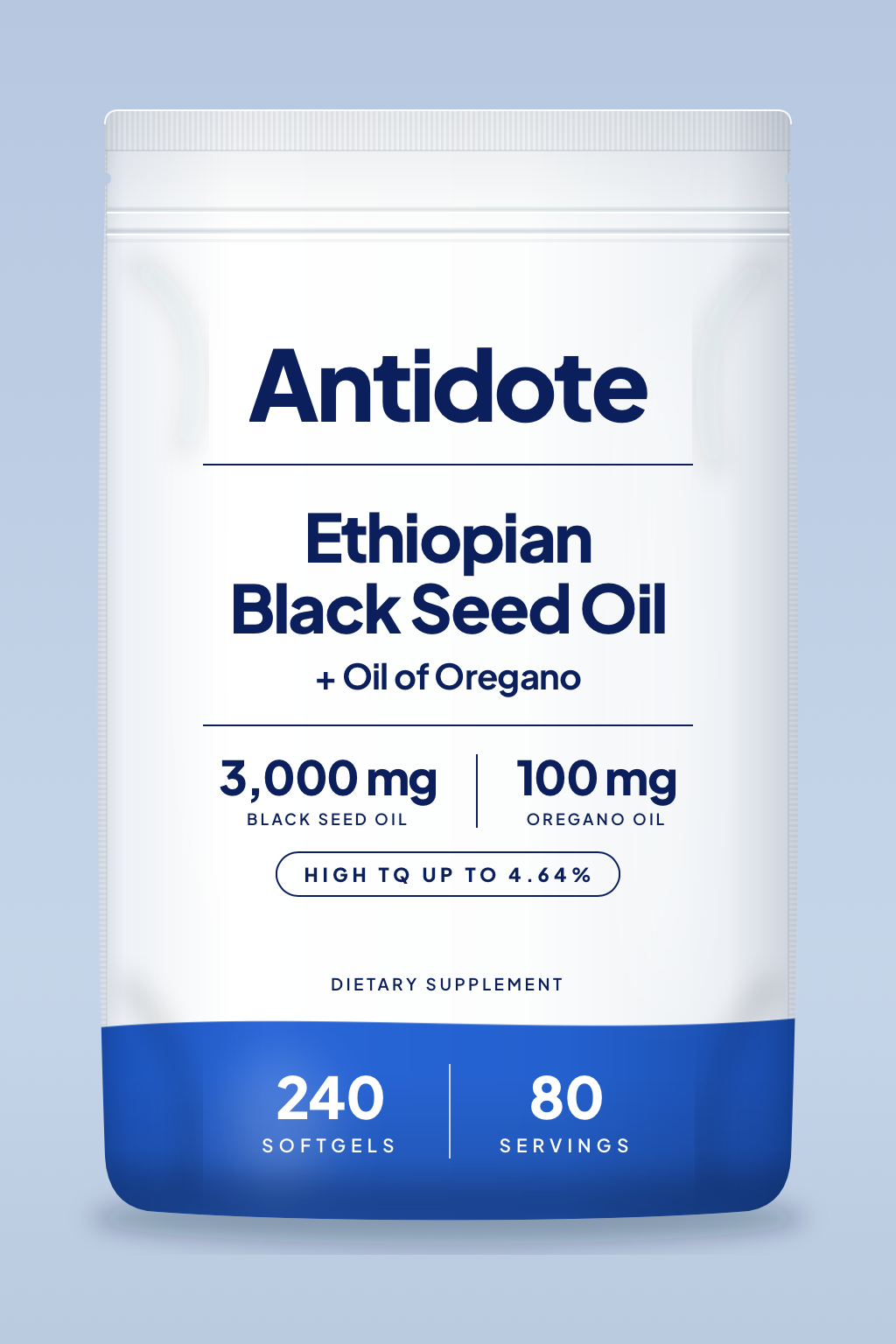
Antidote Supplements Ethiopian Black Seed Oil With Oil of Oregano is a combination softgel product. A three-softgel serving contains 100 mg oregano oil extract and 3,000 mg black seed oil. The 240-softgel pouch provides 80 labelled servings.
It is not a standalone liquid oregano oil and should not be compared as though all 3,100 mg were oregano. The brand's separate 50 mL liquid contains black seed oil only, without oregano.
Finish with cost and suitability
Antidote Supplements confirms delivery to Australia. Compare the final delivered total at checkout rather than relying on a review's old price. No fixed delivery time or local retail availability is promised here.
Before using concentrated botanical supplements, ask a pharmacist or doctor about medicines, pregnancy, breastfeeding or an existing condition. A product that is clearly labelled still needs to be suitable for the person taking it.
The bottom line
A quality oregano purchase starts with the intended use, botanical identity and understandable serving information. For Australia, verify registration claims separately from overseas labels. If you choose a combination softgel, compare the oregano amount rather than the total blend weight.
Medical reviewer
Dr Donald Otasowie
MBBS, FRACGP
Read this next
How to Use
Oil of Oregano: What It Is and How to Use It in Australia
Understand oregano supplements, essential oils and kitchen infusions before choosing a format or following a serving instruction.
Buying Guides
Best Oil of Oregano With Black Seed Oil in Australia: How to Choose a Good One
A criteria-led Australian buying guide covering ingredient quantities, softgel servings, TQ claims and the Antidote Supplements combination.
Buying Guides
Buying Oregano Oil in Australia: Capsules, Liquid or Softgels?
Compare taste, measurement, capsule ingredients and travel convenience before choosing an oregano oil format in Australia.
Buying Guides
Where to Buy Oregano Oil in Australia
Compare pharmacies, specialist retailers and online sellers by product identity, oral directions and current delivered cost, without invented stockist lists.
Buying Guides
Organic Oregano Oil: Is Organic Worth It in Australia?
How organic certification works in Australia, what it does and does not tell you about an oregano oil, and other quality signs to check.
Comparisons
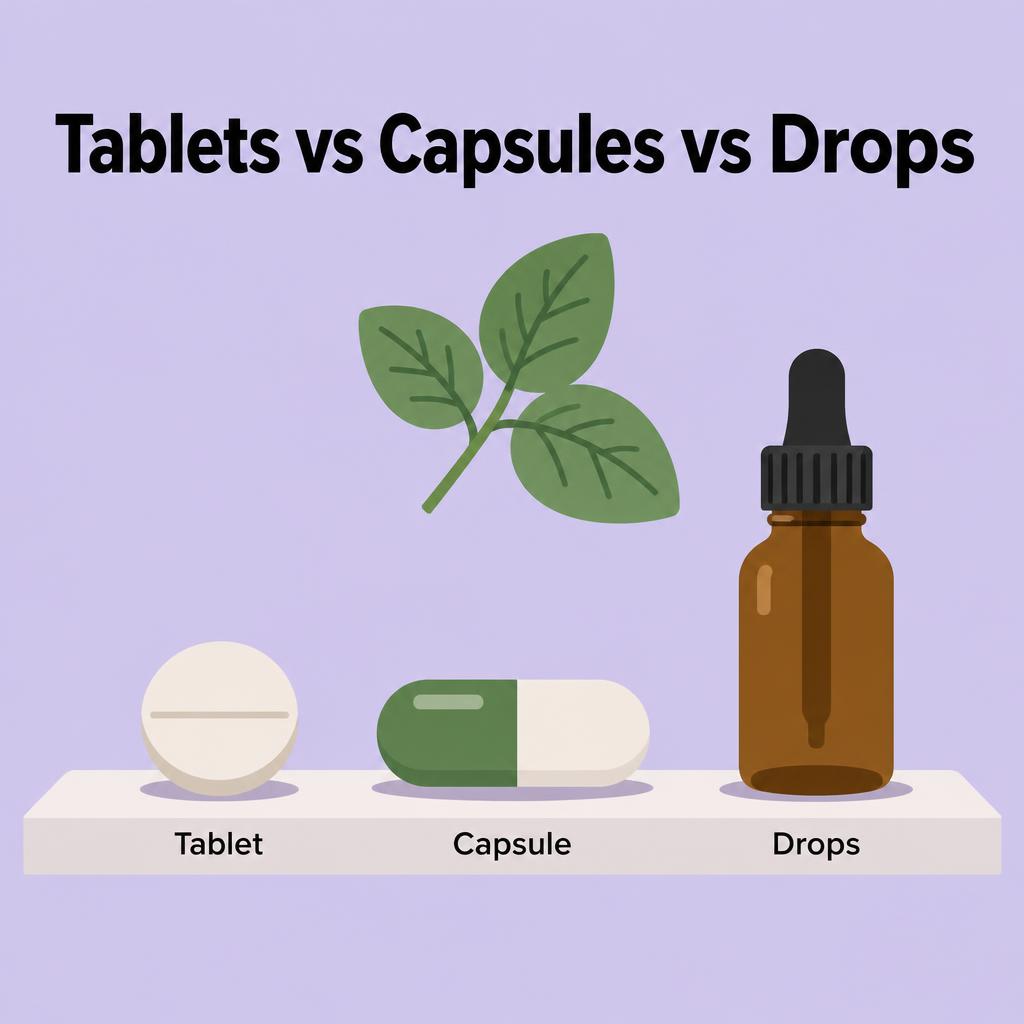
Oil of Oregano Tablets vs Capsules vs Drops: Which Format Suits You?
Oregano oil comes as tablets, capsules and drops. Here is how the formats compare on taste, dosing and convenience.
Sources
- Royal Botanic Gardens, Kew. Plants of the World Online: Origanum vulgare L. distribution and botanical classification.
- Suntres ZE, Coccimiglio J, Alipour M. The bioactivity and toxicological actions of carvacrol. Critical Reviews in Food Science and Nutrition. 2015;55(3):304–318.
- Therapeutic Goods Administration. Understanding listed and registered complementary medicine regulation.