Australia
Oregano Essential Oil vs Oil of Oregano Supplements: What's the Difference in Australia?
Distinguish aromatic essential oils from products with oral supplement directions, and avoid transferring dosing advice between them.
Key takeaways
- Product names do not establish a safe route of use.
- An aromatic essential oil should not be turned into a homemade oral supplement.
- The Antidote Supplements oregano product is a combination softgel, not a liquid essential oil.
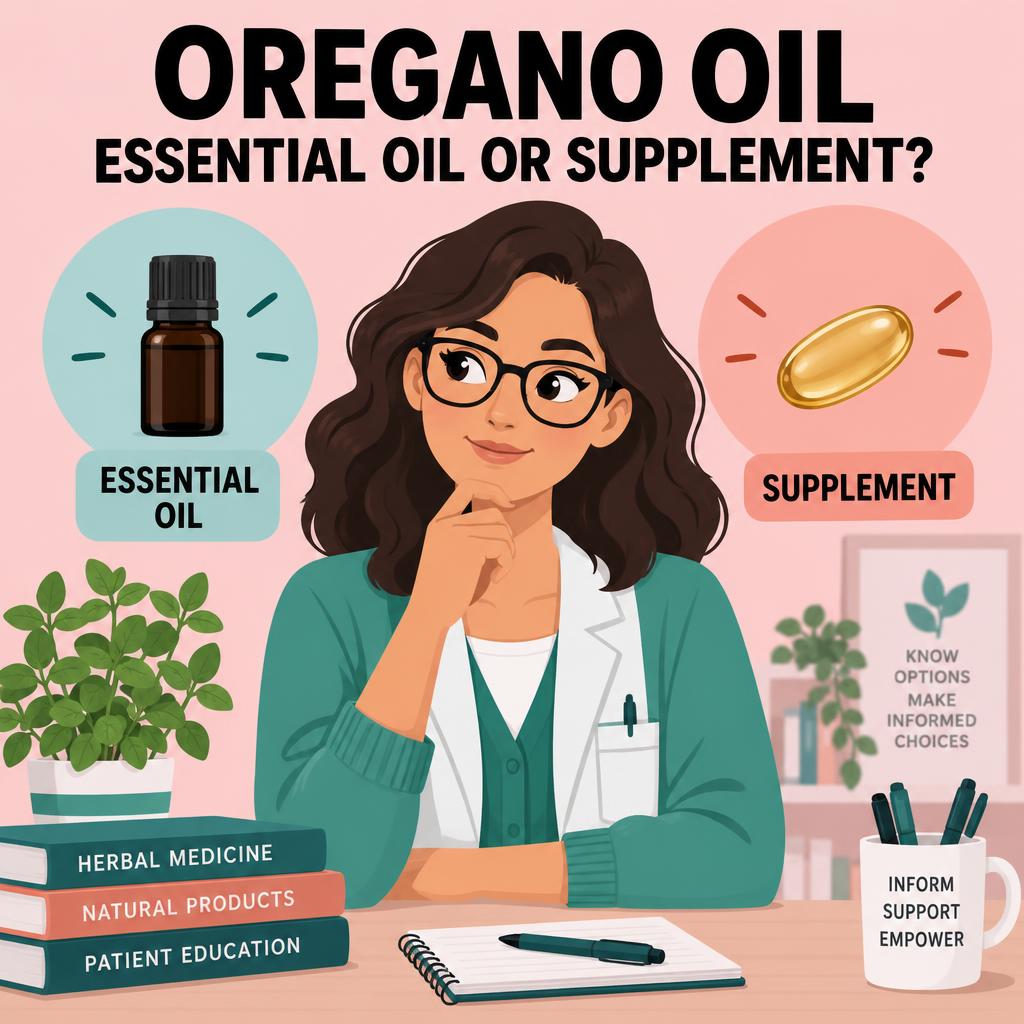
Understanding an oregano product's intended use makes choosing it much simpler. A small aromatic bottle and a labelled oral supplement can share a plant name while being designed for different purposes.
This Australian guide focuses on that route-of-use distinction. It is not a recipe for diluting essential oil or making capsules. Clear directions are the starting point, not a front-label claim that an ingredient is natural.
What is an essential oil product?
An essential oil is a concentrated aromatic preparation. Retail products may be intended for aromatic or external use. Their botanical origin does not make them suitable to swallow, and a dropper does not establish an oral dose.
Read the actual route and warnings. Do not add an aromatic oregano oil to water, food or an empty capsule to create a supplement. Mixing it yourself does not establish safety or equivalent concentration.
What makes an oral supplement different?
An oral supplement should have directions for taking it by mouth and understandable serving information. It may contain an extract, an oil preparation, carrier ingredients or other botanicals. Read the complete formulation rather than assuming every capsule contains pure essential oil.
Oral directions identify the intended route, but they do not guarantee suitability for every person or prove a medical benefit. Pregnancy, medicines and existing conditions still matter.
Why similar wording can be misleading
- Oil of oregano can describe different preparations.
- Pure does not establish oral suitability.
- A high constituent percentage is not a universal dose.
- Capsule count is not the same as the amount of oregano.
- A culinary infusion is different again.
If the listing and label disagree, ask the seller for clarification before use. Do not let a blog's dosing advice override a product's external-use warning.
Research does not supply a home dilution recipe
Carvacrol research discusses biological activity and toxicology in settings that can differ from normal supplement use.[1] It does not establish a safe number of drops of any retail essential oil to swallow.
Laboratory activity is not evidence that a homemade mixture treats infection. A percentage measured in a preparation also cannot be used alone to calculate a safe human exposure.
Keep concentrated oils away from children
The Royal Children's Hospital Melbourne's essential-oil poisoning guideline describes potentially significant effects after exposure, including aspiration risk.[2] Store these products securely, not in a place where a child may mistake them for medicine or food.
In Australia, contact the Poisons Information Centre on 13 11 26 for suspected poisoning. Call 000 for severe symptoms such as breathing difficulty or collapse. Do not induce vomiting after swallowing an essential oil.
How the Antidote Supplements example differs
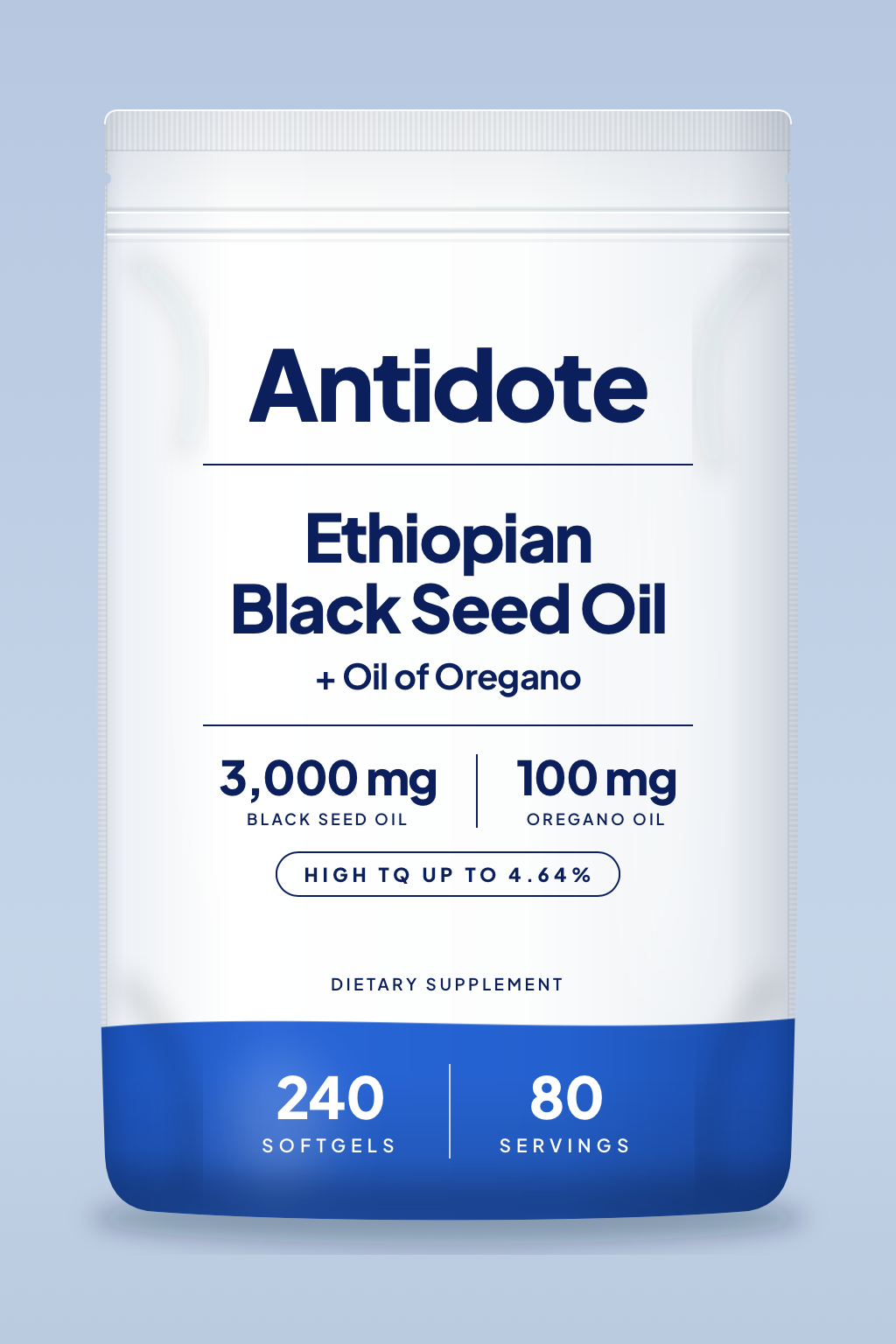
Antidote Supplements Ethiopian Black Seed Oil With Oil of Oregano is a combination softgel. Three softgels contain 100 mg oregano oil extract and 3,000 mg black seed oil. The product is not a bottle of oregano essential oil.
The separate 50 mL liquid contains black seed oil without oregano. Neither product should be used to infer a dose or dilution for a different essential oil. Follow the actual product label and ask about suitability.
Australian purchase checks
Antidote Supplements confirms delivery to Australia. Shipping availability does not establish Australian medicine registration. If a seller claims an AUST L or AUST R number, verify it for the matching product; the TGA explains that those pathways differ.[3]
For persistent symptoms, seek appropriate medical assessment. A clearer understanding of product categories can support an informed choice without turning aromatic oils into unverified treatments.
The bottom line
An essential oil and an oral oregano supplement can have different preparations and directions. Do not swallow an aromatic oil or create a homemade oral dose. Choose by the actual label and keep concentrated oils securely away from children.
Medical reviewer
Dr Chinedu Oraetue
MBBS, FRACGP
Read this next
Buying Guides
Buying Oregano Oil in Australia: Capsules, Liquid or Softgels?
Compare taste, measurement, capsule ingredients and travel convenience before choosing an oregano oil format in Australia.
Safety
Oregano Oil Side Effects and How to Avoid Them: Australian Guide
Make informed oregano supplement choices, recognise unwanted reactions and know when professional or urgent advice is needed.
How to Use
Oil of Oregano: What It Is and How to Use It in Australia
Understand oregano supplements, essential oils and kitchen infusions before choosing a format or following a serving instruction.
Oregano Oil
Oregano Oil: Benefits, Uses and Side Effects (Complete Guide for Australia)
What oregano's plant compounds can do in research, what remains uncertain in people, and what Australians should check before use.
Oregano Oil
Oil of Wild Oregano: What Makes Wild Oregano Different? Australia Guide
Understand what wild describes, why species and testing still matter, and which claims a source label cannot establish.
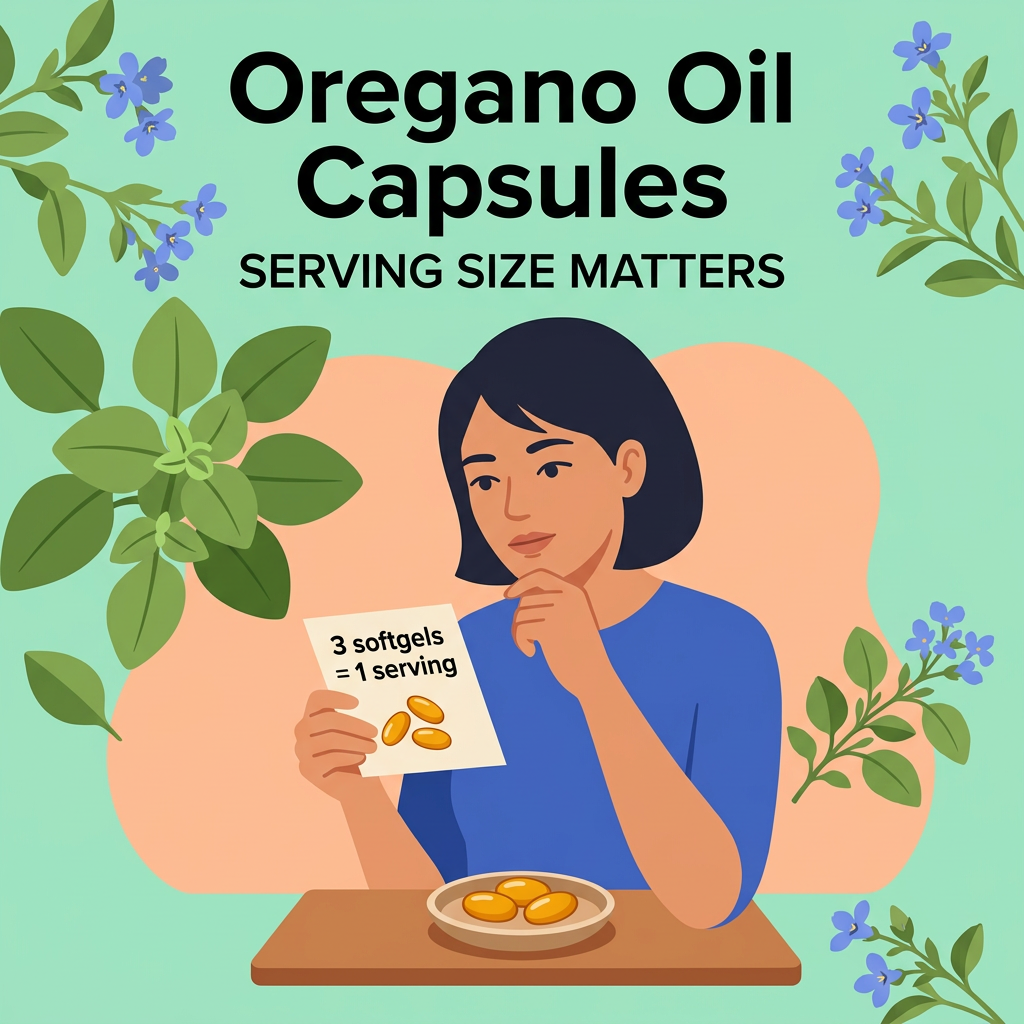
Dosage & Timing
Oregano Oil Capsules: Benefits, Dosage and How to Choose in Australia
Learn how to read capsule servings, separate oregano extract from blend weight and choose a convenient format without guessing a dose.
Sources
- Suntres ZE, Coccimiglio J, Alipour M. The bioactivity and toxicological actions of carvacrol. Critical Reviews in Food Science and Nutrition. 2015;55(3):304–318.
- The Royal Children's Hospital Melbourne. Clinical Practice Guidelines: Essential Oil Poisoning.
- Therapeutic Goods Administration. Understanding listed and registered complementary medicine regulation.