Oregano Oil During Pregnancy: Is It Safe?
Most health professionals advise avoiding concentrated oregano oil during pregnancy. Here's why, and what the concerns are based on.
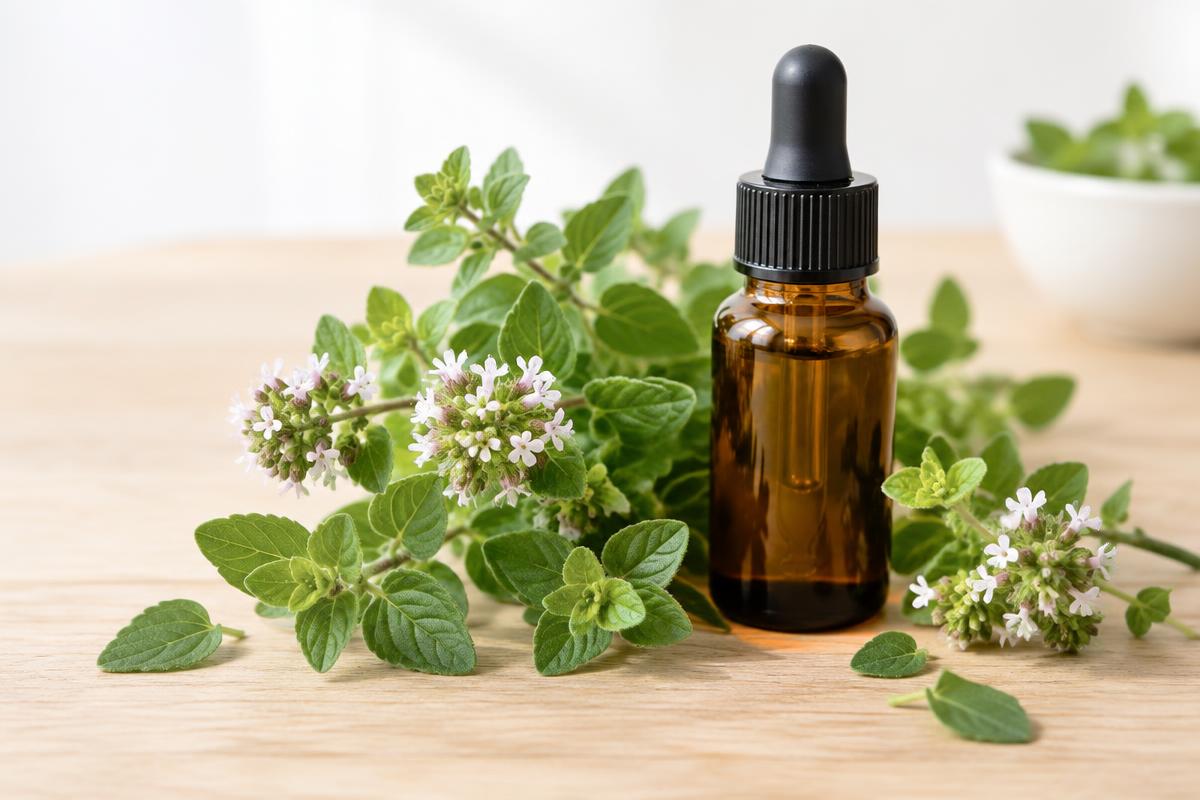
Key takeaways
- Concentrated oregano oil is generally advised against during pregnancy due to limited safety data and traditional use as a uterine stimulant.
- Carvacrol and thymol have not been well studied for safety in pregnant people.
- Culinary amounts of oregano used in cooking are considered different from concentrated oil or capsules.
- Always check with your OB-GYN or midwife before using any herbal supplement while pregnant.
Why is oregano oil a concern during pregnancy?
Oregano has a long history in traditional medicine as an emmenagogue — a substance believed to stimulate menstrual flow or uterine activity. While this hasn't been rigorously tested in modern clinical trials, it's a key reason most clinicians and herbalists advise avoiding concentrated oregano oil during pregnancy, particularly in the first trimester.
What does the research actually say?
There is very little direct human research on oregano oil supplementation during pregnancy. Most safety concerns are extrapolated from traditional use patterns and the pharmacological activity of carvacrol and thymol in animal and lab studies,[1] rather than confirmed pregnancy-specific trials. The absence of evidence of safety is treated as a reason for caution, not reassurance.
Cooking with oregano vs. taking oregano oil
Using dried or fresh oregano as a seasoning in normal cooking amounts is generally considered different from taking concentrated oregano oil drops or capsules, which deliver far higher doses of active compounds. Most dietary guidance focuses specifically on the concentrated supplement form.
What about using it on skin while pregnant?
Topical use is sometimes considered lower-risk due to lower systemic absorption, but data specific to pregnancy is still lacking. Essential oils in general are often advised against or used very cautiously during pregnancy — always check with your provider first.
Safer alternatives to ask your provider about
- Steam inhalation with saline for congestion
- Approved pregnancy-safe options for nausea or digestive discomfort
- Vitamin C and zinc-rich foods for general immune support
- Rest, hydration and following your prenatal care plan
When to see a doctor
Black seed oil and oregano oil are not a substitute for diagnosis or prescribed treatment. See a healthcare professional if symptoms are severe, getting worse or not improving.
Frequently asked questions
Can I use oregano oil while breastfeeding instead?
See our dedicated guide on this topic — breastfeeding has different considerations. For pregnancy specifically, avoidance is the common recommendation.
Is it safe to use oregano as a cooking spice while pregnant?
Normal culinary amounts are generally considered fine; the concern is specifically about concentrated oils and supplements.
What if I already took some before I knew I was pregnant?
A single incidental exposure is unlikely to be cause for alarm, but mention it to your provider at your next appointment for personalized guidance.
The bottom line
Because of limited safety research and traditional concerns about uterine effects, most guidance advises avoiding concentrated oregano oil during pregnancy. Talk to your OB-GYN or midwife before using it.
Read this next
Safety
Can You Take Black Seed Oil While Breastfeeding or Pregnant?
Food amounts vs supplements during pregnancy and breastfeeding.
Safety
Oil of Oregano Side Effects and Safety
The side effects to know and who should avoid oregano oil.
Oregano Oil
Is Oil of Oregano the Same as Oregano Oil?
Same oil, two names — but not every product labelled 'oregano oil' is the same.
Oregano Oil
Oregano Oil Benefits and Uses
Oregano oil is potent and well studied in the lab. Here's how it may help and how to use it safely.
Dosage & Timing
Oil of Oregano for Kids: Is It Safe and How Much?
Why there's no established child dose and what to do instead.
Oregano Oil
Oregano Oil Capsules vs Liquid: Which Is Better?
Softgels vs drops — taste, dosing and carvacrol content.
Sources
- Suntres ZE, Coccimiglio J, Alipour M. The bioactivity and toxicological actions of carvacrol. Crit Rev Food Sci Nutr. 2015;55(3):304-318.
- Leyva-López N, Gutiérrez-Grijalva EP, Vazquez-Olivo G, Heredia JB. Essential oils of oregano: biological activity beyond their antimicrobial properties. Molecules. 2017;22(6):989.