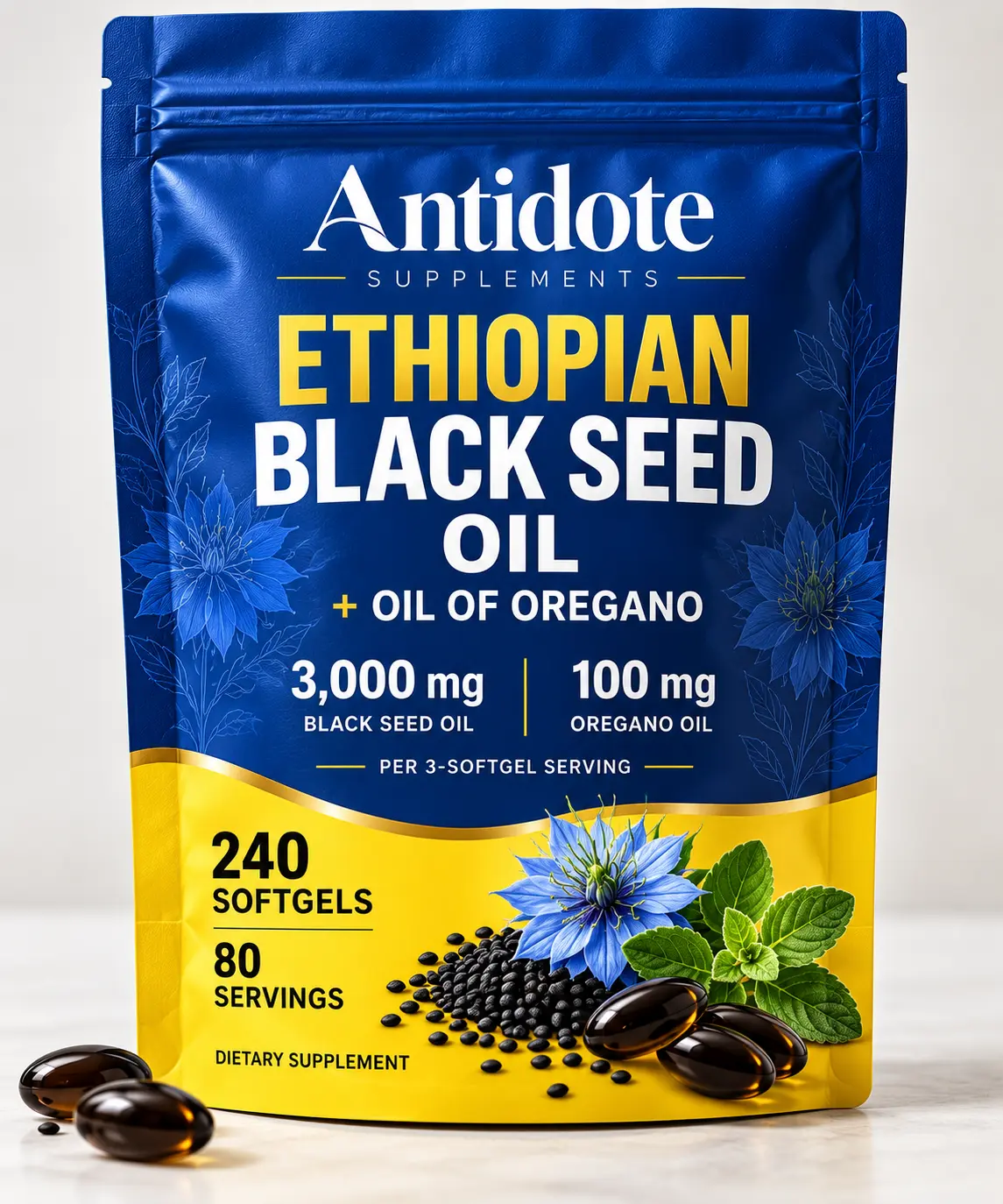
Scalp Care Routine: A Simple Weekly Plan for a Healthier Scalp
A healthy scalp is the foundation for healthy-looking hair — here's a realistic weekly routine.
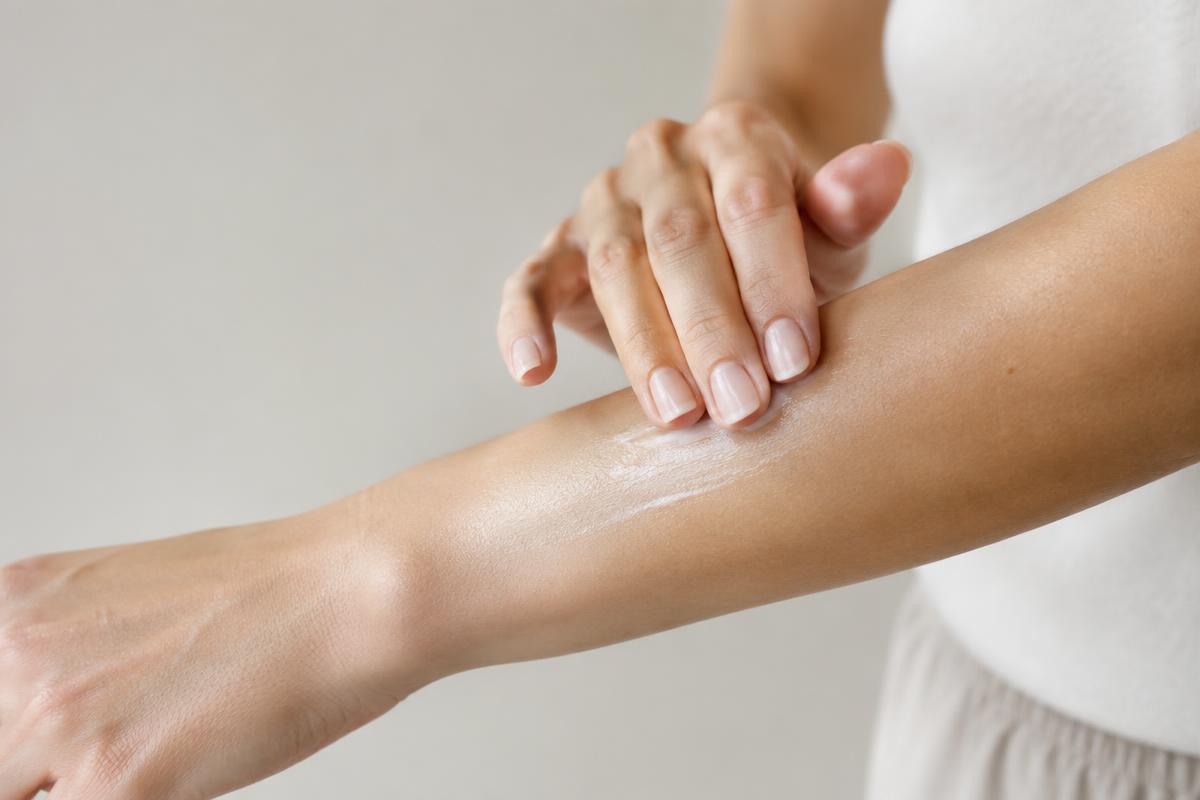
Key takeaways
- A good scalp care routine balances cleansing, gentle exfoliation and moisture.
- A scalp health shampoo suited to your scalp type (oily, dry, flaky) matters more than any single ingredient.
- Black seed oil scalp treatments may help soothe mild irritation and dryness between washes.
- See a dermatologist for scalp pain, thick scaling, or hair loss alongside scalp symptoms.
Scalp care often gets skipped in favor of hair care, but the scalp is skin — and like skin elsewhere, it benefits from a consistent, gentle routine.
Why does scalp health matter for hair?
Hair follicles sit in the scalp, so inflammation, excess oil, or a disrupted skin barrier there can affect how hair looks and sheds. A congested or irritated scalp is also more prone to itching, flaking and odor.
What does a weekly scalp care routine look like?
- Wash 2–4 times a week with a scalp health shampoo suited to your scalp type — clarifying for oily scalps, moisturizing for dry ones.
- Once a week, use a soft brush or scalp massager for 2–3 minutes before shampooing to loosen buildup.
- After washing, apply a lightweight leave-on if your scalp tends to feel tight or flaky.
- Once or twice a week, massage in a diluted scalp treatment oil, leave 20–30 minutes, then wash out.
- Avoid scratching — use a cool compress or gentle tapping if itch strikes between washes.
Can black seed oil be part of a scalp care routine?
Thymoquinone, the main compound in black seed oil, has shown anti-inflammatory and antimicrobial activity in lab studies,[1] which is part of why it's a popular ingredient in hair and scalp treatments. Mix roughly a teaspoon with a carrier oil like jojoba, massage into the scalp, and rinse after 20–30 minutes. It isn't a medical treatment for conditions like scalp eczema or dandruff, but some people find it soothing as a supportive step.
Choosing a scalp health shampoo
| Scalp type | Look for | Avoid |
|---|---|---|
| Oily/flaky (dandruff-prone) | Zinc pyrithione, ketoconazole, salicylic acid | Heavy conditioning oils on the scalp |
| Dry/tight | Gentle sulfate-free cleansers, hydrating agents | Daily clarifying shampoo |
| Sensitive/easily irritated | Fragrance-free, minimal ingredient formulas | Strong essential oils undiluted |
When should you see a dermatologist about your scalp?
Persistent redness, thick scale, pain, patchy hair loss, or symptoms that don't improve after a few weeks of consistent care are reasons to get checked rather than keep adjusting products on your own.
When to see a doctor
Black seed oil and oregano oil are not a substitute for diagnosis or prescribed treatment. See a healthcare professional if symptoms are severe, getting worse or not improving.
Frequently asked questions
How often should I do a scalp treatment?
Once or twice a week is reasonable for most people; daily oil treatments can leave the scalp feeling greasy and may not add extra benefit.
Can a scalp care routine help hair growth?
A healthy scalp environment supports hair that's already growing, but it isn't a proven treatment for conditions like pattern hair loss.
Is scalp exfoliation necessary?
Gentle exfoliation (brushing or a scalp scrub) can help remove buildup, but it should be done gently and not daily, especially on sensitive scalps.
The bottom line
A simple, consistent scalp care routine — the right shampoo, gentle exfoliation, and occasional soothing treatments like diluted black seed oil — supports a healthier scalp environment. Persistent symptoms deserve a dermatologist's input.
Read this next
Black Seed Oil
Black Seed Oil for Hair: Benefits and How to Use It
A simple scalp routine, realistic results and how it compares with hair vitamins.
Skin
How to Treat Eczema on the Scalp (and Tell It Apart From Dandruff)
An itchy, flaking scalp could be eczema, seborrheic dermatitis, or both — here's how to tell and treat it.
Black Seed Oil
Best Vitamins for Hair Growth: What Actually Has Evidence Behind It
Hair growth vitamins only help if you're actually deficient — here's how to tell, and what the evidence supports.
Black Seed Oil
What Does Black Seed Oil Taste Like?
Bold, bitter and peppery — here's what to expect from black seed oil's taste, and how to skip it.
Black Seed Oil
Is Black Seed Oil a Binder? What the Term Actually Means
'Binder' is a wellness term, not a medical one. Here's where black seed oil and oregano oil fit.
Black Seed Oil
Black Seed Oil Benefits: What the Research Says
From skin health to blood sugar, here's what studies on black seed oil actually show.
Sources
- Darakhshan S, Bidmeshki Pour A, Hosseinzadeh Colagar A, Sisakhtnezhad S. Thymoquinone and its therapeutic potentials. Pharmacol Res. 2015;95-96:138-158.
- Ahmad A, Husain A, Mujeeb M, et al. A review on therapeutic potential of Nigella sativa: a miracle herb. Asian Pac J Trop Biomed. 2013;3(5):337-352.