United Kingdom
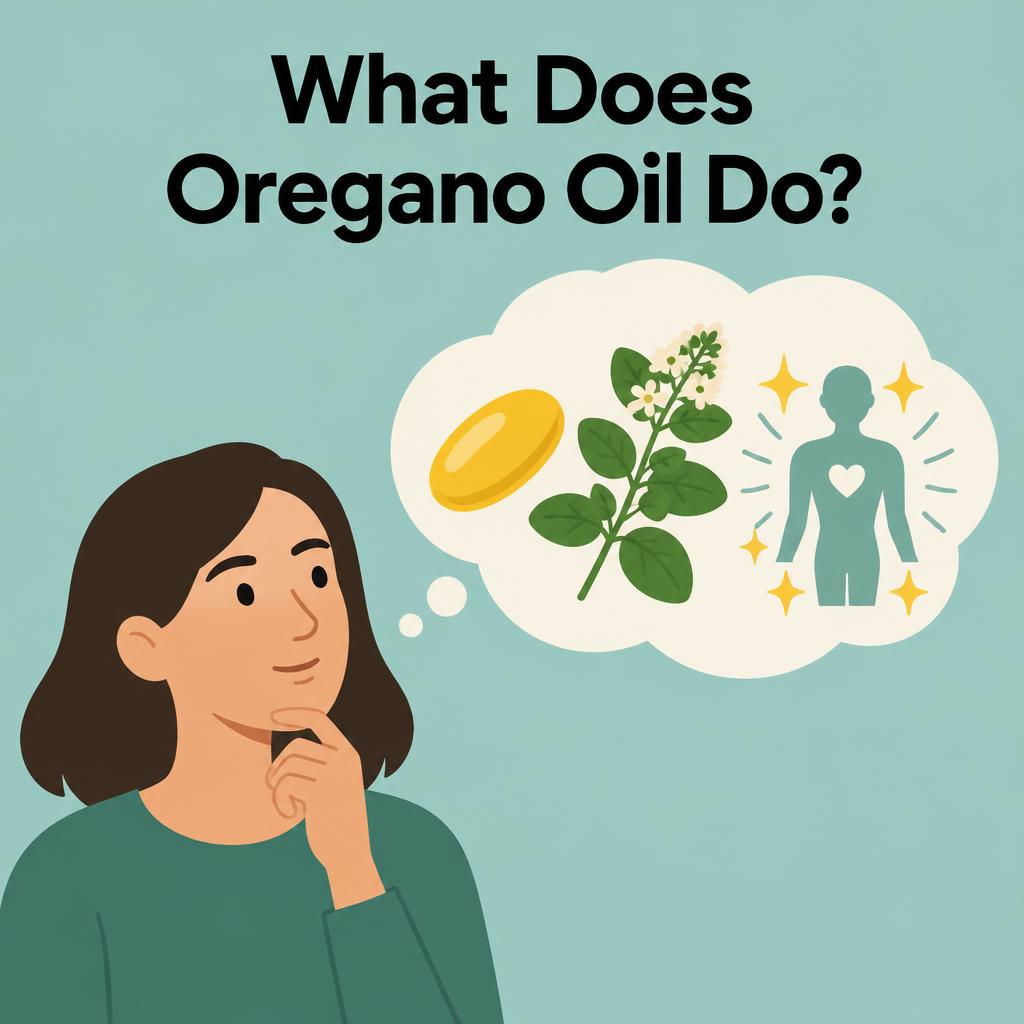
What Does Oregano Oil Do?
Oregano oil's effects come mainly from carvacrol and thymol. Here is what those compounds do in the body, in plain English, and what the evidence actually shows.
Key takeaways
- Oregano oil's main active compounds are carvacrol and thymol.
- Laboratory studies show antimicrobial and antioxidant activity.
- Human evidence is still limited, so claims should stay modest.
- Softgels deliver a measured dose without the strong taste.
The short answer
Oregano oil delivers concentrated aromatic compounds, chiefly carvacrol and thymol, that you would never get in meaningful amounts from cooking with the herb. These compounds are behind nearly every effect attributed to the oil.
Antimicrobial activity
In laboratory studies, carvacrol disrupts the cell membranes of many bacteria and fungi, including some that resist conventional treatments. This is why oregano oil has a long folk reputation for seasonal bugs and gut imbalances.
It is worth being honest about the limits: a petri dish is not a human body. Human trials are small and early, so oregano oil should complement, never replace, proper medical care.
Antioxidant and anti-inflammatory effects
Carvacrol and thymol are both antioxidants, helping to neutralise free radicals in test-tube and animal studies. Animal research also points to anti-inflammatory activity, which is one reason oregano oil is paired with black seed oil, whose thymoquinone has been studied along similar lines.
Digestive support
Traditionally, oregano oil has been used for digestive comfort, and some small human studies suggest it may help with gut microbial balance. Many people take it with meals for exactly this reason, and taking it with food also reduces the chance of stomach irritation.
What it does not do
Oregano oil is not a cure for infections, cancer or chronic disease, and no honest source should claim otherwise. Think of it as a concentrated botanical with promising early evidence, best used as one part of a wider healthy routine.
Choosing a sensible product
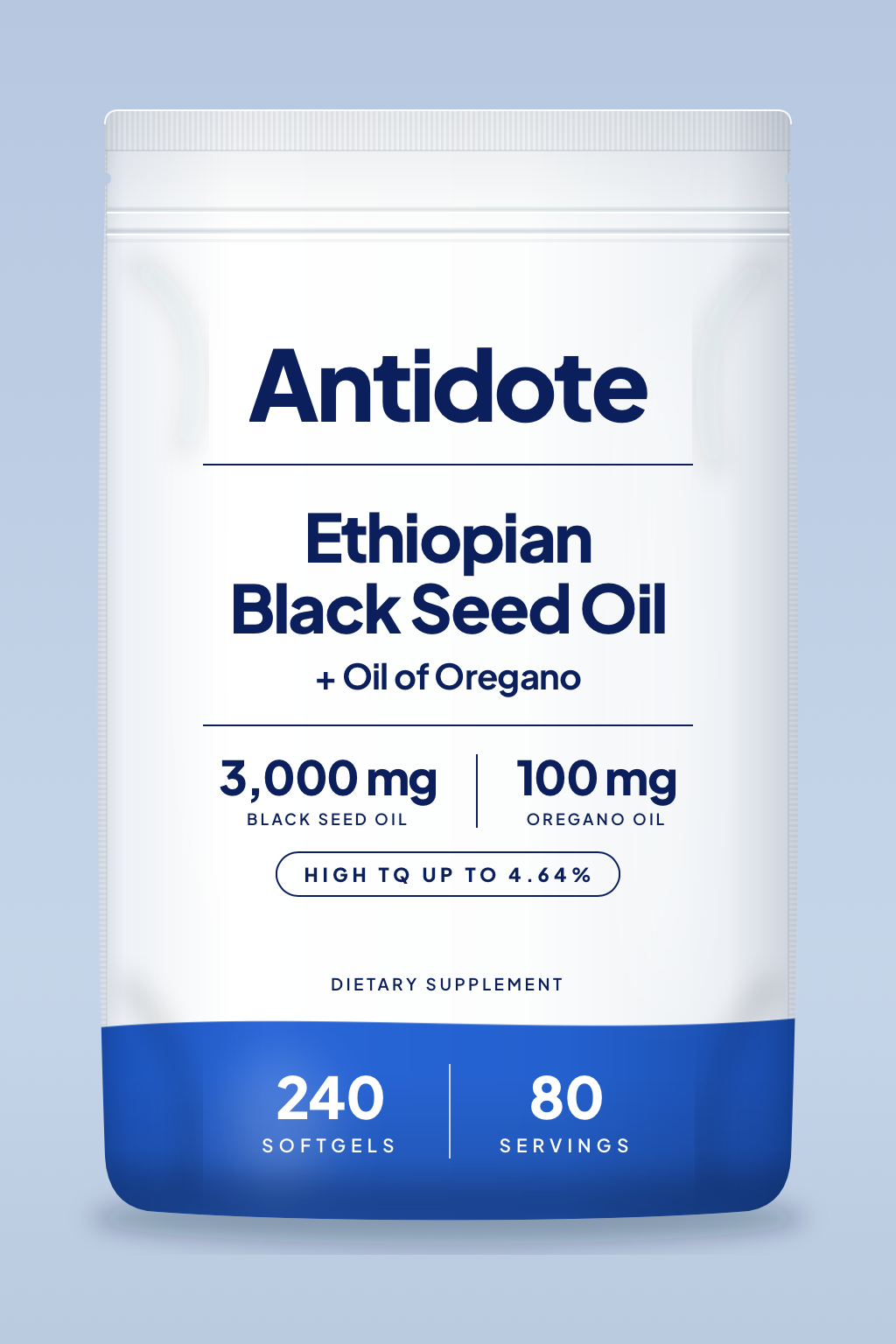
A measured softgel keeps dosing consistent. The Antidote Supplements softgels combine 100 mg of oregano oil extract with 3,000 mg of black seed oil per three-capsule serving, a moderate level suited to regular use rather than an aggressive short course.
The bottom line
Oregano oil's effects come from carvacrol and thymol, which show antimicrobial, antioxidant and anti-inflammatory activity in early research. Human evidence is still developing, so use it as a measured supplement, not a medicine.
Medical reviewer
Dr Ali Ziabari
MBChB, FRACGP
Read this next
Oregano Oil
Oil of Oregano: What It Is and How to Use It
Oil of oregano is the concentrated supplement form of the oregano herb. Here is what it is and how to use it properly.
Oregano Oil
Oregano Oil Benefits: What It Can and Can't Do
Oregano oil has real strengths and real limits. Here is an honest look at what it can and can't do.

Dosage & Timing
How to Take Wild Oregano Oil
Wild oregano oil is the strongest form of oregano oil. How to take it safely and get the most from it.
Oregano Oil
Oregano Oil: Benefits, Uses and Side Effects (Complete Guide)
The complete UK guide to oregano oil: what it is, what the research shows, how to take it and who should check first.

Oregano Oil
Oil of Wild Oregano: What Makes Wild Oregano Different?
Wild oregano is not just a marketing word. Here is what it means, why it matters for carvacrol content, and what to look for.
Oregano Oil
Oregano Oil Capsules: Benefits, Dosage and How to Choose
What oregano oil capsules offer, how much to take, and the label details that separate a good product from a weak one.