Black Seed Oil and Oregano Oil for Toenail Fungus: Does It Work?
Toenail fungus is notoriously stubborn — here's where natural oils fit in versus proven antifungal treatment.
Key takeaways
- Toenail fungus (onychomycosis) is difficult to treat and often needs months of consistent treatment.
- Oregano oil contains carvacrol, which has shown antifungal activity against various fungi in lab studies.
- Black seed oil has also shown antifungal properties in lab research, though less specific toenail fungus data exists.
- Prescription oral antifungals remain the most effective treatment for established nail infections.
Toenail fungus causes nails to become thickened, discolored (yellow or brown), brittle and sometimes foul-smelling. It's common, stubborn, and slow to resolve even with treatment.
Why is toenail fungus hard to treat?
The fungus lives within and under the hard nail plate, which topical treatments struggle to penetrate fully. This is why toenail fungus often takes many months of consistent treatment, and recurrence is common.
Does oregano oil help toenail fungus?
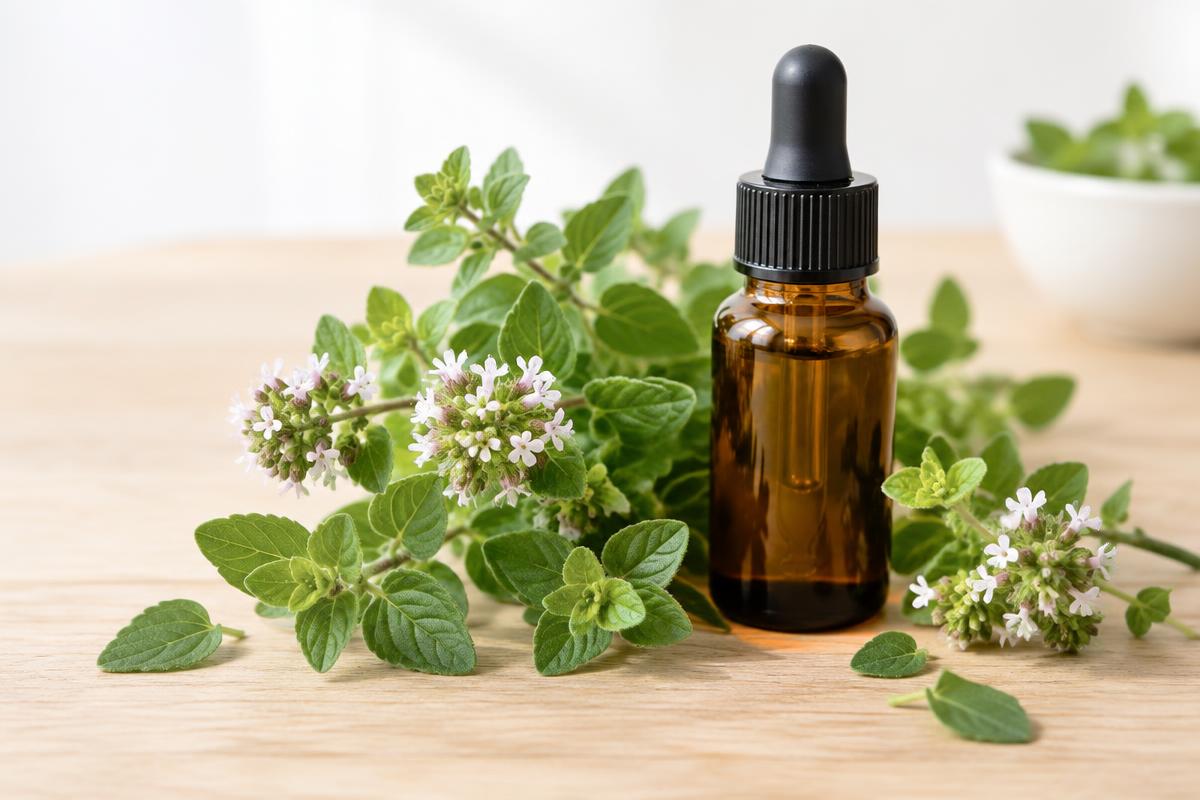
Oregano oil contains carvacrol, a compound with documented antifungal activity against various fungal species in lab studies, including some strains relevant to skin and nail infections.[1] Some people apply diluted oregano oil directly to the affected nail and surrounding skin daily, though there isn't a large clinical trial confirming this clears established toenail fungus in humans. Oregano oil should always be diluted in a carrier oil before skin contact — undiluted application can cause burns or irritation.
What about black seed oil?
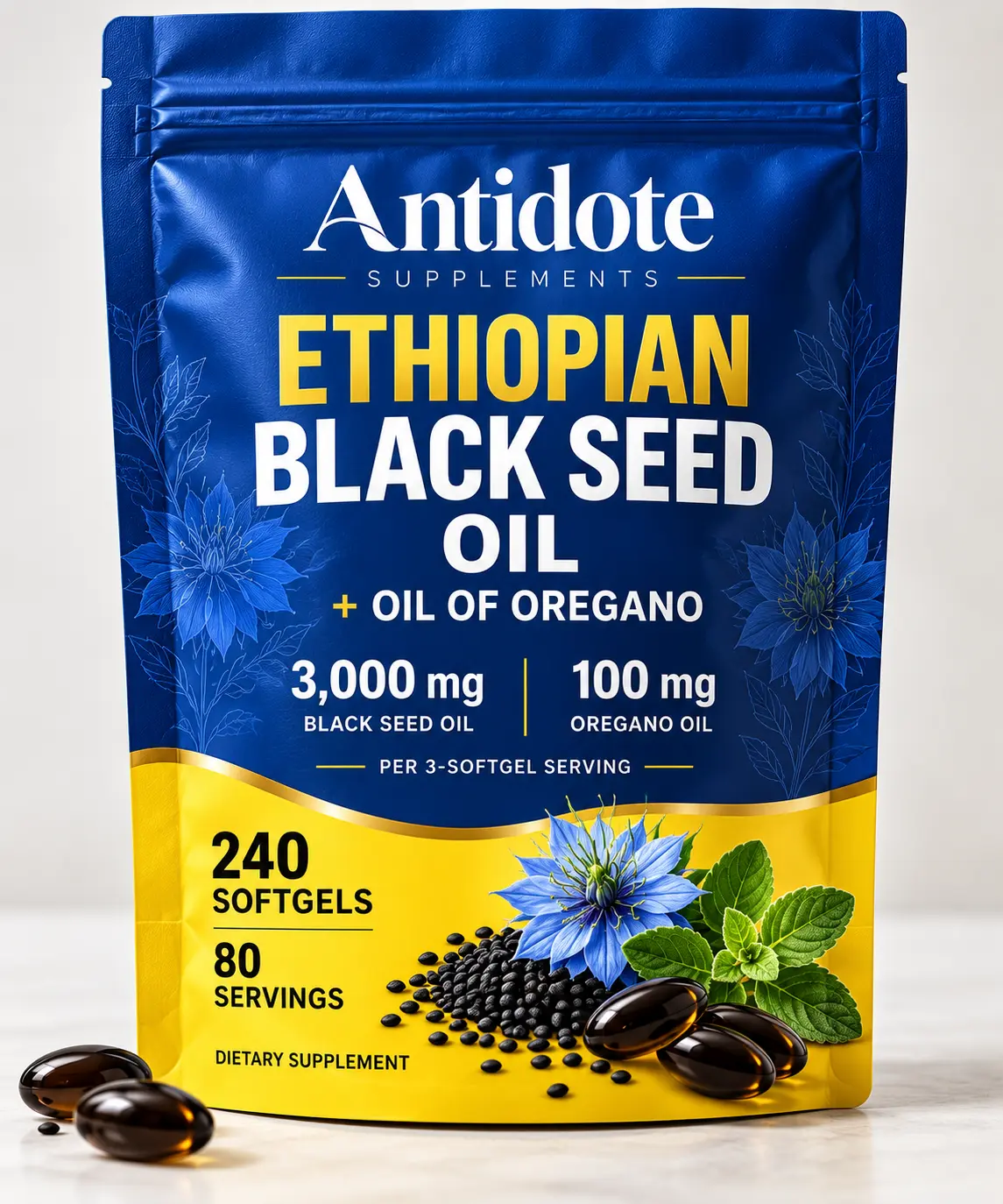
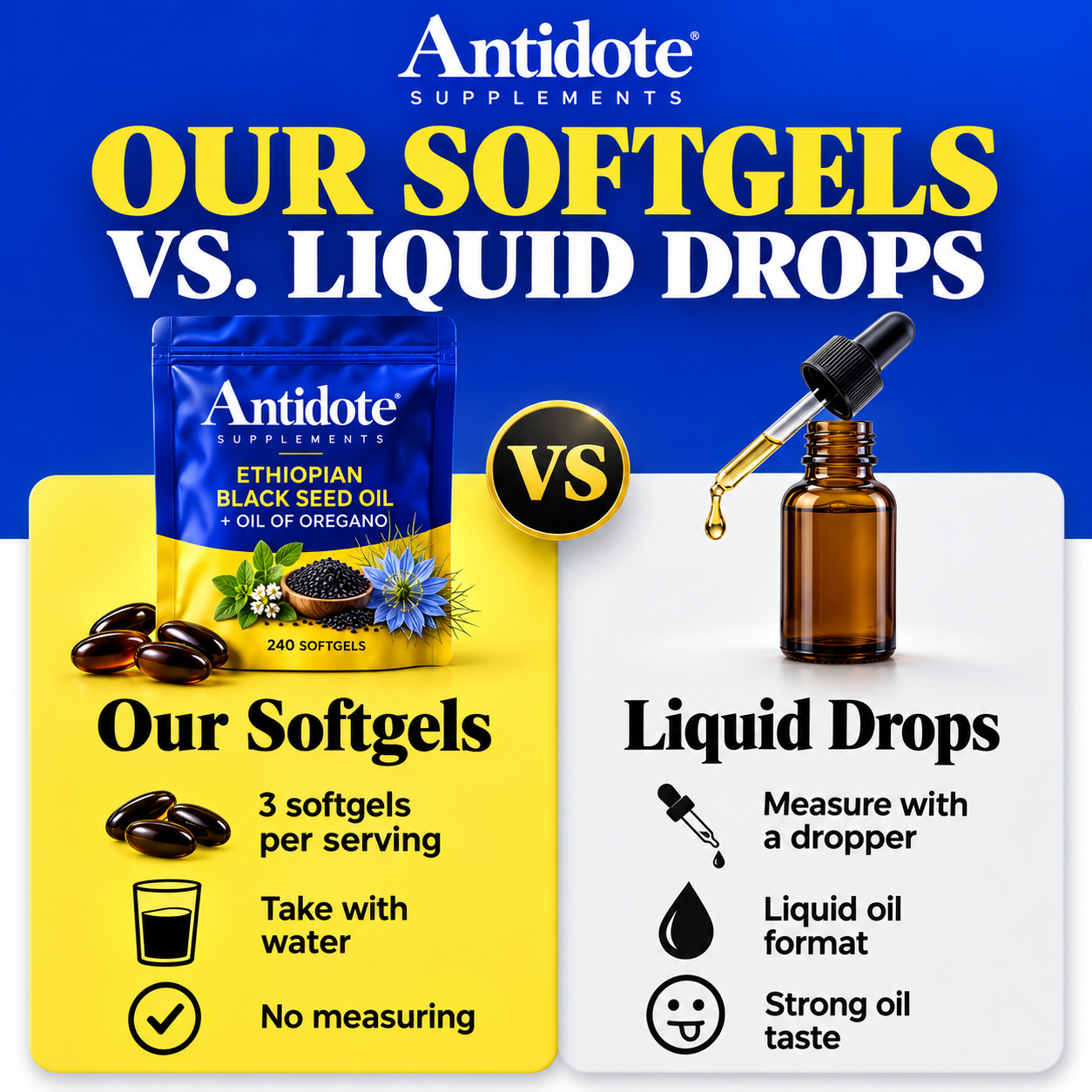
Black seed oil has also demonstrated antifungal activity in lab studies, including against some Candida species.[2] It's milder than oregano oil and may be used alongside it or as a gentler alternative. Our oregano-black-seed combination product pairs both oils for general antimicrobial support.
How people use these oils for toenail fungus
- Dilute oregano oil (a few drops) in a carrier oil like black seed oil or coconut oil.
- Clean and dry the affected foot thoroughly.
- Apply the diluted oil mixture to the nail and surrounding skin with a cotton swab, once or twice daily.
- Keep feet dry and change socks daily — fungus thrives in moisture.
- Be patient — nails grow slowly, so it can take many months to see a fully clear nail even with effective treatment.
When to see a doctor
If a nail infection is painful, spreading, or not improving after consistent home care, see a podiatrist or doctor. Prescription oral antifungals (like terbinafine) are the most effective treatment for established infections, though they require monitoring for liver effects.
When to see a doctor
Black seed oil and oregano oil are not a substitute for diagnosis or prescribed treatment. See a healthcare professional if symptoms are severe, getting worse or not improving.
Frequently asked questions
Can oregano oil cure toenail fungus completely?
There's no strong clinical trial proving it cures established infections; it shows antifungal activity in lab studies and some people use it as a supportive, gentle option.
How long does it take for toenail fungus to clear up?
Even with effective prescription treatment, it can take 6-12 months for a fully clear nail to grow in, since nails grow slowly.
Is oregano oil safe to put on skin near a nail infection?
Only when properly diluted in a carrier oil — undiluted oregano oil is strong enough to burn skin.
The bottom line
Oregano oil and black seed oil both show antifungal activity in lab research and may offer supportive, gentle care for toenail fungus, but prescription antifungal treatment remains the most reliable option for established infections.
Read this next
Skin
Black Seed Oil and Cold Sores: Can It Help Herpes Outbreaks?
Cold sores are caused by a virus that current research on black seed oil hasn't directly tested in humans — here's the honest picture.
Digestive Health
Black Seed Oil and Oregano Oil for Gut Health and IBD
The research on gut inflammation, gut microbes and these two oils.
Oregano Oil + Black Seed Oil
Oil of Oregano With Black Seed Oil: What Is It Good For?
Two of the most researched plant oils, combined. Here's what oil of oregano with black seed oil is good for — and why so many people take them together.
Oregano Oil + Black Seed Oil
Can You Take Black Seed Oil and Oregano Oil Together?
Yes — and many people do. Here's why black seed oil and oregano oil make such a popular pair.
Dosage & Timing
How to Take Black Seed Oil and Oregano Oil Together
A simple, step-by-step routine for taking black seed oil and oregano oil — including the best time of day.
Oregano Oil + Black Seed Oil
Does Oil of Oregano With Black Seed Oil Kill Parasites?
Oregano oil and black seed oil are the stars of many parasite cleanse routines. Here's what research shows.