United States
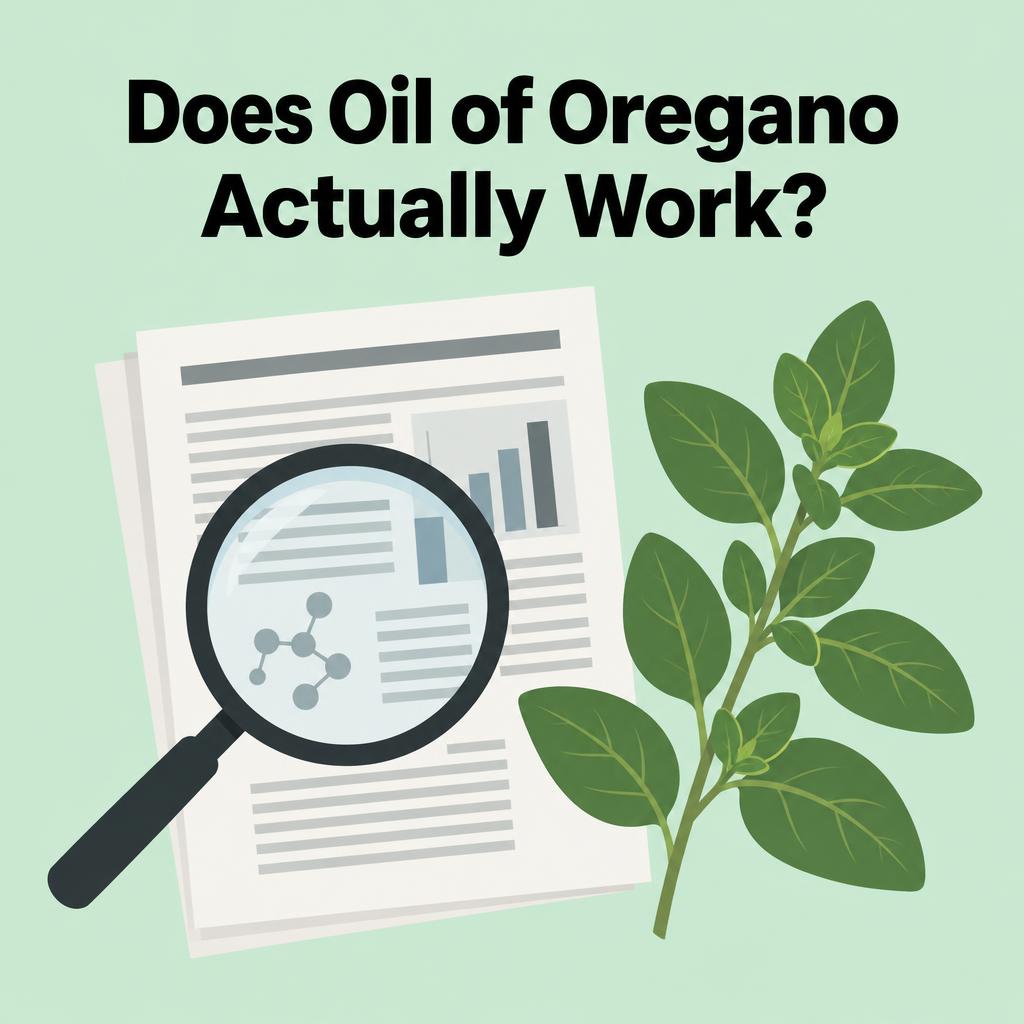
Does Oil of Oregano Actually Work? An Honest Look at the Evidence
Oil of oregano has real research behind it, but the strength of that research varies by claim. Here is an honest grade-by-grade look.
Key takeaways
- Oregano oil's main compound, carvacrol, is well studied in laboratory settings for antioxidant and antimicrobial activity.
- Human evidence is promising but still limited to small trials.
- The strongest support is for general immune and gut wellness, not for treating specific diseases.
- Quality matters: a product with stated carvacrol content and a meaningful dose is what the research is built on.
The honest one-line answer
Oil of oregano genuinely does things in the laboratory, and early human research is encouraging, but it is a wellness supplement, not a medicine. Whether it 'works' depends on what you expect it to do. For everyday immune and digestive support, the evidence and centuries of traditional use line up well. For treating specific illnesses, the evidence is not there and you need a doctor.
What is well established
The chemistry is solid. Carvacrol and thymol, oregano oil's main compounds, show consistent antioxidant and antimicrobial activity across hundreds of laboratory studies. This is not disputed fringe science: oregano oil is studied seriously as a food preservative and in animal nutrition precisely because these effects are reliable in controlled settings.
What is promising but early
Small human trials have explored oregano oil for gut complaints, including the frequently quoted 2000 study on intestinal parasites, and for cholesterol and weight markers. Results are encouraging but the trials are small and short, which means 'promising, needs bigger studies' rather than 'proven'. This is normal for natural products, which rarely attract the funding that large drug trials do.
What is not supported
Claims that oregano oil cures infections, treats cancer or replaces antibiotics go far beyond any evidence. If you see a product making these claims, treat it as a red flag about the brand, not a bonus feature of the oil. Honest supplements support wellness; they do not promise cures.
So is it worth taking?
For most healthy adults, yes, as daily wellness support it is a reasonable, well-tolerated choice with a genuine traditional and scientific foundation. The people who get the most from it are the ones who take a quality product consistently, alongside the unglamorous basics of sleep, food and movement. A combination softgel with black seed oil adds a second well-studied traditional oil to the same habit.
The bottom line
Oil of oregano works in the ways the evidence actually supports: antioxidant and antimicrobial activity in the lab, promising early human results, and a long tradition of immune and gut support. It does not treat disease. Taken daily as a quality supplement, it is a sensible addition to a healthy routine.
Medical reviewer
Dr Usha Venkataraman
MBBS, FRACGP
Read this next
Oregano Oil
Is Oil of Oregano Antiviral?
Lab studies show oregano oil and carvacrol can inactivate certain viruses in a dish. Here is what that does and does not mean for you.
Oregano Oil
What Is Oil of Oregano Good For?
Oil of oregano is best known for immune and gut support. Here is what it is actually good for, based on the research and traditional use.
Oregano Oil
Is Oil of Oregano Good for You?
Oil of oregano is one of the most popular herbal supplements in America. Here is what it can genuinely do for you, and how to use it well.
Oregano Oil
Does Oil of Oregano Kill Parasites? What the Research Says
Oil of oregano has a long folk reputation against parasites, and one small human trial exists. Here is what the evidence actually shows.
Oregano Oil
Can Dogs Have Oil of Oregano?
Oil of oregano is popular in human wellness, but dogs are not small humans. Here is what to know before sharing it with your pet.

Oregano Oil
Does Oil of Oregano Help with Colds?
Oil of oregano is a popular cold-season remedy. Here is what the research can and cannot tell us about it.