United Kingdom
Does Oregano Oil Kill Good Gut Bacteria?
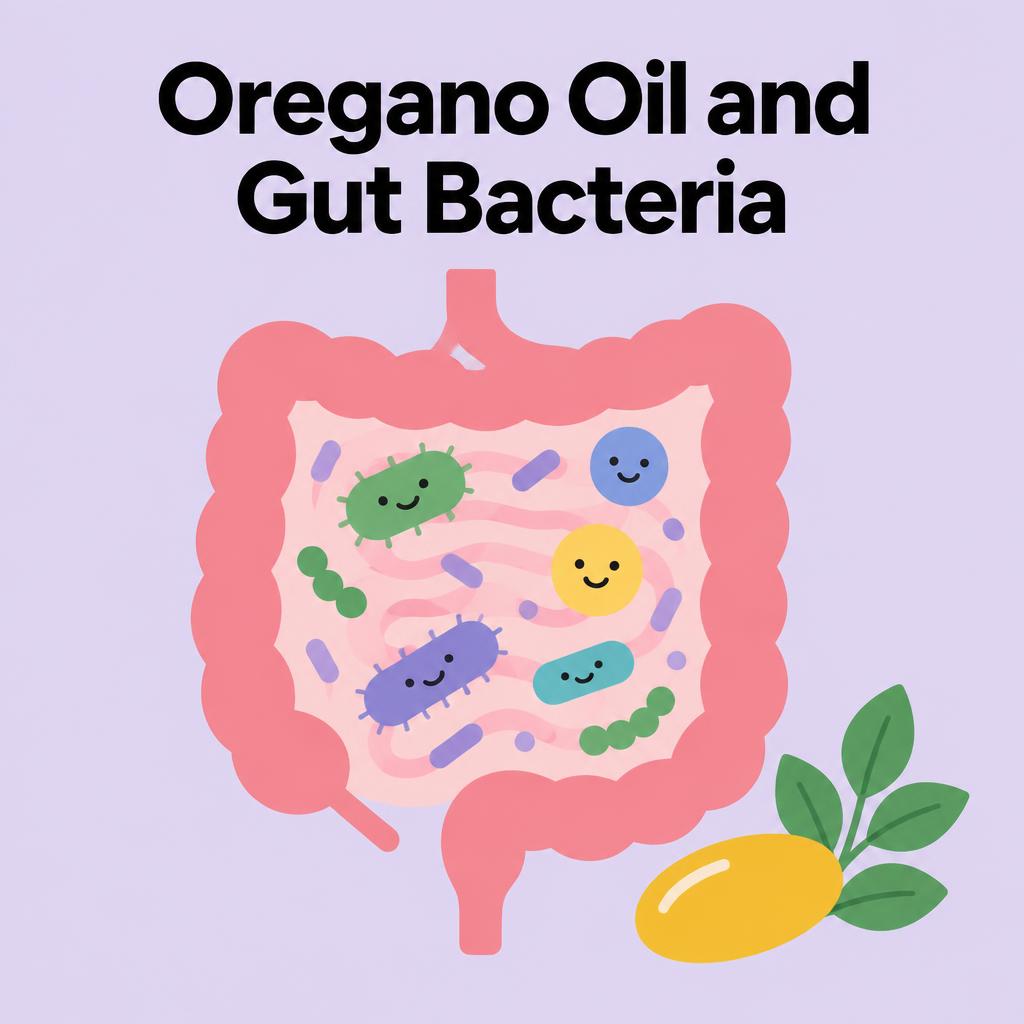
Oregano oil is antimicrobial, so does it wipe out friendly gut bacteria too? Here is what the research says about selectivity and sensible use.
Key takeaways
- Oregano oil is antimicrobial in the lab, against harmful and friendly bacteria alike.
- Animal and early human evidence suggests it may act somewhat selectively in the gut.
- Short, measured courses are the traditional and sensible pattern.
- Pairing with fermented foods or a probiotic is a reasonable precaution.
The fair worry
If oregano oil kills bacteria, and your gut depends on bacteria, the question asks itself. It is the same concern people have about antibiotics, and it deserves a straight answer rather than a dismissal.
What laboratory studies show
In test tubes, oregano oil is not picky: carvacrol disrupts the membranes of many bacteria, including beneficial species like Lactobacillus at high enough concentrations. If you poured concentrated oil directly onto a gut microbiome in a dish, you would expect collateral damage.
But your gut is not a petri dish. The oil is diluted, mixed with food, partly absorbed in the small intestine and present at far lower concentrations than lab experiments use.
What animal and human evidence suggests
Animal studies feeding oregano oil or carvacrol often find shifts in gut bacteria that look more like rebalancing than wipeout: reductions in problematic species alongside stable or even improved populations of beneficial ones. Researchers think some beneficial bacteria tolerate carvacrol better, and that the oil may hit harder where microbial balance is already off.
Human data is limited but reassuring in direction. The small trial of emulsified oregano oil in adults with gut complaints found symptom improvement without signs of harm to the overall gut picture.
How this compares to antibiotics
Antibiotics are designed to reach the whole body at reliable, bacteria-killing concentrations, and they do disrupt the microbiome measurably. Oregano oil at supplement doses is a far gentler, more localised exposure. Nobody should treat them as equivalent, in either direction.
Sensible precautions
Keep courses moderate rather than open-ended, take the oil with food, and consider fermented foods or a probiotic alongside it if you use it regularly. If you are taking oregano oil because of ongoing gut symptoms, involve your GP, since symptoms that need months of self-treatment deserve a diagnosis.
The bottom line
Oregano oil is antimicrobial in the lab, but at real-world supplement doses the evidence points towards rebalancing rather than wiping out good gut bacteria. Keep courses sensible, take it with food and add fermented foods if you use it often.
Medical reviewer
Dr Nidham Oda
MBChB, FRACGP
Read this next
Oregano Oil
Does Oregano Oil Kill Parasites? What the Evidence Says
Oregano oil is often claimed to kill parasites. Here is what the research actually shows, and what to do if you suspect one.
Dosage & Timing
Can You Take Oregano Oil Capsules Every Day?
Daily oregano oil is fine for some products and not others. Here is how strength, formulation and your own health decide the answer.

Safety
How Much Oregano Oil Is Too Much?
Oregano oil is concentrated, so more is not better. Here is how to think about upper amounts, the signs you have overdone it and how to stay in the safe zone.
Oregano Oil
Oregano Oil: Benefits, Uses and Side Effects (Complete Guide)
The complete UK guide to oregano oil: what it is, what the research shows, how to take it and who should check first.
Oregano Oil
Oil of Oregano: What It Is and How to Use It
Oil of oregano is the concentrated supplement form of the oregano herb. Here is what it is and how to use it properly.
Oregano Oil
Oregano Oil Benefits: What It Can and Can't Do
Oregano oil has real strengths and real limits. Here is an honest look at what it can and can't do.