United Kingdom
Does Oregano Oil Kill Parasites? What the Evidence Says
Oregano oil is often claimed to kill parasites. Here is what the research actually shows, and what to do if you suspect one.
Key takeaways
- Laboratory studies show oregano oil's carvacrol is active against various microbes and some parasites.
- Human evidence for treating parasites is very limited; one small study is often cited.
- If you suspect a parasite, see your GP for testing and proven treatment.
Oregano oil is one of the most common natural remedies mentioned for parasites. But does it actually kill them? Here is what the evidence says, honestly.
What laboratory research shows
In laboratory settings, oregano oil and its main compound carvacrol have shown activity against a range of microbes, including some parasites.[1][2] This is real, published science, and it is why the interest exists.
What human research shows
Very little. One small, older study is frequently cited in which adults with a gut parasite took oregano oil and some improved. But it was tiny, without a proper control group, and has not been backed up by larger trials. That is not enough to call oregano oil a proven parasite treatment.
The important distinction
Laboratory activity does not equal a working treatment in people. Many compounds kill microbes in a dish at concentrations the human body could never safely reach. The honest position is: promising early evidence, unproven in humans.[1]
What to do if you suspect a parasite
See your GP. Parasite infections are diagnosed with proper tests and treated with proven medicines, usually quickly and effectively. Self-treating with supplements instead of getting tested risks letting a real infection go untreated.[3]
Where oregano oil does fit
As a general supplement, oregano oil has a sensible place: its antimicrobial and antioxidant compounds are well studied, and many people take it for seasonal and digestive support.[2] Just do not rely on it as a parasite cure.
Antidote Supplements
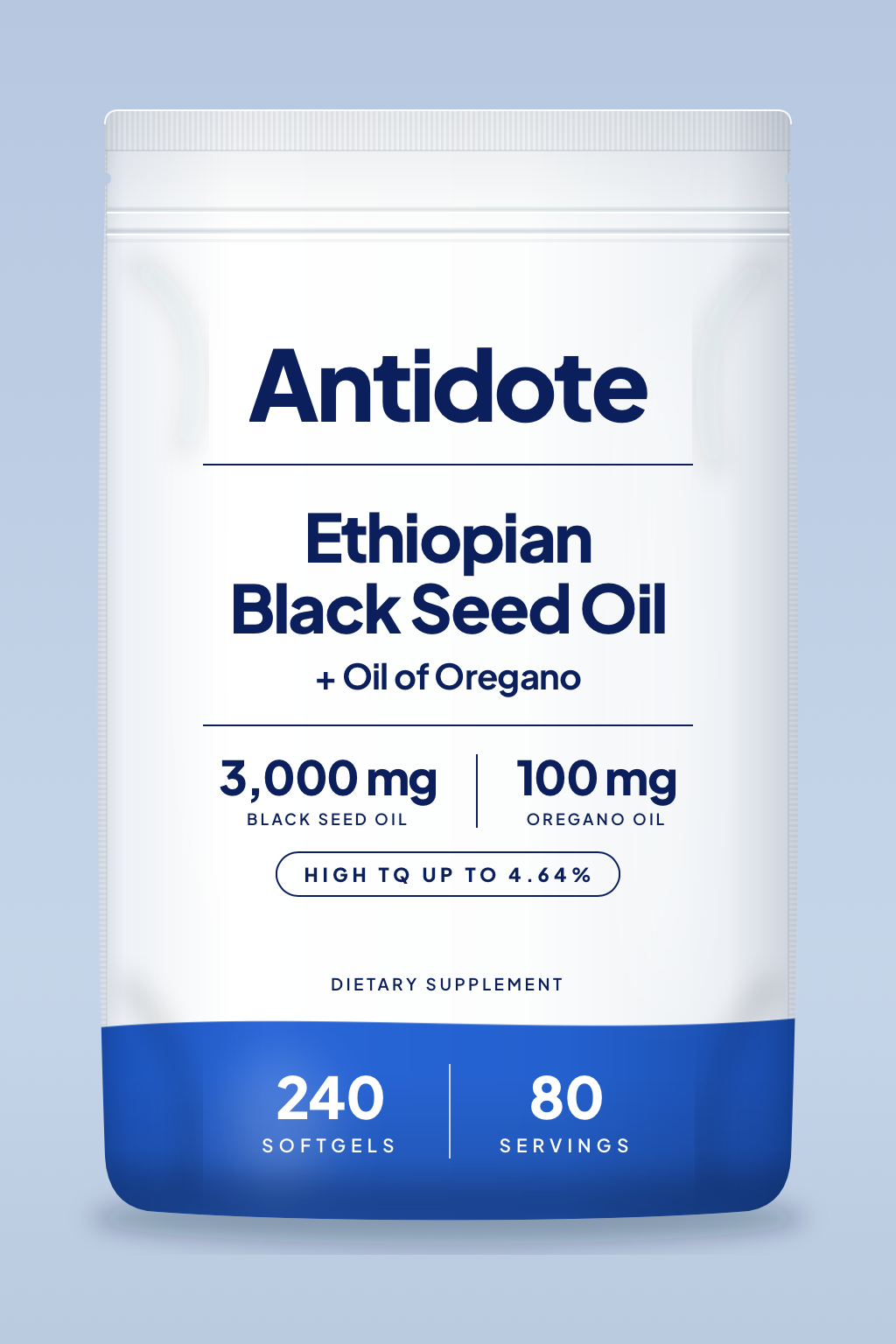
The Antidote Supplements combination softgels contain 3,000 mg black seed oil and 100 mg oregano oil extract per three-softgel serving, with up to 4.64% naturally occurring thymoquinone and 80 servings in each 240-softgel pouch.
The bottom line
Oregano oil shows anti-parasite activity in the lab, but human evidence is too thin to call it a treatment. Suspect a parasite? Get tested and treated properly by your GP.
Medical reviewer
Dr Hemal Patel
General Practitioner
Read this next
Parasite Cleanse
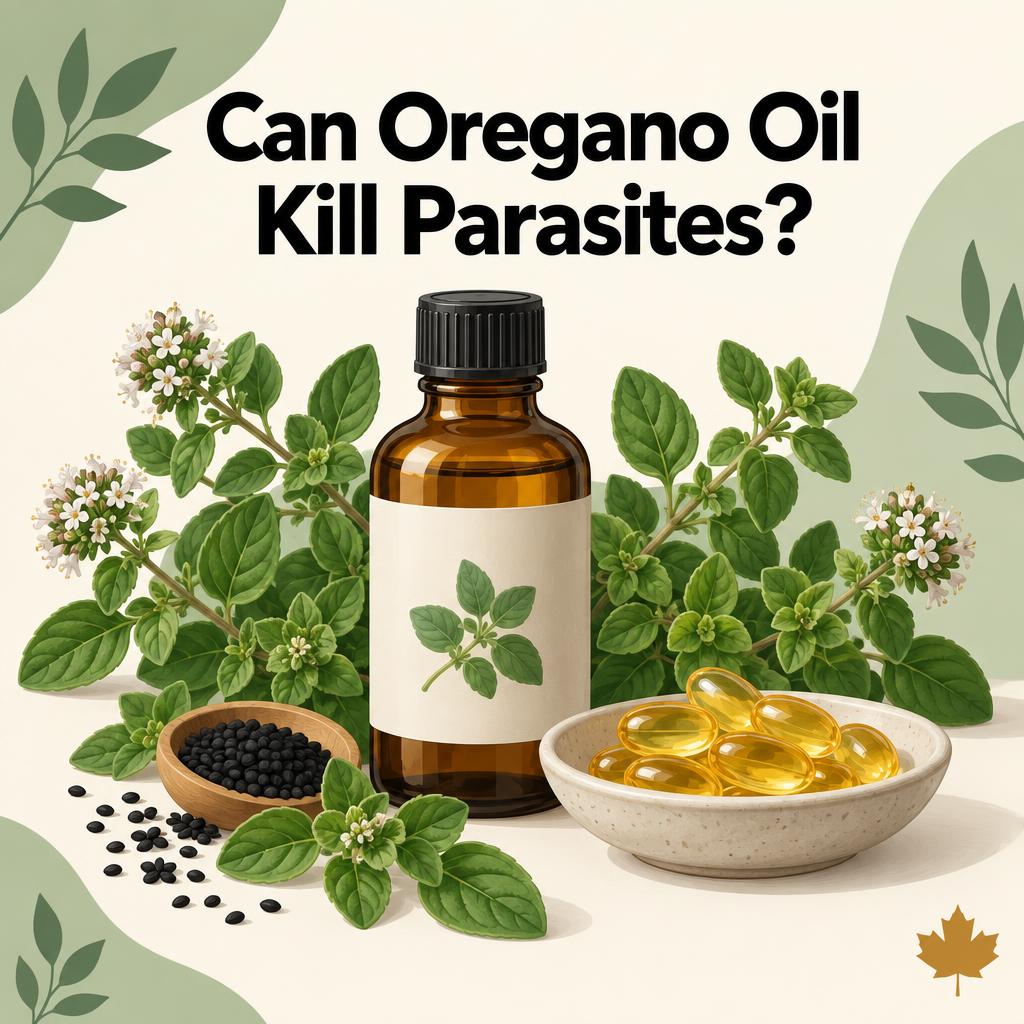
Can Oregano Oil Kill Parasites? How Canadians Use Oil of Oregano in a Parasite Cleanse
Oil of oregano is a Canadian health food store staple. Here is what the research says about oregano oil and parasites, and how to use it in a cleanse.
Parasite Cleanse
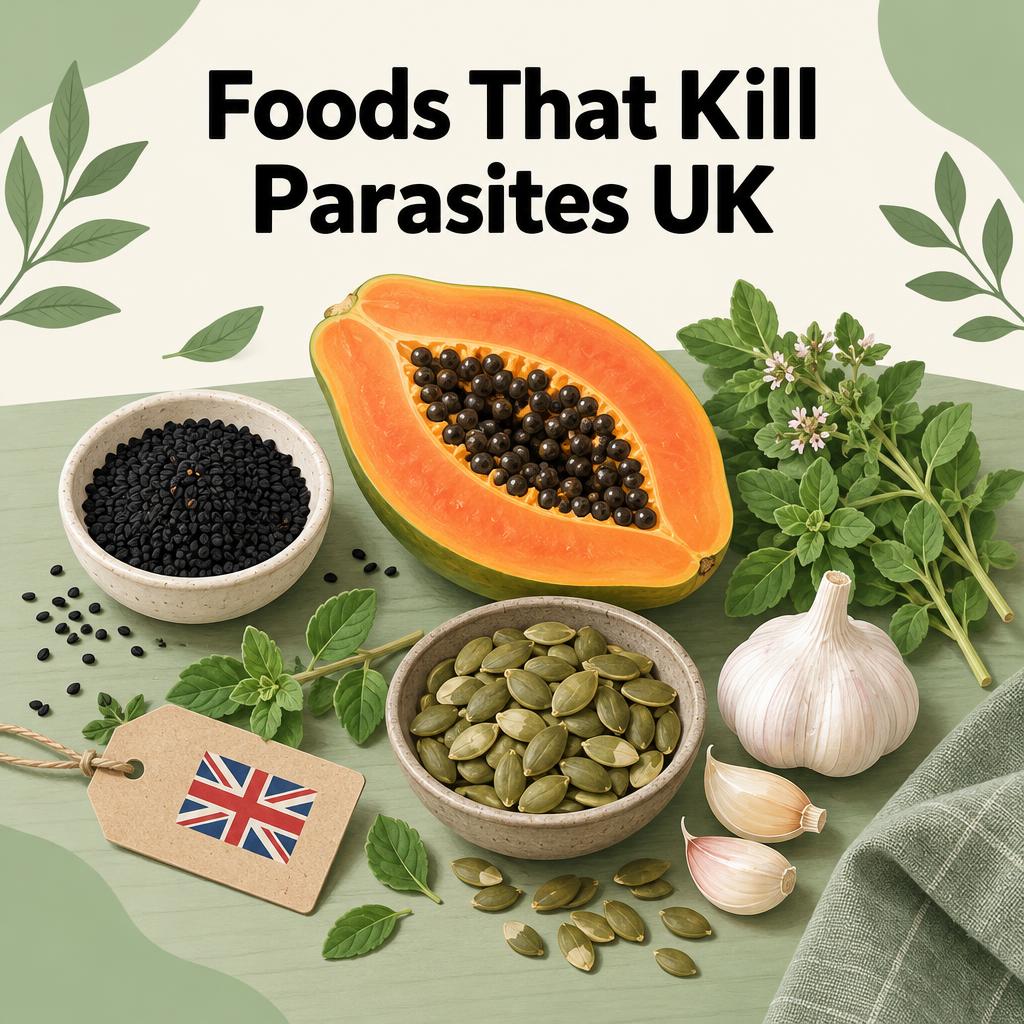
Foods That Kill Parasites in Humans: What the Research Shows (UK Guide)
Black seed, papaya seeds, oregano, pumpkin seeds and garlic: the foods with real research against parasites, and where to find each one on a British high street.
Oregano Oil
Oregano Oil: Benefits, Uses and Side Effects (Complete Guide)
The complete UK guide to oregano oil: what it is, what the research shows, how to take it and who should check first.
Parasite Cleanse
Parasite Cleanse UK: A Buyer's Guide to What Actually Has Research
UK searches for parasite cleanses are rising fast. Here is a plain-English buyer's guide to the ingredients with research behind them and how to read a UK label.
Oregano Oil
Does Oregano Oil Kill Good Gut Bacteria?
Oregano oil is antimicrobial, so does it wipe out friendly gut bacteria too? Here is what the research says about selectivity and sensible use.
Oregano Oil
Oil of Oregano: What It Is and How to Use It
Oil of oregano is the concentrated supplement form of the oregano herb. Here is what it is and how to use it properly.
Sources
- Suntres ZE, Coccimiglio J, Alipour M. The bioactivity and toxicological actions of carvacrol. Critical Reviews in Food Science and Nutrition. 2015;55(3):304-318.
- Leyva-Lopez N, et al. Essential oils of oregano: Biological activity beyond their antimicrobial properties. Molecules. 2017;22(6):989.
- NHS. Vitamins, supplements and nutrition: herbal remedies and supplements.