United Kingdom
Foods That Kill Parasites in Humans: What the Research Shows (UK Guide)
Black seed, papaya seeds, oregano, pumpkin seeds and garlic: the foods with real research against parasites, and where to find each one on a British high street.
Key takeaways
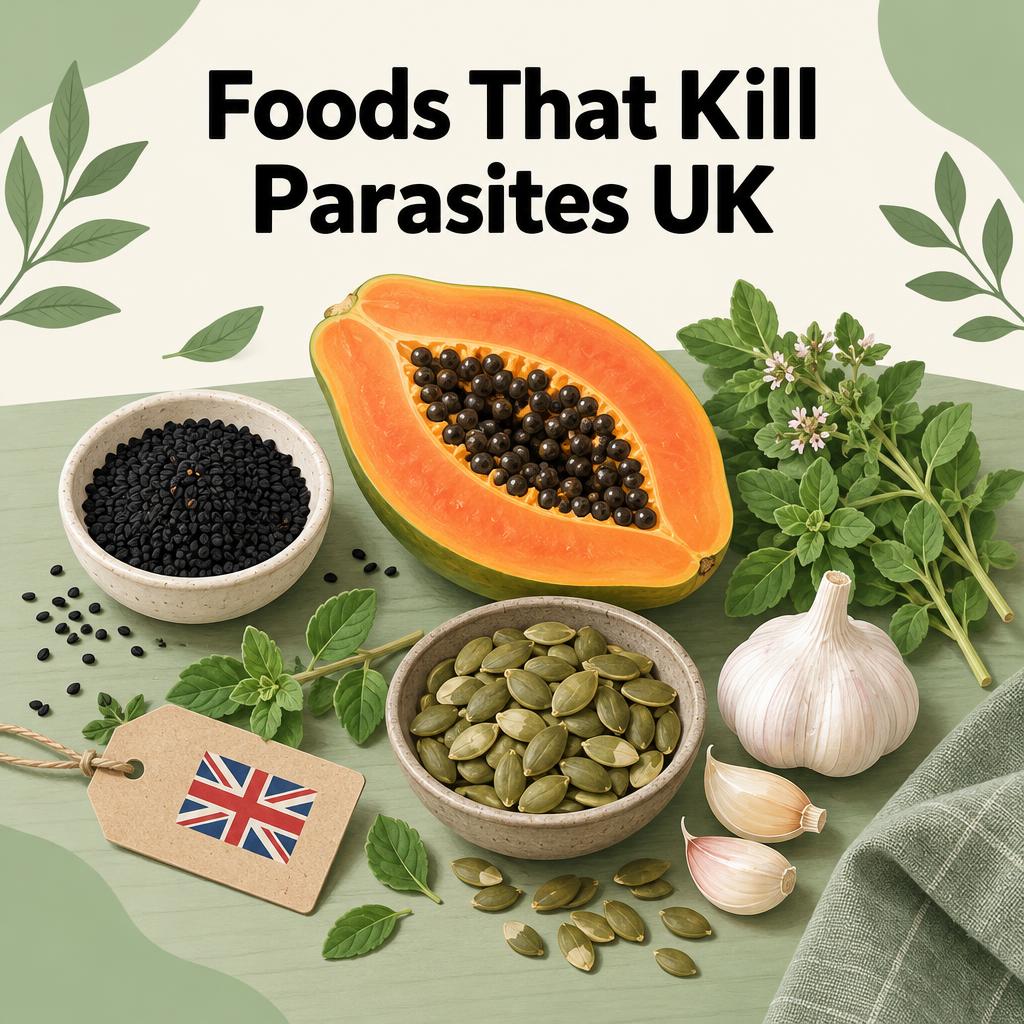
- Black seed, sold in UK shops as kalonji or nigella seed, has the most human research of any anti-parasite food.
- Papaya seeds cleared intestinal parasites in 76.7% of children in a placebo-controlled pilot study.
- Oil of oregano cleared Blastocystis in 8 of 11 adults in a six-week human study.
- Pumpkin seeds and garlic are cheap, easy additions with supportive traditional and lab evidence.
- Every food on this list is easy to buy in the UK, from supermarkets to Asian grocers.
Foods that kill parasites in humans is searched around 3,600 times a month in the UK. Most of the lists you will find repeat the same claims without sources. This guide ranks the most popular anti-parasite foods by the research behind them, and tells you where to pick each one up in Britain.
The UK shortlist at a glance
| Food | Strength of research | Where to find it in the UK |
|---|---|---|
| Black seed (kalonji, nigella seed) | Strongest: several human trials | Supermarket world food aisles, Asian grocers, health shops |
| Papaya seeds | Promising: placebo-controlled pilot | Inside fresh papayas from most supermarkets |
| Oil of oregano | Promising: human study on gut parasites | Health shops and online, as softgels or drops |
| Pumpkin seeds | Early: traditional use and case reports | Every supermarket baking or snack aisle |
| Garlic | Early: lab studies and a small study in children | Everywhere |
Black seed: Britain's most underrated spice
If you have eaten a naan in a British curry house, you have probably eaten black seed. Sold here as kalonji or nigella seed, it comes from Nigella sativa, and it is the food with the deepest human research on gut microbes and parasites.
- A field trial in children found black seed reduced tapeworm egg counts comparably to the standard drug niclosamide.[1]
- A randomised, double-blind trial in children with amoeba reported a 78.8% cure rate with black seed powder, close to metronidazole's 91.2%.
- In adults, 2 g a day of ground black seed cleared H. pylori in 66.7% of people, statistically similar to triple therapy.[2] A 2023 double-blind trial found it improved results when added to standard treatment.[3]
Its key compound is thymoquinone. Cold-pressed black seed oil concentrates it, and Ethiopian oils are prized for naturally high levels. Read more in our guide on black seed oil and parasites.
Papaya seeds: the surprise in the fruit bowl
Most people throw them away, but papaya seeds are edible and peppery. In a pilot study, children with intestinal parasites took one dose of dried papaya seed with honey or honey alone. After a week, 76.7% of the papaya group had clear stool samples, against 16.7% on honey.[4] Dry the seeds, grind them and stir a teaspoon into honey or yoghurt.
Oil of oregano: the herb oil with human data
Oregano oil is rich in carvacrol, a powerful plant antimicrobial. In a human study, adults with gut parasites took emulsified oregano oil for six weeks. Blastocystis cleared in 8 of 11 people and gut symptoms improved in most.[5] Choose a product made for swallowing, ideally a softgel. See our guide to oregano oil and parasites in the UK.
Pumpkin seeds and garlic: everyday support
Raw pumpkin seeds contain cucurbitine, traditionally used to help expel tapeworms, and a published case from China describes 20 tapeworms expelled with pumpkin seeds and areca nut.[6] Garlic's allicin is active against Giardia in the lab, and a small study in children reported improvement in giardiasis with garlic extract.[7] Both are cheap, easy additions to a gut-friendly diet.
Building a UK gut routine
- Sprinkle kalonji seeds on salads, eggs and flatbreads, or take cold-pressed black seed oil daily.
- Add a short course of oregano oil softgels.
- Keep pumpkin seeds as a snack and cook generously with garlic.
- Try ground papaya seeds when papayas are in your basket.
- For threadworm, the most common worm in the UK, use the NHS pharmacy route and hygiene steps alongside.[8]
Two oils, one softgel
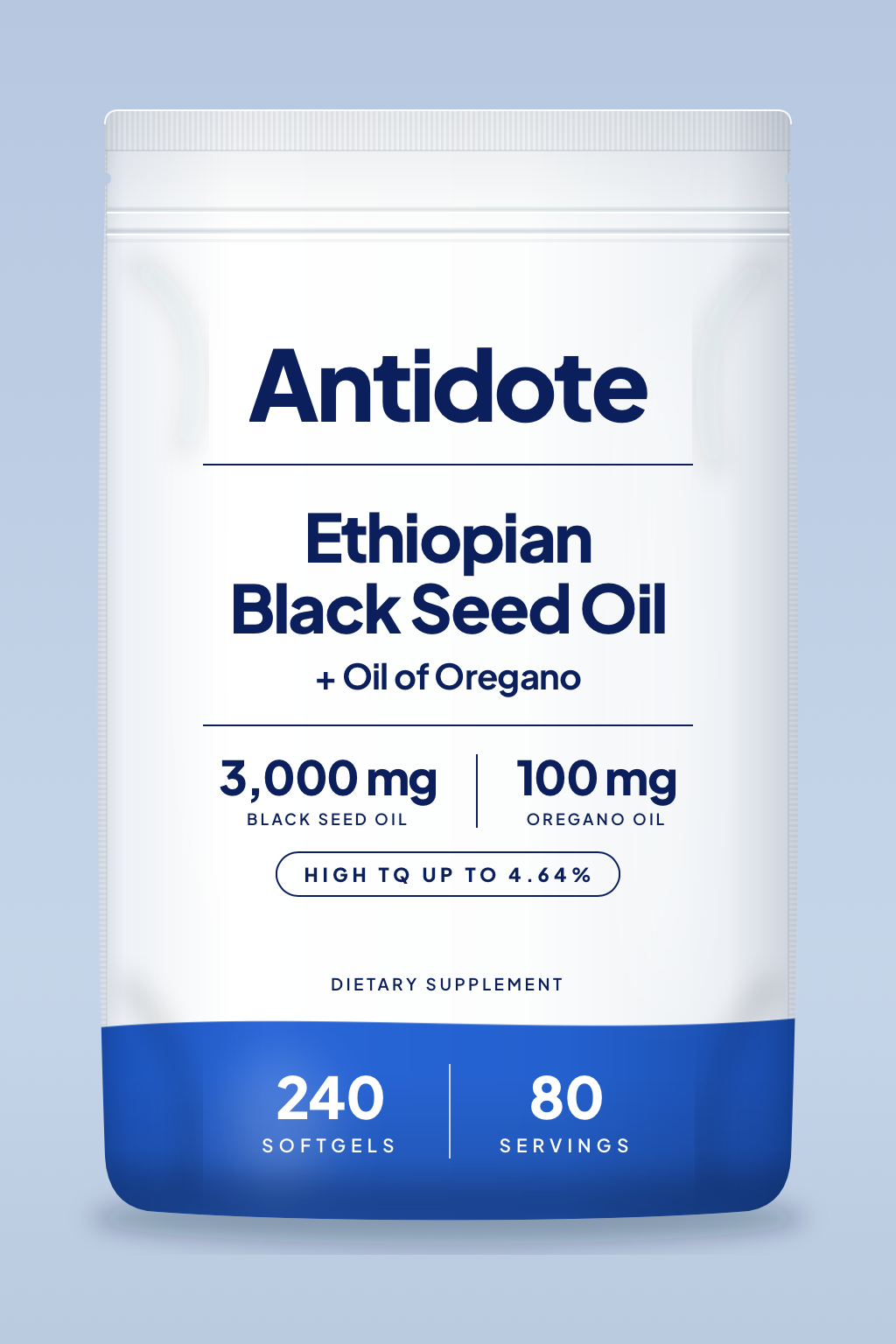
Black seed oil and oregano oil are the two best-researched entries here. A combination softgel gives you both in one measured serving without the strong taste.
Frequently asked questions
Is kalonji the same as black seed?
Yes. Kalonji, nigella seed, black cumin and black seed all refer to Nigella sativa, the plant behind black seed oil.
What foods kill parasites naturally in the UK diet?
Black seed (kalonji), papaya seeds, oregano, pumpkin seeds and garlic have the most research and are all easy to buy in the UK.
Can I just eat the seeds instead of taking the oil?
Yes. Most black seed trials used ground seed. Cold-pressed oil is a more concentrated, convenient way to get thymoquinone every day.
What does the NHS recommend for worms?
For threadworm, the NHS recommends mebendazole from a pharmacy for the whole household plus six weeks of careful hygiene.
The bottom line
The foods with the best research against parasites are all easy to find in the UK. Black seed (kalonji) leads with several human trials, followed by papaya seeds and oil of oregano, with pumpkin seeds and garlic as everyday support. Make black seed your daily staple and add oregano oil in courses.
Read this next
Parasite Cleanse
Parasite Cleanse How-To (UK): Dosage, Timing and Diet
How much, when and for how long? A plain-English UK guide to parasite cleanse dosage, timing and diet, based on the doses used in real studies.
Black Seed Oil
Does Black Seed Oil Kill Parasites? What the Research Says
Black seed oil has a folk reputation against parasites, and some early research exists. Here is what studies actually show and where the limits are.
Oregano Oil
Does Oregano Oil Kill Parasites? What the Evidence Says
Oregano oil is often claimed to kill parasites. Here is what the research actually shows, and what to do if you suspect one.
Parasite Cleanse
Parasite Cleanse UK: A Buyer's Guide to What Actually Has Research
UK searches for parasite cleanses are rising fast. Here is a plain-English buyer's guide to the ingredients with research behind them and how to read a UK label.
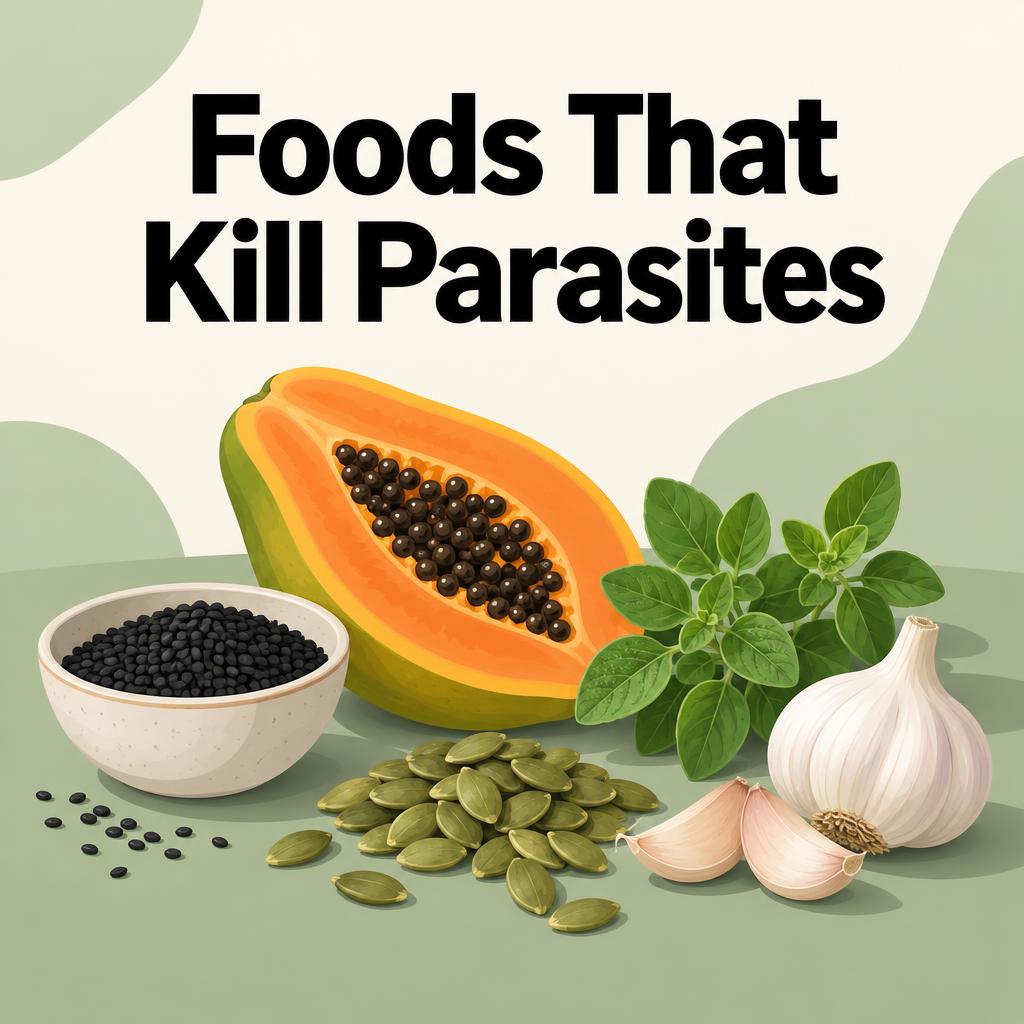
Parasite Cleanse
Foods That Kill Parasites in Humans: What the Research Shows (US Guide)
Americans search for foods that kill parasites more than 22,000 times a month. Here are the six with real studies behind them, ranked by how strong that research is.
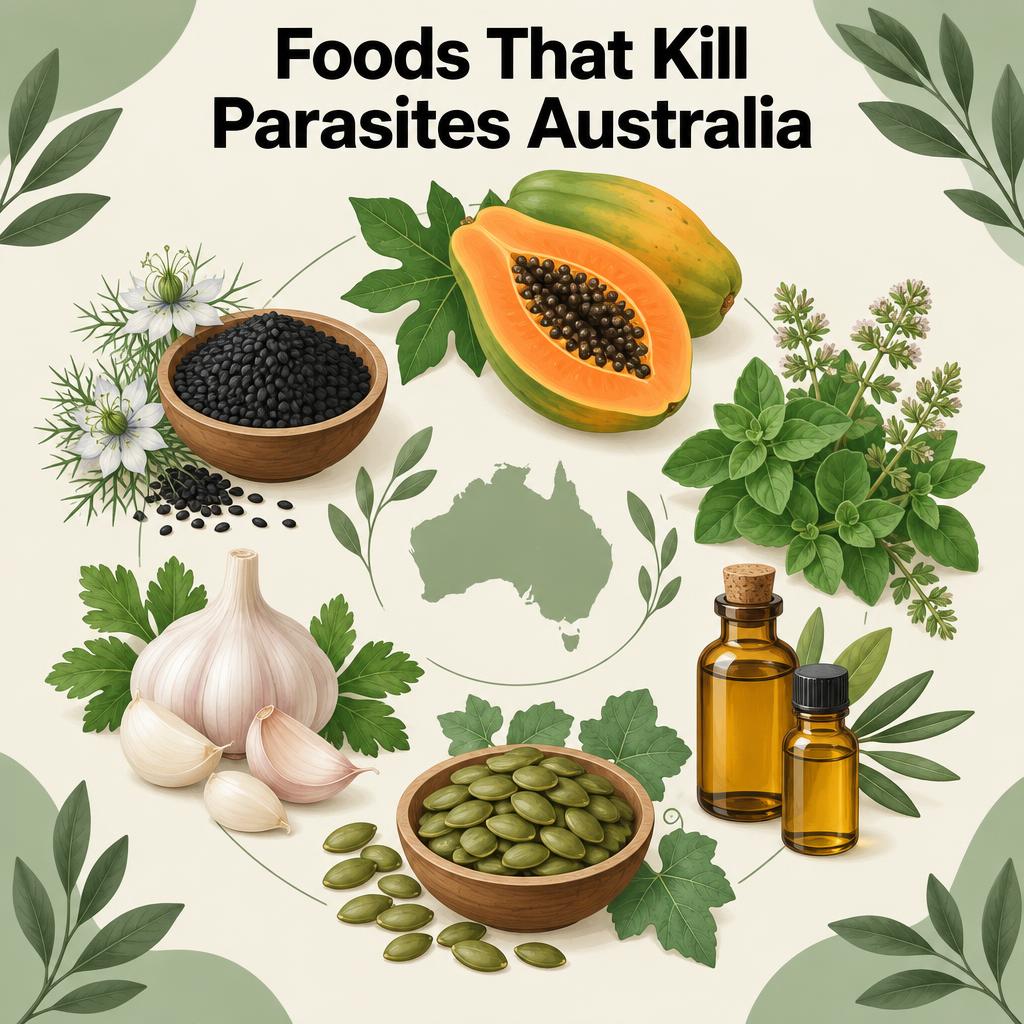
Parasite Cleanse
Foods That Kill Parasites in Humans: What the Research Shows (Australian Guide)
Black seed, pawpaw seeds, oregano, pumpkin seeds and garlic: the foods with real research against parasites, and where Australians can find each one.
Sources
- Akhtar MS, Riffat S. Field trial of Saussurea lappa roots against nematodes and Nigella sativa seeds against cestodes in children. Journal of the Pakistan Medical Association. 1991;41(8):185-187.
- Salem EM, Yar T, Bamosa AO, et al. Comparative study of Nigella sativa and triple therapy in eradication of Helicobacter pylori in patients with non-ulcer dyspepsia. Saudi Journal of Gastroenterology. 2010;16(3):207-214.
- Randomised, double-blind, placebo-controlled trial of Nigella sativa as an adjunct to quadruple therapy for Helicobacter pylori. BMC Complementary Medicine and Therapies. 2023.
- Okeniyi JAO, Ogunlesi TA, Oyelami OA, Adeyemi LA. Effectiveness of dried Carica papaya seeds against human intestinal parasitosis: a pilot study. Journal of Medicinal Food. 2007;10(1):194-196.
- Force M, Sparks WS, Ronzio RA. Inhibition of enteric parasites by emulsified oil of oregano in vivo. Phytotherapy Research. 2000;14(3):213-214.
- Ito A, Li T, Chen X, et al. Mini review on chemotherapy of taeniasis and cysticercosis due to Taenia solium in Asia, and a case report with 20 tapeworms in China. Tropical Biomedicine. 2013;30(2):164-173.
- Soffar SA, Mokhtar GM. Evaluation of the antiparasitic effect of aqueous garlic (Allium sativum) extract in hymenolepiasis nana and giardiasis. Journal of the Egyptian Society of Parasitology. 1991;21(2):497-502.
- NHS. Threadworms.