United Kingdom
Does Black Seed Oil Kill Parasites? What the Research Says
Black seed oil has a folk reputation against parasites, and some early research exists. Here is what studies actually show and where the limits are.
Key takeaways
- Laboratory and animal studies show antiparasitic activity for black seed and thymoquinone.
- A small human trial in children with giardiasis reported promising results.
- Evidence is not strong enough to replace prescribed antiparasitic treatment.
- Suspected parasites always need a proper medical diagnosis.
Where the claim comes from
Black seed has been used against worms and other parasites in traditional medicine for well over a thousand years, and that reputation prompted modern researchers to test it. The results so far are interesting, but they sit firmly in the early-evidence category.
What laboratory studies show
In test-tube and animal studies, black seed extracts and thymoquinone have shown activity against a range of parasites, including Schistosoma mansoni, certain tapeworms and protozoa such as Giardia and Leishmania. Effects seen include damage to parasite membranes and reduced egg production in infected animals.
Laboratory activity does not automatically translate to people. Doses, absorption and the environment inside a human body are very different from a petri dish.
The human evidence
Human data is thin but not absent. A small trial in children with giardiasis, a common intestinal parasite, found that black seed extract reduced parasite counts over several days. Case series and small studies in other regions have reported similar signals.
These studies are small, short and not replicated at scale. They justify more research, not confident claims.
What this means in practice
If you suspect a parasite, the correct first step is a stool test through your GP, not self-treatment. Established antiparasitic medicines are effective, fast and well studied, and delaying them can let an infection cause real harm.
Where black seed oil may reasonably fit is as a general gut-health supplement with promising early antiparasitic research behind it, taken for its broader benefits rather than as a treatment.
A note on oregano oil
Oregano oil has its own antiparasitic research, including a small human study in people with gut complaints that found improvements after oregano oil supplementation. This is one reason the two oils are often paired in a single supplement.
The bottom line
Black seed oil shows genuine antiparasitic activity in laboratory and animal research, with encouraging small human studies. It is not a proven treatment, though. Suspected parasites need a medical diagnosis and prescribed treatment, with black seed oil at most a supportive supplement.
Medical reviewer
Dr Monzer Adba
MBBS, FRACGP
Read this next
Parasite Cleanse
Foods That Kill Parasites in Humans: What the Research Shows (UK Guide)
Black seed, papaya seeds, oregano, pumpkin seeds and garlic: the foods with real research against parasites, and where to find each one on a British high street.
Oregano Oil
Does Oregano Oil Kill Parasites? What the Evidence Says
Oregano oil is often claimed to kill parasites. Here is what the research actually shows, and what to do if you suspect one.
Nigella sativa
Black Cumin Seed Oil Benefits: What Studies Show
What human studies and research reviews actually show about black cumin seed oil, explained in plain English.
Parasite Cleanse
Parasite Cleanse UK: A Buyer's Guide to What Actually Has Research
UK searches for parasite cleanses are rising fast. Here is a plain-English buyer's guide to the ingredients with research behind them and how to read a UK label.
Parasite Cleanse
Foods That Kill Parasites in Humans: What the Research Shows (US Guide)
Americans search for foods that kill parasites more than 22,000 times a month. Here are the six with real studies behind them, ranked by how strong that research is.
Black Seed Oil
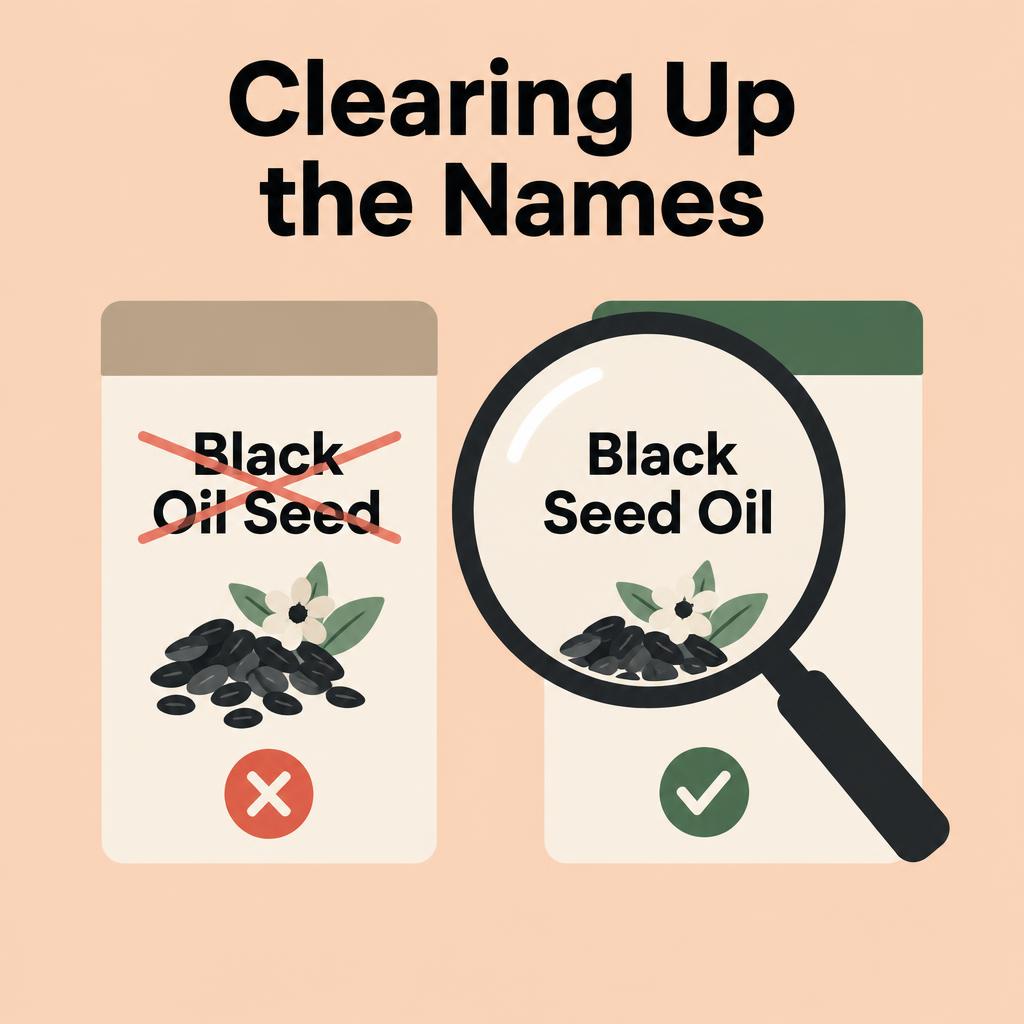
Black Oil Seed Oil or Black Seed Oil? Clearing Up the Names
Black oil seed oil, black seed oil, black cumin: the names get tangled. Here is what each one actually means.
