Australia
What Is Oregano Oil Good For?
Oregano oil is rich in carvacrol and thymol. Here are the uses it is best known for, and what research says.
Key takeaways
- Oregano oil is best known for its antimicrobial and antioxidant compounds.
- People take it for digestive comfort and seasonal wellness.
- It is a supplement, not a medicine, and dose matters.
Oregano oil has been used since ancient Greece. Here is what it is good for, based on what we know today.
Its active compounds
Carvacrol and thymol are the main compounds in oregano oil. Reviews describe broad antimicrobial, antioxidant and anti-inflammatory activity.[1][2]
Common uses
- Daily wellness routines, usually as softgels.
- Digestive comfort after meals.
- Seasonal support during the cooler months.
- Antioxidant intake as part of a balanced diet.
What the evidence is made of
Much of the research is laboratory and animal work, with human studies growing. That makes oregano oil promising, and it also means claims should stay modest.[1]
Using it safely
Take oregano oil in softgels or properly diluted, with food. Undiluted oil can irritate the mouth and throat.[2] Ask a pharmacist first if you take medicines or are pregnant.[3]
Antidote Supplements
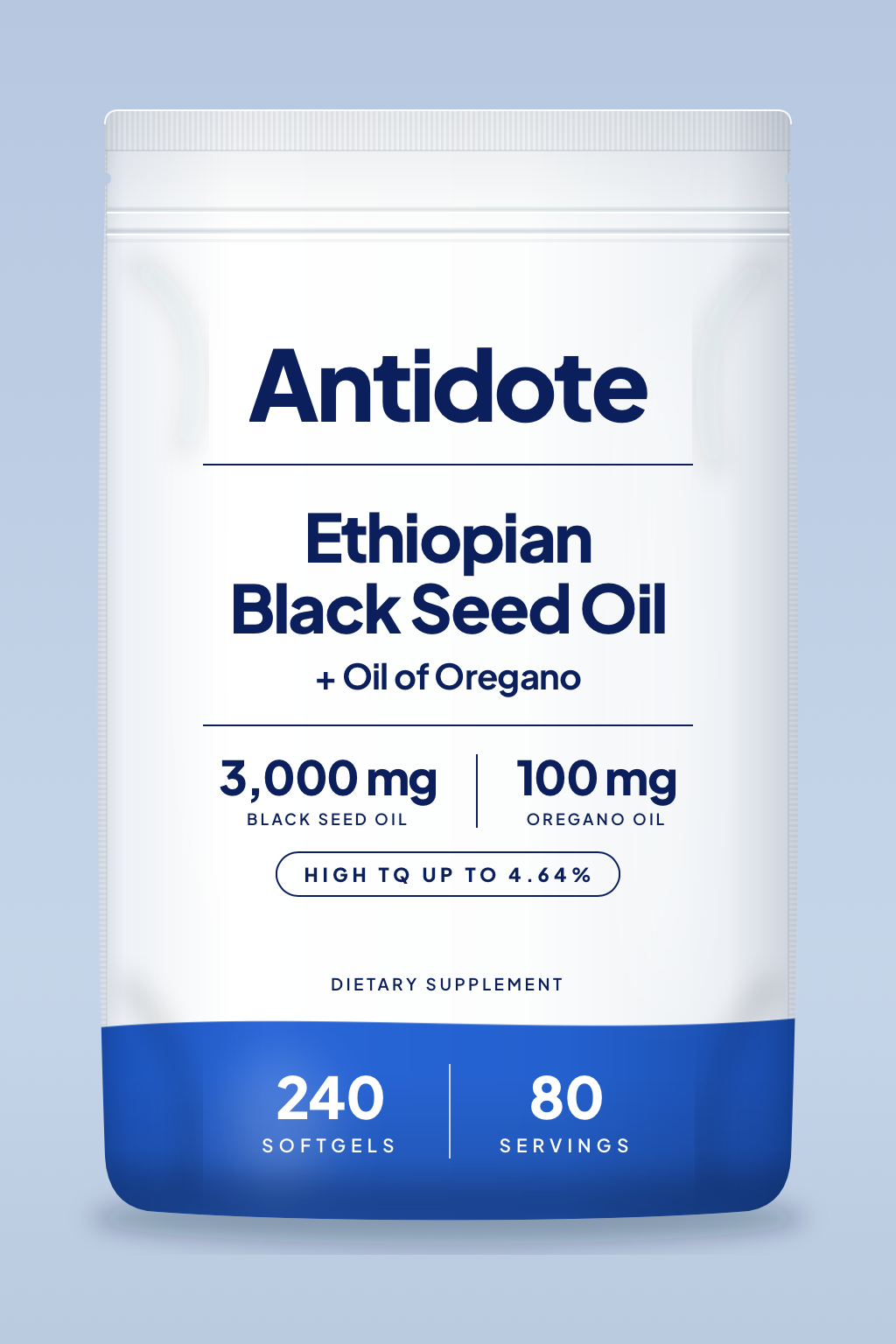
The Antidote Supplements combination softgels contain 3,000 mg black seed oil and 100 mg oregano oil extract per three-softgel serving, with up to 4.64% naturally occurring thymoquinone and 80 servings in each 240-softgel pouch. Each serving pairs oregano with black seed oil.
The bottom line
Oregano oil is good for daily antioxidant support and digestive comfort, backed by its well-studied compounds. Take it diluted or in softgels, with food.
Medical reviewer
Dr Areej Al-Jawazery
MBChB, FRACGP
Read this next
Oregano Oil
Does Oil of Oregano Actually Work? A Clear Look at the Evidence
Oregano oil's natural compounds, carvacrol and thymol, show impressive activity in the lab. Here is what that means for everyday use.
Oregano Oil
Does Oregano Oil Kill Parasites? What the Evidence Says in Australia
Understand the small human oregano pilot study, why it does not establish a parasite treatment and when Australian readers should seek testing.
Oregano Oil
Oregano Oil and UTIs: What the Research Says for Australians
Laboratory interest in carvacrol is real, but a UTI needs proper diagnosis. Here is how the research and Australian care fit together.
Oregano Oil
Does Oregano Oil Help with Constipation? An Australian Guide
Oregano oil is popular for digestive wellbeing, but evidence for constipation is limited. Here are the steps that are proven to help.
Oregano Oil
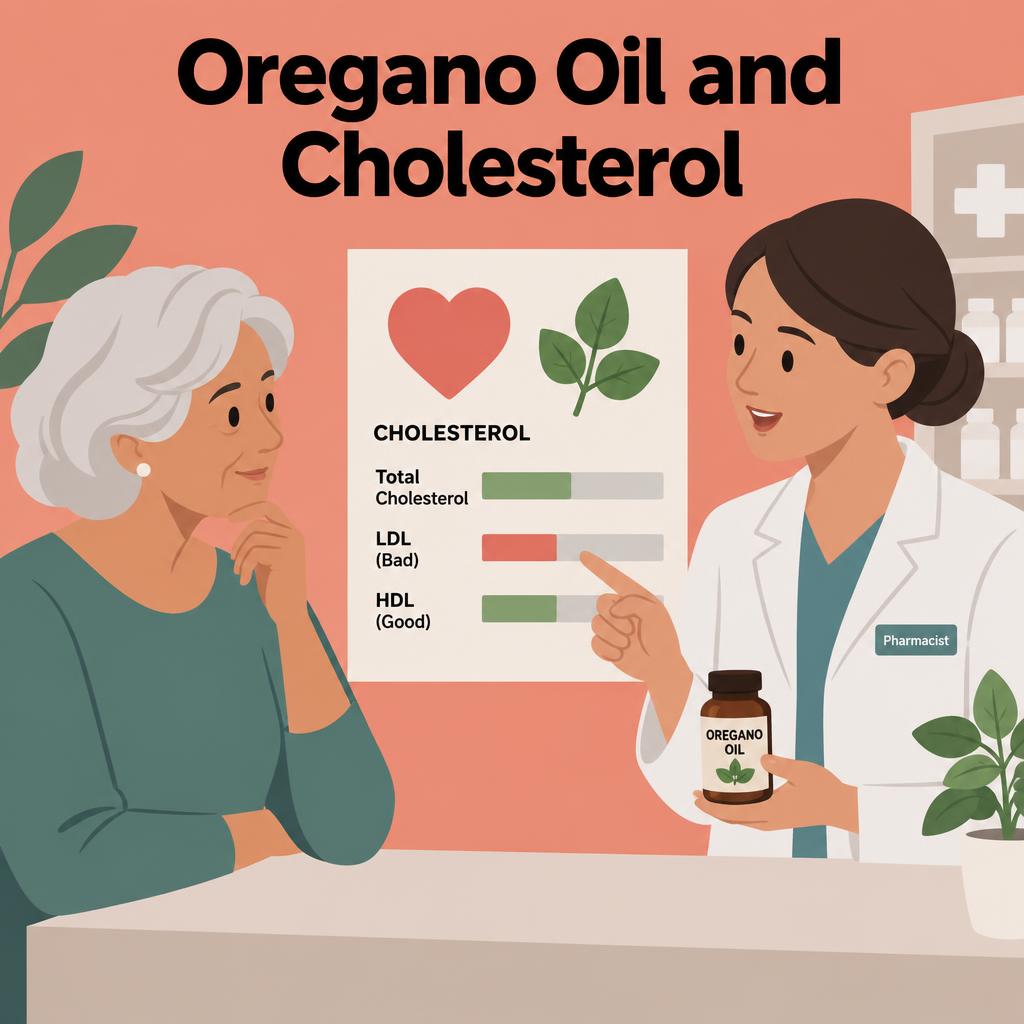
Does Oil of Oregano Lower Cholesterol? An Australian Evidence Guide
A small study of oregano distillate reported changes in cholesterol markers. Here is what it means and how it fits with proven care.
Oregano Oil
Is Oregano Oil Toxic? Safe Limits Explained for Australians
Culinary oregano, oral supplements and essential oils carry very different risks. Learn how toxicity depends on form, dose and who is exposed.
Sources
- Leyva-López N, et al. Essential oils of oregano: Biological activity beyond their antimicrobial properties. Molecules. 2017;22(6):989.
- Suntres ZE, Coccimiglio J, Alipour M. The bioactivity and toxicological actions of carvacrol. Critical Reviews in Food Science and Nutrition. 2015;55(3):304–318.
- National Center for Complementary and Integrative Health. Using Dietary Supplements Wisely.