Gut Health Supplements: What Helps Digestion?
Good gut health usually comes from a combination of fiber, hydration, and targeted supplements rather than one single product.
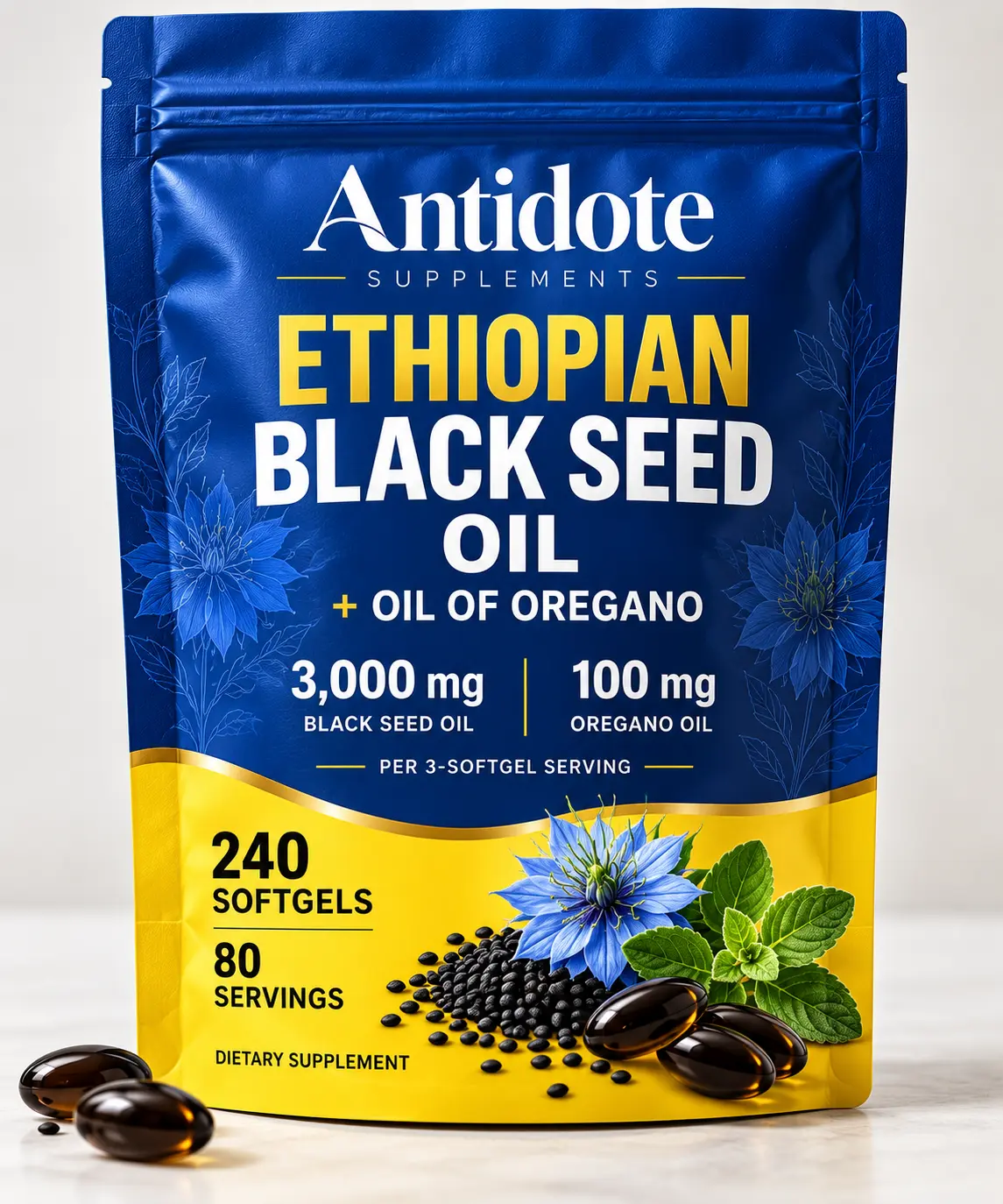
Key takeaways
- Fiber and hydration are the foundation of good digestive health for most people.
- Digestive enzymes may help some people reduce gas from certain foods, but aren't effective for everyone.
- Black seed oil has shown some benefit for dyspepsia symptoms in small clinical trials.
- Persistent digestive issues deserve medical evaluation rather than self-treatment alone.
Gut health is one of the most searched supplement categories, and for good reason — digestive discomfort is common. Here's a realistic breakdown of what helps.
What are digestive enzymes, and do they help with gas?
Digestive enzyme supplements (like alpha-galactosidase, found in products such as Beano) can help some people break down hard-to-digest sugars in foods like beans and cruciferous vegetables, reducing gas. They don't work for all causes of gas and bloating, and effects vary by person.
What role does fiber play?
Fiber supplements can support regularity and feed beneficial gut bacteria, but adding fiber too quickly can actually cause more gas and bloating at first. It's best introduced gradually, with plenty of water.
Where does black seed oil fit in?
A small clinical trial found a honey-based Nigella sativa seed oil formulation improved symptoms of functional dyspepsia compared to placebo.[1] This is promising but limited evidence — not proof it works for all digestive complaints. See our page on black seed oil benefits for more on its documented uses.
Building a gut-friendly routine
- Prioritize fiber from food first — vegetables, fruits, legumes, whole grains.
- Stay well hydrated, since fiber needs water to work properly.
- Consider a digestive enzyme if certain foods reliably cause gas.
- Introduce any new supplement, including black seed oil, gradually and track your response.
When to see a doctor
Black seed oil and oregano oil are not a substitute for diagnosis or prescribed treatment. See a healthcare professional if symptoms are severe, getting worse or not improving.
Frequently asked questions
Do digestive enzymes help with gas from beans?
They can help some people, particularly with sugars found in beans and cruciferous vegetables, though results vary.
Can fiber supplements cause more bloating?
Yes, especially if increased too quickly. Start low and increase gradually with adequate water intake.
Is black seed oil proven for digestive issues?
Evidence is limited but includes at least one small clinical trial showing improvement in dyspepsia symptoms.
The bottom line
There's no single best gut health supplement. Fiber, hydration, and food-based digestion are the foundation, with options like digestive enzymes and black seed oil as reasonable additions for specific symptoms.
Read this next
Digestive Health
Black Seed Oil for Bloating and Gas
A traditional remedy for gas — here's what's known.
Digestive Health
Natural Remedies for Indigestion: Does Black Seed Oil Help?
Simple steps and black seed oil evidence for an upset stomach after meals.
Digestive Health
Black Seed Oil and Oregano Oil for Gut Health and IBD
The research on gut inflammation, gut microbes and these two oils.
Black Seed Oil
What Does Black Seed Oil Taste Like?
Bold, bitter and peppery — here's what to expect from black seed oil's taste, and how to skip it.
Black Seed Oil
Is Black Seed Oil a Binder? What the Term Actually Means
'Binder' is a wellness term, not a medical one. Here's where black seed oil and oregano oil fit.
Black Seed Oil
Black Seed Oil Benefits: What the Research Says
From skin health to blood sugar, here's what studies on black seed oil actually show.
Sources
- Mohtashami R, Huseini HF, Heydari M, et al. Efficacy and safety of honey based formulation of Nigella sativa seed oil in functional dyspepsia: a randomized, double-blind, placebo-controlled clinical trial. J Ethnopharmacol. 2015;175:147-152.
- Tavakkoli A, Mahdian V, Razavi BM, Hosseinzadeh H. Review on clinical trials of black seed (Nigella sativa) and its active constituent, thymoquinone. J Pharmacopuncture. 2017;20(3):179-193.