Australia
How to Make Oregano Oil at Home (and Why Store-Bought Is Stronger): Australian Guide
Understand culinary oregano infusions, safe storage and why a homemade food oil is not equivalent to a concentrated oral supplement.
Key takeaways
- A kitchen infusion is a flavoured food oil, not a standardised supplement.
- Store-bought does not automatically mean stronger or more effective.
- Refrigerate homemade herb oils and discard after four days, following CDC guidance.
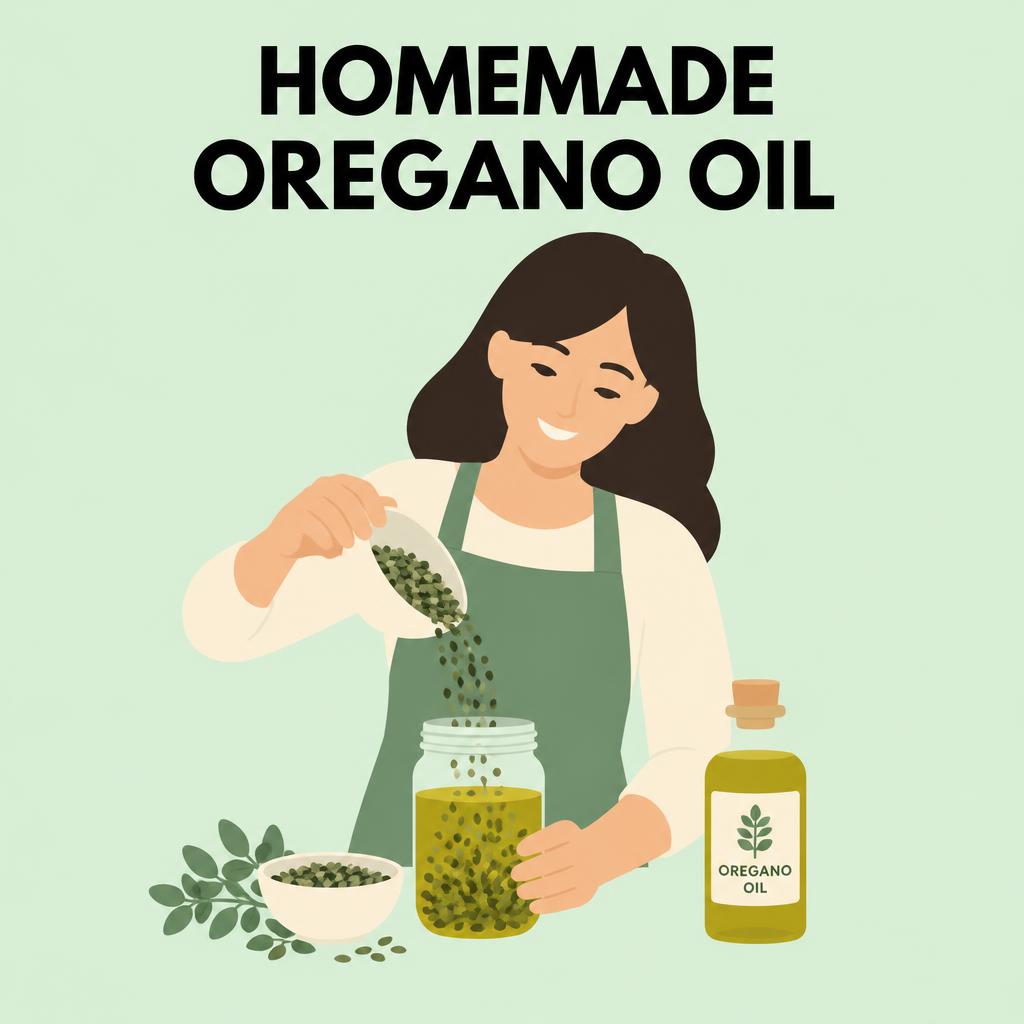
Fresh oregano can bring a distinctive flavour to a meal. If your goal is cooking, a food oil infused with herbs belongs in a different category from the concentrated preparations discussed in supplement research.
The headline reflects a common search question, but its strength comparison needs qualification. A shop can sell a culinary infusion, an aromatic essential oil or an oral supplement. Not every store-bought product is stronger, and stronger does not establish a better health outcome.
What does making oregano oil mean?
At home, the term usually means combining culinary oregano with an edible carrier oil for flavour. That does not recreate a concentrated extract or provide a measured amount of carvacrol. Herb amount, handling and preparation can all change the result.
Do not use a kitchen infusion to recreate a supplement dose. This guide does not provide a method for extracting essential oil, making capsules or preparing a shelf-stable medicinal product.
For a food purpose, choose a tested recipe
Use food-grade ingredients and an established food-safety recipe with explicit handling and storage instructions. A freshly prepared meal with oregano and edible oil is a simpler option if you do not need to store an infusion.
Avoid following social-media methods that suggest leaving fresh herbs under oil at room temperature for weeks. A clean-looking jar does not establish that a homemade preserve is safe.
Storage matters more than appearance
The CDC advises refrigerating homemade oils made with herbs or garlic and throwing them away after four days.[1] It also explains that botulinum toxin cannot be reliably detected by sight, smell or taste. Do not taste an uncertain oil to check it.
This advice is about homemade food oils, not the shelf life of every manufactured supplement. Follow the actual packaging for a commercial product and do not transfer its expiry date to your kitchen mixture.
Why concentrated products are different
A manufactured preparation may have a specified ingredient amount or measured constituent concentration. A home infusion normally lacks that information. The carvacrol literature discusses bioactivity and toxicology, not a universal conversion from kitchen herbs to an oral dose.[2]
Even a constituent test does not prove that a preparation treats an illness. Laboratory antimicrobial findings cannot establish that an oregano-flavoured food oil clears an infection.
Do not turn aromatic oils into supplements
An essential oil labelled for external or aromatic use is not a substitute for edible cooking oil. Do not add it to a recipe or swallow it based on homemade dilution advice. Read our guide to oregano essential oils and supplements for the route-of-use distinction.
Where the Antidote Supplements product fits
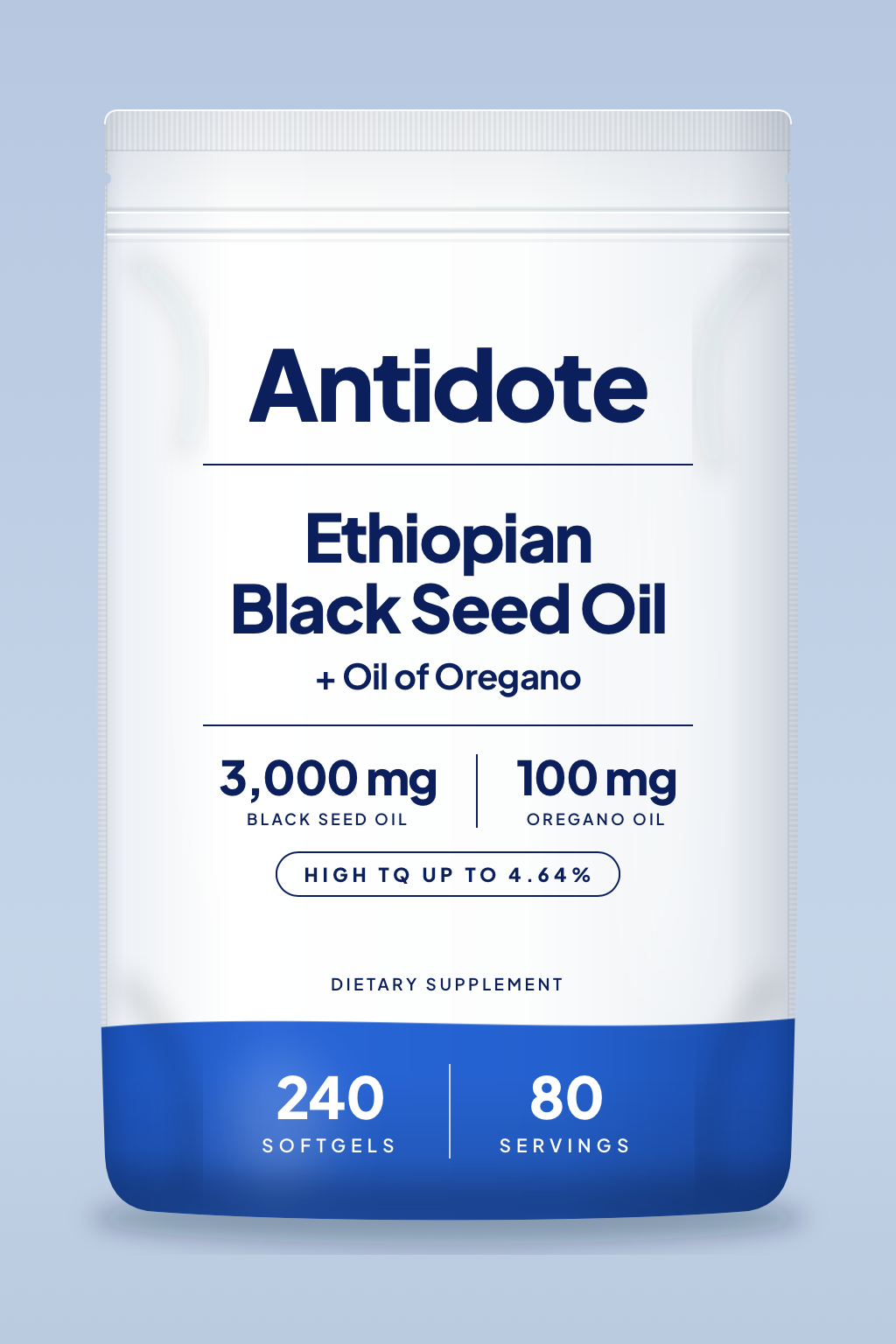
The oregano product on this site is Ethiopian Black Seed Oil With Oil of Oregano, a 240-softgel combination. Three softgels contain 3,000 mg black seed oil and 100 mg oregano oil extract. It is not a cooking oil, and this guide does not instruct you to open softgels into food.
Antidote Supplements confirms delivery to Australia. If considering an oral supplement, follow its own directions and discuss suitability with a pharmacist or doctor. Keep culinary enjoyment separate from medical treatment claims.
The bottom line
A homemade oregano infusion can serve a culinary purpose, but it is not a measured supplement. Use tested food-safety instructions, refrigerate homemade herb oils and discard them after four days. Store-bought strength varies by preparation and does not establish greater clinical benefit.
Medical reviewer
Dr Mackie Abu-Bakr
MBBS, MRCS, MRCGP, FRACGP
Read this next
Safety
Oregano Essential Oil vs Oil of Oregano Supplements: What's the Difference in Australia?
Distinguish aromatic essential oils from products with oral supplement directions, and avoid transferring dosing advice between them.
Buying Guides
Buying Oregano Oil in Australia: Capsules, Liquid or Softgels?
Compare taste, measurement, capsule ingredients and travel convenience before choosing an oregano oil format in Australia.
How to Use
Oil of Oregano: What It Is and How to Use It in Australia
Understand oregano supplements, essential oils and kitchen infusions before choosing a format or following a serving instruction.
Oregano Oil
Oregano Oil: Benefits, Uses and Side Effects (Complete Guide for Australia)
What oregano's plant compounds can do in research, what remains uncertain in people, and what Australians should check before use.
Oregano Oil
Oil of Wild Oregano: What Makes Wild Oregano Different? Australia Guide
Understand what wild describes, why species and testing still matter, and which claims a source label cannot establish.
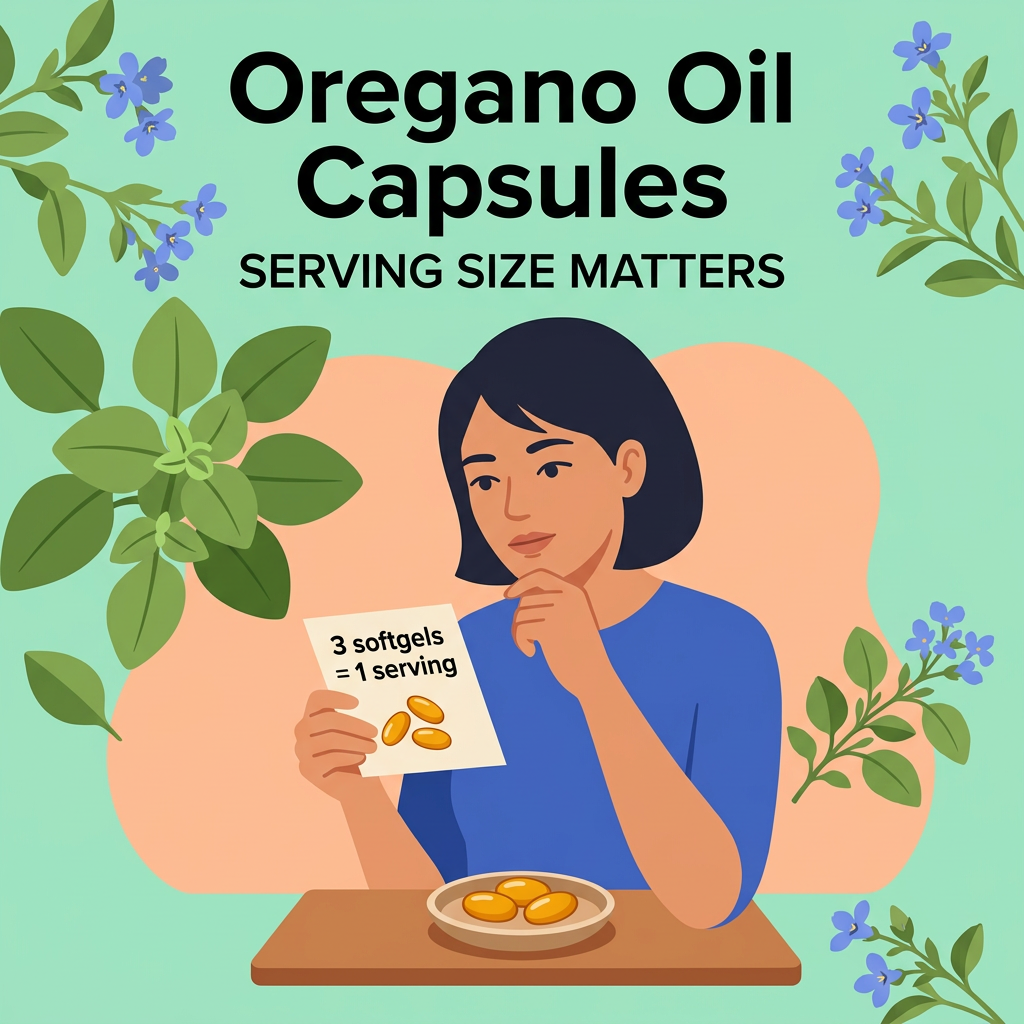
Dosage & Timing
Oregano Oil Capsules: Benefits, Dosage and How to Choose in Australia
Learn how to read capsule servings, separate oregano extract from blend weight and choose a convenient format without guessing a dose.
Sources
- Centers for Disease Control and Prevention. Botulism Prevention. Guidance on refrigerating homemade oils containing herbs or garlic and discarding them after four days.
- Suntres ZE, Coccimiglio J, Alipour M. The bioactivity and toxicological actions of carvacrol. Critical Reviews in Food Science and Nutrition. 2015;55(3):304–318.