United Kingdom
How to Take Black Seed Oil: A Simple Guide
The simplest ways to take black seed oil daily: how much, when, with what, and how to make the habit stick.
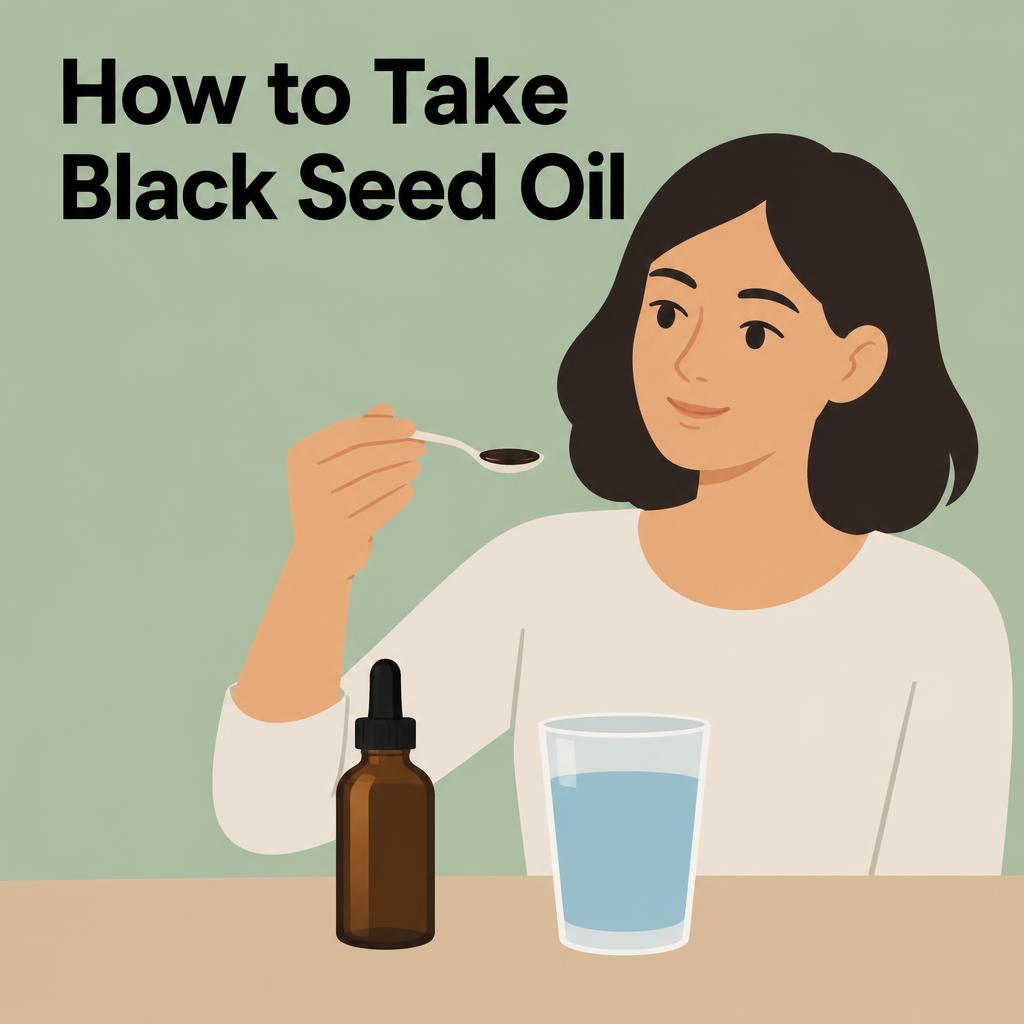
Key takeaways
- Take it once daily with food, about half a teaspoon to a teaspoon of liquid oil.
- Mix it into honey, yoghurt or a smoothie if the flavour is too strong.
- Anchor it to breakfast so the habit sticks.
Black seed oil is easy to take once you have a routine. Here is the simple guide most people in the UK actually need.
The basic routine
Take your serving once a day with a meal, usually breakfast. For liquid oil, that is about half a teaspoon to a teaspoon. For softgels, follow the pouch. Food matters: it softens the strong flavour and avoids the stomach upset some people get on an empty stomach.[1]
Ways to take the liquid
- Straight off the spoon, followed by water or juice.
- Stirred into a spoonful of honey, the classic traditional pairing.
- Mixed into yoghurt, porridge or a smoothie.
- Drizzled over salad, if you enjoy the peppery flavour.
When to take it
Morning with breakfast suits most people and is easiest to remember. There is no strong evidence that one time of day beats another, so pick the time you will actually keep.[1]
Making the habit stick
Keep the bottle next to the kettle or your breakfast things. Like every supplement, black seed oil works through consistency over weeks and months, not through occasional large servings.[2]
Who should check first
If you are pregnant, breastfeeding or taking regular medication, speak with your GP or pharmacist before starting.[3]
Antidote Supplements
Antidote Supplements Ethiopian Black Seed Oil comes as 50 mL liquid drops; follow the label directions.
The bottom line
Take black seed oil once daily with food, about half to one teaspoon of liquid or the softgel serving, and anchor it to breakfast so you never forget.
Medical reviewer
Dr Mackie Abu-Bakr
MBBS, MRCS, MRCGP, FRACGP
Read this next
Dosage & Timing
How Much Black Seed Oil Should You Take Daily?
The daily amount of black seed oil most people take, what studies have used, and how to find your own routine.
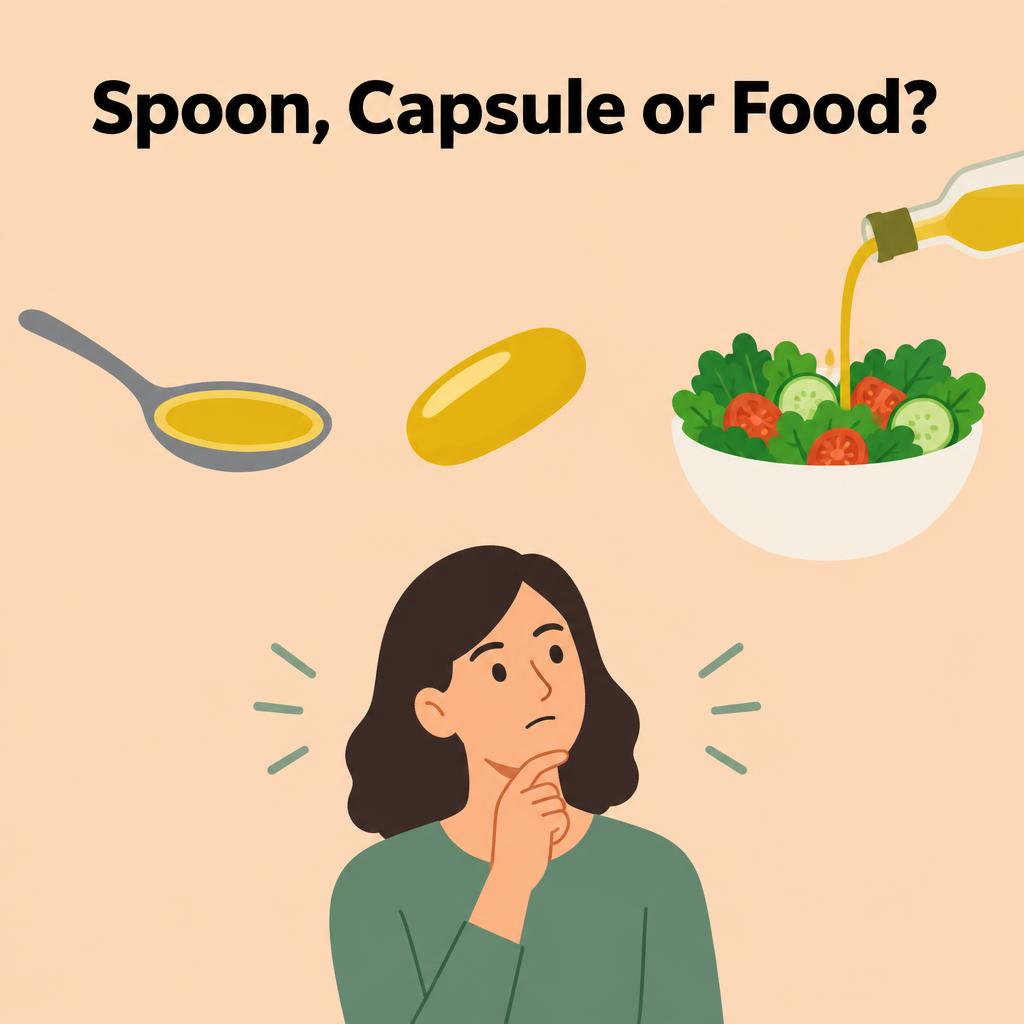
How to Use
How to Consume Black Seed Oil: Spoon, Capsule or in Food?
The three main ways to take black seed oil, straight, in capsules or in food, and how to choose between them.
Black Seed Oil
Black Seed Oil: Benefits, Uses and Side Effects (Complete Guide)
The complete UK guide to black seed oil: what it is, what the research shows, how to take it and who should check first.
Black Seed Oil
Black Seed Oil Benefits: 10 Reasons People Take It
From metabolic support to antioxidant intake, here are the ten most common reasons people take black seed oil every day.
Black Seed Oil
Black Cumin Seed Oil: A Complete Guide
Black cumin seed oil is black seed oil by another name. This guide covers what it is, the research and how to take it.
Black Seed Oil
Advantages of Black Seed Oil: Why It's Been Used for Centuries
Black seed oil has been used for over two thousand years. Here is why it has lasted, and what modern research adds.
Sources
- Li Z, et al. Nigella sativa and health outcomes: An overview of systematic reviews and meta-analyses. Frontiers in Nutrition. 2023;10:1107750.
- Ahmad A, et al. A review on therapeutic potential of Nigella sativa: A miracle herb. Asian Pacific Journal of Tropical Biomedicine. 2013;3(5):337-352.
- NHS. Vitamins, supplements and nutrition: herbal remedies and supplements.
