United Kingdom
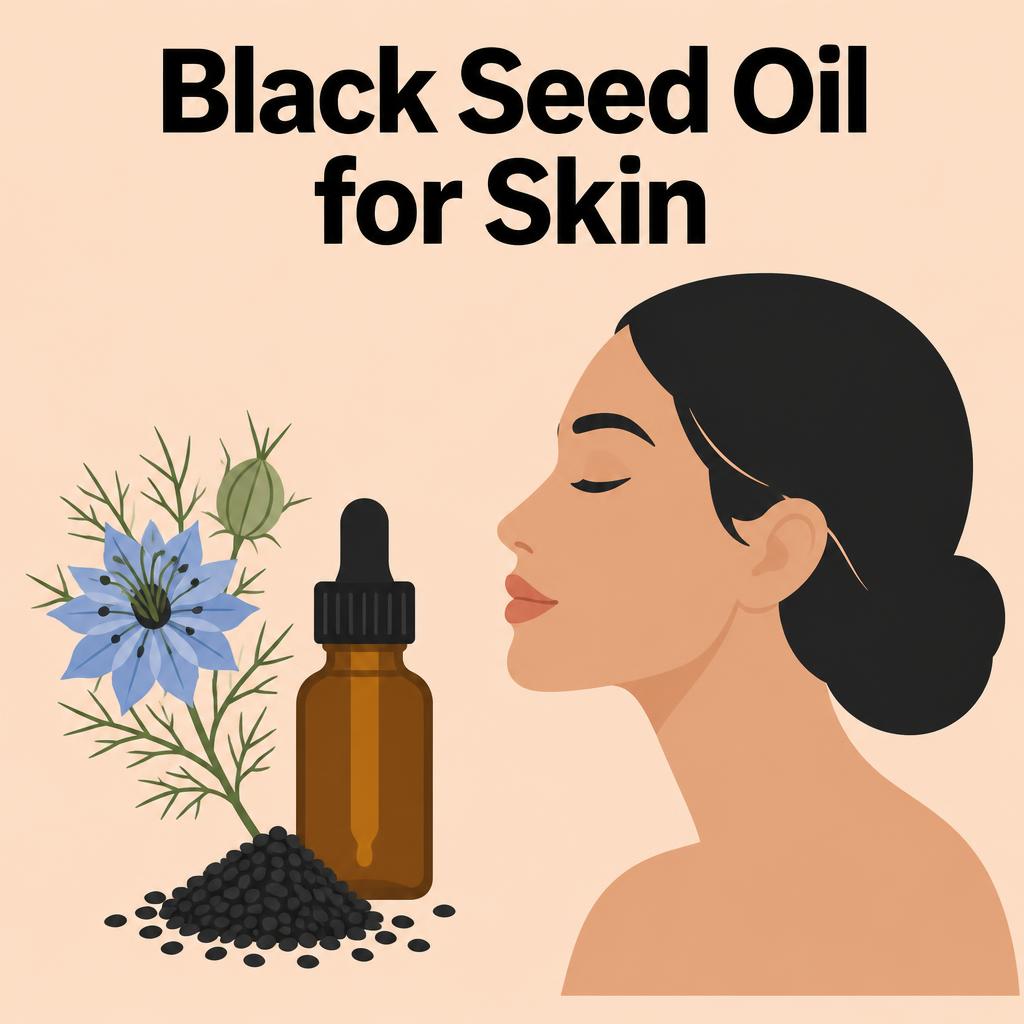
Is Black Seed Oil Good for Skin?
Black seed oil has a long history in skin care, and early research on thymoquinone is promising. Here is what it may do for skin, how people use it and what to expect.
Key takeaways
- Black seed oil contains thymoquinone, studied for antioxidant and soothing activity.
- Small studies suggest it may help with dry, irritated or blemish-prone skin.
- Many people take it orally and also use it in their skin routine.
- Patch test first, and choose a pure cold-pressed oil.
Why people put black seed oil on their skin
Black seed oil has been used on skin for centuries across the Middle East, Africa and South Asia. Modern interest centres on thymoquinone, its best-studied compound, which shows antioxidant and soothing activity in laboratory and early human research.
The oil is also rich in essential fatty acids, which help support the skin barrier. A healthy barrier holds moisture in and keeps irritants out, which is why the oil appeals to people with dry or reactive skin.
What the research suggests
Small clinical studies have looked at black seed oil for common skin complaints. A trial in people with hand eczema found a black seed ointment performed comparably to a standard topical treatment over four weeks. Other small studies have explored it for acne-prone skin, with encouraging early results.
These studies are small, so the honest summary is promising but not proven. What they do support is that black seed oil is a reasonable, well-tolerated option to try as part of a sensible skin routine.
Taking it versus applying it
There are two ways people use black seed oil for skin. Taken by mouth, its antioxidant compounds work from the inside, which is how most clinical studies have used it. Applied to the skin, it acts as an emollient and delivers thymoquinone directly where it is needed.
Many people do both. If you apply it, always follow the product label, dilute if your skin is sensitive and patch test on a small area first.
How to use it in a routine
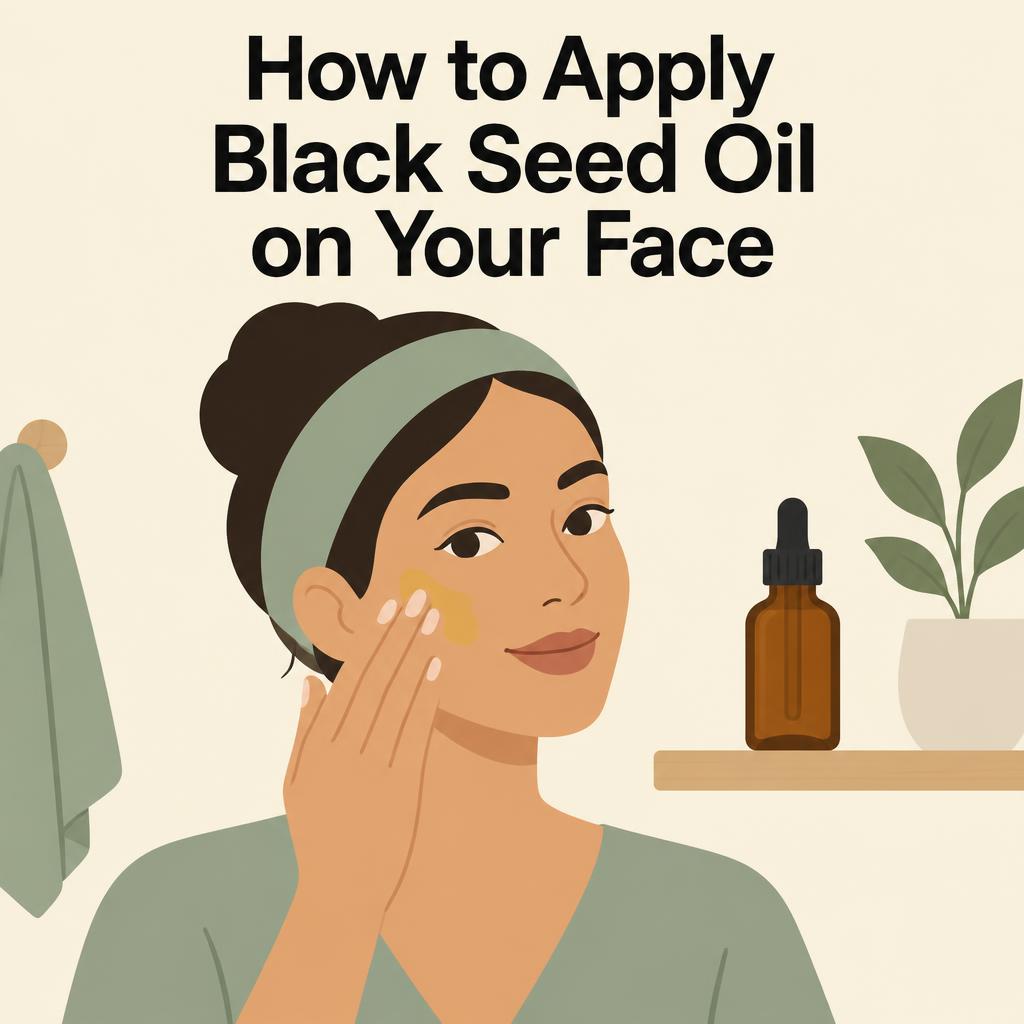
For facial use, a few drops warmed between the palms and pressed onto damp skin is the usual approach, ideally after water-based products and before heavier creams. For the body, it can be mixed into an unscented moisturiser.
Consistency matters more than quantity. A small amount used daily tends to work better than an occasional heavy application.
Choosing a good oil
Look for cold-pressed, pure Nigella sativa oil in a dark glass bottle. Heat and light degrade thymoquinone, so packaging and extraction method genuinely affect quality. A peppery, slightly bitter taste and smell is a good sign of a fresh, potent oil.
The bottom line
Black seed oil is a well-tolerated, traditional skin oil with promising early research behind it. Used consistently, orally or on the skin, it can be a worthwhile addition to a simple skin routine. Patch test first and choose a pure cold-pressed oil.
Medical reviewer
Dr Nidham Oda
MBChB, FRACGP
Read this next
Black Seed Oil
Black Seed Oil for Hair: How to Use It and What to Expect
How people use black seed oil in hair routines, what the tradition and early research suggest, and realistic expectations.
Black Seed Oil
How to Apply Black Seed Oil on Your Face
How to use black seed oil on your face: how much, when, and the simple routine that works.
Black Seed Oil
What Is Black Seed Oil Good For? The Most Common Uses
The most common reasons people take black seed oil, from daily wellness to skin and hair, with realistic expectations.
Skin
Black Seed Oil for Acne: Can It Clear Breakouts?
A clinical trial found a black seed gel reduced acne. Here's how to use it safely.

Skin
Infant Eczema: Safe Treatment Options for Baby's Skin
Baby eczema needs gentle, pediatrician-approved care, here's what works and what to avoid.
Skin
Eczema on the Face: Treating Cheeks, Eyelids and Around the Eyes
Facial skin is thin and sensitive, here's how to calm eczema on the cheeks and eyelids safely.
