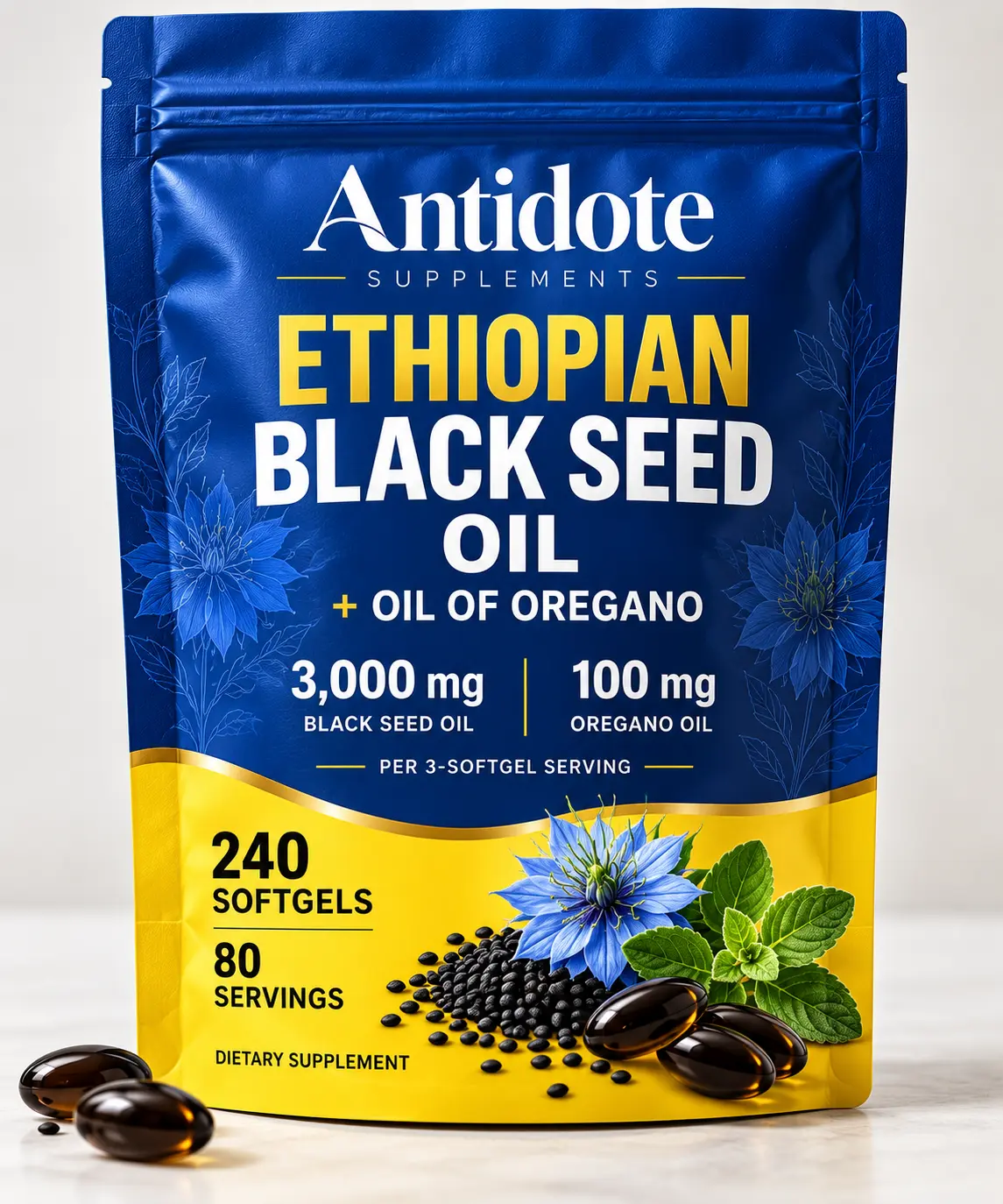
Black Seed Oil for Acne: Can It Clear Breakouts?
A clinical trial found a black seed gel reduced acne. Here's how to use it safely.
Key takeaways
- A 2020 clinical trial found a Nigella sativa gel reduced acne lesions.
- Black seed oil has anti-inflammatory and antibacterial properties.
- Undiluted oregano oil can irritate skin and isn't recommended for acne.
- Benzoyl peroxide, retinoids and salicylic acid remain the best-proven acne treatments.
What causes acne?
Acne happens when pores become clogged with oil and dead skin, and bacteria (Cutibacterium acnes) trigger inflammation. Hormones, genes and some products play a role.
Does black seed oil help acne?
In a double-blind trial, people with mild to moderate acne who used a Nigella sativa hydrogel had fewer lesions than those using a placebo gel.[1] Its antibacterial and anti-inflammatory compounds may explain this.[2]
How to use black seed oil for acne
- Cleanse your face gently.
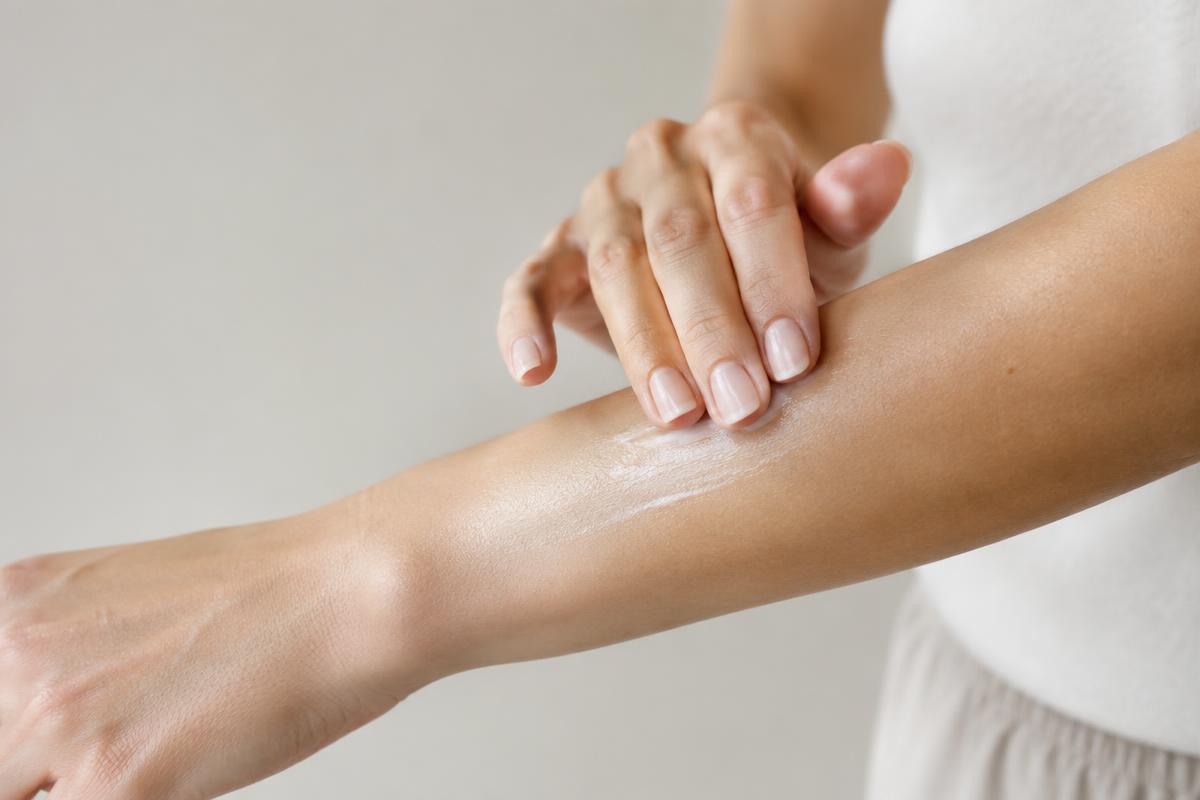
- Mix 2–3 drops of black seed oil into a light, non-comedogenic moisturiser.
- Apply to affected areas once a day, ideally at night.
- Patch test first and stop if you get redness or itching.
What about oregano oil for acne?
Oregano oil kills acne bacteria in the lab,[3] but it's strong enough to burn or irritate skin. Never apply it undiluted to your face.
How to get rid of acne: proven options
- Benzoyl peroxide
- Salicylic acid
- Topical retinoids (adapalene)
- Prescription antibiotics or hormonal treatment for moderate to severe acne
When to see a doctor
Black seed oil and oregano oil are not a substitute for diagnosis or prescribed treatment. See a healthcare professional if symptoms are severe, getting worse or not improving.
Frequently asked questions
Can black seed oil clog pores?
It's considered fairly light, but everyone's skin reacts differently. Use a small amount and watch for breakouts.
Can black seed oil cause dry skin breakouts?
It's unlikely, but stop using it if your skin becomes irritated.
The bottom line
Early clinical evidence suggests black seed oil may help mild acne. Use it diluted, patch test first, and pair it with proven acne treatments.
Read this next
Black Seed Oil
Black Seed Oil for Skin: Benefits and How to Use It
Eczema, acne, dry skin and wound care — what Nigella oil may do for skin.
Skin
Eczema: Symptoms, Causes and Natural Approaches
Eczema causes dry, itchy, inflamed skin. Learn the causes and what studies say about black seed oil.
Black Seed Oil
Is Black Seed Oil a Binder? What the Term Actually Means
'Binder' is a wellness term, not a medical one. Here's where black seed oil and oregano oil fit.
Digestive Health
Black Seed Oil for Indigestion and Dyspepsia
A placebo-controlled trial found symptom relief in functional dyspepsia.
Skin
Black Seed Oil and Cold Sores: Can It Help Herpes Outbreaks?
Cold sores are caused by a virus that current research on black seed oil hasn't directly tested in humans — here's the honest picture.
Respiratory & Allergies
Black Seed Oil for Ear Infections: Is It Safe to Try?
Ear pain needs careful evaluation before trying any oil-based remedy — here's what to know first.
Sources
- Soleymani S, Zargaran A, Farzaei MH, et al. The effect of a hydrogel made by Nigella sativa L. on acne vulgaris: a randomized double-blind clinical trial. Phytother Res. 2020;34(11):3052-3062.
- Ahmad A, Husain A, Mujeeb M, et al. A review on therapeutic potential of Nigella sativa: a miracle herb. Asian Pac J Trop Biomed. 2013;3(5):337-352.
- Leyva-López N, Gutiérrez-Grijalva EP, Vazquez-Olivo G, Heredia JB. Essential oils of oregano: biological activity beyond their antimicrobial properties. Molecules. 2017;22(6):989.