United Kingdom
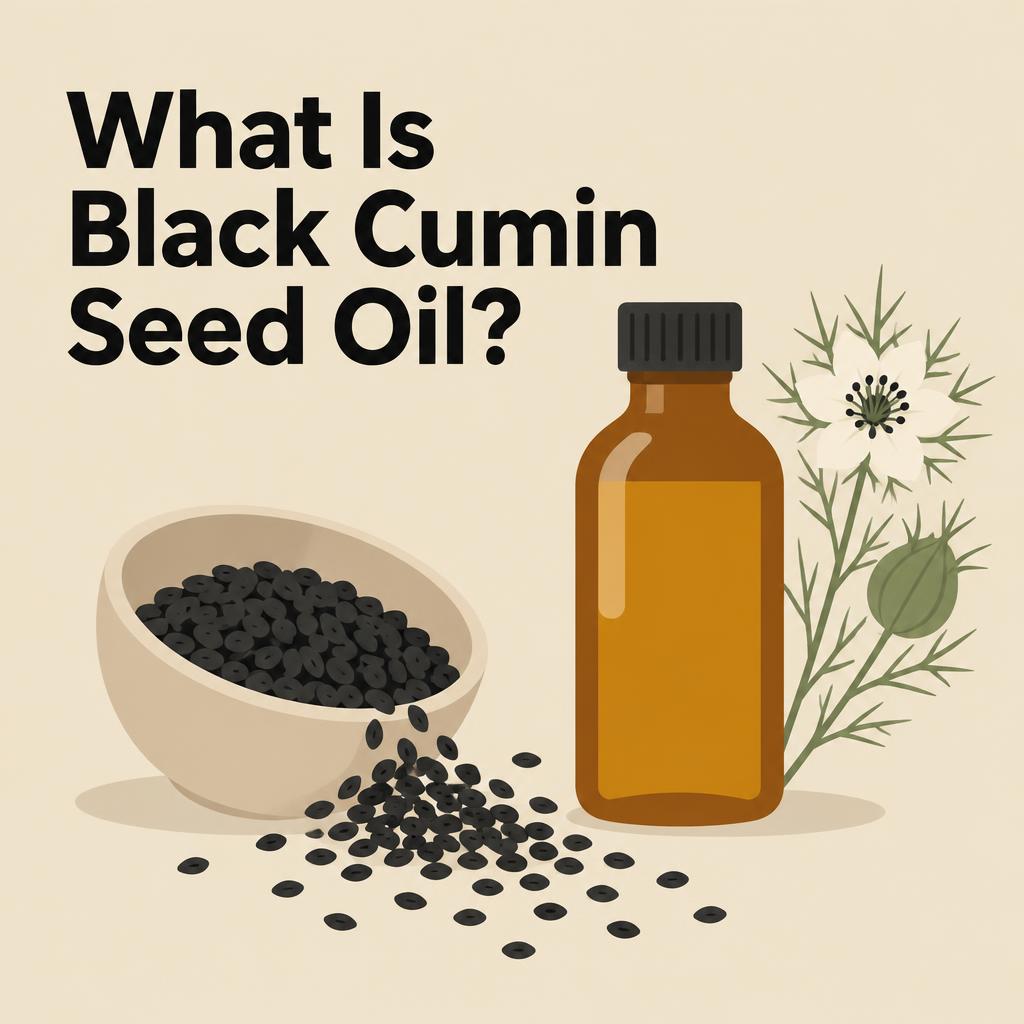
What Is Black Cumin Seed Oil?
Black cumin seed oil is another name for black seed oil. What it is, where it comes from and why the names cause confusion.
Key takeaways
- Black cumin seed oil and black seed oil are the same thing: oil from Nigella sativa seeds.
- It is not the same as ordinary cumin or black caraway, despite the names.
- Its key compound, thymoquinone, is the focus of modern research.
If you have seen black cumin seed oil on a label and wondered whether it is something different from black seed oil, here is the reassuring answer: it is the same thing.
One plant, many names
Black cumin seed oil is pressed from the seeds of Nigella sativa, a flowering plant grown across the Middle East, Africa and South Asia. The same oil is sold as black seed oil, black cumin oil, kalonji oil and nigella oil. All of those names refer to Nigella sativa.[1]
What it is not
It is not ordinary cumin (Cuminum cyminum), the spice in your cupboard, and it is not black caraway (Bunium bulbocastanum). The similar names cause real confusion, but the plants are unrelated and their oils are different products.[1]
What is in it
The oil is rich in nourishing fatty acids and contains thymoquinone, a plant compound studied for its antioxidant and anti-inflammatory activity.[2] That compound is the reason black cumin seed oil has attracted serious scientific interest in recent decades.[3]
How people use it
As a daily supplement, in liquid or softgel form, and as a skin and hair oil. The liquid is the versatile option; softgels suit anyone who prefers no taste.
Antidote Supplements
Antidote Supplements Ethiopian Black Seed Oil comes as 50 mL liquid drops; follow the label directions.
The bottom line
Black cumin seed oil is simply black seed oil by another name: the pressed oil of Nigella sativa seeds, rich in thymoquinone and used daily by millions.
Medical reviewer
Dr Donald Otasowie
MBBS, FRACGP
Read this next
Black Seed Oil
Black Cumin Seed Oil: A Complete Guide
Black cumin seed oil is black seed oil by another name. This guide covers what it is, the research and how to take it.
Black Seed Oil
Black Seed Oil: Benefits, Uses and Side Effects (Complete Guide)
The complete UK guide to black seed oil: what it is, what the research shows, how to take it and who should check first.
Black Seed Oil
Black Seed Oil Benefits: 10 Reasons People Take It
From metabolic support to antioxidant intake, here are the ten most common reasons people take black seed oil every day.
Black Seed Oil
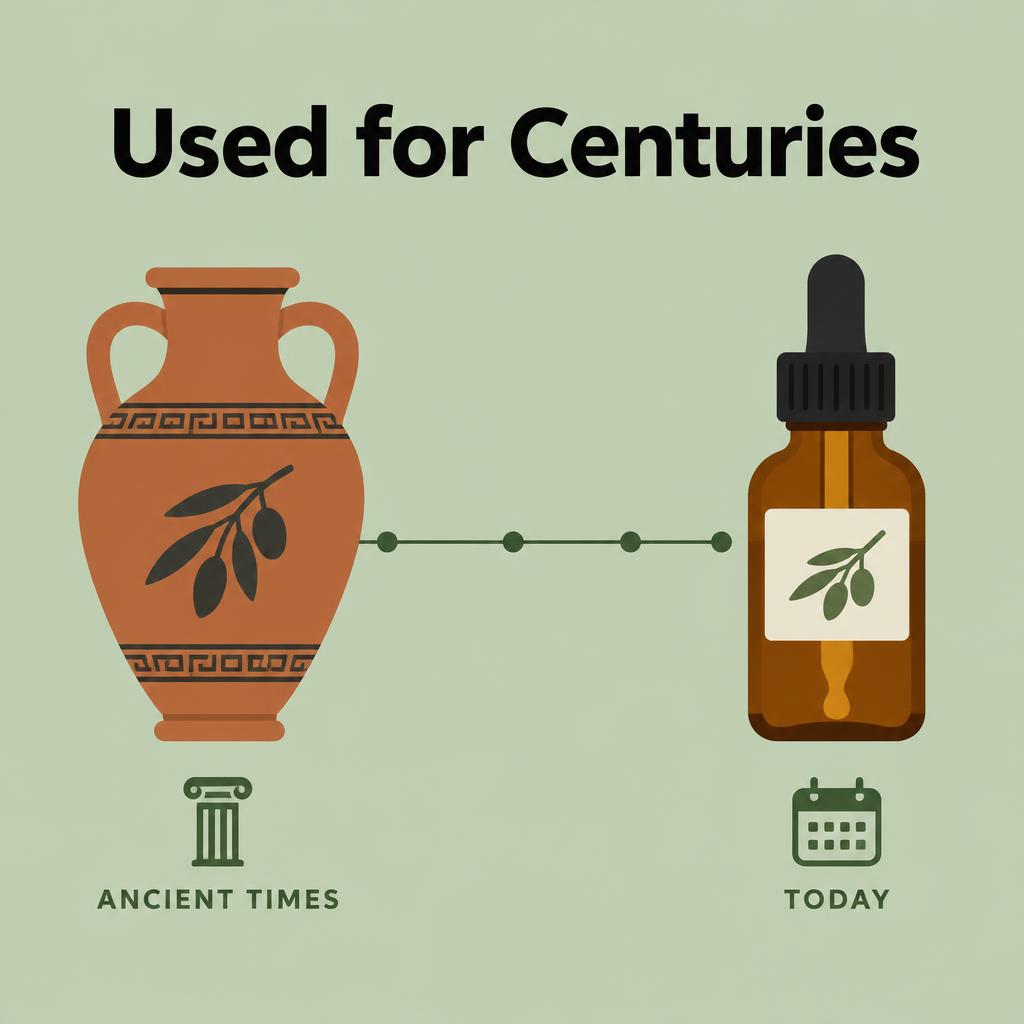
Advantages of Black Seed Oil: Why It's Been Used for Centuries
Black seed oil has been used for over two thousand years. Here is why it has lasted, and what modern research adds.
How to Use
Black Seed Oil Capsules vs Liquid: Which Is Better?
Capsules or liquid drops? Here is how the two formats compare on taste, convenience, dose control and value.
Dosage & Timing
Black Cumin Seed Oil Pills: Dose, Timing and Quality
How much black cumin seed oil to take, when to take it, and how to tell a quality pill from a poor one.
Sources
- Ahmad A, et al. A review on therapeutic potential of Nigella sativa: A miracle herb. Asian Pacific Journal of Tropical Biomedicine. 2013;3(5):337-352.
- Khader M, Eckl PM. Thymoquinone: an emerging natural drug with a wide range of medical applications. Iranian Journal of Basic Medical Sciences. 2014;17(12):950-957.
- Li Z, et al. Nigella sativa and health outcomes: An overview of systematic reviews and meta-analyses. Frontiers in Nutrition. 2023;10:1107750.
