The Best Black Seed Oils: A Buyer's Guide
What to look for in a black seed oil and how we evaluate products.
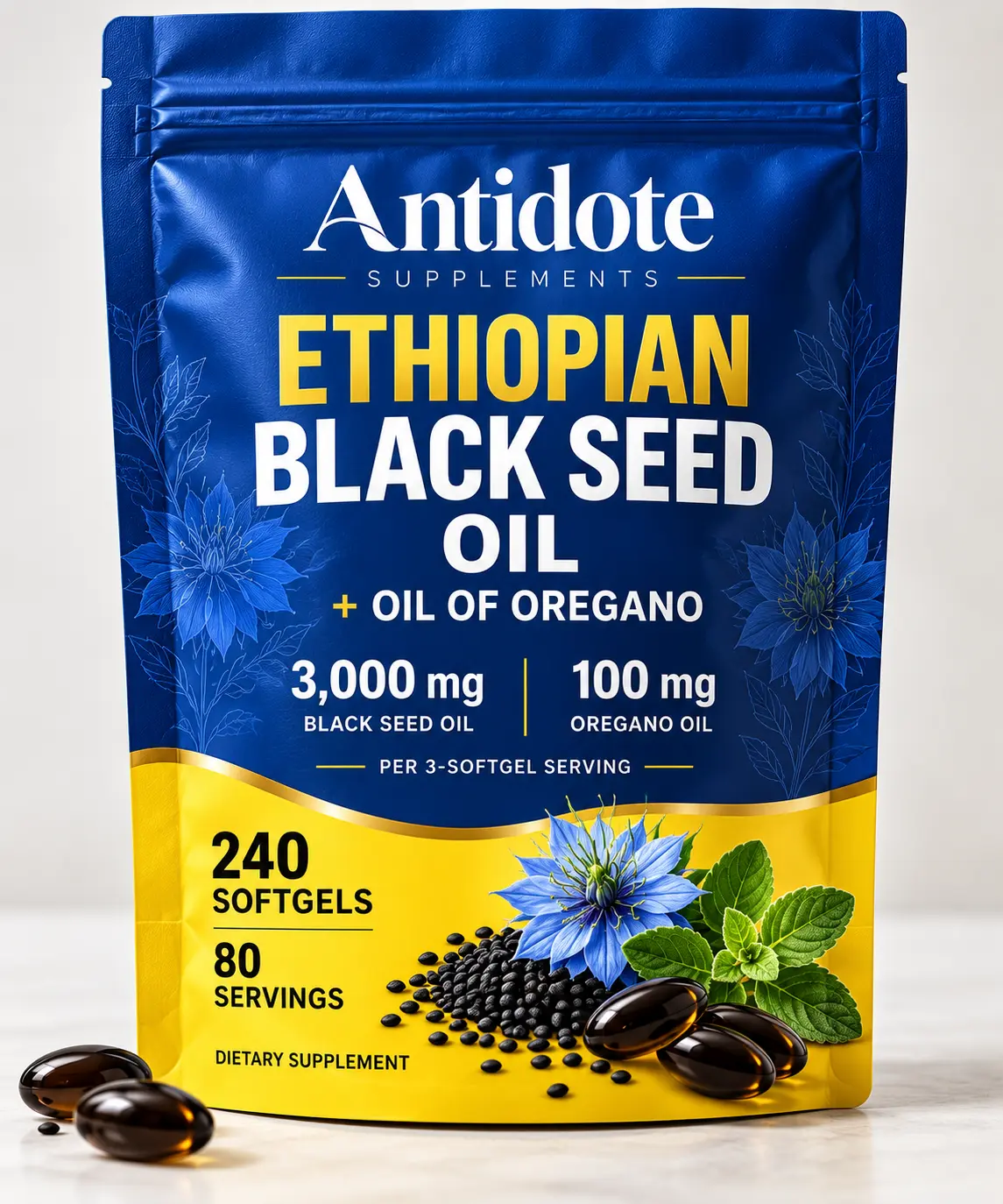
Key takeaways
- Look for cold-pressed oil in dark glass.
- Third-party testing for thymoquinone is a strong quality signal.
- Product picks will be added after testing.
This guide sets out how we evaluate black seed oils. Individual product picks will be added as reviews are completed.
How we evaluate products
| Criteria | Why it matters |
|---|---|
| Pressing method | Cold pressing preserves delicate compounds |
| Testing | Verifies purity and thymoquinone levels |
| Packaging | Dark glass protects from light |
| Origin | Traceability and transparency |
What to look for
- Single ingredient
- Batch testing
- Clear dosage guidance
Frequently asked questions
Is capsule or liquid better?
Both work. Liquid offers flexible dosing; capsules avoid the strong taste.
The bottom line
Choose a cold-pressed, tested black seed oil from a transparent brand.
Read this next
Black Seed Oil
What Does Black Seed Oil Taste Like?
Bold, bitter and peppery — here's what to expect from black seed oil's taste, and how to skip it.
Black Seed Oil
Is Black Seed Oil a Binder? What the Term Actually Means
'Binder' is a wellness term, not a medical one. Here's where black seed oil and oregano oil fit.
Ethiopian Black Seed Oil
Ethiopian Black Seed Oil: Benefits and How It Differs
Origin can influence flavour and compound levels. Here's what to know about Ethiopian black seed oil.
Comparisons
Black Seed Oil Thymoquinone Content: How to Compare Brands
What TQ percentages mean, organic vs non-organic, and where to buy.
Buying Guides
How to Choose a Black Seed Oil Brand: A Practical Checklist
Instead of chasing a specific brand name, use this checklist to evaluate any black seed oil on its own merits.
Comparisons
Egyptian vs. Ethiopian Black Seed Oil: How Do They Compare?
Black seed oil's origin is a common marketing point. Here's what actually varies by region, and what doesn't.