United States
Is Oil of Oregano a Natural Antibiotic?
Oregano oil genuinely kills bacteria in laboratory studies, which is why it is called a natural antibiotic. Here is what that label does and does not mean.
Key takeaways
- Carvacrol, oregano oil's main compound, shows consistent antibacterial activity in laboratory research.
- Laboratory results do not make it a substitute for prescribed antibiotics in real infections.
- The fair description is 'natural antimicrobial support', not 'natural antibiotic'.
- Its sensible role is everyday immune support, not treating illness.
Where the label comes from
The 'natural antibiotic' label is not pure marketing. Carvacrol and thymol, the main active compounds in oregano oil, have been shown in many laboratory studies to disrupt the cell membranes of bacteria, including some strains that resist conventional drugs. Researchers take this seriously enough that oregano oil is studied as a food preservative and as an alternative to antibiotic growth promoters in farming. The antimicrobial effect is real.
What laboratory results actually mean
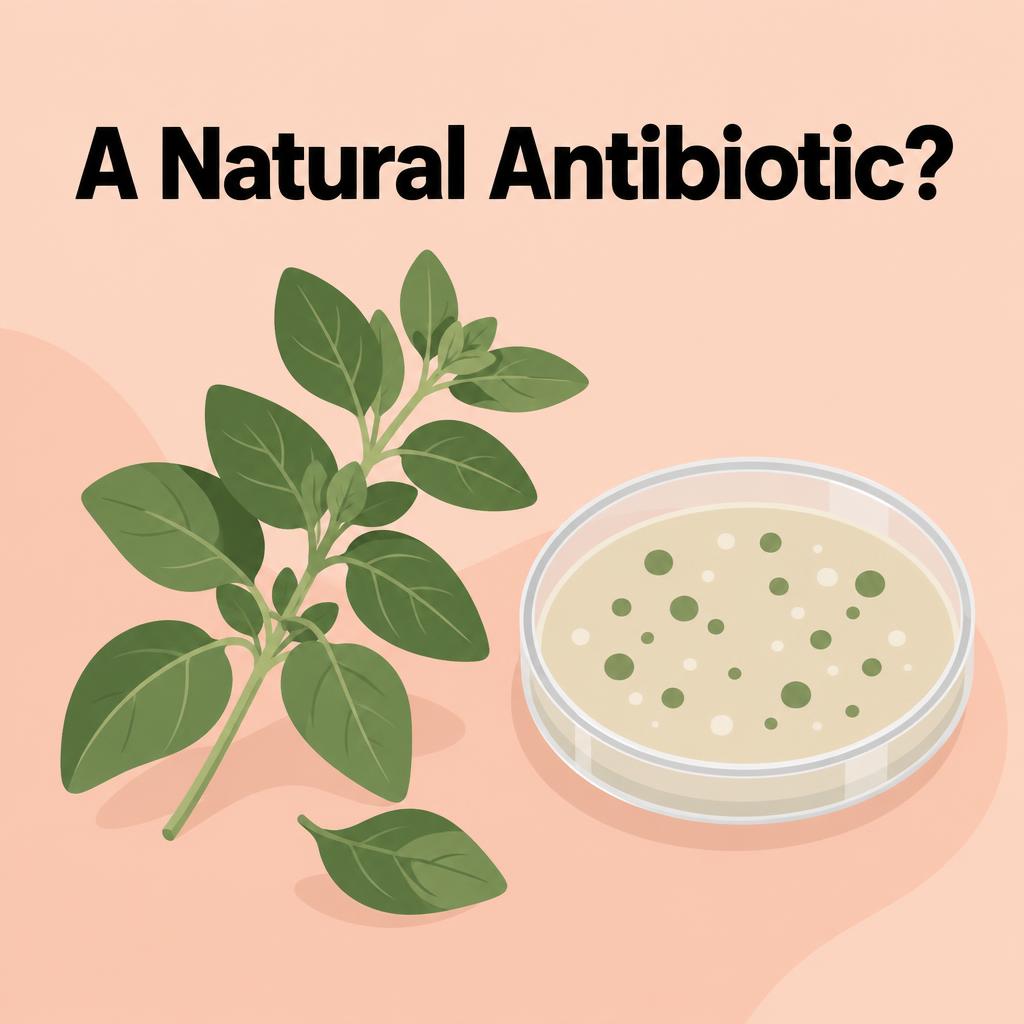
A petri dish is not a human body. In the lab, researchers can bathe bacteria directly in concentrated oil. Inside you, the oil is diluted, digested and distributed, and it never reaches those concentrations at the site of an infection. This gap between lab and body is why responsible researchers call oregano oil 'antimicrobial in vitro' and stop short of calling it a treatment. Promising laboratory science is the start of the story, not the end.
Why it cannot replace antibiotics
If you have a bacterial infection that needs treatment, you need a doctor and, where prescribed, antibiotics. Delaying real treatment in favour of a supplement is the one genuinely dangerous move in this space. Oregano oil has never been through the trials required to establish it as a treatment for any infection, and no credible evidence says it can cure one.
The sensible role it does play
Where oregano oil shines is everyday immune support. Traditional use across the Mediterranean, the laboratory evidence and early human studies all point the same way: taken regularly at supplement doses, it supports the body's own defences. Many people take it through winter or at the first sign of a cold season. That is a reasonable, evidence-aware use that does not overclaim.
Choosing a product that matches the research
The studies behind oregano oil used preparations with meaningful carvacrol content, so check the label for a stated carvacrol percentage or a clear milligram dose of oregano oil extract. A combination softgel with black seed oil adds thymoquinone, another well-studied compound, for broader daily support. Skip any product whose marketing promises it will treat or cure infections; that claim tells you more about the brand than the oil.
The bottom line
Oil of oregano is a genuine antimicrobial in laboratory settings, which earns it the 'natural antibiotic' nickname. But it is not a treatment for infections and never replaces prescribed antibiotics. Its honest role is daily immune support, and at that it is one of the best-traditioned, best-studied natural options.
Medical reviewer
Dr Ali Ziabari
MBChB, FRACGP
Read this next
Oregano Oil
Is Oil of Oregano Antiviral?
Lab studies show oregano oil and carvacrol can inactivate certain viruses in a dish. Here is what that does and does not mean for you.
Oregano Oil
Does Oil of Oregano Help with Colds?
Oil of oregano is a popular cold-season remedy. Here is what the research can and cannot tell us about it.
Oregano Oil
Does Oil of Oregano Actually Work? An Honest Look at the Evidence
Oil of oregano has real research behind it, but the strength of that research varies by claim. Here is an honest grade-by-grade look.
Oregano Oil
Does Oil of Oregano Kill Parasites? What the Research Says
Oil of oregano has a long folk reputation against parasites, and one small human trial exists. Here is what the evidence actually shows.
Oregano Oil
Can Dogs Have Oil of Oregano?
Oil of oregano is popular in human wellness, but dogs are not small humans. Here is what to know before sharing it with your pet.
Oregano Oil
Does Oil of Oregano Make You Poop?
Some people notice looser stools when they start oil of oregano. Here is why that can happen and when it is a sign to adjust.