Australia
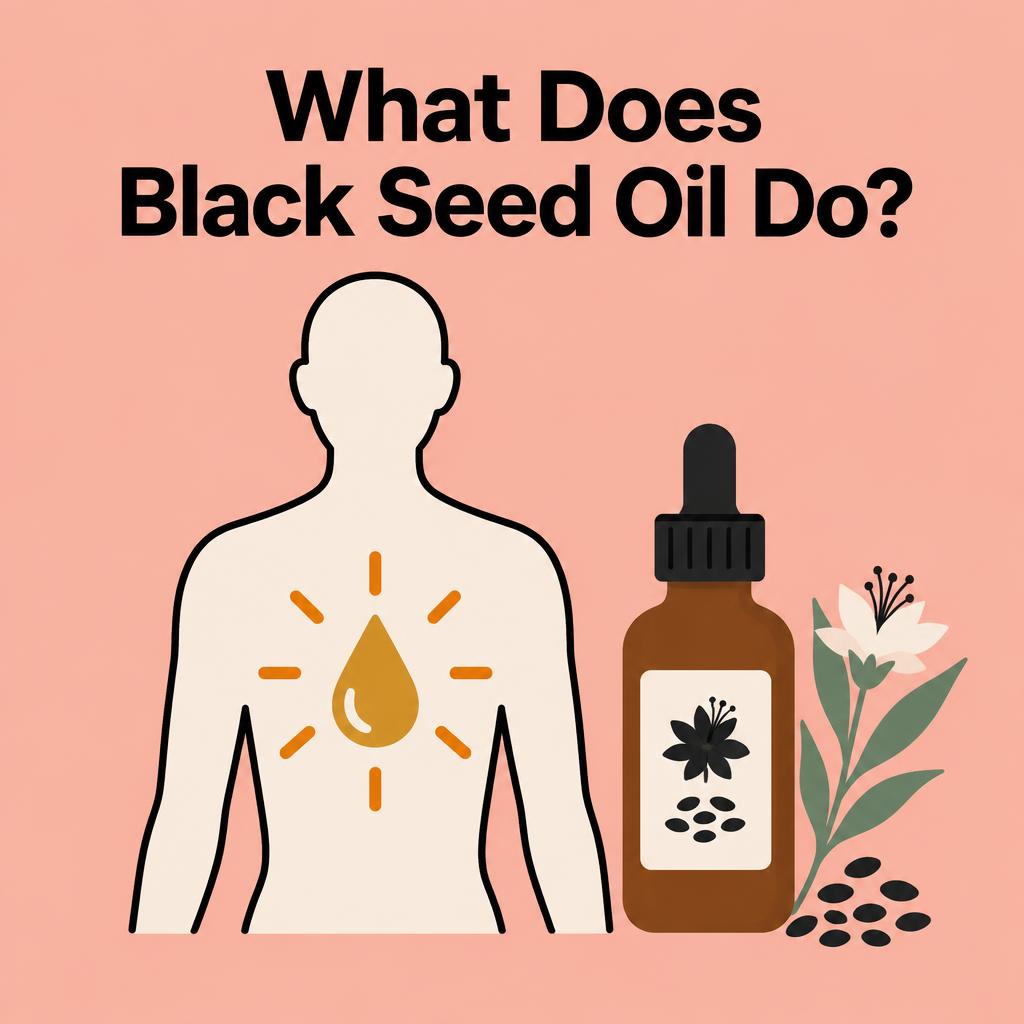
What Does Black Seed Oil Do? A Quick Answer
The quick answer: black seed oil supplies thymoquinone and healthy fatty acids that support metabolic and antioxidant health.
Key takeaways
- Black seed oil supplies thymoquinone, an antioxidant compound.
- Human trials link it to favourable blood sugar and cholesterol changes.
- It works as daily supportive nutrition over weeks.
Here is the quick answer, with the detail below if you want it.
The quick answer
Black seed oil supplies your body with thymoquinone and healthy fatty acids. These compounds show antioxidant and anti-inflammatory activity, and human trials link the oil to favourable changes in blood sugar, cholesterol and some inflammation markers.[1][2]
How it does it
Thymoquinone helps the body manage oxidative stress, while the oil's fatty acids, including linoleic acid, contribute to normal cell function.[2]
What it does not do
It does not treat or cure disease, and it does not work overnight. Research involves daily use over eight to twelve weeks.[1]
How to use it
Take the label serving with food each day, and ask a GP or pharmacist first if you take medicines or are pregnant.[3]
Antidote Supplements
Antidote Supplements Ethiopian Black Seed Oil comes as 50 mL liquid drops; follow the label directions.
The bottom line
Black seed oil supplies antioxidant compounds that support metabolic health. Take it daily with food and give it several weeks.
Medical reviewer
Dr Usha Venkataraman
MBBS, FRACGP
Read this next
Nigella sativa
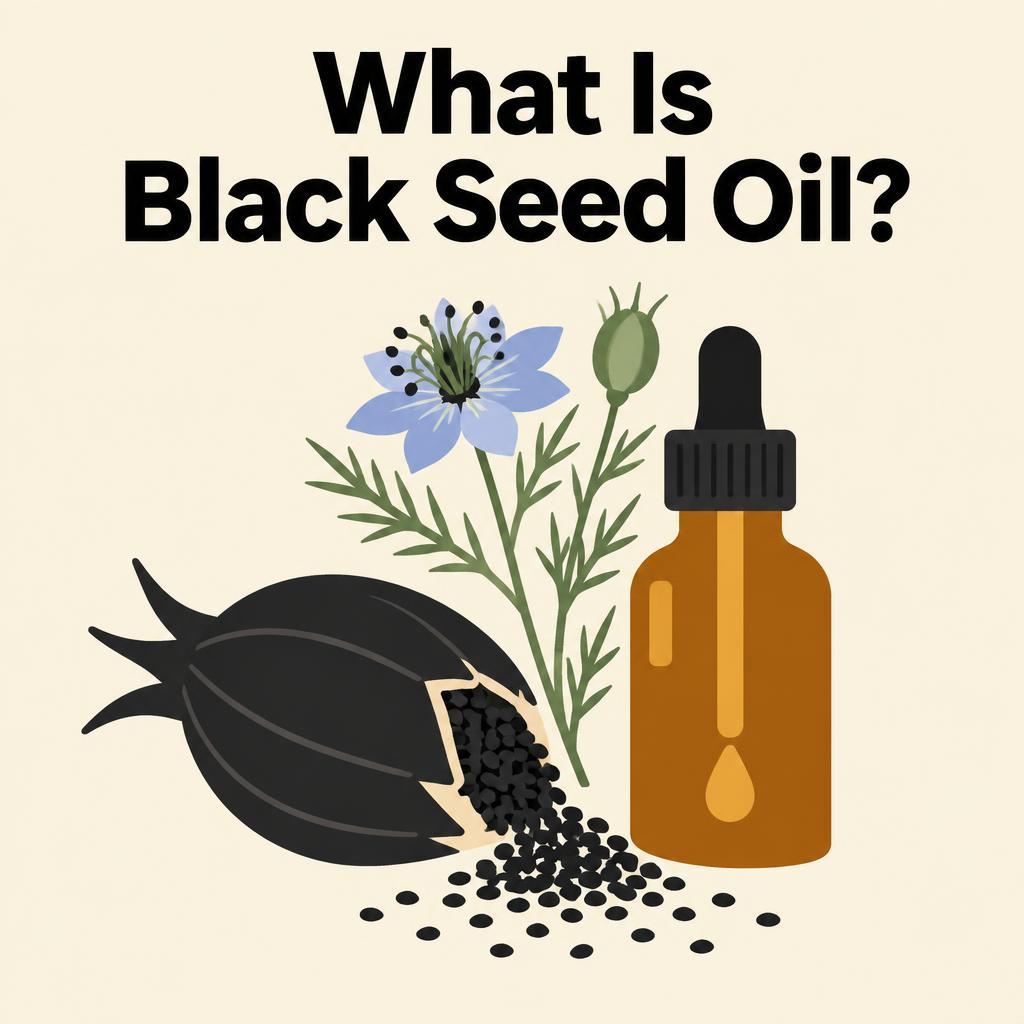
What Is Black Seed Oil? A Simple Explanation
Black seed oil is pressed from the seeds of the Nigella sativa plant. Here is the simple explanation, minus the jargon.
Nigella sativa
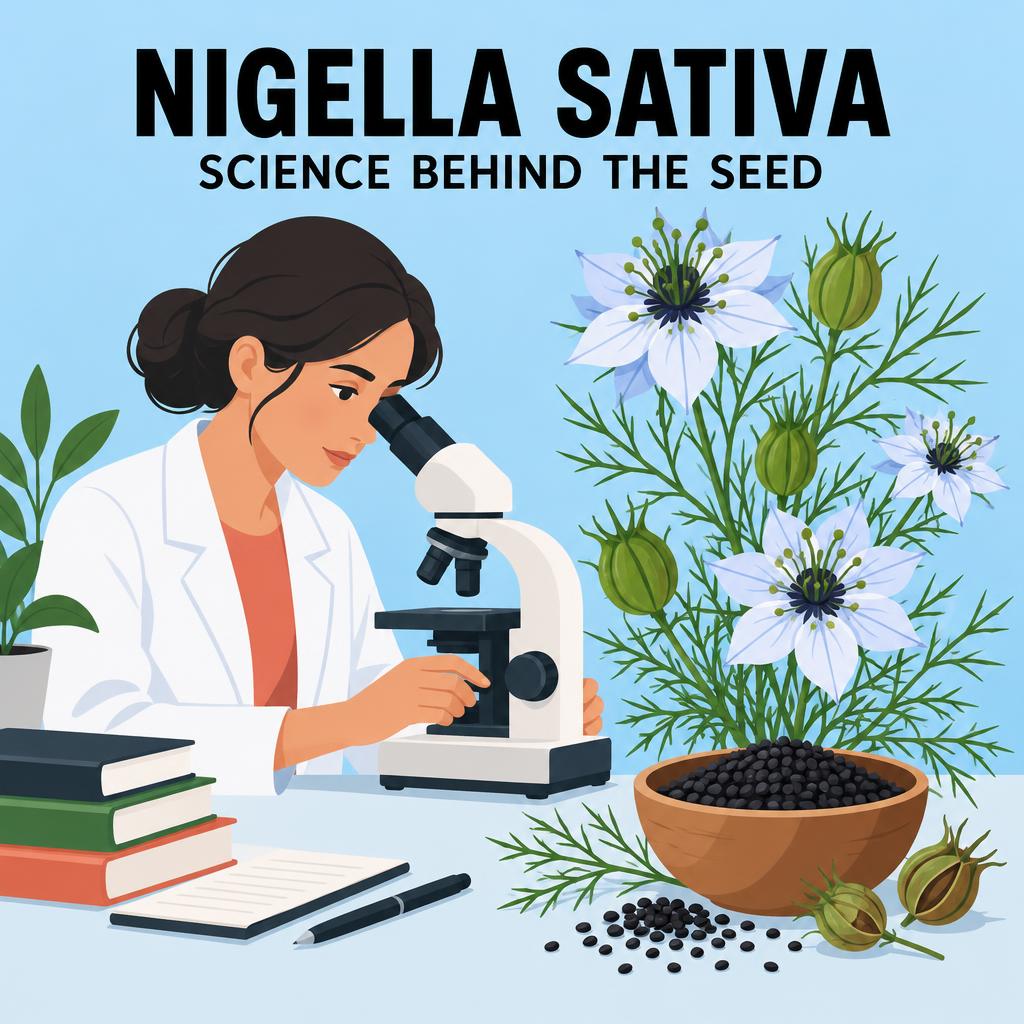
Black Seed Oil (Nigella Sativa): The Science Behind the Seed, Australian Guide
Understand how laboratory studies, human trials and systematic reviews contribute to the evidence for Nigella sativa.
Black Seed Oil
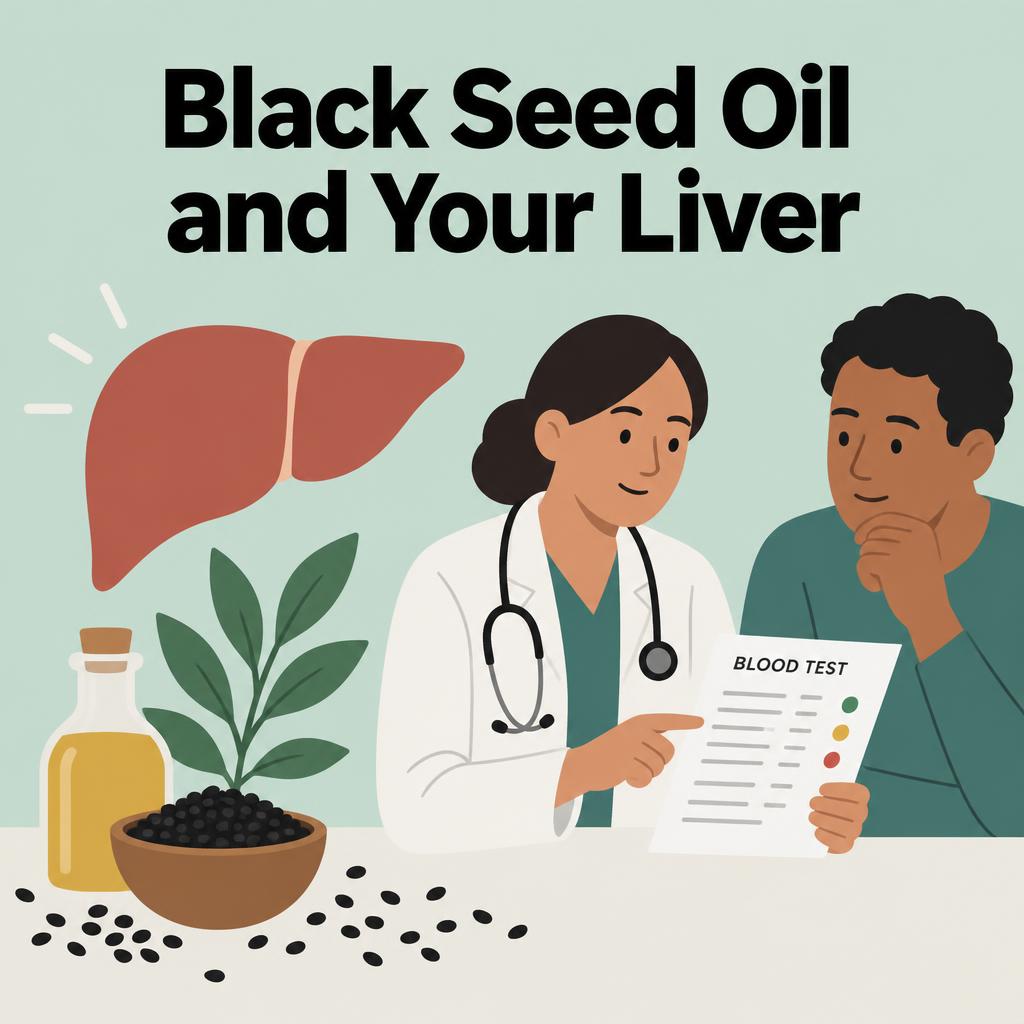
Is Black Seed Oil Bad for Your Liver? An Australian Evidence Guide
What studies report about Nigella sativa and liver measures, and who should check with a doctor before using black seed oil.
Black Seed Oil
Is Black Seed Oil Good for Testosterone? What Australian Men Should Know
Animal studies and a small fertility trial have sparked interest, but testosterone claims need careful reading. Here is the evidence.
Thymoquinone
What Is in Black Seed Oil? Thymoquinone and Other Compounds Explained
Black seed oil combines fatty acids with active compounds such as thymoquinone. Here is a clear guide to what is inside and how labels describe it.
Black Seed Oil
Does Black Seed Oil Kill Parasites? What the Research Says in Australia
Traditional use and a few early studies have fuelled interest in Nigella sativa for parasites. Here is what the evidence covers and when to see a GP.
Sources
- Li Z, et al. Nigella sativa and health outcomes: An overview of systematic reviews and meta-analyses. Frontiers in Nutrition. 2023;10:1107750.
- Ahmad A, et al. A review on therapeutic potential of Nigella sativa: A miracle herb. Asian Pacific Journal of Tropical Biomedicine. 2013;3(5):337–352.
- National Center for Complementary and Integrative Health. Using Dietary Supplements Wisely.
