Australia
What Is Black Seed Oil? A Simple Explanation
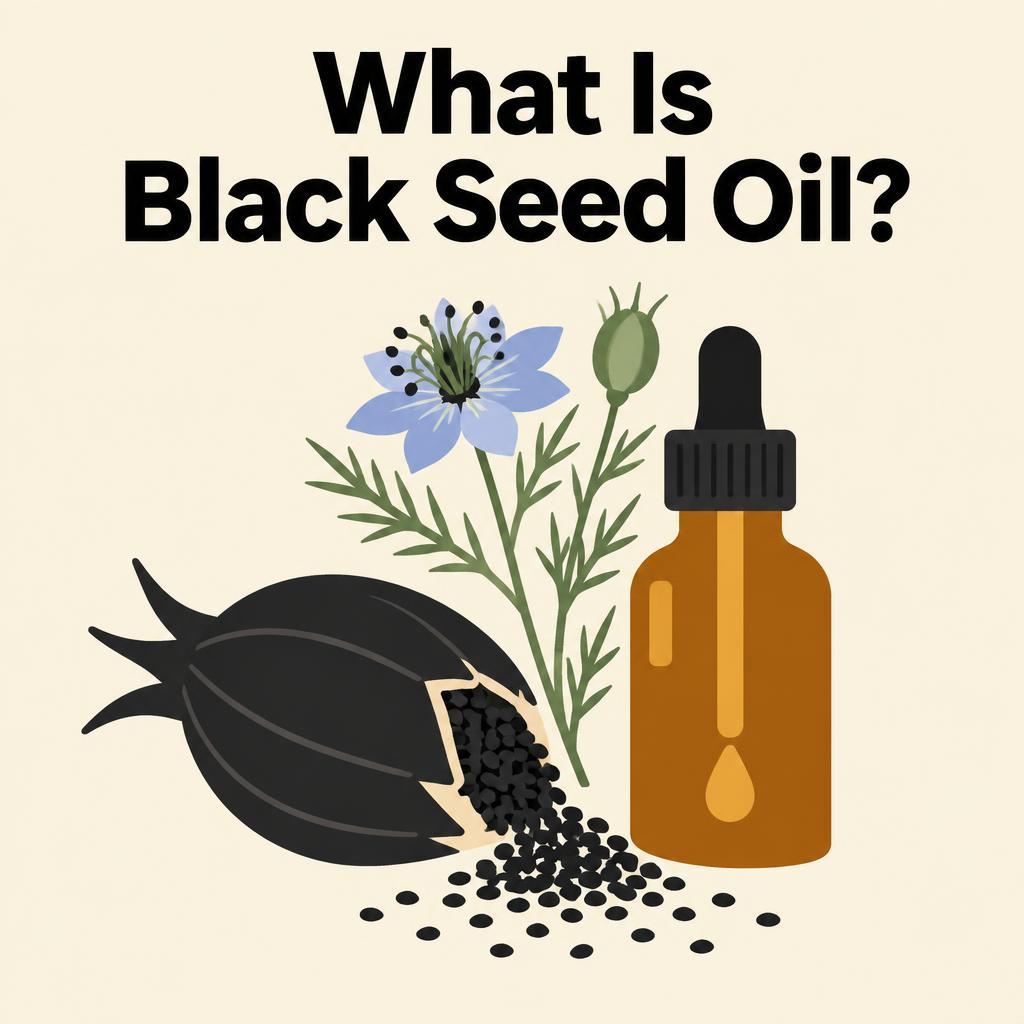
Black seed oil is pressed from the seeds of the Nigella sativa plant. Here is the simple explanation, minus the jargon.
Key takeaways
- Black seed oil comes from the seeds of Nigella sativa, a flowering plant.
- Its best-studied compound is thymoquinone.
- It is taken as a daily supplement, usually as drops or softgels.
Black seed oil is exactly what it sounds like: oil pressed from small black seeds. Here is the simple version.
The plant
Nigella sativa is a flowering plant grown across North Africa, the Middle East and South Asia. Its seeds, sometimes called kalonji or black cumin, have been used in traditional wellness practices for centuries.[1]
The oil
The seeds are pressed, often cold pressed, to release a dark, aromatic oil. It contains fatty acids such as linoleic acid, plus thymoquinone, the compound researchers study most.[1][2]
Why people take it
Reviews of human trials link Nigella sativa to favourable changes in blood sugar, cholesterol and some inflammation markers.[2] Many people also take it simply as a daily antioxidant supplement.
How it is sold in Australia
You will find it as liquid drops and as softgels. Listed complementary medicines carry an AUST L number on the label.[3]
Antidote Supplements
Antidote Supplements Ethiopian Black Seed Oil comes as 50 mL liquid drops; follow the label directions. It is pressed from Ethiopian Nigella sativa seeds.
The bottom line
Black seed oil is pressed from Nigella sativa seeds and is rich in thymoquinone. People take it daily for metabolic and antioxidant support.
Medical reviewer
Dr Bruce (Hongwei) Wu
MBBS, FRACGP
Read this next
Nigella sativa
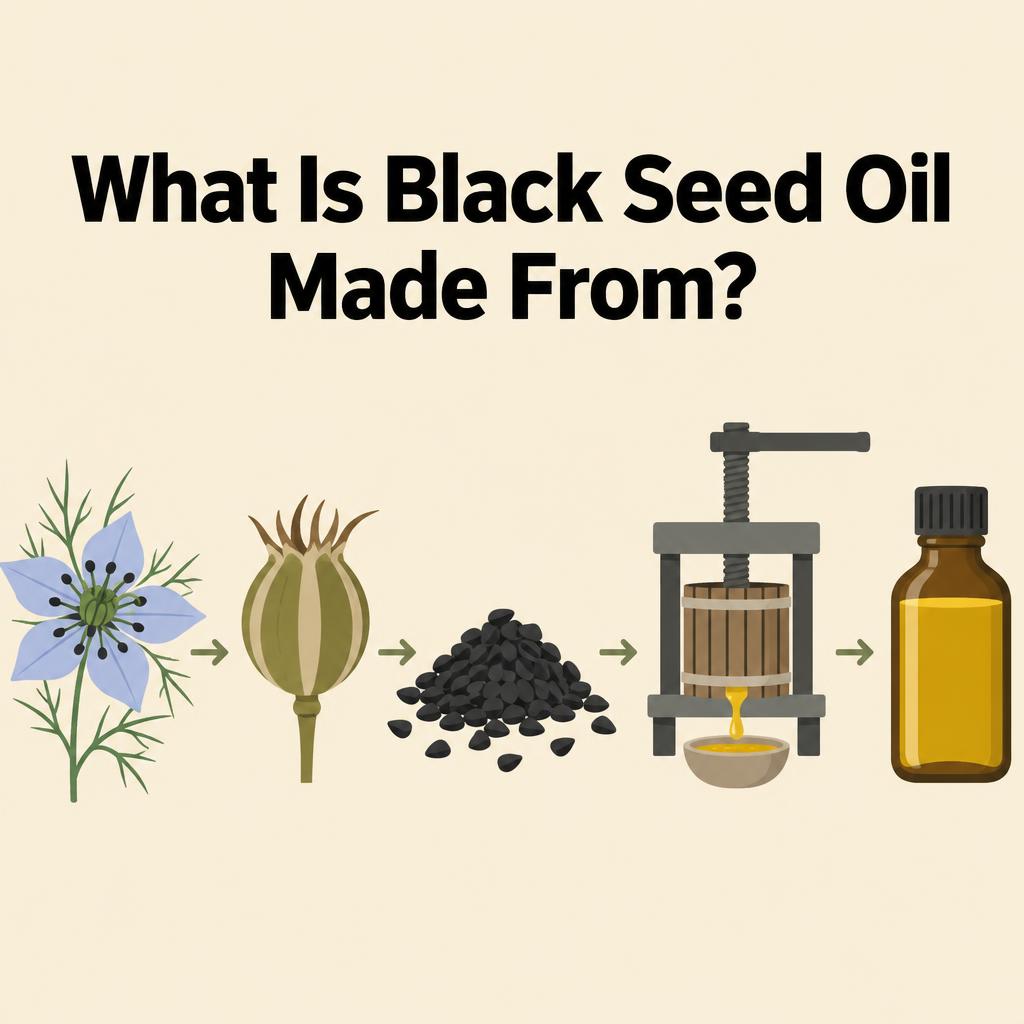
What Is Black Seed Oil Made From? From Flower to Bottle
Black seed oil is pressed from the tiny seeds of the Nigella sativa flower. Here is how the plant becomes the oil in your bottle.
Nigella sativa
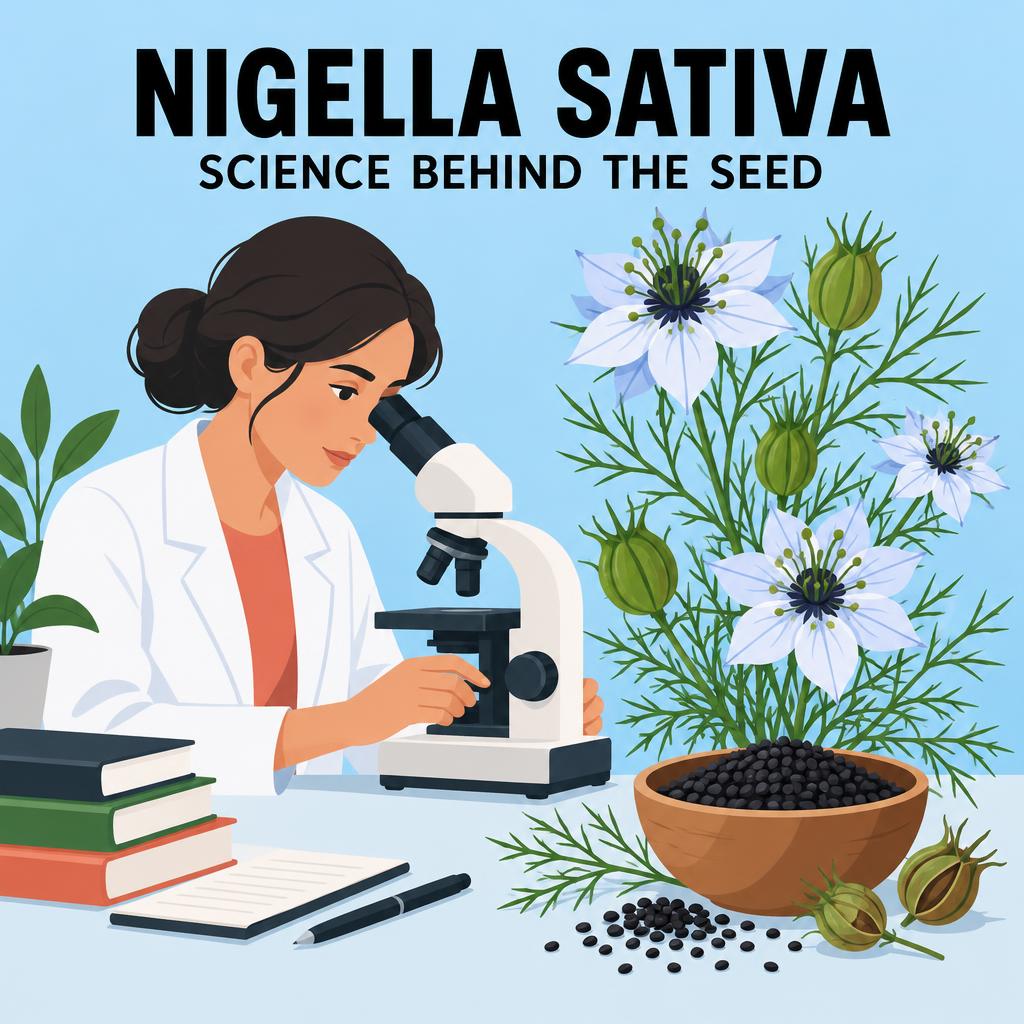
Black Seed Oil (Nigella Sativa): The Science Behind the Seed, Australian Guide
Understand how laboratory studies, human trials and systematic reviews contribute to the evidence for Nigella sativa.
Black Seed Oil
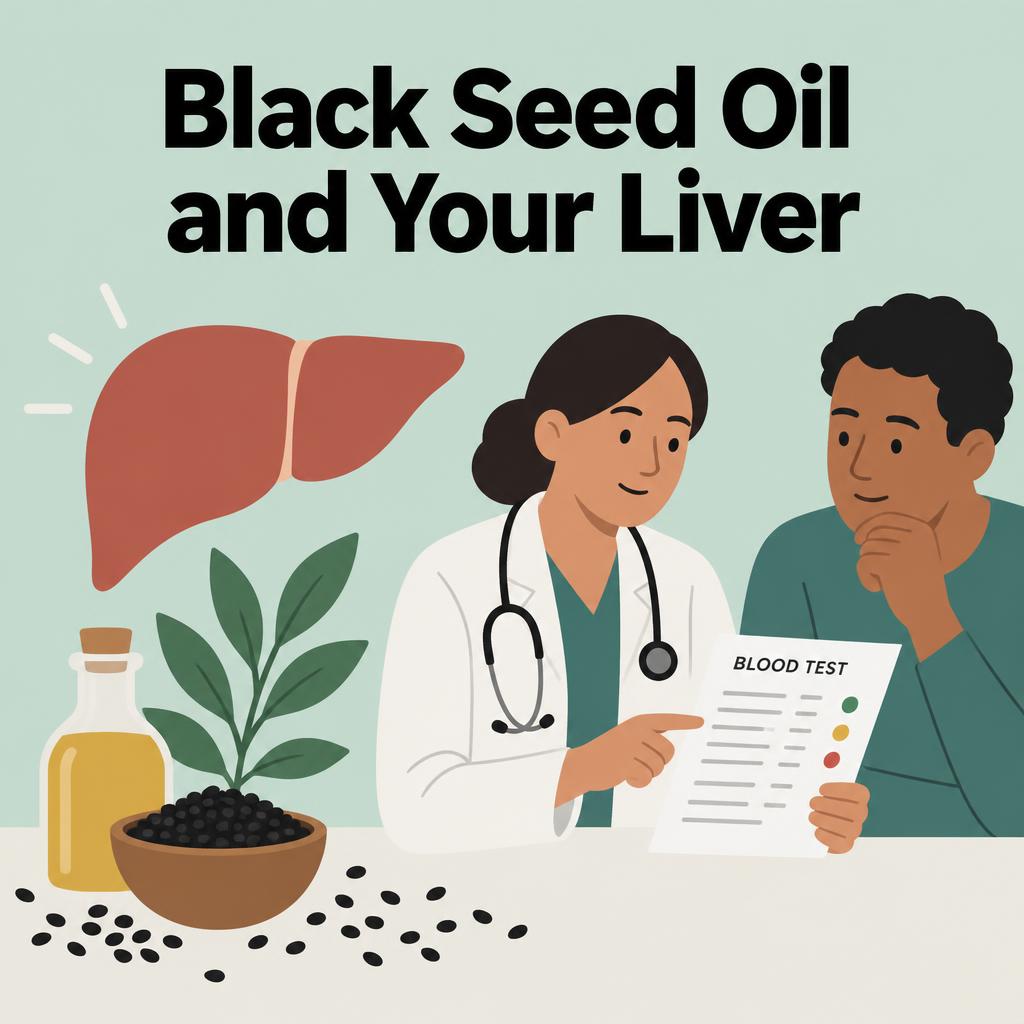
Is Black Seed Oil Bad for Your Liver? An Australian Evidence Guide
What studies report about Nigella sativa and liver measures, and who should check with a doctor before using black seed oil.
Black Seed Oil
Is Black Seed Oil Good for Testosterone? What Australian Men Should Know
Animal studies and a small fertility trial have sparked interest, but testosterone claims need careful reading. Here is the evidence.
Thymoquinone
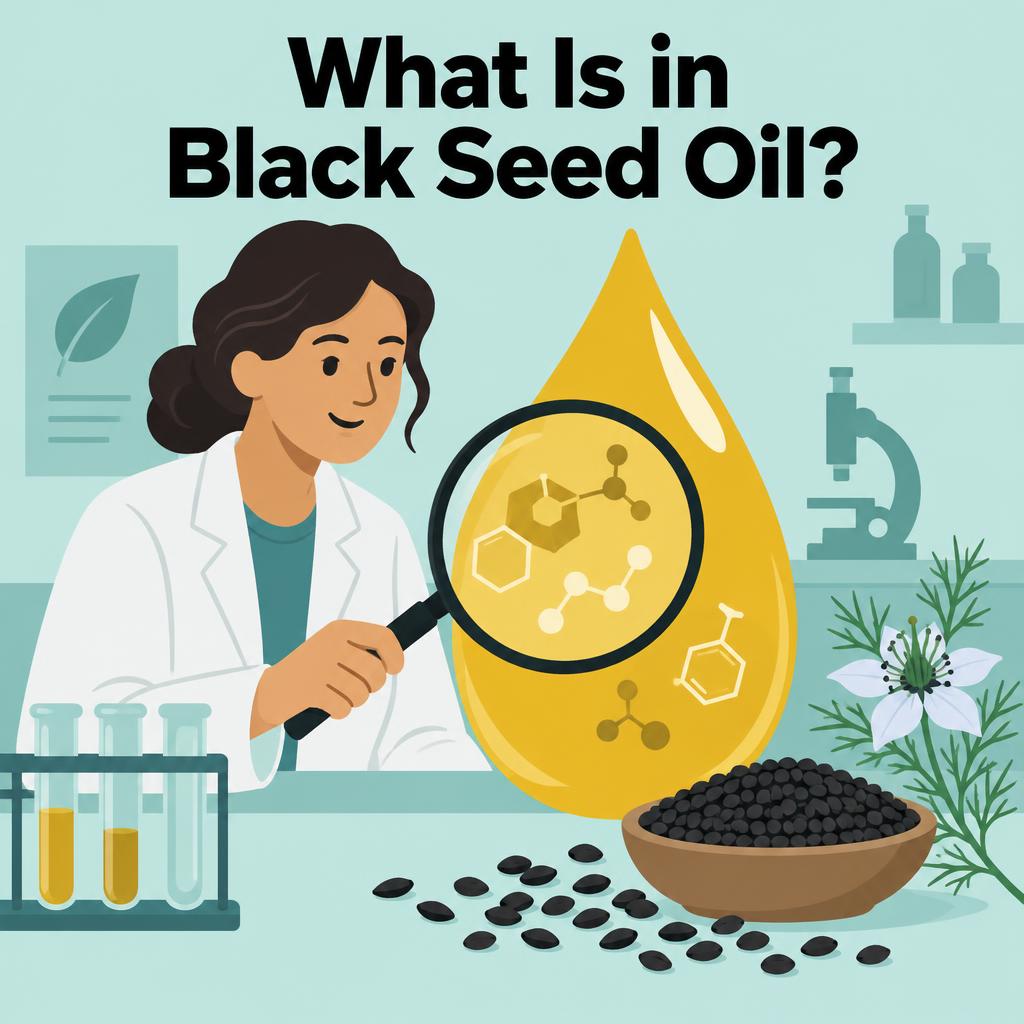
What Is in Black Seed Oil? Thymoquinone and Other Compounds Explained
Black seed oil combines fatty acids with active compounds such as thymoquinone. Here is a clear guide to what is inside and how labels describe it.
Black Seed Oil
Does Black Seed Oil Kill Parasites? What the Research Says in Australia
Traditional use and a few early studies have fuelled interest in Nigella sativa for parasites. Here is what the evidence covers and when to see a GP.
Sources
- Ahmad A, et al. A review on therapeutic potential of Nigella sativa: A miracle herb. Asian Pacific Journal of Tropical Biomedicine. 2013;3(5):337–352.
- Li Z, et al. Nigella sativa and health outcomes: An overview of systematic reviews and meta-analyses. Frontiers in Nutrition. 2023;10:1107750.
- Therapeutic Goods Administration. Understanding listed and registered complementary medicine regulation.
