Black Seed Oil: Drops vs. Capsules vs. Lotion
Drops, capsules, and topical lotion all deliver black seed oil differently, and the right choice depends on your goal.
Key takeaways
- Liquid drops offer flexible dosing but have a strong, bitter taste.
- Capsules are convenient and mask the taste, but have a fixed dose per capsule.
- Lotion and topical formulations are meant for skin and hair, not internal use.
- Your choice should match your goal — internal supplementation vs. topical skin or hair care.
Black seed oil comes in several forms, and picking the right one depends on what you're trying to achieve — general supplementation, convenience, or skin and hair care.
Drops (liquid oil)
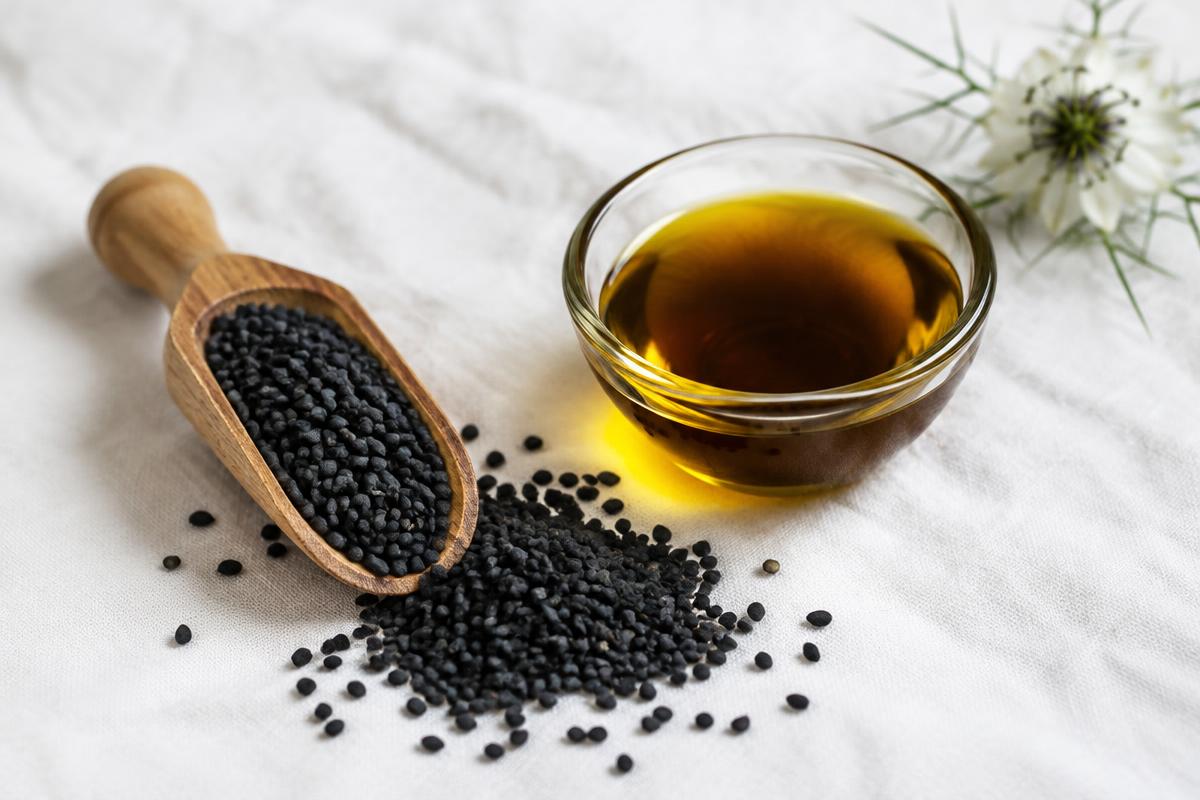
Liquid black seed oil, taken by the drop or teaspoon, allows flexible dosing — you can start small and adjust easily. The downside is its strong, peppery, slightly bitter taste, which some people find difficult. Many people mix it with honey or food; see our guide on black seed oil with honey.
Capsules
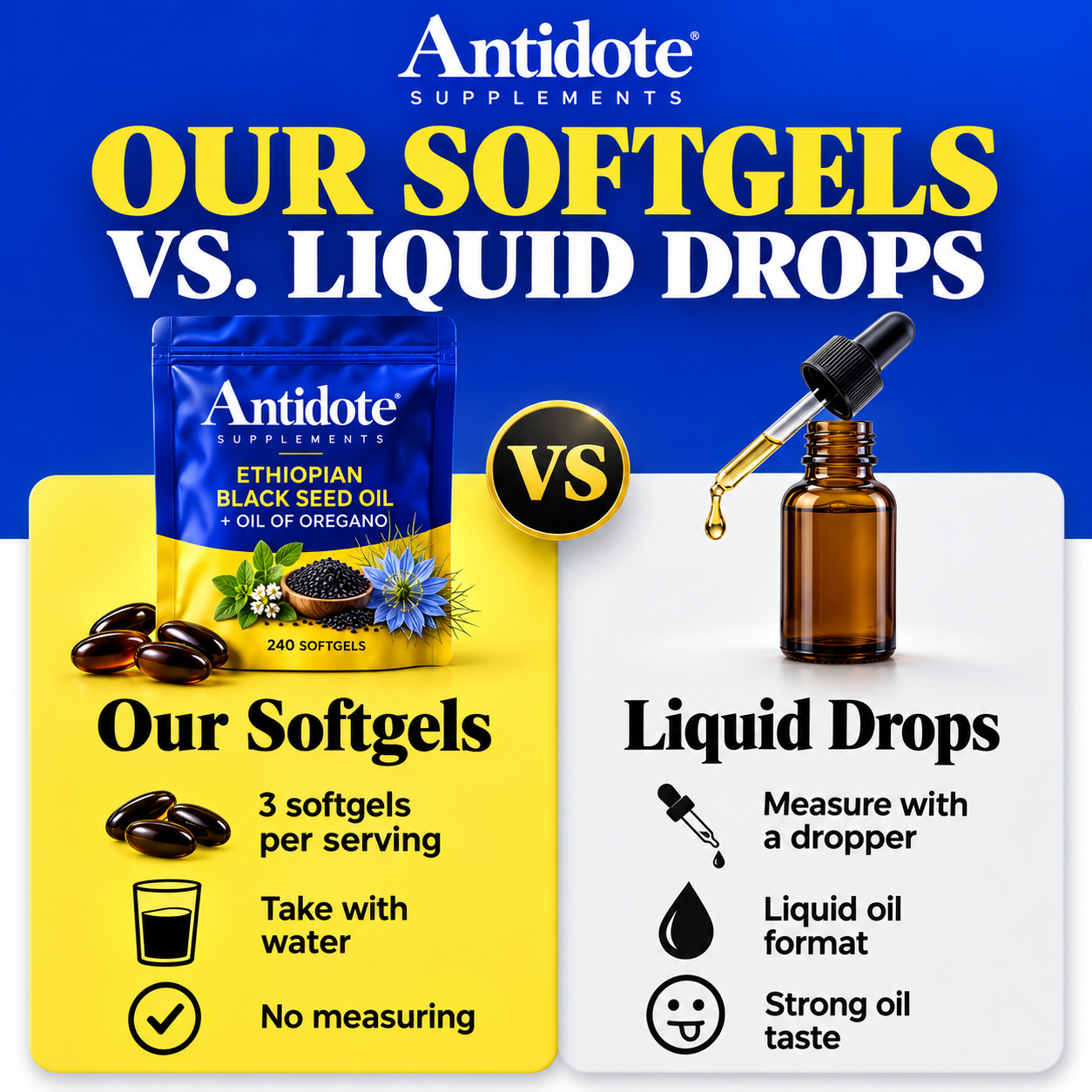
Capsules deliver a pre-measured dose without the taste, making them the more convenient option for daily use. The tradeoff is less flexibility — you're limited to multiples of the capsule's fixed dose, and capsules may cost more per milliliter of oil than liquid.
Lotion and topical formulations
Black seed oil lotions, creams, and topical oils are designed for use on skin or hair, not for swallowing. These products are often diluted or blended with other oils and are used for conditions like dry skin, eczema, or as part of a hair care routine.
Comparing the three
| Drops | Capsules | Lotion | |
|---|---|---|---|
| Taste | Strong, bitter | Minimal | N/A (topical) |
| Dosing flexibility | High | Fixed per capsule | N/A |
| Best for | Custom internal dosing | Daily convenience | Skin & hair care |
| Portability | Moderate | High | High |
Which should you choose?
If your goal is general internal supplementation and you don't mind the taste, drops offer the most flexibility. If convenience and taste-masking matter more, capsules are the easier daily habit. If your focus is skin or hair, a topical lotion or oil is the appropriate form — don't substitute a capsule or drops meant for internal use on skin without checking the product is suitable.
When to see a doctor
Black seed oil and oregano oil are not a substitute for diagnosis or prescribed treatment. See a healthcare professional if symptoms are severe, getting worse or not improving.
Frequently asked questions
Are black seed oil drops stronger than capsules?
Not necessarily — it depends on the concentration and dose. Check the label for milligrams or milliliters of oil per serving.
Can I use internal black seed oil as a lotion?
Pure culinary or supplement-grade oil can sometimes be used topically in small amounts, but dedicated topical formulations are generally better suited and tested for skin use.
Which form absorbs best?
There isn't strong comparative research on absorption differences between drops and capsules for black seed oil specifically.
The bottom line
There's no universally 'best' form of black seed oil — drops offer flexibility, capsules offer convenience, and lotions are made specifically for topical use. Choose based on your goal and how the taste affects your routine.
Read this next
Dosage & Timing
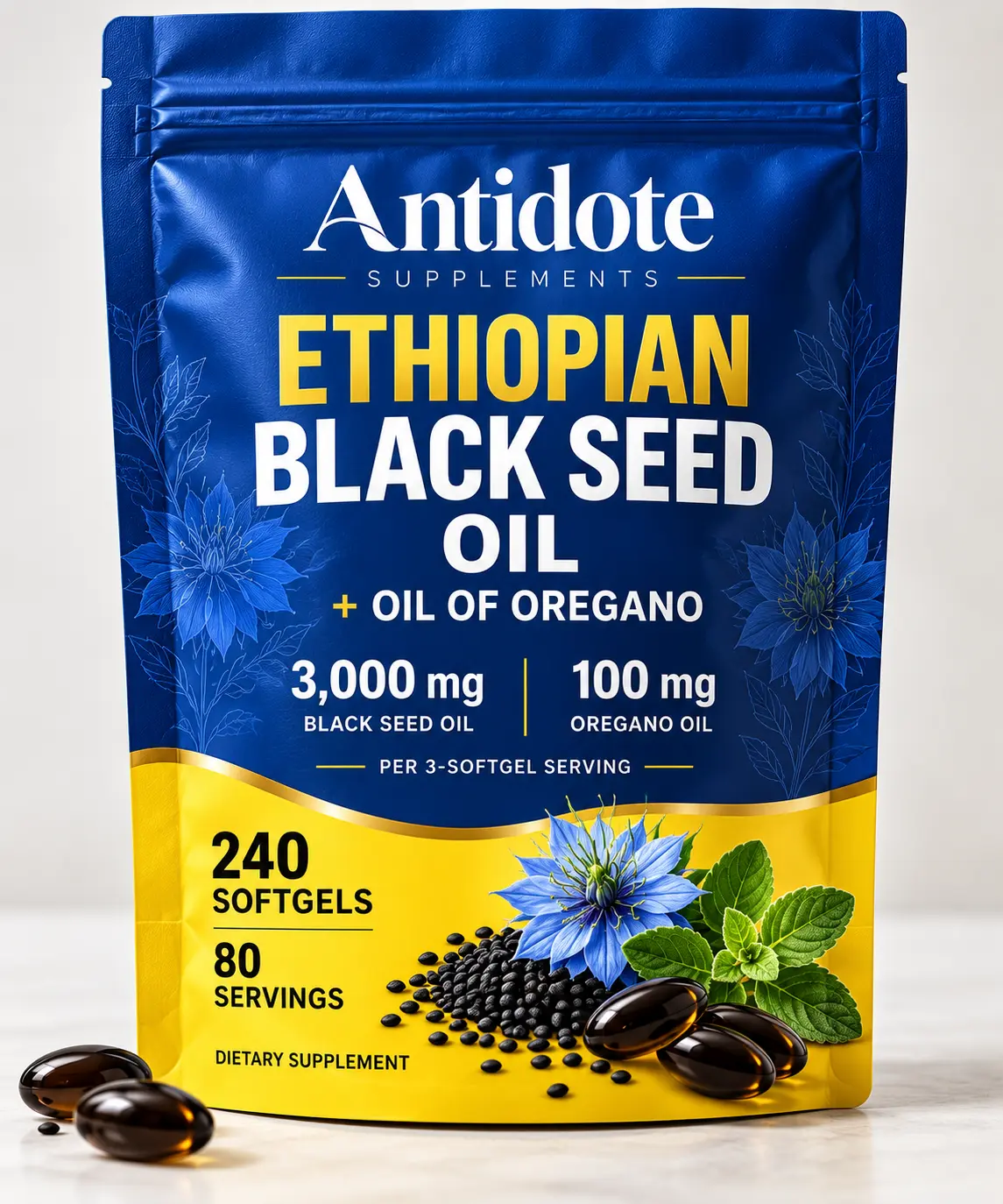
How Much Black Seed Oil to Take Daily
Doses used in studies, translated into teaspoons and capsules.
Black Seed Oil
Black Seed Oil for Hair: Benefits and How to Use It
A simple scalp routine, realistic results and how it compares with hair vitamins.
Black Seed Oil
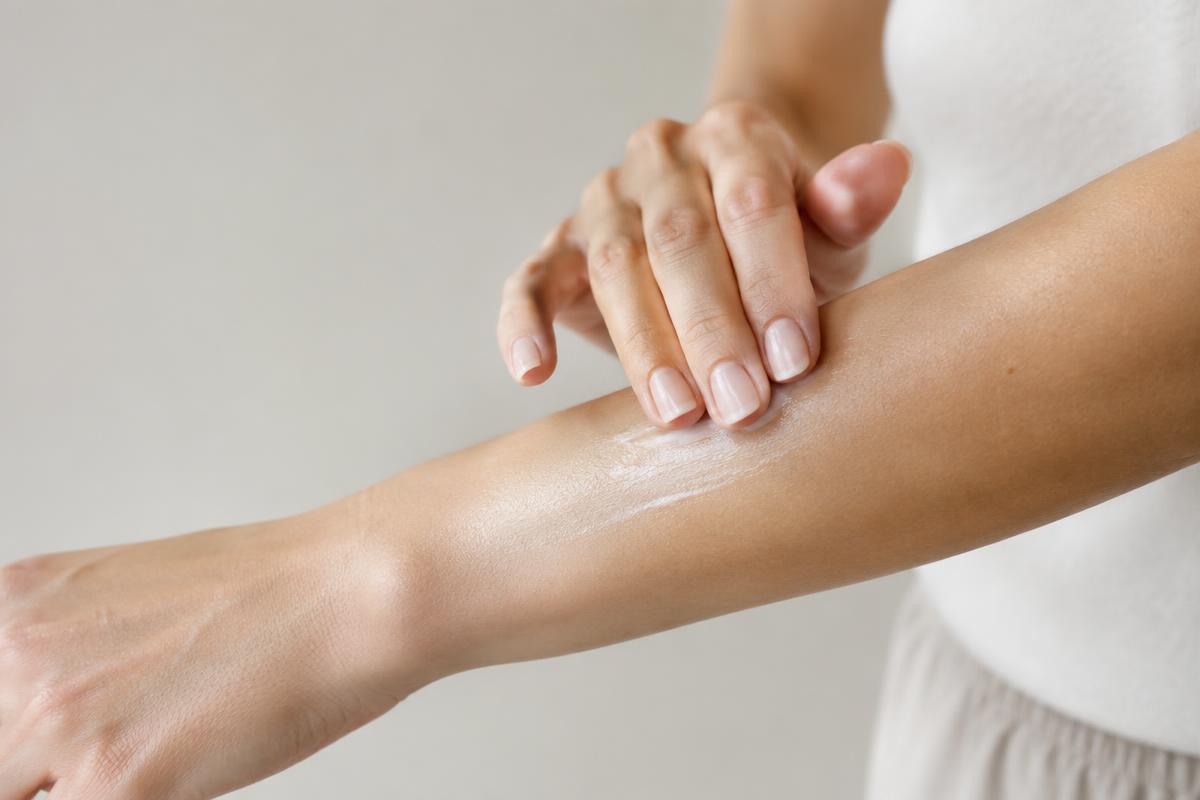
Black Seed Oil for Skin: Benefits and How to Use It
Eczema, acne, dry skin and wound care — what Nigella oil may do for skin.
Black Seed Oil
What Does Black Seed Oil Taste Like?
Bold, bitter and peppery — here's what to expect from black seed oil's taste, and how to skip it.
Black Seed Oil
Is Black Seed Oil a Binder? What the Term Actually Means
'Binder' is a wellness term, not a medical one. Here's where black seed oil and oregano oil fit.
Black Seed Oil
Black Seed Oil Benefits: What the Research Says
From skin health to blood sugar, here's what studies on black seed oil actually show.
Sources
- Ahmad A, Husain A, Mujeeb M, et al. A review on therapeutic potential of Nigella sativa: a miracle herb. Asian Pac J Trop Biomed. 2013;3(5):337-352.
- Tavakkoli A, Mahdian V, Razavi BM, Hosseinzadeh H. Review on clinical trials of black seed (Nigella sativa) and its active constituent, thymoquinone. J Pharmacopuncture. 2017;20(3):179-193.