Australia
Can You Use Black Seed Oil on Your Face Every Day? Australian Guide
Daily facial use depends on your skin type, your product label and how your skin responds over time. Here is how to decide.
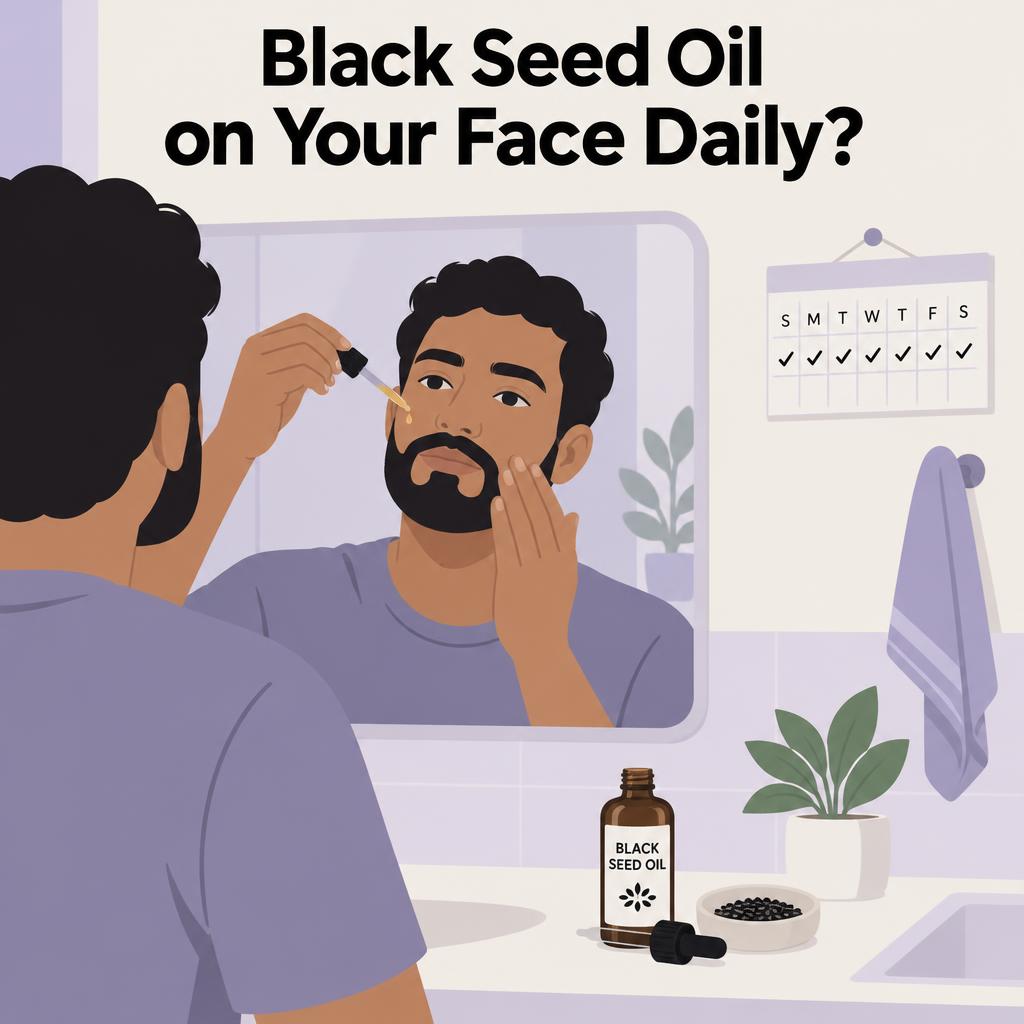
Key takeaways
- Many people with normal or dry skin enjoy daily facial oils.
- Oily or acne-prone skin may prefer fewer applications.
- Only use a product labelled for skin use, and patch test first.
Once a facial oil becomes part of your routine, it is natural to ask how often to use it. With black seed oil, your skin type and label are the best guides.
Start with your product label
Not every black seed oil is labelled for skin use. Use one whose directions include it, or ask a pharmacist before applying an oral product to your face.
Match frequency to skin type
- Dry skin: many people enjoy a few drops nightly.
- Normal skin: daily or every other day.
- Oily or acne-prone skin: try two or three times a week and watch for breakouts.
- Sensitive skin: patch test and introduce slowly.
What research says
Nigella sativa has been studied for antioxidant and anti-inflammatory activity, and allergic skin reactions have been reported.[1] A widely accepted comedogenic rating for black seed oil has not been established.
Signs to pause
Stop if you notice redness, itching, stinging or new breakouts. Ongoing skin conditions should be reviewed by a GP or dermatologist.
Sun care
A facial oil is not a sunscreen. In Australia's strong sun, keep using a broad-spectrum SPF 30 or higher during the day.
Antidote Supplements
Antidote Supplements Ethiopian Black Seed Oil comes as 50 mL liquid drops; follow the label directions. Antidote Supplements confirms delivery to Australia.
The bottom line
Daily facial use of black seed oil can suit normal or dry skin, while oily skin may prefer less often. Use a product labelled for skin, patch test and keep up your sunscreen.
Medical reviewer
Dr Monzer Adba
MBBS, FRACGP
Read this next
How to Use
How to Apply Black Seed Oil on Your Face: An Australian Skin Guide
Why people add black seed oil to skincare, how to patch test first and when to speak with a GP or dermatologist.
How to Use
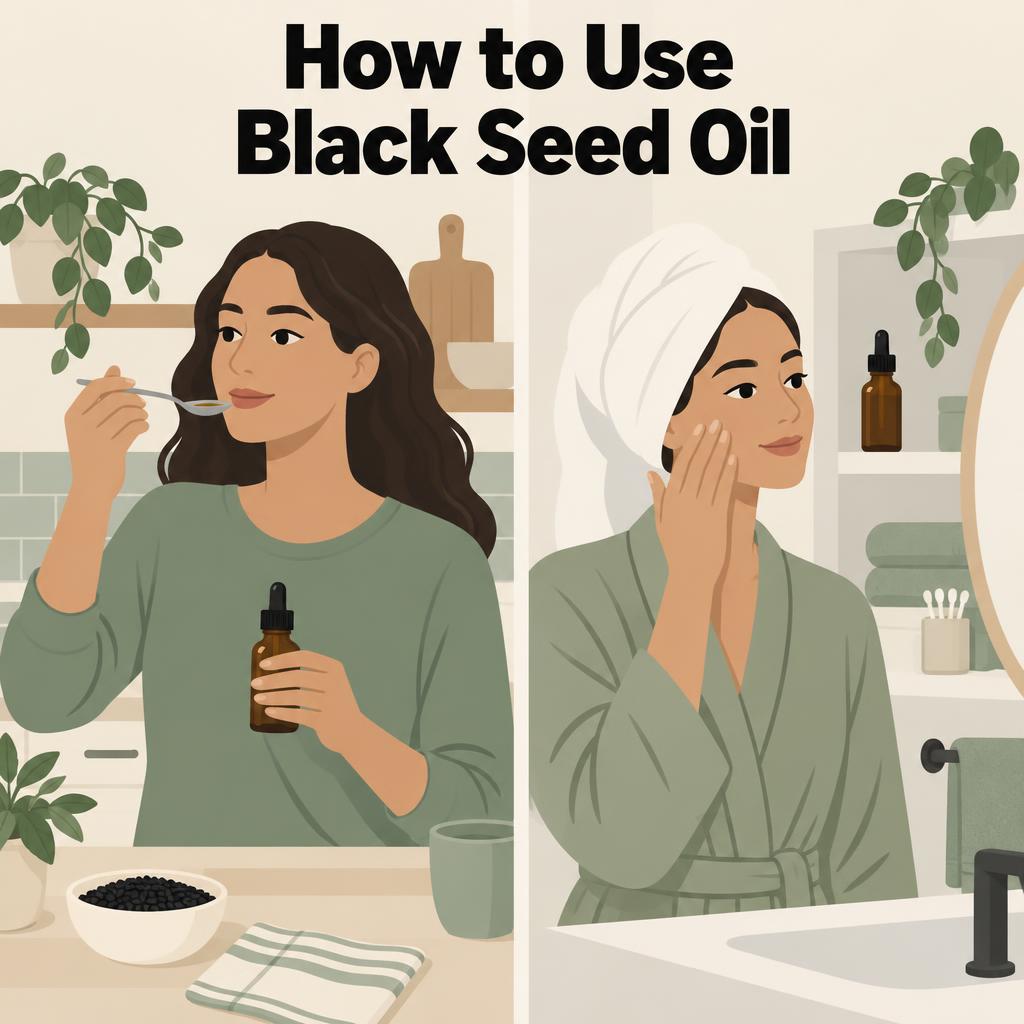
How to Use Black Seed Oil (Inside and Out): An Australian Guide
From a daily spoonful to skincare, here is how people use black seed oil and how to match each use to your product label.
Black Seed Oil
Black Seed Oil: Benefits, Uses and Side Effects (Complete Guide for Australia)
A practical Australian guide to Nigella sativa, the research behind its benefits, and how to compare liquid oils with softgels.
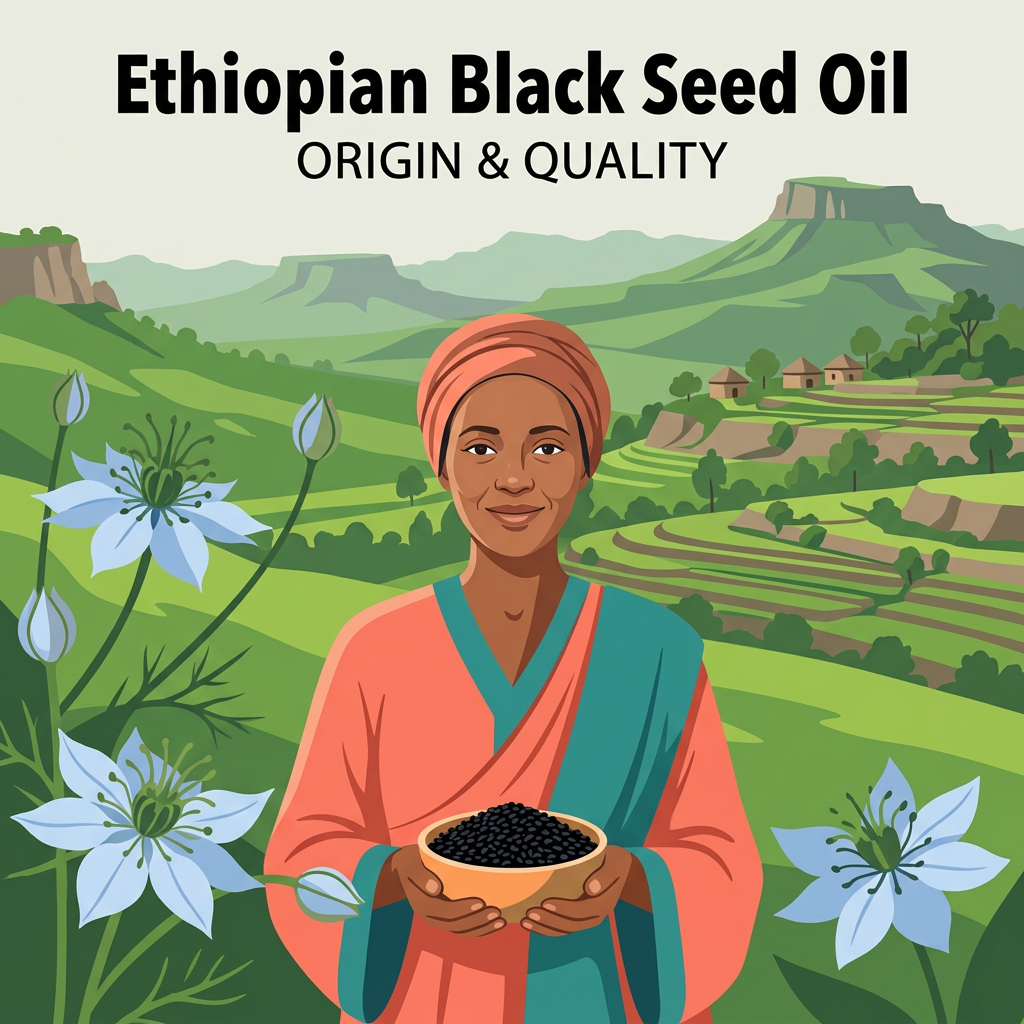
Ethiopian Black Seed Oil
Ethiopian Black Seed Oil: What Makes It Different? Australian Guide
Explore Ethiopian origin, thymoquinone label claims and the differences between standalone liquid and combination softgels.
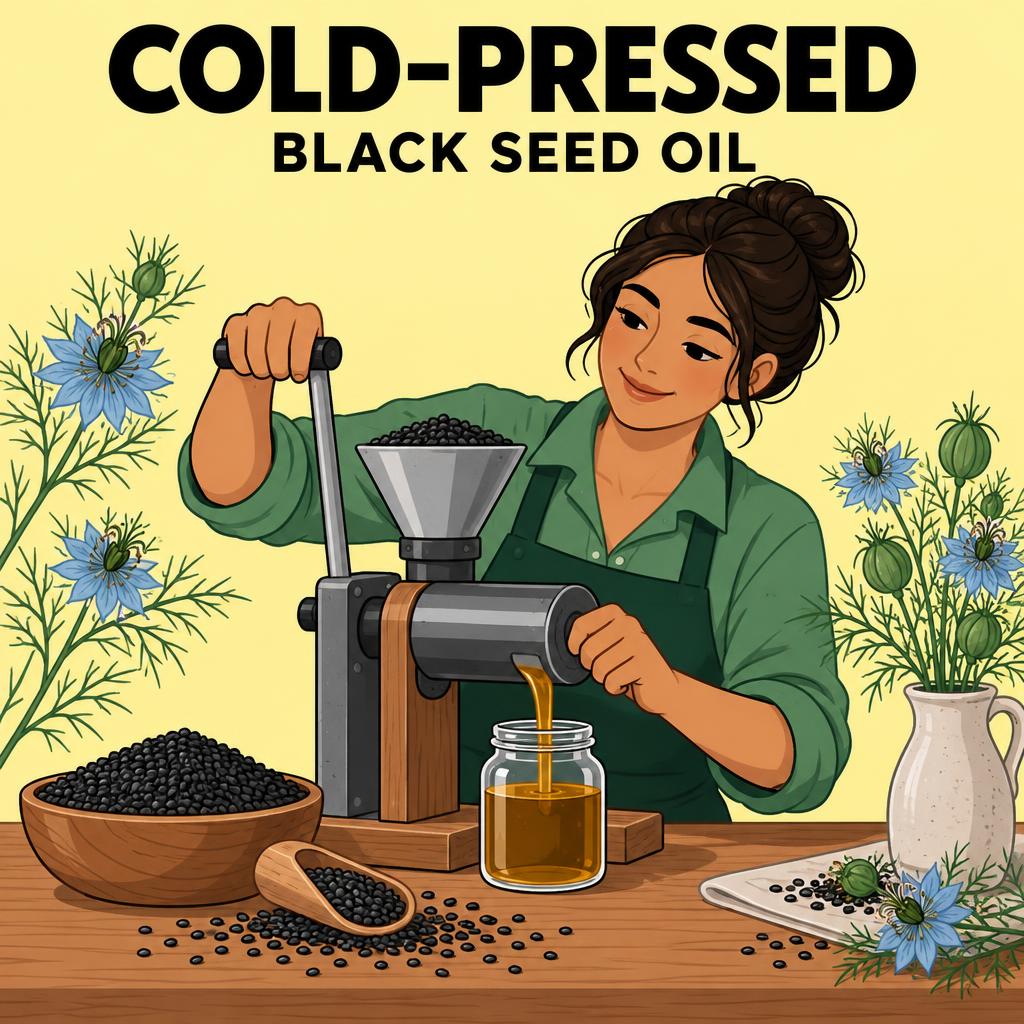
Black Seed Oil
Cold-Pressed Black Seed Oil: Why the Extraction Method Matters in Australia
Understand mechanical pressing, heat and processing claims, plus the batch information that matters more than a cold-pressed label alone.

Black Seed Oil
Black Sesame Seed Oil vs Black Seed Oil: What's the Difference? Australian Guide
Black sesame and Nigella sativa are different plants. Compare their names, food uses and product labels before choosing an oil.
