Australia
Cold-Pressed Black Seed Oil: Why the Extraction Method Matters in Australia
Understand mechanical pressing, heat and processing claims, plus the batch information that matters more than a cold-pressed label alone.
Key takeaways
- Cold-pressed describes processing rather than a proven health advantage.
- Pressing, filtration and storage can all influence a finished oil.
- Ask for product-specific information instead of inferring purity or potency from one label term.
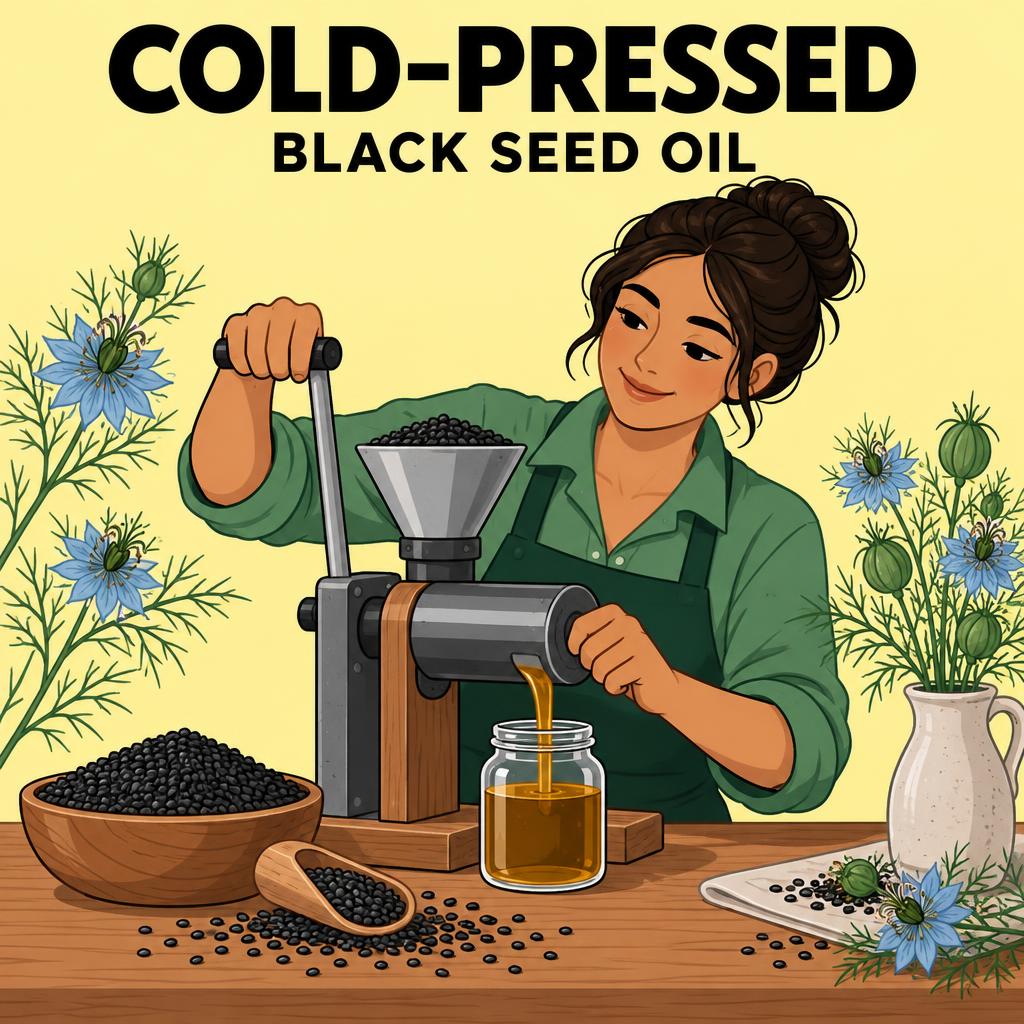
Cold-pressed black seed oil appeals to people who want to understand how a botanical oil is made. The term points to mechanical extraction, a useful part of a product's story when the seller explains the process clearly.
It is one quality detail, not a complete quality verdict. This guide looks specifically at processing, rather than repeating the broader Australian buying checklist. The important question is what the extraction claim tells you, and what it leaves unanswered.
What does cold-pressed mean?
Mechanical pressing squeezes oil from seeds. A seller using the term cold-pressed should be able to explain the conditions used for its ingredient. Friction can generate heat during pressing, so the wording does not mean the seeds never experienced a temperature change.
Ask whether there was added heating, how processing temperatures were monitored and whether the oil underwent further treatment. Different producers may use the same front-label term for processes that are not identical.
How does pressing differ from other extraction methods?
Seed oils can be extracted through pressing or other techniques, including solvent-based methods. A review of extraction methods describes trade-offs involving recovery, processing conditions, composition and environmental or economic factors.[1] Those general comparisons do not establish the clinical superiority of a particular retail black seed oil.
Avoid assuming that every solvent-extracted oil contains unsafe residues or that every mechanically pressed oil is contaminant-free. Those are testing questions for the actual finished product, not conclusions supplied by the extraction name.
Does cold pressing guarantee more thymoquinone?
No single processing term tells you the thymoquinone concentration in a bottle. Seed characteristics, extraction conditions and later handling can influence composition. If a seller makes a specific TQ claim, ask what material was tested, by which method and for which batch.
Antidote Supplements' supplied label uses up to 4.64% naturally occurring TQ. Keep the words up to. Do not turn that claim into an exact batch concentration or infer that all cold-pressed oils contain the same amount.
Filtration, colour and freshness are separate questions
Filtration and refining are additional processing details. Ask the seller whether these were used if they matter to your purchase. A dark colour, cloudiness or strong flavour is not a reliable substitute for ingredient identification or laboratory testing.
Expiry, packaging and storage also matter after extraction. Follow the bottle's directions for temperature, light exposure and use after opening. There is no universal shelf life established simply by calling an oil cold-pressed.
Five useful questions for a supplier
- Does cold-pressed describe this actual ingredient and batch?
- What pressing conditions and later processing were used?
- Does any test report identify the batch and testing method?
- Which claims were assessed: composition, contamination or both?
- What storage and after-opening directions apply to the finished bottle?
A certificate covering one measurement should not be read as proof of every other claim. Clear answers are more useful than a general promise that an oil is premium or pure.
Keep processing claims separate from health claims
Human Nigella sativa research includes promising results, but a 2023 overview found mostly low or very low certainty across assessed outcomes.[2] It does not prove that a cold-pressed product prevents or treats illness, or that an extraction method explains every study result.
If you take medicines or want to use an oil for persistent symptoms, discuss the actual formulation with a pharmacist or doctor. Research on one preparation is not an instruction to choose a stronger serving of another.
How this applies to an Australian purchase
Antidote Supplements offers a standalone 50 mL Ethiopian Black Seed Oil liquid and confirms Australian delivery. Check the current product specification for processing details rather than treating an illustration as proof of its manufacturing method. We do not verify a specific extraction temperature or Australian medicine registration here.
The brand's separate softgels also contain oregano extract. If your goal is a standalone oil, check the ingredient list rather than choosing by capsule appearance or a processing slogan.
The bottom line
Cold-pressed is a useful processing description when supported by specific information. It does not guarantee a TQ concentration, purity result or health advantage. Pair the claim with batch details, clear storage directions and the right formulation for your needs.
Medical reviewer
Dr Nisar Hussain
MBBS, DTCD, FRACGP
Read this next
Buying Guides
Black Seed Oil in Australia: How to Choose a Good One
Compare purity, batch information, serving size and delivered value when shopping for standalone black seed oil in Australia.
Ethiopian Black Seed Oil
Ethiopian Black Seed Oil: What Makes It Different? Australian Guide
Explore Ethiopian origin, thymoquinone label claims and the differences between standalone liquid and combination softgels.
Black Seed Oil
Black Seed Oil: Benefits, Uses and Side Effects (Complete Guide for Australia)
A practical Australian guide to Nigella sativa, the research behind its benefits, and how to compare liquid oils with softgels.
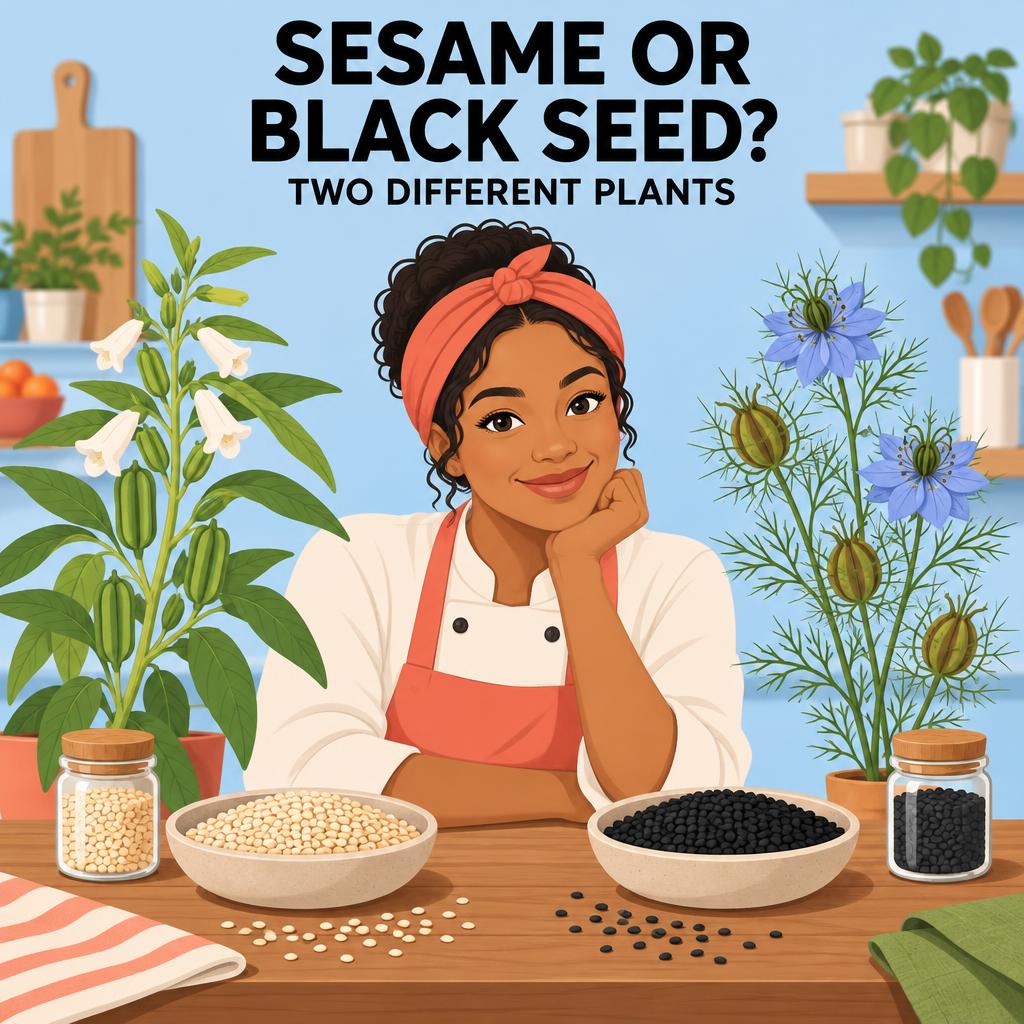
Black Seed Oil
Black Sesame Seed Oil vs Black Seed Oil: What's the Difference? Australian Guide
Black sesame and Nigella sativa are different plants. Compare their names, food uses and product labels before choosing an oil.
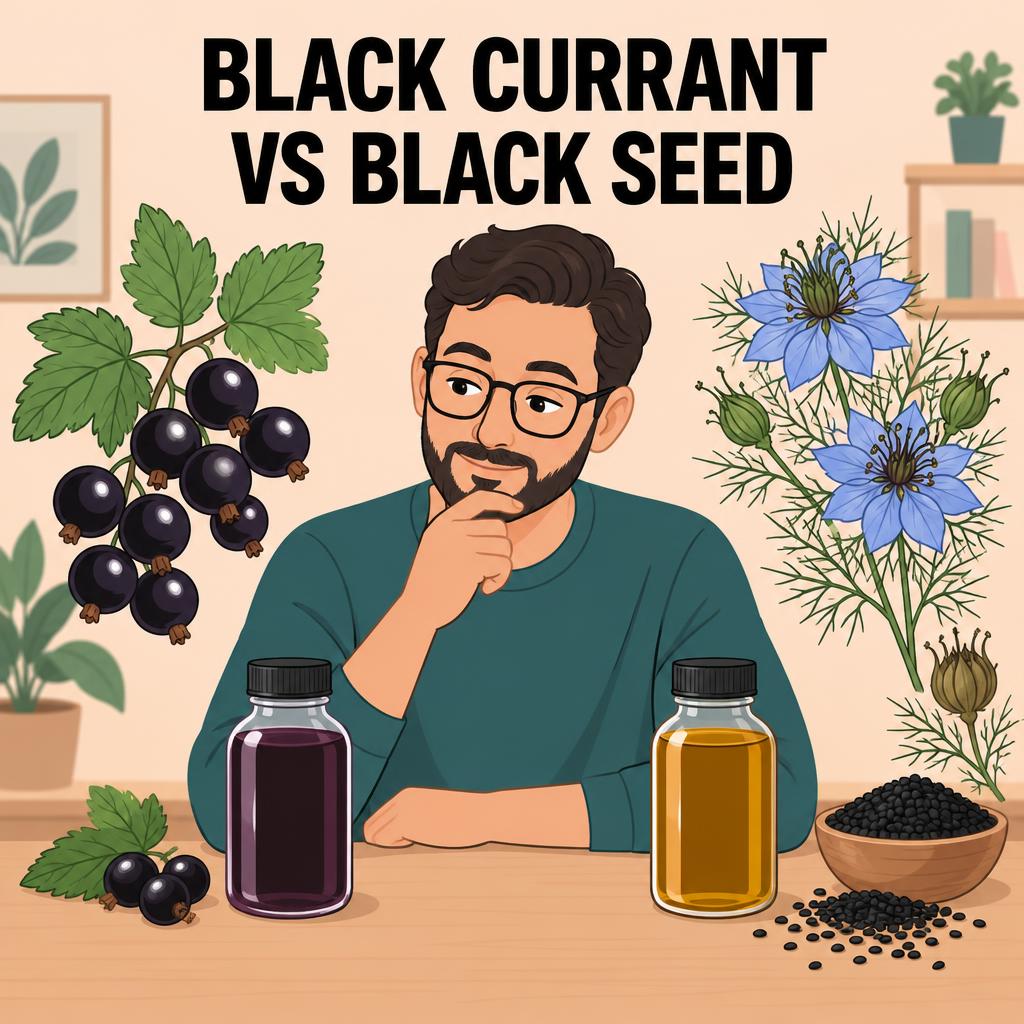
Black Seed Oil
Black Currant Seed Oil vs Black Seed Oil: Don't Mix Them Up in Australia
Learn why black currant berry seed oil and Nigella black seed oil are different ingredients, and how to check the right product label.
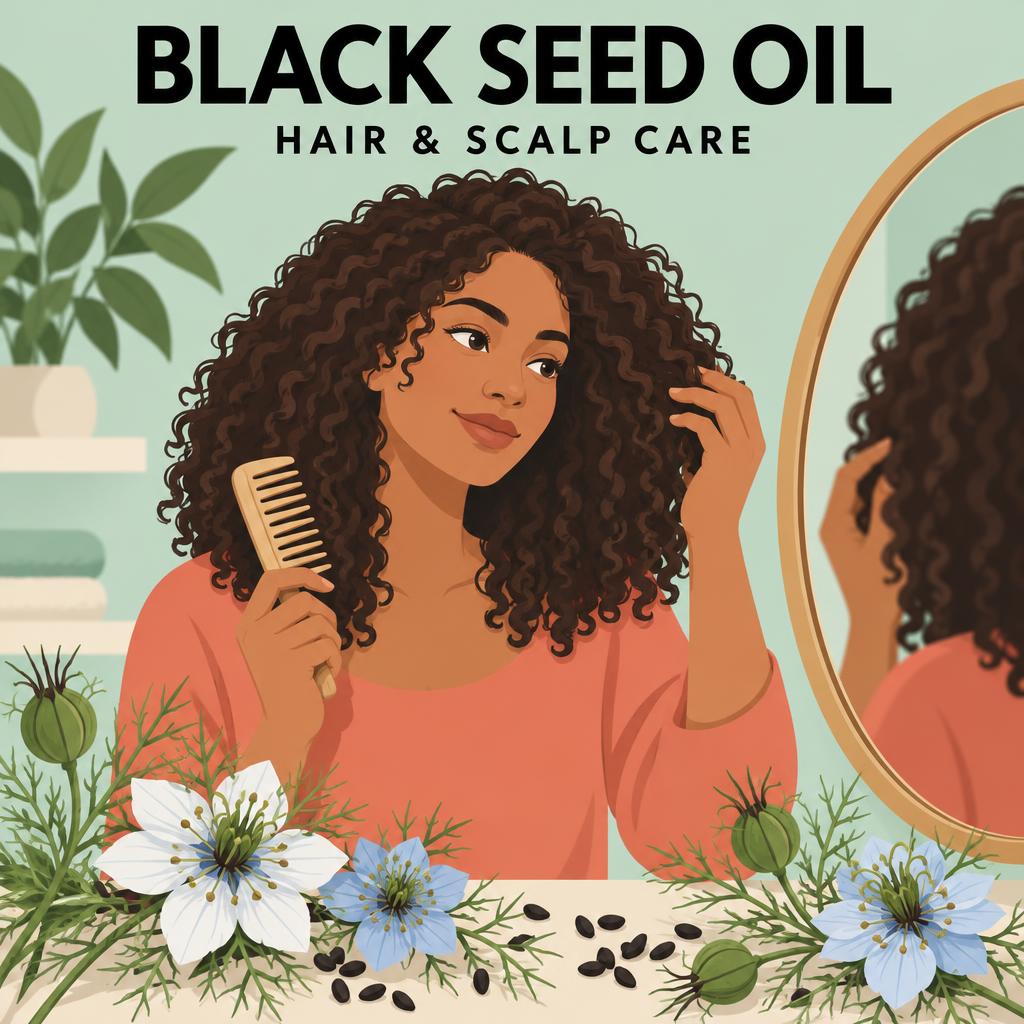
How to Use
Black Seed Oil for Hair: How to Use It and What to Expect in Australia
Separate hair conditioning from regrowth claims, choose a product intended for scalp use and know when shedding needs assessment.
Sources
- Lavenburg VM, Rosentrater KA, Jung S. Extraction Methods of Oils and Phytochemicals from Seeds and Their Environmental and Economic Impacts. Processes. 2021;9(10):1839.
- Li Z, et al. Nigella sativa and health outcomes: An overview of systematic reviews and meta-analyses. Frontiers in Nutrition. 2023;10:1107750.
