Australia
Ethiopian Black Seed Oil: What Makes It Different? Australian Guide
Explore Ethiopian origin, thymoquinone label claims and the differences between standalone liquid and combination softgels.
Key takeaways
- Ethiopian identifies origin, not a separate species or guaranteed clinical advantage.
- Read up-to thymoquinone claims as limits rather than exact batch values.
- Antidote Supplements' liquid is standalone black seed oil; its softgels also contain oregano extract.
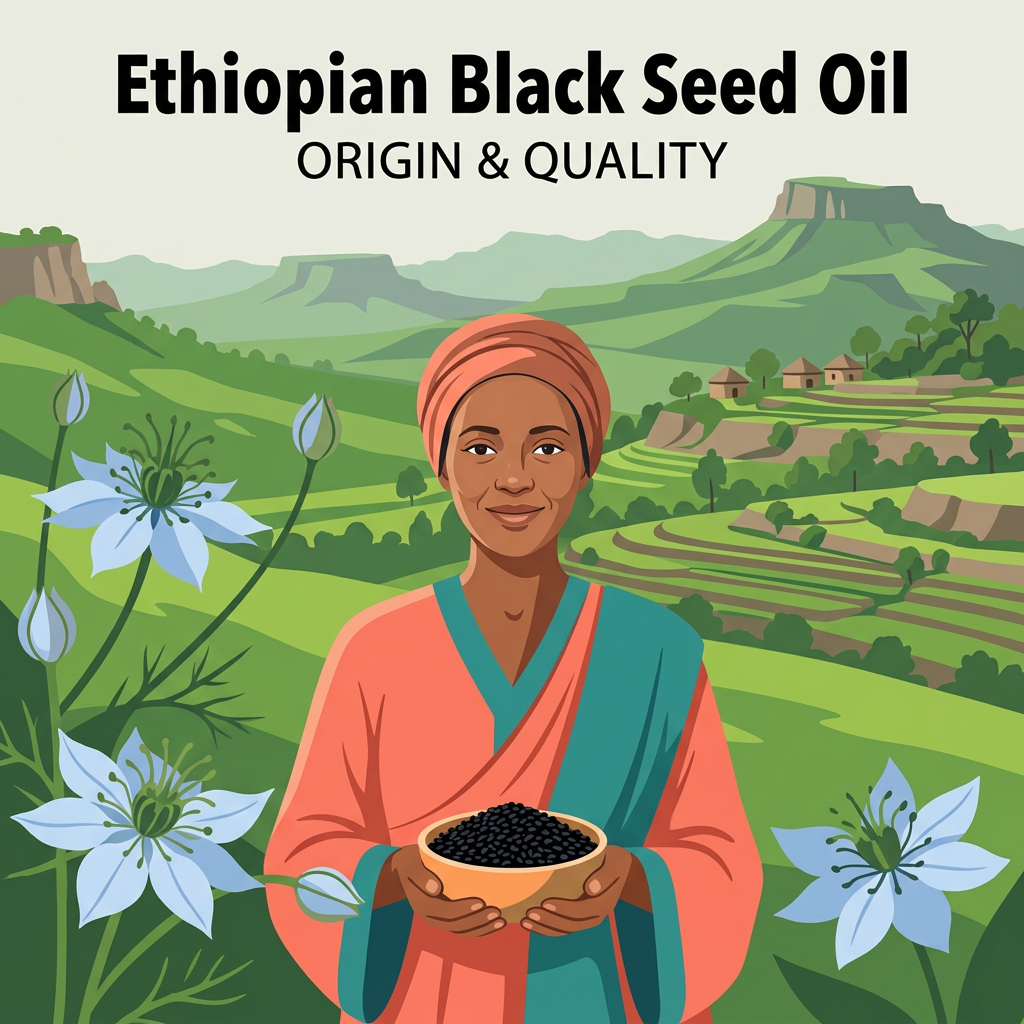
Ethiopian black seed oil appeals to shoppers who value a clearly stated source for their botanical ingredients. Knowing the origin is useful, particularly when it comes with transparent information about the ingredient and finished product.
Origin is one part of a quality decision, not the whole decision. This guide helps Australian readers separate a geographical description from testing, formulation and health evidence.
Is Ethiopian black seed oil a different plant?
The black seed oil discussed here comes from Nigella sativa. Ethiopian describes the origin claimed for the ingredient, not a different botanical species. Black cumin and black seed may still refer to the same plant.
A seller should be able to explain whether origin refers to where the seeds were grown, where the oil was pressed, or both. Finished-product packing may happen somewhere else. These are useful traceability questions rather than assumptions to make from the front label.
What can origin tell you about quality?
Origin helps establish a supply-chain description. To evaluate the oil itself, also look at processing, storage, expiry information and any testing. An origin name does not substitute for those details.
We have not independently established that Ethiopian oils outperform oils from every other country. A claim about a particular batch's composition should not be broadened into a claim about all Ethiopian products.
How to interpret thymoquinone figures
Thymoquinone is a naturally occurring compound of research interest in Nigella sativa. Antidote Supplements' supplied label uses the wording up to 4.64%. Keep that qualifier when comparing products.
Ask whether a composition result matches the current batch and how it was measured. A reported percentage is not a recommended daily amount of pure thymoquinone. It does not show that the product is a treatment for a health condition.
What does the human evidence establish?
Researchers have investigated Nigella sativa preparations across several health measures. A 2023 overview included 20 meta-analyses and found most assessed outcomes had low or very low certainty. Results varied with the underlying studies.[1]
That review does not establish an Ethiopian-versus-other-origins clinical advantage. It also does not mean seed powder, extracted oil and combination capsules are interchangeable in a research comparison.
Two Antidote Supplements products, two uses of the label
The standalone Ethiopian Black Seed Oil is a 50 mL liquid. Its supplied directions suggest 2.5 to 5 mL daily or as directed by a healthcare practitioner. It does not contain oregano oil.
The separate Ethiopian Black Seed Oil With Oil of Oregano pouch contains 240 softgels. Three softgels supply 3,000 mg black seed oil and 100 mg oregano oil extract. If you only want a seed oil, do not assume the combination is the liquid in capsule form.
Australian purchase and suitability checks
- Read the current ingredients and serving instructions.
- Ask for clarification of origin and testing claims.
- Check any Australian medicine-registration claim separately.
- Compare the final delivered cost and seller terms.
- Discuss medicines, pregnancy or a health condition with your pharmacist or doctor.
The TGA explains the difference between listed and registered complementary medicines. We do not claim an Australian registration for Antidote Supplements based on Ethiopian origin or an overseas label.[2]
Antidote Supplements confirms delivery to Australia. The checkout supplies current delivery options and costs. Oral-use directions do not establish that the standalone liquid is suitable for skin or scalp application.
The bottom line
Ethiopian black seed oil gives you a stated ingredient origin, not a guaranteed clinical advantage. Pair that information with clear directions, batch-specific evidence where available and the right formulation. Standalone liquid and oregano-combination softgels remain distinct products.
Medical reviewer
Dr Nidham Oda
MBChB, FRACGP
Read this next
Buying Guides
Black Seed Oil in Australia: How to Choose a Good One
Compare purity, batch information, serving size and delivered value when shopping for standalone black seed oil in Australia.
Black Seed Oil
Black Seed Oil: Benefits, Uses and Side Effects (Complete Guide for Australia)
A practical Australian guide to Nigella sativa, the research behind its benefits, and how to compare liquid oils with softgels.
Black Seed Oil
Cold-Pressed Black Seed Oil: Why the Extraction Method Matters in Australia
Understand mechanical pressing, heat and processing claims, plus the batch information that matters more than a cold-pressed label alone.
Black Seed Oil
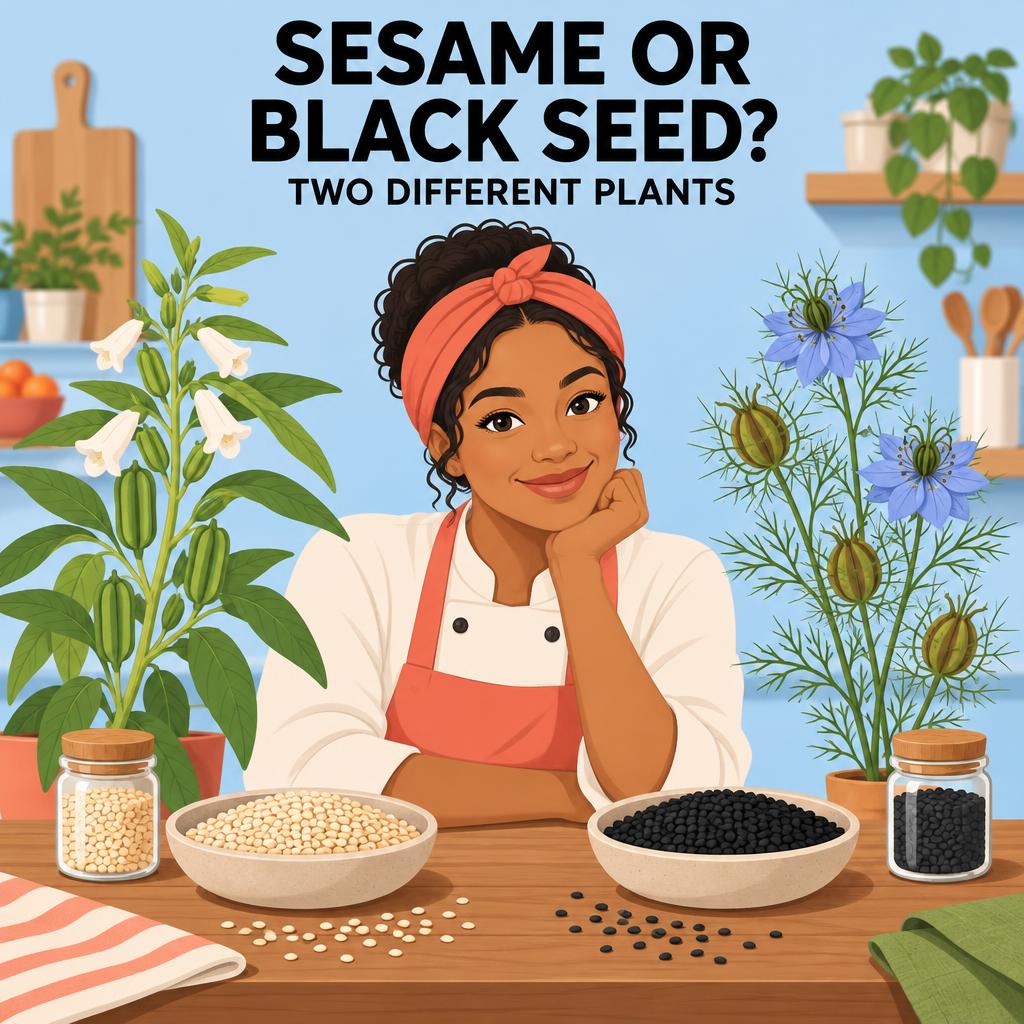
Black Sesame Seed Oil vs Black Seed Oil: What's the Difference? Australian Guide
Black sesame and Nigella sativa are different plants. Compare their names, food uses and product labels before choosing an oil.
Black Seed Oil
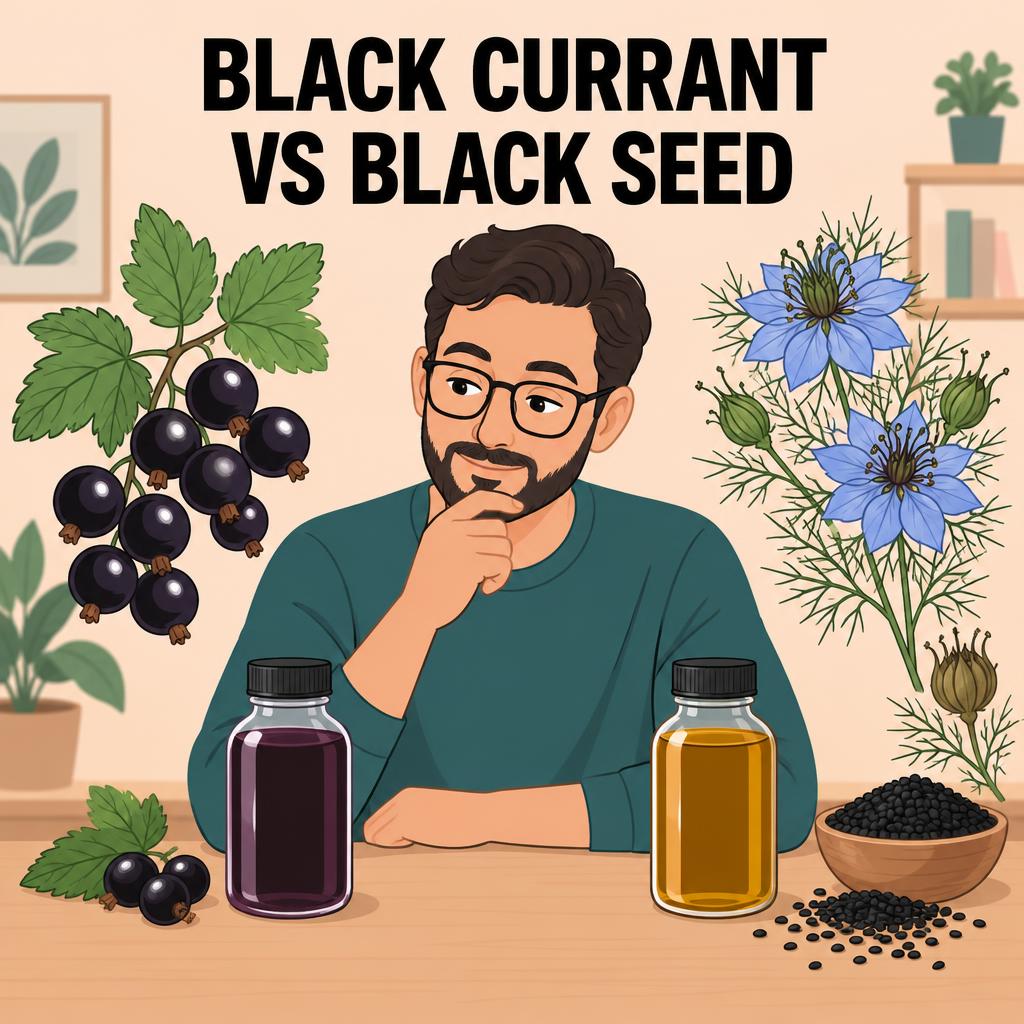
Black Currant Seed Oil vs Black Seed Oil: Don't Mix Them Up in Australia
Learn why black currant berry seed oil and Nigella black seed oil are different ingredients, and how to check the right product label.
How to Use
Black Seed Oil for Hair: How to Use It and What to Expect in Australia
Separate hair conditioning from regrowth claims, choose a product intended for scalp use and know when shedding needs assessment.
