Australia
Black Currant Seed Oil vs Black Seed Oil: Don't Mix Them Up in Australia
Learn why black currant berry seed oil and Nigella black seed oil are different ingredients, and how to check the right product label.
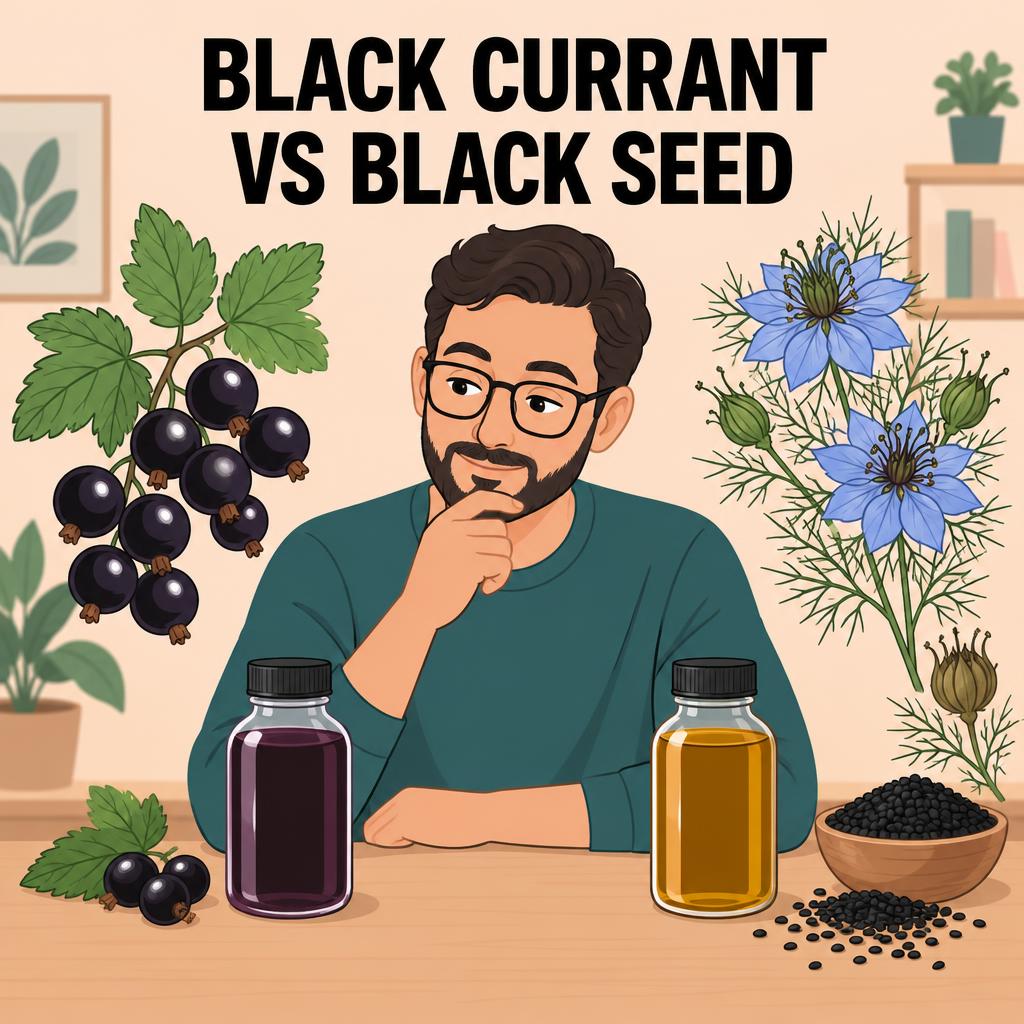
Key takeaways
- Black currant is Ribes nigrum; black seed oil here is Nigella sativa.
- Berry extract, currant seed oil and Nigella oil are not interchangeable.
- A capsule format does not identify the botanical ingredient inside.
Black currant seed oil and black seed oil can look similar on a search results page, especially when both are sold in capsules. A quick ingredient check helps you avoid ordering the wrong botanical product.
Each oil can be discussed on its own terms. The useful comparison begins with plant identity, not a contest about which is best for every person. This guide helps Australian readers separate the names and read the package correctly.
Black currant comes from a berry plant
Black currant is Ribes nigrum, a plant distinct from Nigella sativa in Kew's botanical records.[1][2] A black currant seed oil is obtained from the berry's seeds. It is not black cumin or Nigella oil under a longer name.
Nigella black seed oil comes from the seeds of Nigella sativa. Ethiopian describes the stated origin of some Nigella ingredients, not a variety of black currant. Plant identity should remain clear even when a product uses several common names.
Seed oil is not the same as a berry extract
A label might describe black currant fruit, juice, a fruit extract or seed oil. These are different preparations from the same plant. Do not assume an article about berries describes the composition or effects of the seed oil.
The same principle applies to Nigella: seed powder and extracted oil are different preparations. A dark berry or a dark seed on the front of a pack is not enough to identify what the serving actually contains.
A simple label comparison
| Product wording | Botanical identity | What it is not |
|---|---|---|
| Black currant seed oil | Ribes nigrum seed-derived oil | Nigella oil or automatically a fruit extract |
| Black currant fruit extract | A fruit preparation of Ribes nigrum | Automatically the seed oil |
| Black seed oil | Nigella sativa oil | Black currant oil |
| Black seed oil with oregano | A declared combination of botanicals | A standalone berry-seed oil |
Keep composition claims tied to the correct ingredient
Thymoquinone is a compound of interest in Nigella research. A TQ claim on a Nigella label should not be transferred to a black currant product. If a currant product makes a fatty-acid claim, check the specified amount and testing for that product rather than borrowing figures from a different oil.
Botanical identification alone does not establish a batch's exact composition. Ask the supplier for the relevant product specification when a particular constituent matters to your decision.
Why similar packages do not prove similar effects
A capsule is packaging, not a botanical identity. Two oils in similar softgels can contain entirely different preparations. Ingredient research should be read for the plant, amount and population actually studied.
An overview of Nigella sativa meta-analyses discusses health research for Nigella, not black currant seed oil.[3] Most assessed outcomes had low or very low certainty. It cannot establish that one of these oils should replace the other or that either is a universal treatment.
How to avoid a mistaken Australian purchase
- Search for the scientific name as well as the common name.
- Read the full ingredient list before ordering.
- Check whether the product contains seed oil, fruit extract or a blend.
- Compare the labelled serving, not just capsule count.
- Ask the seller to resolve any inconsistent product naming.
If your clinician recommended a specific ingredient, confirm it with them rather than substituting a similar-sounding oil. When changing supplements, review medicines and other products so the combined routine remains understandable.
Where Antidote Supplements fits
Antidote Supplements offers Ethiopian Black Seed Oil as a standalone 50 mL liquid. It is a Nigella product, not black currant oil. Its other product adds oregano oil extract to black seed oil in a 240-softgel pouch, with three softgels per serving.
The brand sold on this site confirms delivery to Australia. This comparison does not verify black currant products, local stockists or fixed shipping times. Check current checkout and label information for any purchase.
When to get individual advice
Ask a pharmacist or doctor about pregnancy, breastfeeding, medicines, allergies or a health condition. Product identity makes that conversation more useful, but it does not establish suitability on its own. Persistent symptoms need appropriate assessment, not an accidental switch between botanical oils.
The bottom line
Black currant seed oil is a Ribes nigrum ingredient; black seed oil is Nigella sativa. They are not interchangeable, and a berry extract is different again. Use botanical names, preparation details and product-specific evidence to choose the correct oil.
Medical reviewer
Dr Bruce (Hongwei) Wu
MBBS, FRACGP
Read this next
Black Seed Oil
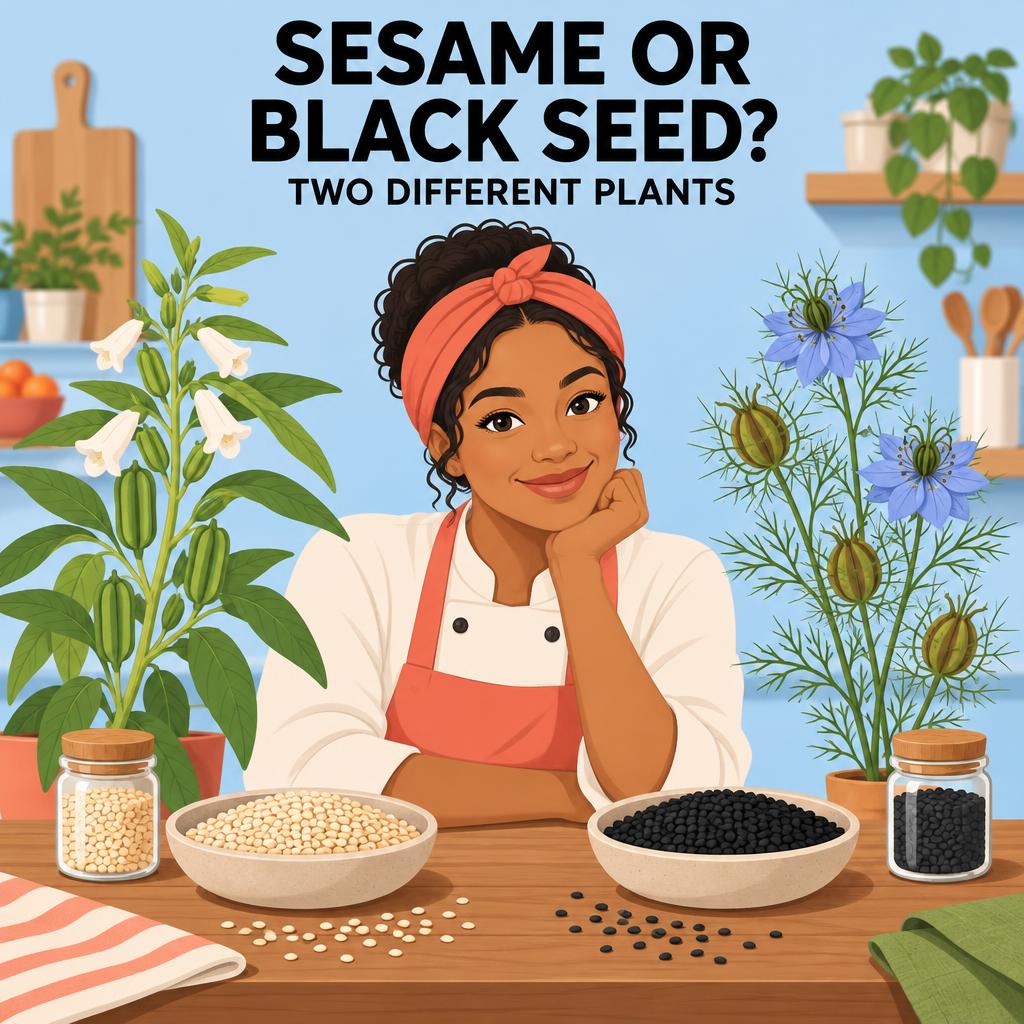
Black Sesame Seed Oil vs Black Seed Oil: What's the Difference? Australian Guide
Black sesame and Nigella sativa are different plants. Compare their names, food uses and product labels before choosing an oil.
Black Seed Oil
Black Seed Oil: Benefits, Uses and Side Effects (Complete Guide for Australia)
A practical Australian guide to Nigella sativa, the research behind its benefits, and how to compare liquid oils with softgels.
Ethiopian Black Seed Oil
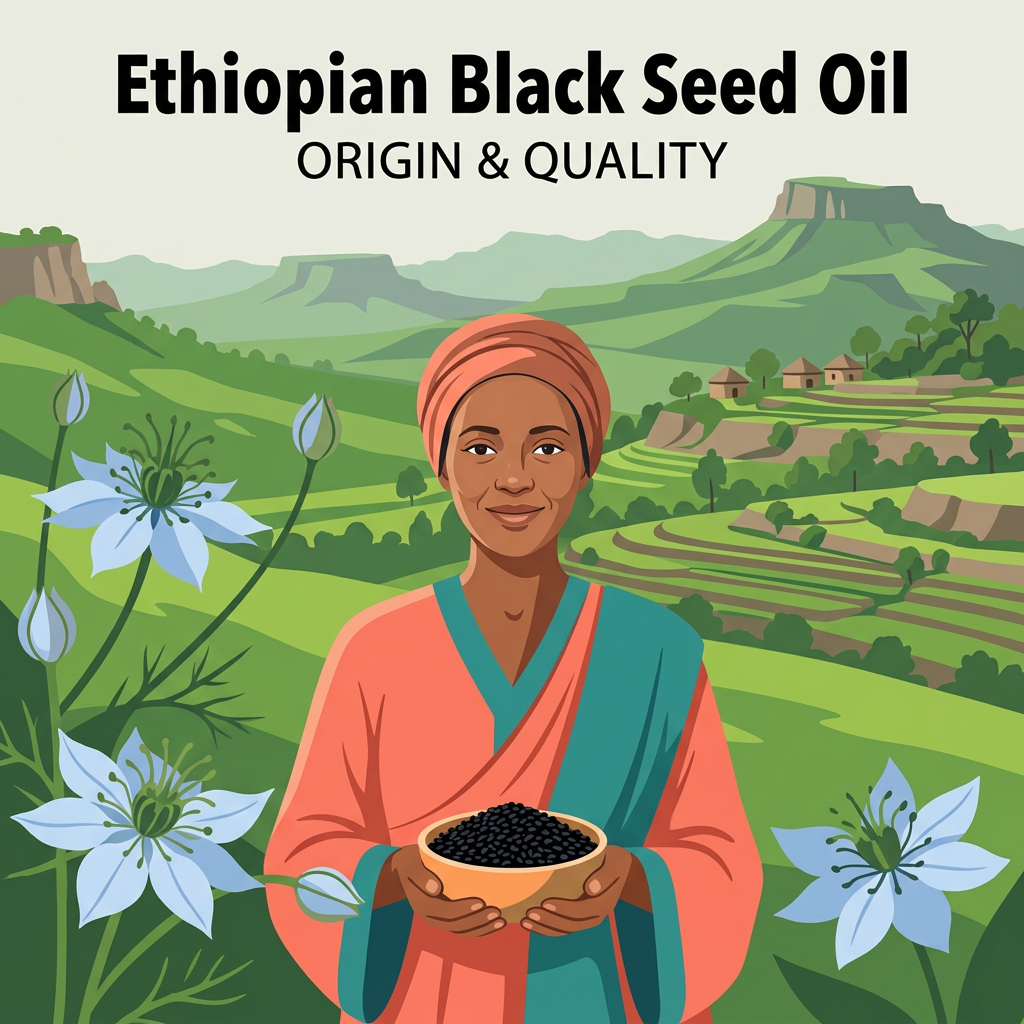
Ethiopian Black Seed Oil: What Makes It Different? Australian Guide
Explore Ethiopian origin, thymoquinone label claims and the differences between standalone liquid and combination softgels.
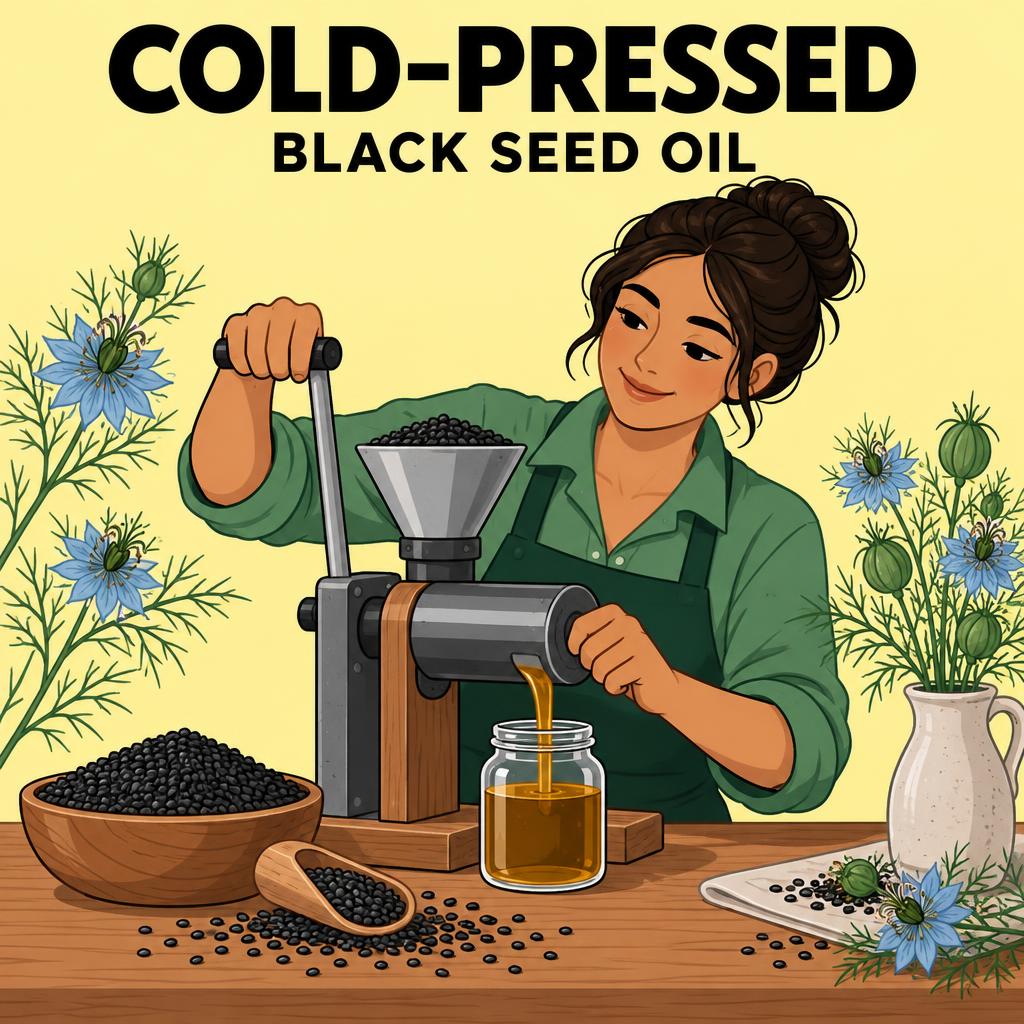
Black Seed Oil
Cold-Pressed Black Seed Oil: Why the Extraction Method Matters in Australia
Understand mechanical pressing, heat and processing claims, plus the batch information that matters more than a cold-pressed label alone.
How to Use
Black Seed Oil for Hair: How to Use It and What to Expect in Australia
Separate hair conditioning from regrowth claims, choose a product intended for scalp use and know when shedding needs assessment.
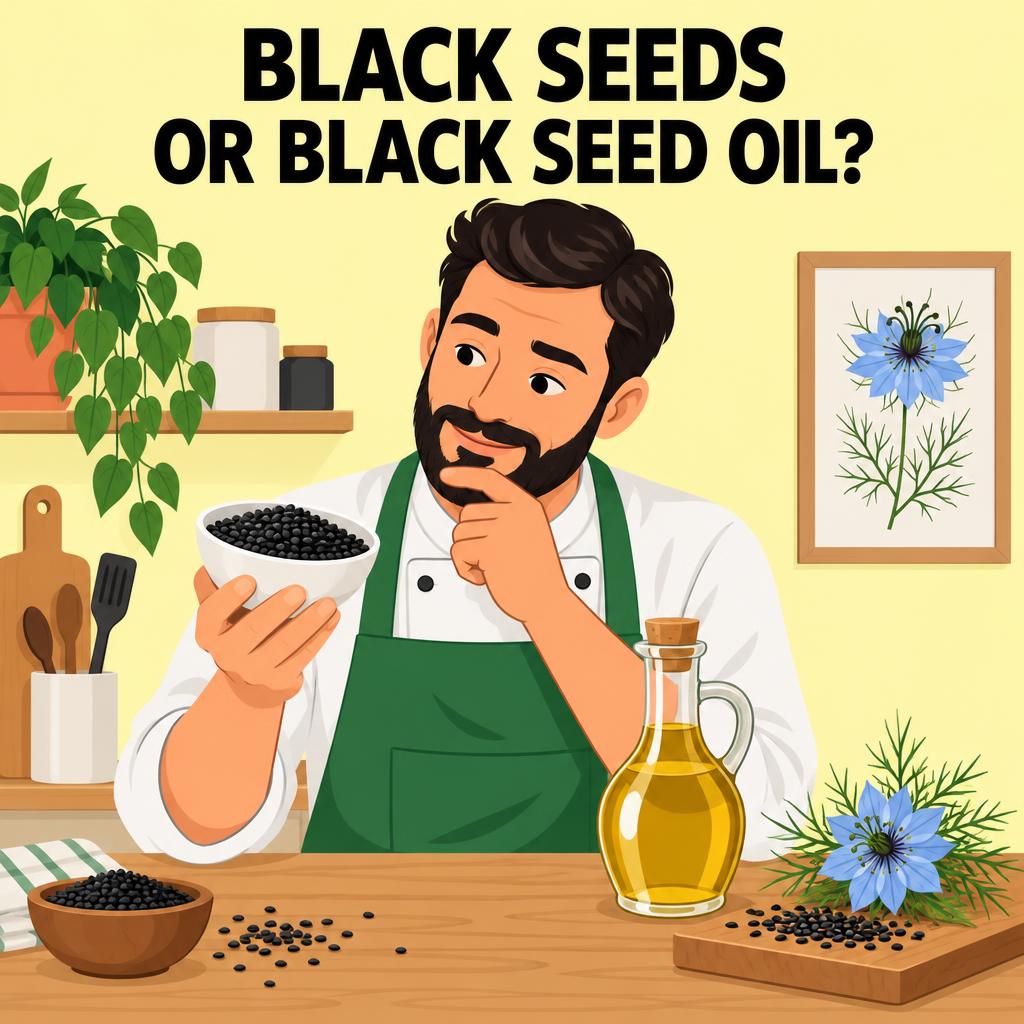
Black Seed Oil
Black Seeds vs Black Seed Oil: Which Should You Use in Australia?
Compare whole Nigella seeds, seed powder and extracted oil by intended use and preparation, without inventing equivalent doses.
Sources
- Royal Botanic Gardens, Kew. Plants of the World Online: Ribes nigrum L. botanical classification.
- Royal Botanic Gardens, Kew. Plants of the World Online: Nigella sativa L. botanical classification.
- Li Z, et al. Nigella sativa and health outcomes: An overview of systematic reviews and meta-analyses. Frontiers in Nutrition. 2023;10:1107750.
