Australia
Black Seeds vs Black Seed Oil: Which Should You Use in Australia?
Compare whole Nigella seeds, seed powder and extracted oil by intended use and preparation, without inventing equivalent doses.
Key takeaways
- Whole seed and extracted oil are different preparations of Nigella sativa.
- A cooking ingredient and an oral supplement answer different needs.
- There is no reliable universal spoon-for-spoon conversion between seeds and oil.
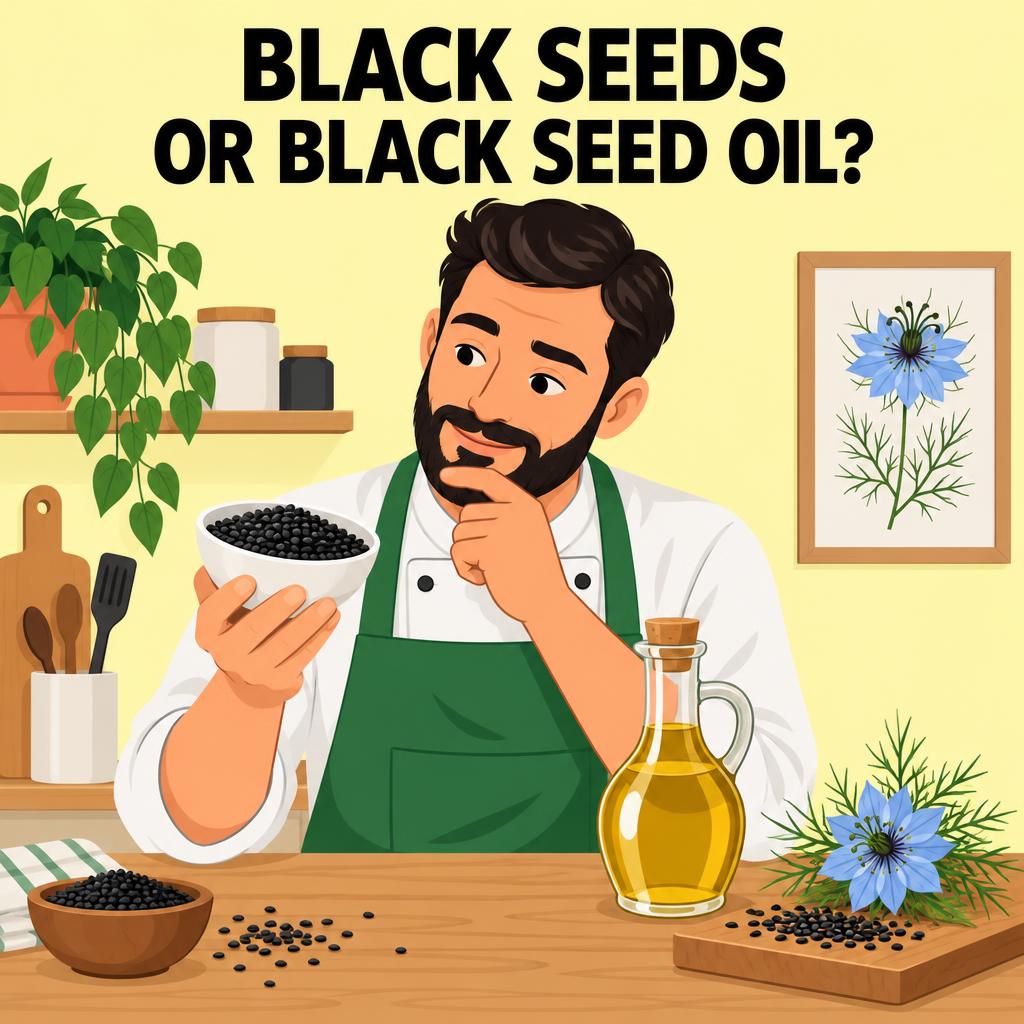
Whole black seeds and black seed oil give you different ways to encounter Nigella sativa. Seeds can fit a food recipe, while an extracted oil may be sold with a product-specific oral serving. The useful choice starts with your purpose.
This guide compares preparation rather than capsule packaging. It does not name a universal winner or give a conversion for replacing a study dose of seeds with retail oil.
Confirm you have Nigella seeds
Nigella sativa is the plant discussed here. Kew identifies it as a distinct species.[1] Black sesame, black currant and some plants called cumin are different ingredients. Read the scientific name where available, especially when shopping online.
A similar common name does not establish identical composition. If the seed seller cannot identify the plant, do not rely on colour or a search listing to fill the gap.
What changes when oil is extracted?
Whole seeds contain more than their oil fraction. Extracting oil gives you a different preparation, not the entire seed in liquid form. Seed powder also remains different from an extracted oil, even when both come in capsules.
The preparation influences which constituents are present and in what proportions. A gram of seeds cannot be assumed to equal a gram or millilitre of oil for a research comparison.
Choose according to the intended use
For a recipe, buy food-grade seeds and use a suitable culinary recipe. For an oral oil supplement, read the full ingredients and labelled serving. Do not assume a supplement bottle is designed for high-temperature cooking or that an aromatic oil is edible.
If a food product or supplement has specific storage directions, follow them. Whole seeds and an opened oil bottle may need different handling, so one shelf-life rule should not be copied across both.
How should study findings be compared?
Nigella studies use different preparations, amounts and populations. A 2023 overview of meta-analyses found mostly low or very low certainty across evaluated outcomes.[2] It does not establish a universally better seed-versus-oil option.
Check whether the research used whole seed, powder, oil or an isolated constituent before applying it to a product. A positive finding for one preparation is not a recipe for recreating the exposure at home.
Why dose conversion is not straightforward
Seed composition, oil recovery and the extraction process can vary. A teaspoon of seeds and a teaspoon of oil therefore do not supply identical material. Avoid calculating supplement servings from an assumed extraction yield.
The supplied Antidote Supplements 50 mL liquid label suggests 2.5 to 5 mL daily or as directed by a healthcare practitioner. That direction belongs to that oil and does not establish an equivalent seed portion.
Which practical details are worth comparing?
- Botanical identity and preparation.
- Food use or supplement directions.
- Complete ingredients and allergens.
- Expiry and storage instructions.
- Current delivered cost for the amount you intend to use.
Convenience can influence your preference, but a concentrated preparation is not automatically a better health choice. The amount appropriate for an individual depends on the actual product and suitability advice.
The Antidote Supplements options
The standalone Ethiopian Black Seed Oil is a 50 mL liquid, not whole seeds. The separate 240-softgel product contains black seed oil with oregano extract. It is not seed powder and adds another botanical ingredient.
The owner confirms delivery to Australia. Ask a pharmacist or doctor about medicines, pregnancy, breastfeeding or chronic conditions before using supplements. Cooking with a food ingredient and taking a concentrated supplement should not be treated as the same exposure.
The bottom line
Choose whole seeds for an appropriate food purpose and an oil product according to its own directions. Whole seeds, powder and extracted oil are not interchangeable doses. Read preparation-specific research instead of assuming that a spoonful of one equals a spoonful of another.
Medical reviewer
Dr Areej Al-Jawazery
MBChB, FRACGP
Read this next
Nigella sativa
Black Seed Oil (Nigella Sativa): The Science Behind the Seed, Australian Guide
Understand how laboratory studies, human trials and systematic reviews contribute to the evidence for Nigella sativa.
Black Seed Oil
Cold-Pressed Black Seed Oil: Why the Extraction Method Matters in Australia
Understand mechanical pressing, heat and processing claims, plus the batch information that matters more than a cold-pressed label alone.
Black Seed Oil
Black Seed Oil: Benefits, Uses and Side Effects (Complete Guide for Australia)
A practical Australian guide to Nigella sativa, the research behind its benefits, and how to compare liquid oils with softgels.
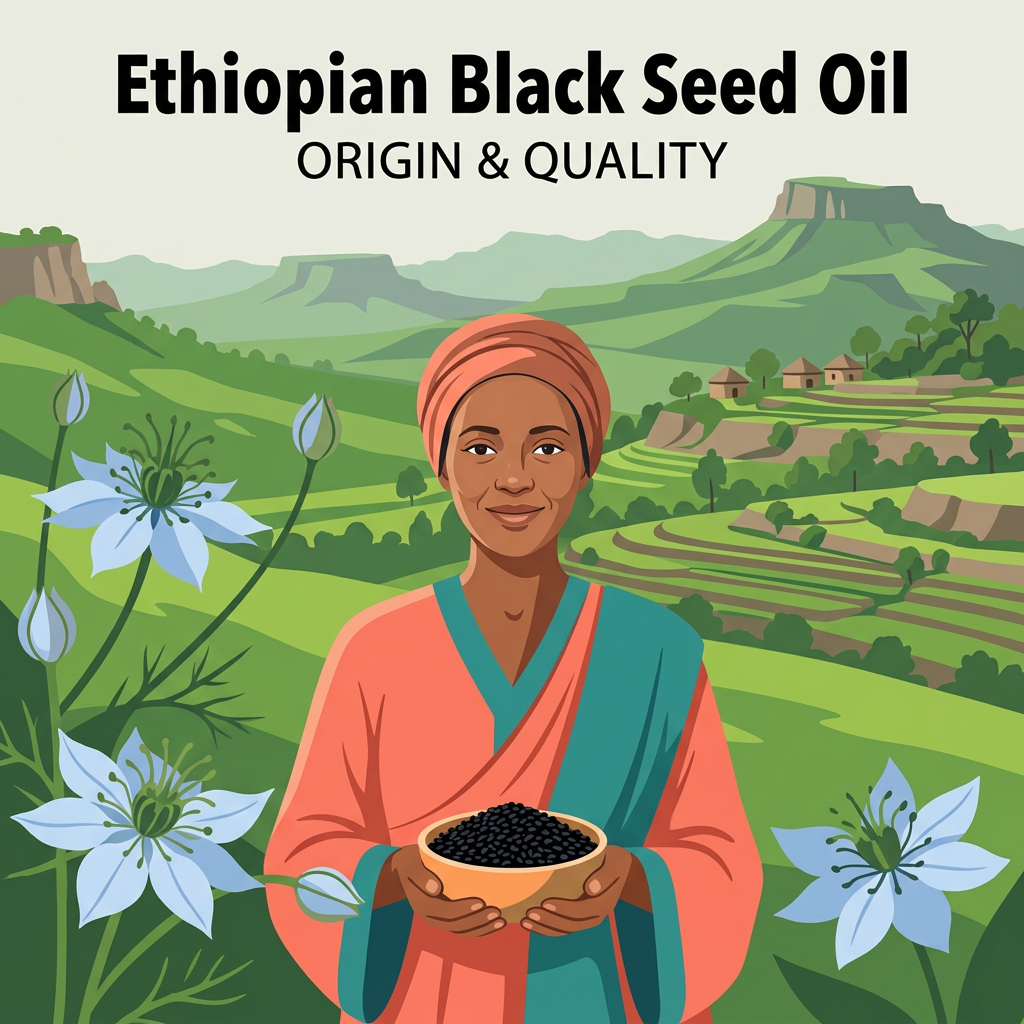
Ethiopian Black Seed Oil
Ethiopian Black Seed Oil: What Makes It Different? Australian Guide
Explore Ethiopian origin, thymoquinone label claims and the differences between standalone liquid and combination softgels.
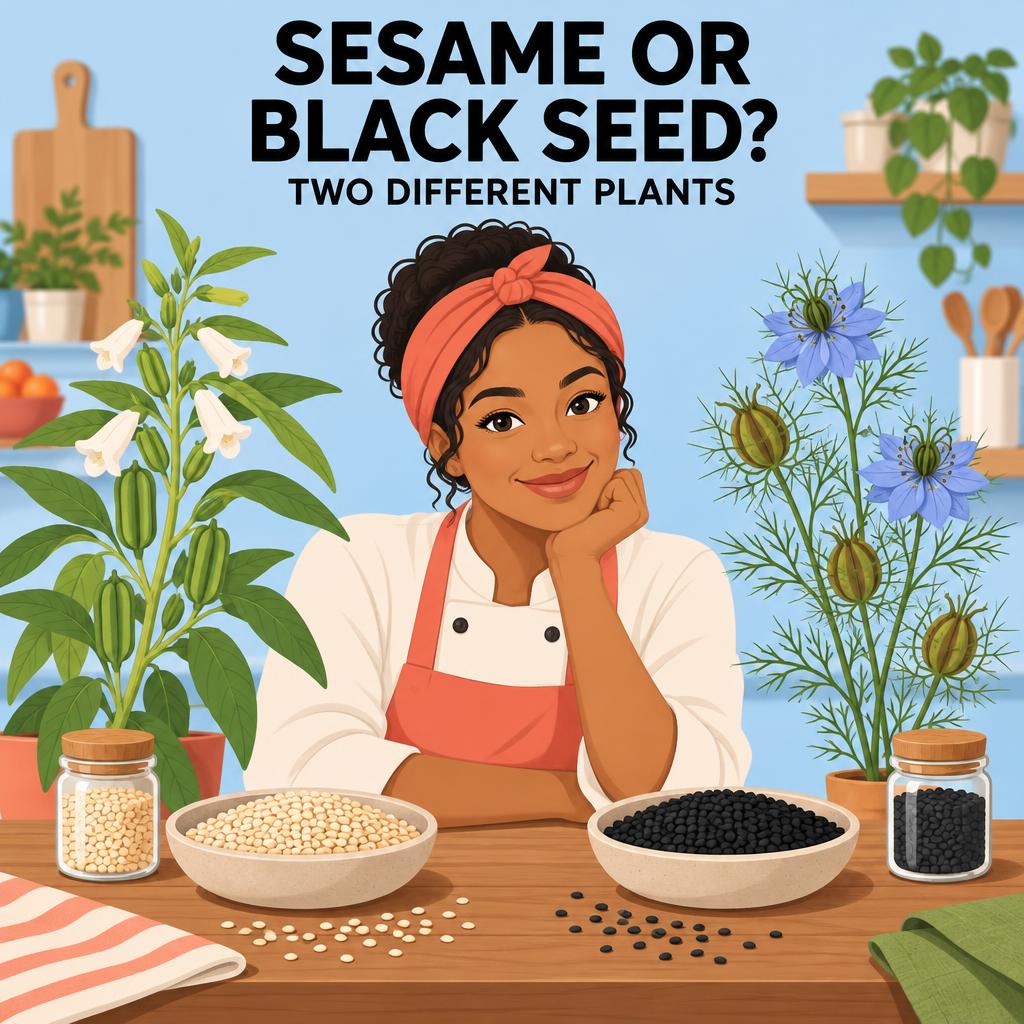
Black Seed Oil
Black Sesame Seed Oil vs Black Seed Oil: What's the Difference? Australian Guide
Black sesame and Nigella sativa are different plants. Compare their names, food uses and product labels before choosing an oil.
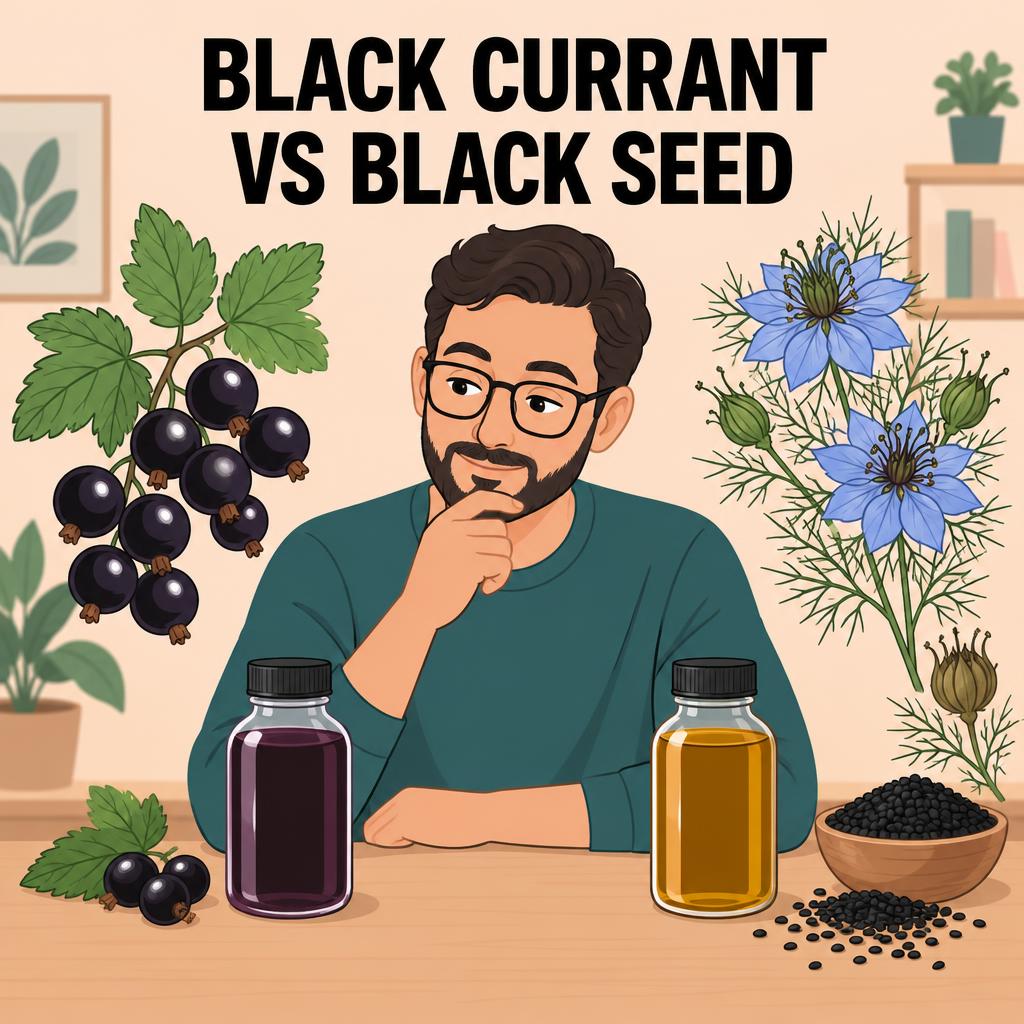
Black Seed Oil
Black Currant Seed Oil vs Black Seed Oil: Don't Mix Them Up in Australia
Learn why black currant berry seed oil and Nigella black seed oil are different ingredients, and how to check the right product label.
