Is Black Seed Oil Comedogenic? What to Know Before Using It on Your Face
Black seed oil is generally considered low on the comedogenic scale, but individual skin can still react.
Key takeaways
- Black seed oil is generally rated low-to-moderate on comedogenic scales, meaning it's unlikely but not impossible to clog pores.
- Comedogenic ratings are based on limited lab testing and don't guarantee how your individual skin will react.
- A patch test over several days is the most reliable way to check your own skin's response.
- People with very oily or acne-prone skin may prefer to use it diluted or in smaller amounts.
Anyone with acne-prone or oily skin has probably learned to check if a new oil is "comedogenic" before slathering it on their face. Black seed oil comes up often in these searches, so here's what's actually known.
What does comedogenic mean?
A comedogenic ingredient is one more likely to clog pores and contribute to comedones (blackheads and whiteheads). Comedogenic ratings typically run from 0 (won't clog pores) to 5 (highly likely to clog pores), based on older lab testing on rabbit ears — a method with real limitations, since it doesn't always predict how human facial skin reacts.
Is black seed oil comedogenic?
Black seed oil is generally cited as low-to-moderate on comedogenic scales (often listed around 2 out of 5), placing it in a middle zone — less likely to clog pores than heavier oils like coconut oil, but not as clearly non-comedogenic as oils like squalane. It also has documented anti-inflammatory and antibacterial activity in lab studies,[1] which is part of why it shows up in acne-focused skincare.
Could it still cause dry skin breakouts?
Yes — paradoxically, very dry or compromised skin can sometimes break out more, either from barrier dysfunction or from using too much of any oil, including black seed oil. If your skin is dry and reactive, start with a very small amount mixed into a light moisturizer rather than applying oil directly.
How to patch test black seed oil before facial use
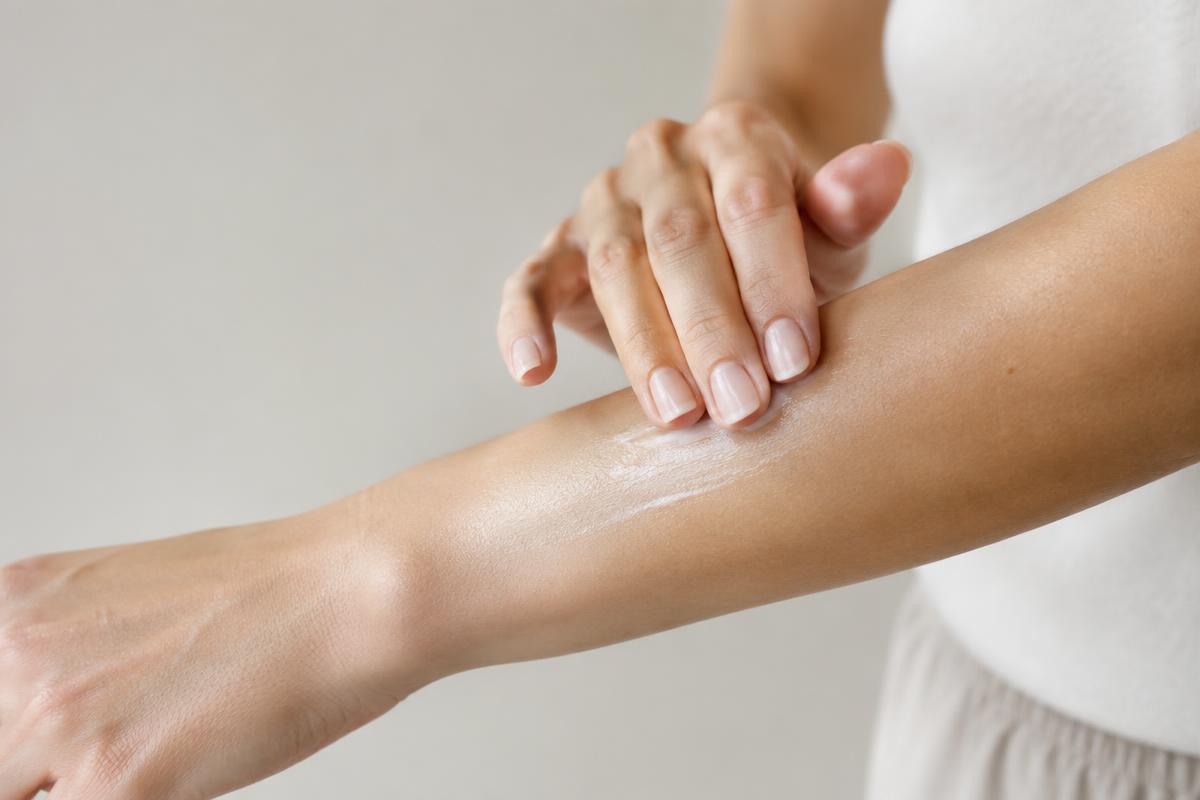
- Apply a small amount to your inner forearm or behind the ear.
- Leave it for 24–48 hours without washing the area.
- Watch for redness, itching or small bumps.
- If clear, try a small amount on one area of the face for a few days before full use.
Tips for using it in skincare with acne
- Use a small amount (a few drops) mixed into a non-comedogenic moisturizer rather than applying it alone.
- Apply at night, and avoid layering with other strong actives (retinoids, strong acids) until you know how your skin responds.
- Stop use if you notice new breakouts or irritation within 1–2 weeks.
When to see a doctor
Black seed oil and oregano oil are not a substitute for diagnosis or prescribed treatment. See a healthcare professional if symptoms are severe, getting worse or not improving.
Frequently asked questions
What is black seed oil's comedogenic rating?
It's commonly cited around 2 out of 5 on comedogenic scales, meaning a moderate-low likelihood of clogging pores, though individual skin responses vary.
Can black seed oil cause breakouts on sensitive skin?
It's possible, especially if used undiluted or in large amounts. Patch testing and starting small lowers that risk.
Is black seed oil good for oily skin?
Some people with oily skin use it in small amounts as part of a routine, but it's worth monitoring your skin's response since oil tolerance varies.
The bottom line
Black seed oil is generally considered low-to-moderate on the comedogenic scale, but that doesn't guarantee it won't affect your specific skin. Patch test first, use it diluted, and stop if you notice new breakouts.
Read this next
Skin
Black Seed Oil for Acne: Can It Clear Breakouts?
A clinical trial found a black seed gel reduced acne. Here's how to use it safely.
Black Seed Oil
Black Seed Oil for Skin: Benefits and How to Use It
Eczema, acne, dry skin and wound care — what Nigella oil may do for skin.
Black Seed Oil
Black Currant Oil vs. Black Seed Oil: What's the Difference?
Despite the similar names, these are two different oils with different active compounds and uses.
Black Seed Oil
What Does Black Seed Oil Taste Like?
Bold, bitter and peppery — here's what to expect from black seed oil's taste, and how to skip it.
Black Seed Oil
Is Black Seed Oil a Binder? What the Term Actually Means
'Binder' is a wellness term, not a medical one. Here's where black seed oil and oregano oil fit.
Black Seed Oil
Black Seed Oil Benefits: What the Research Says
From skin health to blood sugar, here's what studies on black seed oil actually show.
Sources
- Soleymani S, Zargaran A, Farzaei MH, et al. The effect of a hydrogel made by Nigella sativa L. on acne vulgaris: a randomized double-blind clinical trial. Phytother Res. 2020;34(11):3052-3062.
- Ahmad A, Husain A, Mujeeb M, et al. A review on therapeutic potential of Nigella sativa: a miracle herb. Asian Pac J Trop Biomed. 2013;3(5):337-352.
- Darakhshan S, Bidmeshki Pour A, Hosseinzadeh Colagar A, Sisakhtnezhad S. Thymoquinone and its therapeutic potentials. Pharmacol Res. 2015;95-96:138-158.