Australia
Wild Oregano Oil: Uses and Benefits
Wild oregano oil comes from Origanum vulgare growing in the wild. Here is what the wild label means and how people use it.
Key takeaways
- Wild oregano oil is extracted from wild-harvested Origanum vulgare.
- Its key compounds are carvacrol and thymol, the same as cultivated oregano oil.
- What matters most is the measured carvacrol content on the label.
Many oregano oil labels say wild. Here is what that means, and what actually matters when you choose a bottle.
What wild oregano oil is
Wild oregano oil is steam-distilled from Origanum vulgare harvested from wild growing areas, often around the Mediterranean. Its active compounds, carvacrol and thymol, are the same ones found in cultivated oregano.[1]
Common uses
- Daily wellness routines, usually as softgels or diluted drops.
- Digestive comfort, a long-standing traditional use.
- Seasonal support during the cooler months.
Wild vs cultivated
Wild harvesting can produce high carvacrol levels, but growing conditions vary everywhere. The measured carvacrol percentage on the label tells you more than the word wild does.[1][2]
Using it safely
Oregano oil is concentrated. Take it in softgels or properly diluted, with food, and ask a pharmacist first if you take medicines or are pregnant.[2][3]
Antidote Supplements
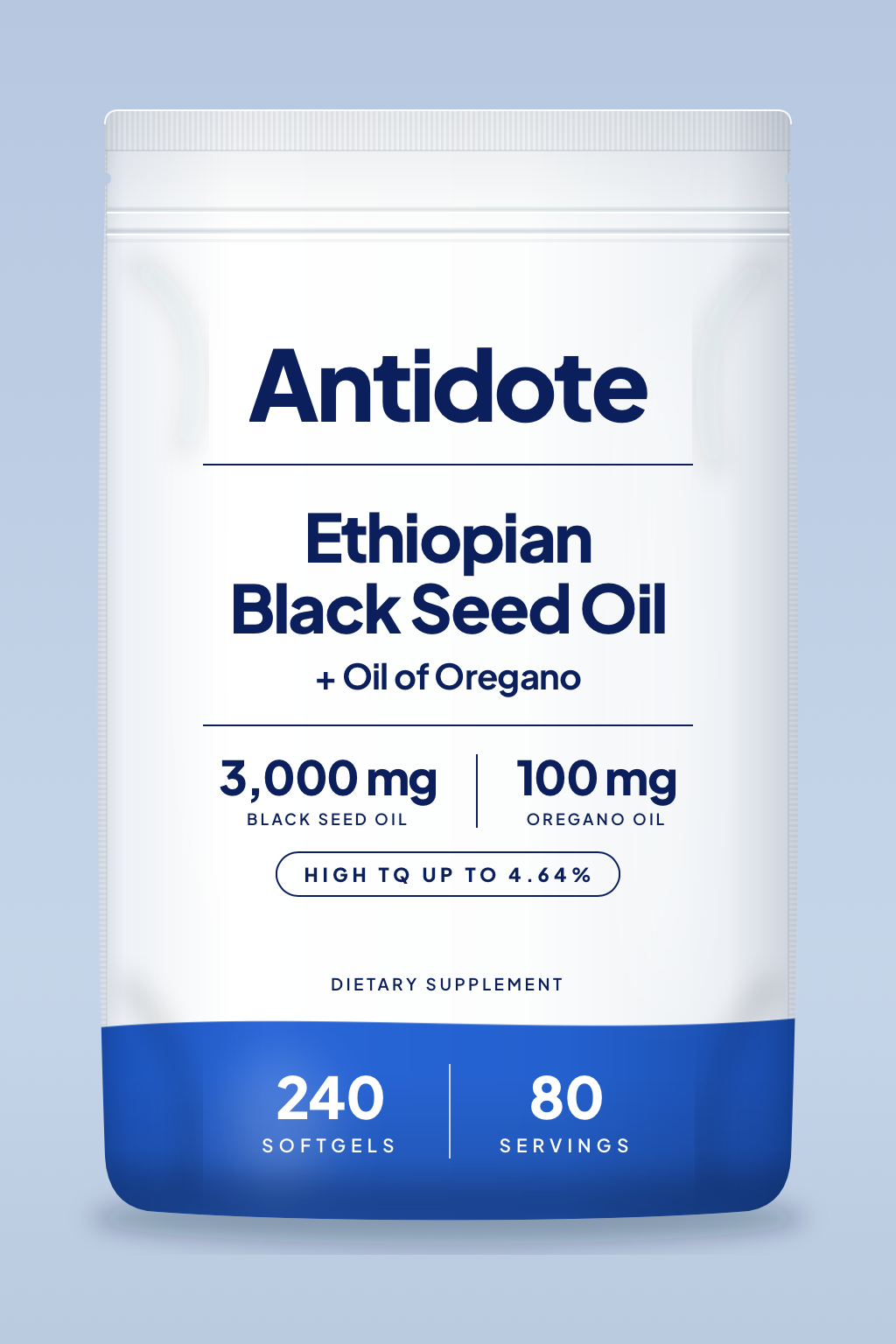
The Antidote Supplements combination softgels contain 3,000 mg black seed oil and 100 mg oregano oil extract per three-softgel serving, with up to 4.64% naturally occurring thymoquinone and 80 servings in each 240-softgel pouch. Each serving delivers a measured amount of oregano oil extract.
The bottom line
Wild oregano oil offers the same carvacrol and thymol as other oregano oils. Judge a product by its measured carvacrol content, and take it diluted or in softgels.
Medical reviewer
Dr Hossein Samaei
MD, FRACGP
Read this next
Oregano Oil
Does Oil of Oregano Actually Work? A Clear Look at the Evidence
Oregano oil's natural compounds, carvacrol and thymol, show impressive activity in the lab. Here is what that means for everyday use.
How to Use
Oil of Oregano: What It Is and How to Use It in Australia
Understand oregano supplements, essential oils and kitchen infusions before choosing a format or following a serving instruction.
Oregano Oil
Oregano Oil: Benefits, Uses and Side Effects (Complete Guide for Australia)
What oregano's plant compounds can do in research, what remains uncertain in people, and what Australians should check before use.
Oregano Oil
Oil of Wild Oregano: What Makes Wild Oregano Different? Australia Guide
Understand what wild describes, why species and testing still matter, and which claims a source label cannot establish.
Dosage & Timing
Oregano Oil Capsules: Benefits, Dosage and How to Choose in Australia
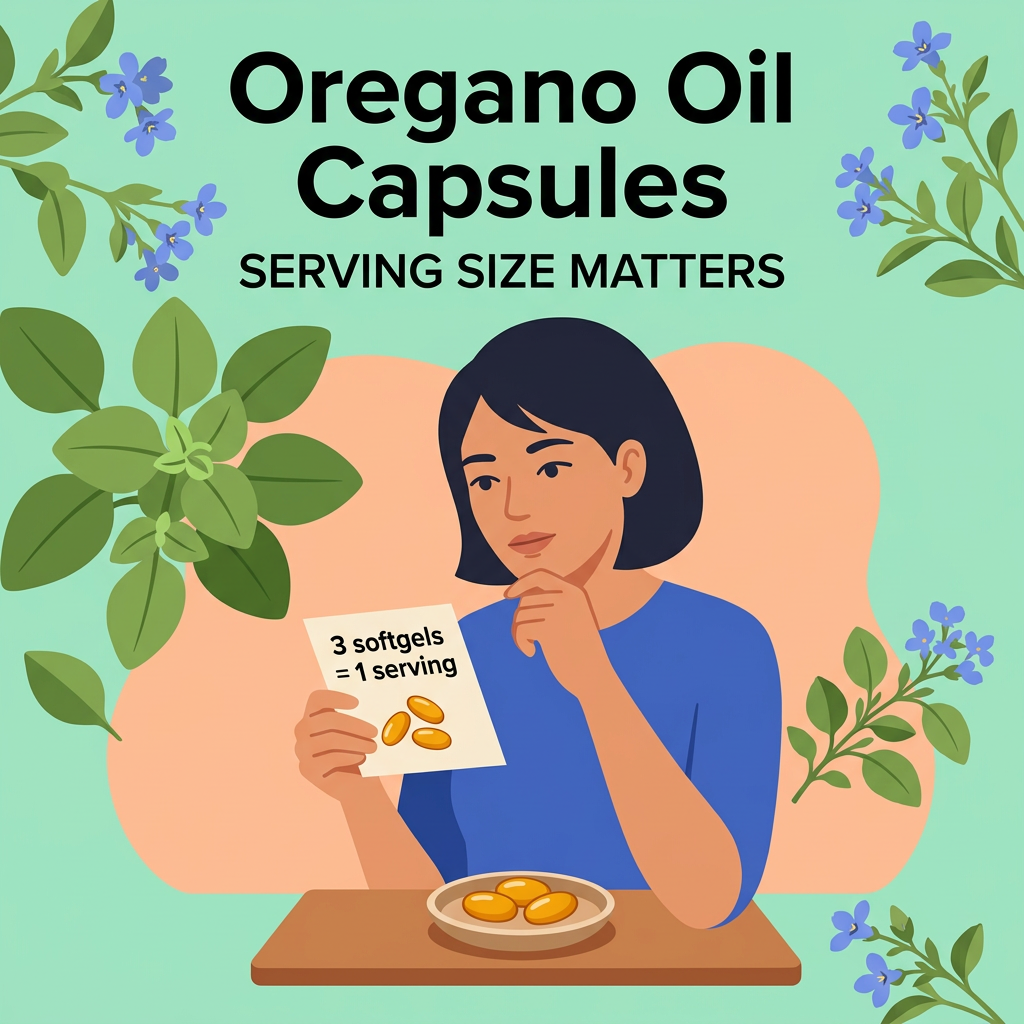
Learn how to read capsule servings, separate oregano extract from blend weight and choose a convenient format without guessing a dose.
Safety
Oregano Essential Oil vs Oil of Oregano Supplements: What's the Difference in Australia?
Distinguish aromatic essential oils from products with oral supplement directions, and avoid transferring dosing advice between them.
Sources
- Leyva-López N, et al. Essential oils of oregano: Biological activity beyond their antimicrobial properties. Molecules. 2017;22(6):989.
- Suntres ZE, Coccimiglio J, Alipour M. The bioactivity and toxicological actions of carvacrol. Critical Reviews in Food Science and Nutrition. 2015;55(3):304–318.
- National Center for Complementary and Integrative Health. Using Dietary Supplements Wisely.