Dry Scalp and Hair Loss: Is There a Connection?
A dry, irritated scalp isn't usually the direct cause of hair loss, but scalp health still matters for strong hair.
Key takeaways
- A dry scalp can flake, itch, and feel tight, which is different from androgenetic (pattern) hair loss.
- Severe, untreated scalp conditions can occasionally contribute to shedding through scratching and inflammation.
- A healthy scalp environment supports better hair growth conditions, even if it's not the sole cause of most hair loss.
- Gentle cleansing, scalp oils, and treating underlying conditions like dandruff or eczema can help.
A dry, flaky, itchy scalp is uncomfortable — and many people wonder whether it's also behind their hair thinning. The relationship is more indirect than many assume.
Healthy vs. unhealthy scalp: what to look for
| Healthy scalp | Unhealthy scalp |
|---|---|
| No persistent itching or flaking | Chronic itch, visible flakes, redness |
| Comfortable after washing | Tight, dry or oily feeling |
| Even skin tone, no sores | Scabs, sores, or thick scale patches |
| Hair sheds normally (50-100/day) | Noticeable excess shedding or breakage |
What causes a dry scalp?
- Overwashing with harsh, sulfate-heavy shampoo.
- Cold, dry weather or indoor heating.
- Underlying seborrheic dermatitis or scalp eczema.
- Dehydration or insufficient dietary fats.
Does dry scalp actually cause hair loss?
A dry scalp on its own doesn't typically cause permanent hair loss. However, chronic scalp inflammation, scratching, and conditions like untreated seborrheic dermatitis or scalp psoriasis can contribute to increased shedding or slower growth if left untreated for a long time. In other words, scalp health supports the conditions hair needs to grow well, even if dryness alone isn't usually the root cause of significant hair loss.
How to treat a dry scalp
- Switch to a gentle, sulfate-free shampoo and wash less frequently if overwashing is the issue.
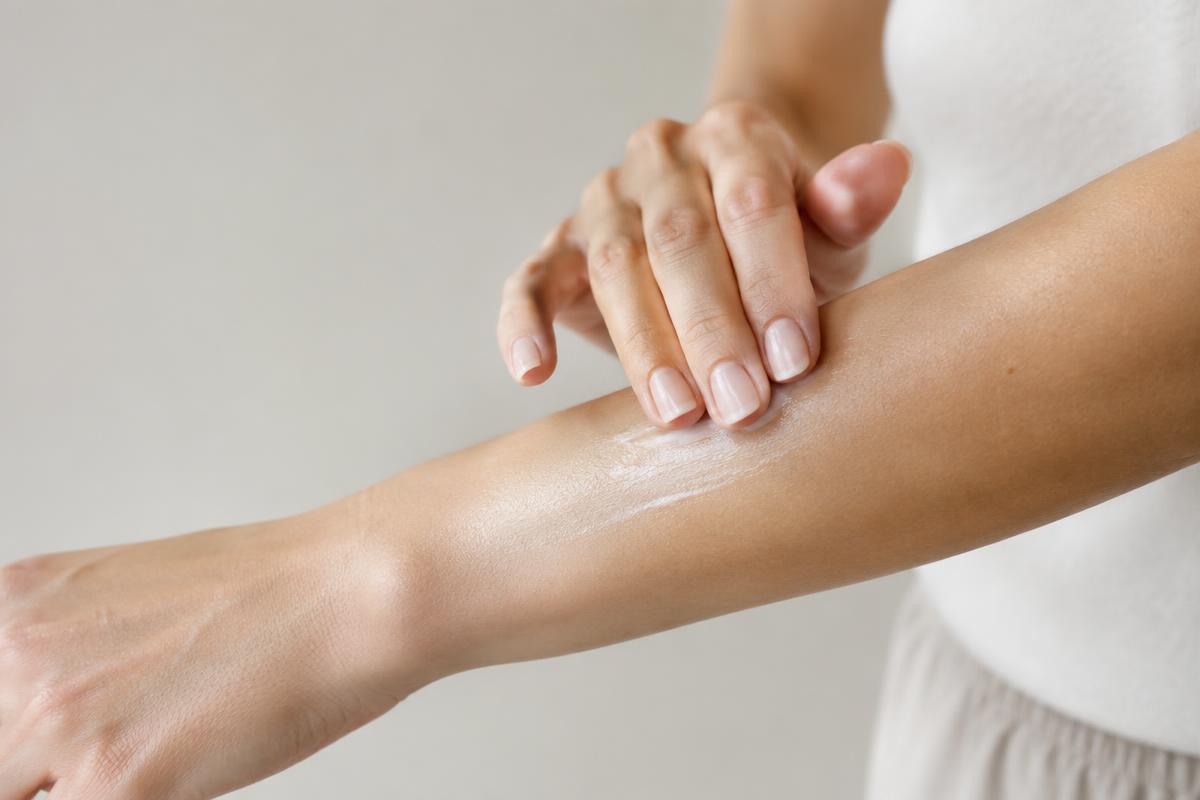
- Apply a lightweight oil (such as diluted black seed oil) to the scalp before washing to soften flakes and soothe irritation.
- Use a humidifier in dry indoor air.
- Avoid scratching — pat or gently massage an itchy scalp instead.
Where does black seed oil fit in?
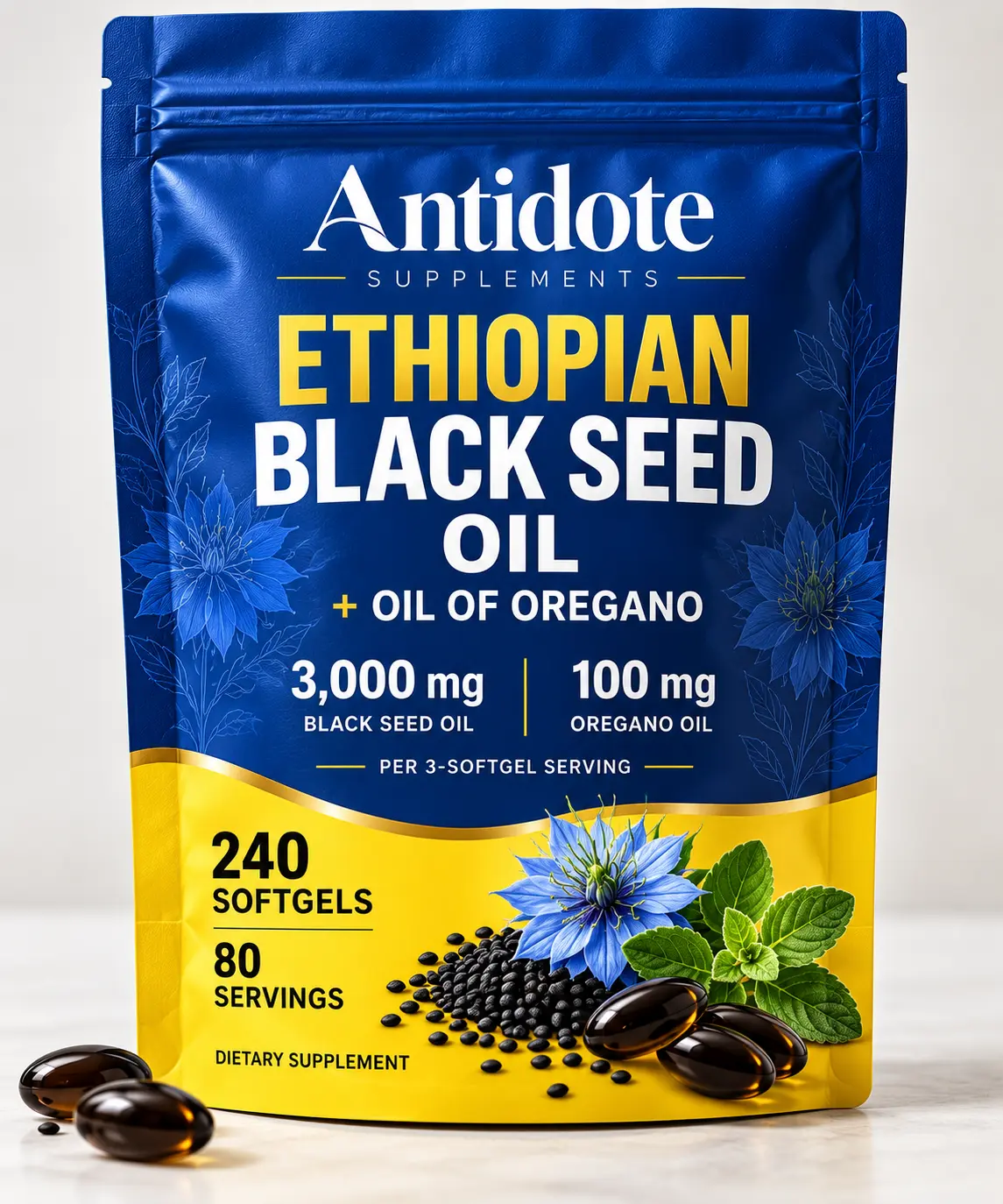
Black seed oil's documented anti-inflammatory and moisturizing properties may help soothe a dry, irritated scalp environment,[1] which can indirectly support better hair growth conditions, even though it isn't a direct treatment for genetic hair loss patterns.
When to see a doctor
Black seed oil and oregano oil are not a substitute for diagnosis or prescribed treatment. See a healthcare professional if symptoms are severe, getting worse or not improving.
Frequently asked questions
Can dandruff cause hair loss?
Dandruff itself rarely causes permanent hair loss, but chronic scratching and inflammation from untreated dandruff can contribute to shedding.
How often should I wash a dry scalp?
Most people with a dry scalp do best washing 2-3 times a week with a gentle shampoo, rather than daily.
What does an unhealthy scalp look like?
Signs include persistent redness, thick flaking, sores, excessive oiliness or dryness, and ongoing itch.
The bottom line
A dry scalp isn't usually the direct cause of significant hair loss, but keeping the scalp healthy supports better conditions for hair to grow. Gentle cleansing and soothing oils can help, alongside treating any underlying scalp condition.
Read this next
Skin
How to Treat Eczema on the Scalp (and Tell It Apart From Dandruff)
An itchy, flaking scalp could be eczema, seborrheic dermatitis, or both — here's how to tell and treat it.
Skin
Scalp Pain and Hair Loss: What's the Connection?
A sore, tender scalp alongside shedding hair is a recognized — if poorly understood — symptom combination.
How to Use
Scalp Care Routine: A Simple Weekly Plan for a Healthier Scalp
A healthy scalp is the foundation for healthy-looking hair — here's a realistic weekly routine.
Black Seed Oil
What Does Black Seed Oil Taste Like?
Bold, bitter and peppery — here's what to expect from black seed oil's taste, and how to skip it.
Black Seed Oil
Is Black Seed Oil a Binder? What the Term Actually Means
'Binder' is a wellness term, not a medical one. Here's where black seed oil and oregano oil fit.
Skin
Black Seed Oil for Hair Loss: Does It Help Hair Grow Back?
What small studies show about black seed oil for thinning hair, and how it compares with proven treatments.